
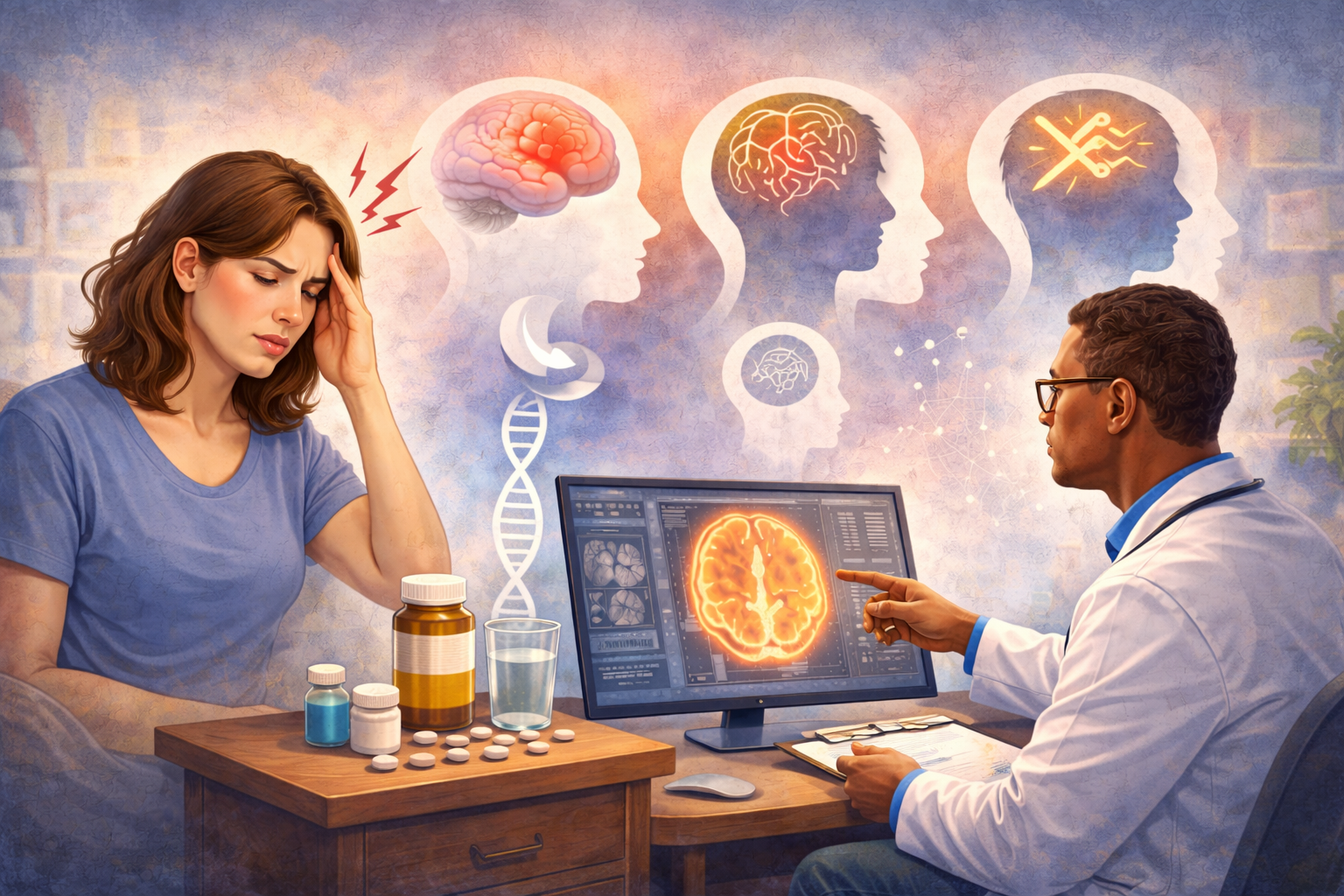
Migraine and neurological disorders often go hand in hand. For many patients, managing migraine is more complex when conditions like epilepsy, multiple sclerosis (MS), stroke, or even dementia are in the picture.
Understanding these overlaps can help you partner with your healthcare team to create a more effective, integrated plan for relief and overall brain health.
Why Focus on Migraine and Neurological Disorders?
When you search for migraine and neurological disorders, you want clear answers. You need strategies that address all your concerns—seizures, mood changes, mobility issues, and stroke risk—without creating new problems. This post dives into how migraine intersects with other brain conditions and offers practical tips to streamline your care.
Migraine and Epilepsy
People with epilepsy are up to three times more likely to develop migraine. Both disorders feature sudden attacks, abnormal electrical activity, and shared genetic factors.
Some patients even experience “migralepsy,” where an aura accelerates into a seizure.
Aura vs. Seizure
A migraine aura can look like a focal seizure. Work with your neurologist to get an accurate EEG and detailed symptom diary.
Shared Treatments
Valproate and topiramate can help both conditions. Ask about side effects and drug interactions.
Quality of Life
Balancing two episodic conditions means extra planning. Keep rescue medications, stay hydrated, and track triggers closely.
Migraine and Multiple Sclerosis (MS)
Migraine rates are higher in MS patients than the general population. Inflammation, immune responses, and even some MS therapies can prompt or worsen headaches.
Immune Mechanisms
Both involve inflammatory pathways. Discuss anti-inflammatory diets and supplements that may benefit both MS and migraine.
Diagnostic Clarity
MS relapses sometimes mimic migraine aura. Keep your MS and migraine care teams in sync to avoid mislabeling a relapse as a migraine—and vice versa.
Treatment Harmony
Beta-interferons can trigger headaches, while fingolimod may ease them. Evaluate which disease-modifying therapy aligns best with your migraine profile.
Migraine and Stroke
Migraine with aura is linked to a modest increase in ischemic stroke risk. If you’ve had a stroke, striking the right balance between headache relief and vascular safety is critical.
Risk Reduction
Quit smoking, manage blood pressure, and avoid estrogen-containing birth control if you have aura.
Acute Treatments
Skip triptans if you’re at high vascular risk. Instead, ask about gepants and ditans, which don’t constrict blood vessels.
Preventive Options
Beta-blockers or candesartan may lower both migraine frequency and stroke risk.
Migraine and Dementia: What You Need to Know
Some studies show more white matter hyperintensities on MRI in chronic migraine sufferers. But the link to dementia remains unclear, and most migraineurs do not develop cognitive decline.
• Brain Health Tips: Focus on exercise, mental stimulation, and vascular risk control to protect long-term cognition.
• Monitoring: If you worry about memory, ask for neuropsychological testing and regular follow-ups.
Migraine and Psychiatric Disorders
Depression and anxiety double the burden of migraine and vice versa. Low serotonin, dopamine imbalances, and chronic pain all play a role.
• Screen Early: Use tools like the PHQ-9 or GAD-7 to catch mood symptoms before they spiral.
• Dual-Purpose Medications: Amitriptyline and venlafaxine can treat both migraine and mood disorders.
• Behavioral Health: Cognitive-behavioral therapy (CBT) and mindfulness-based stress reduction (MBSR) benefit both headache control and emotional well-being.
Practical Tips for Integrated Care
1. Share Your Full History
Tell every specialist about your seizures, MS course, stroke events, and mood symptoms.
2. Look for Overlaps
Ask if one drug can help multiple conditions to reduce pill burden and avoid interactions.
3. Coordinate Care
Request joint appointments or summaries from each provider to keep everyone on the same page.
4. Prioritize Lifestyle
Good sleep, balanced diet, regular exercise, and stress reduction help with migraine and almost every neurological condition.
5. Advocate for Yourself
If you suspect a relapse or side effect, speak up early. Timely intervention prevents complications.
Takeaway
Migraine and neurological disorders intersect in ways that complicate diagnosis and treatment—but they also open doors for integrated solutions.
By recognizing shared pathways, optimizing medications, and focusing on lifestyle, you can improve outcomes across the spectrum of brain health.
Use this guide to spark informed conversations with your care team and to make your treatment plan as comprehensive as possible.