
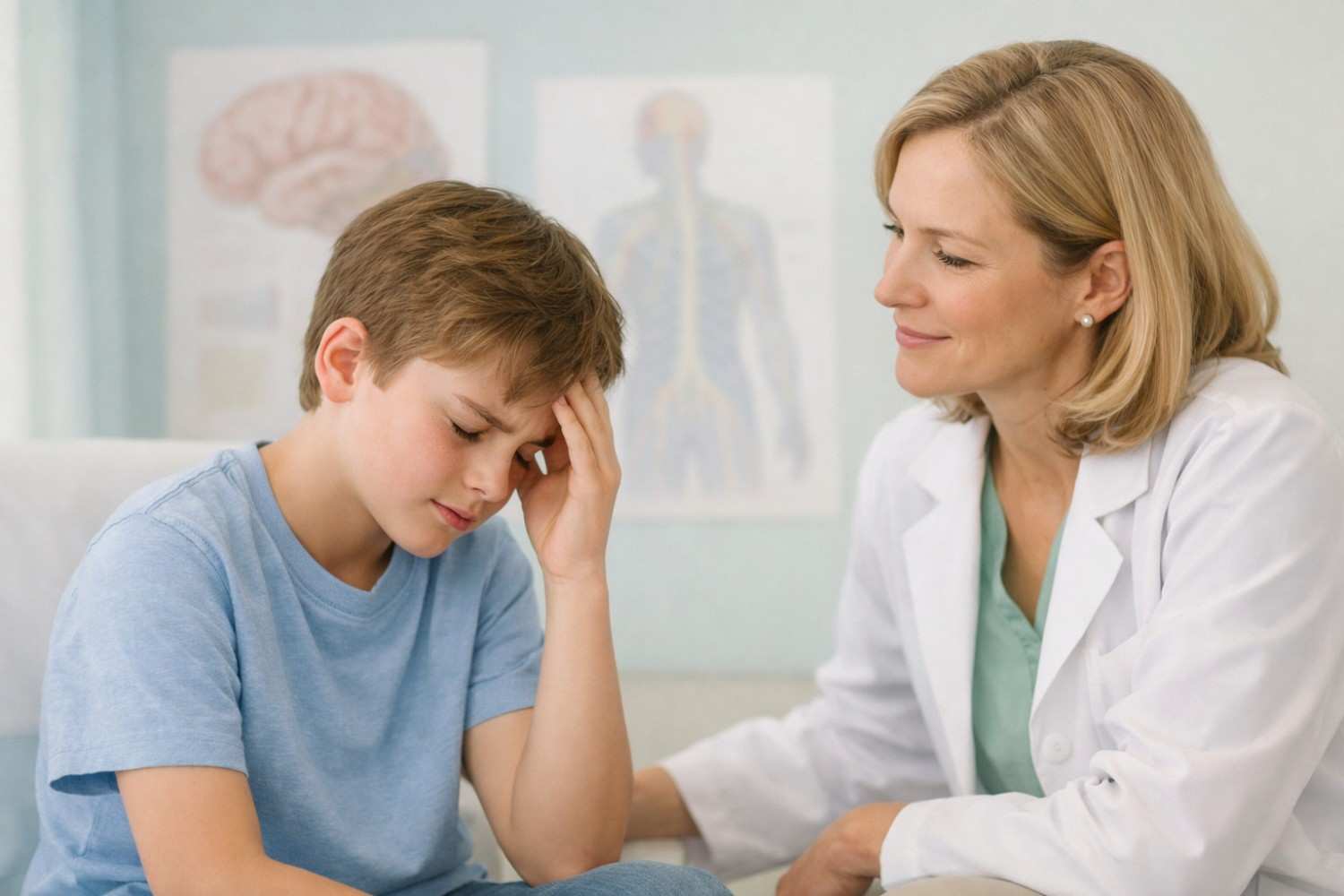
Migraine is often misunderstood as an adult condition, but it is actually one of the most common neurological disorders in children and adolescents. Research shows that by age 15, up to 10% of children and nearly 28% of teens will have experienced at least one migraine attack. Pediatric migraine can be especially challenging because symptoms often look different from adult migraine, and treatment decisions must consider growth, development, school life, and family dynamics.
Early recognition and appropriate treatment can make a dramatic difference. With the right support, most children with migraine can thrive at school, in sports, and socially.
How Migraine Presents in Children
Migraine symptoms in children do not always match the “classic” adult pattern. This is one reason pediatric migraine is frequently underdiagnosed.
Migraine attacks in children are often shorter, sometimes lasting only one to two hours rather than the four to seventy-two hours typical in adults. Pain is more likely to be bilateral, affecting both sides of the head or the forehead, instead of being clearly one-sided.
Gastrointestinal symptoms are very common. Nausea, vomiting, and abdominal pain may dominate the picture, sometimes overshadowing head pain entirely. In some children, abdominal pain may be the main feature, leading to confusion with stomach illnesses or food intolerance.
Aura symptoms such as visual changes, dizziness, or numbness can occur but are less common than in adults. Behavioral changes are another important clue. Irritability, withdrawal, yawning, pallor, or sudden fatigue may signal the onset of a migraine attack before the child can clearly describe head pain.
Because of these differences, pediatric migraine is sometimes mistaken for sinus problems, vision issues, anxiety, or simple “tummy aches.” Awareness of these patterns is essential for accurate diagnosis.
Diagnosing Pediatric Migraine
The diagnosis of pediatric migraine is clinical, meaning it is based on symptoms and history rather than a single test. The criteria outlined in the International Classification of Headache Disorders (ICHD-3) include adaptations specifically for children.
In general, a child must have experienced at least five attacks with migraine features. Headache duration can be shorter than in adults, ranging from two to seventy-two hours. The headache must have at least two features such as pulsating quality, moderate to severe intensity, worsening with routine activity, or unilateral or bilateral location. At least one associated symptom is required, such as nausea, vomiting, or sensitivity to light and sound.
A detailed history from both the child and caregivers is critical. Children may struggle to describe pain, so observations from parents and teachers are often invaluable. The neurological examination is usually normal in pediatric migraine.
Certain warning signs, sometimes called “red flags,” may prompt further evaluation with brain imaging. These include sudden severe headache, progressive worsening over time, headaches that wake a child from sleep, or focal neurological symptoms like weakness or vision loss. In most children with typical migraine, imaging is not necessary.
Impact of Migraine on Daily Life
Pediatric migraine can significantly disrupt daily functioning. Children may miss school frequently or struggle with concentration and memory during attacks. Sports, hobbies, and social activities may be limited, which can affect confidence and emotional well-being.
Unfortunately, migraine severity in children is sometimes underestimated. Teachers or peers may view symptoms as stress-related or exaggerated, leading to stigma or lack of support. Over time, untreated migraine can contribute to academic difficulties, anxiety, and reduced quality of life. Early recognition and proactive management are key to minimizing these long-term effects.
Treatment Approaches for Pediatric Migraine
Effective migraine management in children usually combines lifestyle strategies, acute medications, and, in some cases, preventive therapy. Treatment plans should always be individualized.
Lifestyle and Behavioral Strategies
Lifestyle measures form the foundation of pediatric migraine care. Regular sleep and wake times help stabilize the nervous system. Consistent meals and adequate hydration are essential, as skipped meals and dehydration are common triggers.
Identifying and managing triggers can reduce attack frequency. Stress, screen overuse, dehydration, and irregular schedules are frequent culprits. Stress management techniques, including relaxation exercises and cognitive-behavioral therapy, have strong evidence for benefit in children with migraine.
Limiting screen time, especially in the evening, supports healthy sleep patterns and may reduce headache frequency.
Acute Migraine Treatments
For acute migraine attacks, acetaminophen and ibuprofen are considered first-line treatments in children. These medications are most effective when given early in the attack and dosed appropriately based on the child’s weight.
Triptans are an important option for moderate to severe migraine in older children and teens. Several triptans are approved for pediatric use, including sumatriptan nasal spray for ages twelve and older, rizatriptan for children as young as six in some regions, and zolmitriptan nasal spray for adolescents. These medications can significantly reduce pain and associated symptoms when used correctly.
When nausea or vomiting is prominent, anti-nausea medications such as ondansetron or domperidone may be added to improve comfort and medication absorption.
Preventive Migraine Treatments
Preventive therapy may be considered when migraine attacks are frequent, severe, or disabling despite good acute treatment. The goal of prevention is to reduce attack frequency, severity, and impact on daily life.
Topiramate is approved for migraine prevention in adolescents aged twelve and older. Other medications, such as propranolol or amitriptyline, are sometimes used, although evidence for benefit is mixed and careful monitoring is required.
Nutraceuticals like magnesium and riboflavin are generally safe and may provide modest benefit with minimal risk. Lifestyle-based prevention programs that emphasize exercise, sleep hygiene, and behavioral therapy often show strong and lasting benefits.
Role of Family and School Support
Family and school involvement are essential components of successful pediatric migraine management. Education helps caregivers and teachers understand that migraine is a real neurological condition, not simply stress or avoidance behavior.
School accommodations may include access to a quiet rest area, flexibility with assignments, reduced screen exposure, or extra time for tests during recovery. Consistent routines and a supportive home environment can also help reduce migraine frequency.
Authoritative guidance from organizations such as the American Migraine Foundation and peer-reviewed research in journals like Headache: The Journal of Head and Face Pain and Neurology supports a multidisciplinary approach to care.
When to See a Specialist
Referral to a pediatric neurologist or headache specialist may be appropriate if the diagnosis is unclear, headaches are worsening or unusually severe, or standard treatments are ineffective. Immediate evaluation is warranted if there are concerning neurological symptoms such as seizures, weakness, or persistent vision changes.
Practical Tips for Parents
Keeping a headache diary can help identify triggers, track response to treatments, and guide medical decisions. Treating migraine early improves outcomes, while overuse of acute medications should be avoided to prevent rebound headaches.
Supporting mental health is also crucial. Anxiety and depression are more common in children with migraine and can worsen headache frequency and severity if left unaddressed. Open communication with healthcare providers and schools helps ensure children receive consistent, compassionate support.
Take-Home Message
Migraine in children and teens is common but often underrecognized. Symptoms may be shorter, bilateral, and dominated by nausea or abdominal pain, making diagnosis more challenging than in adults. With a thoughtful combination of lifestyle strategies, timely acute treatment, and preventive therapy when needed, most children can gain good control over migraine.
Parental advocacy, school accommodations, and specialist input play vital roles in helping young people with migraine live healthy, active lives.