
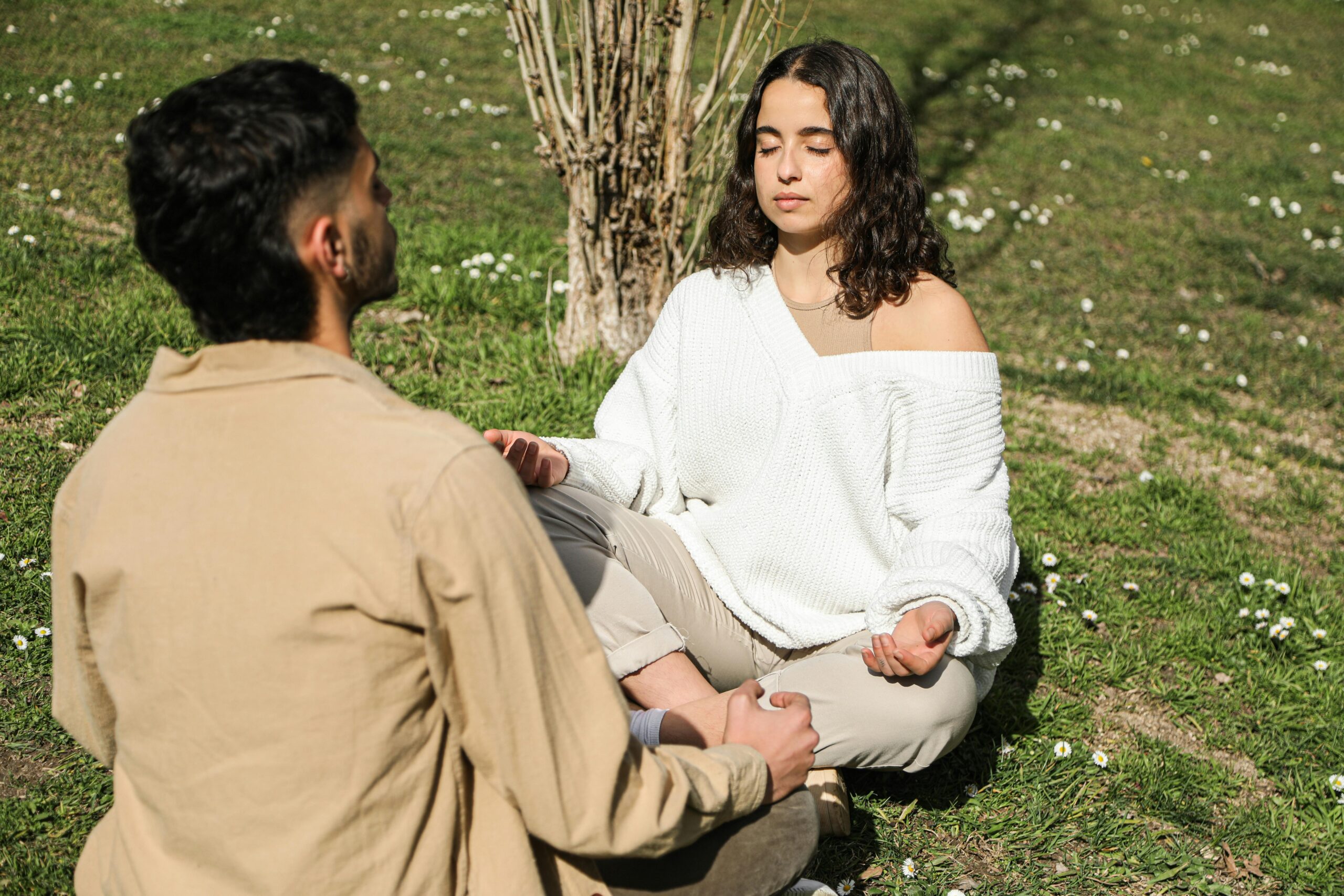
Tag: mindfulness

  • Stress Management for Migraine: CBT, Relaxation, and Mindfulness Techniques

    Stress Management for Migraine: CBT, Relaxation, and Mindfulness Techniques

    Stress management for migraine is a game-changer for many headache sufferers. Stress often sits at the top of migraine trigger lists. A tough day at work or even the “let-down” after a busy week can spark an attack. Learning simple stress management strategies can cut migraine days and boost your quality of life.

    Why Stress Triggers Migraine

    Stress activates your body’s fight-or-flight response. That ramps up muscle tension and brain excitability. Hormones like cortisol and adrenaline surge. These chemicals change your brain’s pain thresholds. On top of that, stress can disrupt sleep, meals, and caffeine intake. All those habits fuel migraine risk. Some patients even notice migraines in the post-stress letdown, when adrenal hormones suddenly drop.

    Cognitive Behavioral Therapy (CBT) for Migraines

    What is CBT?

    CBT is a structured talk therapy. It spots unhelpful thoughts and shifts them to healthier patterns. It also teaches practical skills to face stress without panic.

    How CBT Helps with Migraine

    Identifies triggers: You learn to link stress thoughts with headache onset.
    Builds coping skills: You get tools to calm nerves at the first sign of stress.
    Reduces disability: You practice healthy responses to attacks, so they interfere less with daily life.

    Evidence for CBT

    A study in Headache: The Journal of Head and Face Pain found that CBT plus standard care cuts migraine days by over 30% (doi:10.1111/head.13455). Many patients keep benefiting months after therapy ends.

    Relaxation Techniques to Ease Tension

    Progressive Muscle Relaxation

    PMR guides you to tense and relax muscle groups. It soothes head, neck, and shoulder tightness.

    Deep Diaphragmatic Breathing

    Breathing from your diaphragm calms your nervous system. Just five minutes can lower heart rate and tension.

    Guided Imagery

    Imagine a calm scene, such as a beach or forest. Visualizing peace shifts your brain away from stress.

    Using Relaxation Daily

    Practice for 10–15 minutes, twice a day. At the first hint of a headache, pause and breathe. These skills can stop an attack before it starts.

    Mindfulness and Meditation for Migraine Relief

    What is Mindfulness?

    Mindfulness means paying attention to the present moment without judgment. Meditation can include breathing exercises, body scans, or gentle yoga.

    Benefits of Mindfulness in Migraine

    Lowers overall stress reactivity.
    Improves sleep quality.
    Reduces emotional distress during attacks.
    Boosts resilience and self-compassion.

    Integrating Stress Management into Your Routine

    1.Schedule Daily Practice
    Treat stress relief like exercise. Block 10–15 minutes each morning or evening for relaxation or meditation.

    2. Mix Techniques
    Try CBT exercises one day, deep breathing the next, and a short guided meditation on weekends. Variety keeps you engaged.

    3. Use Technology
    Apps like Headspace or Calm offer guided sessions. Biofeedback devices can track your muscle tension and guide you to relax.

    4. Coordinate with Medical Care
    Stress management complements medicine, not replaces it. Talk with your doctor about combining therapy with preventive or acute migraine medications.

    Practical Tips for Success

    • Start Small: Begin with a 2-minute breathing break when stress peaks.
    • Build Habits: Attach practice to an existing habit, like brushing your teeth.
    • Watch for Warning Signs: If you spot early migraine symptoms, pause and use relaxation right away.
    • Seek Professional Support: A therapist trained in CBT or biofeedback can offer personalized guidance.
    • Be Patient: Stress resilience takes time. Stick with it, even if progress feels slow.

    Take Home Message

    Stress management for migraine empowers you to break the cycle of stress and pain. Techniques like CBT, relaxation training, and mindfulness can cut attack frequency. They also improve coping during an attack. You don’t have to eliminate stress completely. Instead, you build tools to face life’s challenges without letting migraines win.

  • Migraine Stress Management: Master CBT, Relaxation & Mindfulness for Fewer Attacks

    Migraine Stress Management: Master CBT, Relaxation & Mindfulness for Fewer Attacks

    If you’re tired of migraines stealing your day, you’re not alone. Stress is a leading trigger for migraine attacks, from a hectic workday to post-stress letdown. The good news? Migraine stress management can help you break the cycle. In this post, we’ll dive into proven techniques—cognitive-behavioral therapy (CBT), relaxation training, and mindfulness—that can lower your migraine frequency and boost your resilience.

    Why Migraine Stress Management Matters

    • Stress impacts your body in ways that make migraines more likely:
    • Nervous system activation: Your “fight or flight” response ramps up muscle tension and brain excitability.
    • Hormonal shifts: Cortisol and adrenaline spikes can lower your migraine threshold.
      Behavioral changes: Stress often leads to skipped meals, poor sleep, or extra caffeine, all of which fuel attacks.

    You might notice migraines not only during stressful times but also in the “letdown” phase when stress hormones drop suddenly. That’s why stress management for migraine is essential.

    Cognitive-Behavioral Therapy for Migraine Stress Management

    What Is CBT?

    CBT is a structured, evidence-based form of talk therapy. It helps you spot unhelpful thoughts and replace them with healthier ones.

    How CBT Helps with Stress Management Migraine

    • Identifies triggers: You learn to connect stress and negative thinking to migraine attacks.
    • Builds coping skills: You gain practical tools to manage stress before it spirals.
    • Reduces disability: You’ll respond to attacks with strategies that minimize disruption to your life.

    Evidence-Based Benefits

    A study in Headache: The Journal of Head and Face Pain showed that CBT reduced migraine days by nearly 40% when combined with standard medical care (https://headachejournal.onlinelibrary.wiley.com/doi/10.1111/head.14278). Benefits often last months after therapy ends.

    Getting Started

    Look for a therapist trained in CBT for pain or a migraine specialist. Many clinics now offer online CBT programs for migraine. You can also check this internal resource on stress triggers for migraine management (https://yourdomain.com/migraine-triggers).

    Relaxation Training Techniques

    Progressive Muscle Relaxation

    Alternately tense and relax different muscle groups to ease tension in your head, neck, and shoulders.

    Deep Breathing Exercises

    Practice slow, diaphragmatic breathing to calm your nervous system and reduce pain signals.

    Guided Imagery

    Use audio or mental visualization of calming scenes—like a beach or forest—to lower stress hormones and distract your mind from pain.

    Why It Works

    Relaxation techniques counteract the “fight or flight” response. Regular practice can lower baseline muscle tension and make it easier to calm yourself at the first sign of a migraine.

    Integrating Relaxation Into Your Day

    – Start with 5 minutes in the morning or before bed.
    – Use guided apps on your phone or internal guided-relaxation recordings (https://yourdomain.com/guided-relaxation).
    – Apply deep breathing at warning signs, such as a tensed jaw or tight shoulders.

    Mindfulness and Meditation for Stress Management Migraine

    What Is Mindfulness?

    Mindfulness means staying present, observing thoughts and sensations without judgment. Meditation practices include breathing exercises, body scans, or mindful movement like yoga.

    Migraine Stress Management Benefits

    • Lowers stress reactivity: Reduces cortisol spikes.
    • Improves sleep quality: Better rest can prevent migraine buildup.
    • Eases pain coping: Encourages a calm response during attacks.
    • Builds resilience: Increases self-compassion and emotional strength.

    Scientific Support

    A Mindfulness-Based Stress Reduction (MBSR) trial in Neurology Journal found an average 30% drop in headache days and improved quality of life.

    Simple Mindfulness Exercises

    • Five-minute breath focus: Sit comfortably and count your breaths.
    • Body scan: Mentally scan from head to toe, relaxing each area.
    • Mindful walking: Walk slowly, noticing each step.

    Make It a Habit

    Consistency is key. Aim for 10–15 minutes daily. Schedule mindfulness practice like any other appointment. Over time, you’ll notice stress feels less overwhelming.

    Building a Stress-Resilient Lifestyle

    Combine Techniques

    Many migraine sufferers benefit most from a mix of CBT, relaxation, and mindfulness. Track what works best for you in a headache diary.

    Use Technology

    Apps like Migraine Buddy or Headspace can guide your relaxation and mindfulness sessions.

    Pair With Medical Care

    Stress management complements prescription and over-the-counter treatments. Always discuss new strategies with your neurologist or headache specialist.

    Practical Tips for Everyday Success

    • Start small: Five minutes of deep breathing or a short meditation.
    • Routine: Practice at the same time daily, like before bed.
    • Early intervention: Use relaxation at the first migraine symptom.
    • Professional help: A trained CBT therapist or biofeedback expert can accelerate progress.
    • Be patient: Stress resilience builds gradually over weeks and months.

    Take-Home Message

    Stress is a major migraine trigger, but it’s also one you can modify. Through CBT, relaxation training, and mindfulness, you can strengthen your stress resilience and reduce attack frequency. Stress management isn’t about eliminating stress entirely—it’s about responding to life’s challenges without letting migraines take control.