
Tag: migraine

  • Headache vs Migraine: How to Tell the Difference

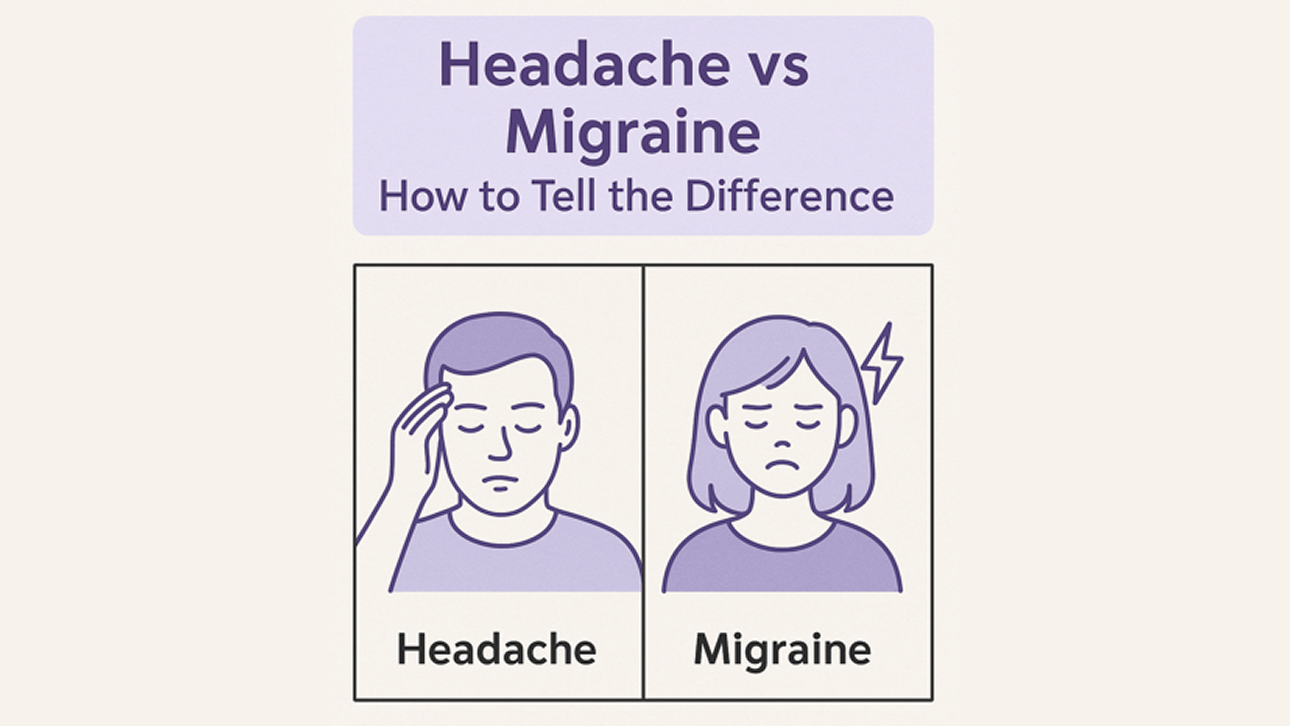
    Headache vs Migraine: How to Tell the Difference

    Headaches are one of the most common health complaints, but not all headaches are the same. While migraine is a well-known and often disabling neurological disorder, tension-type headache (TTH) and cluster headache also affect millions of people worldwide.

    Distinguishing between these primary headache types is essential because treatment and long-term management differ. Understanding their unique patterns can help you describe your symptoms more clearly and get the right diagnosis.

    Migraine: A Complex Neurological Condition

    Migraine is not “just a bad headache.” It’s a complex neurological condition characterized by recurrent attacks of moderate to severe head pain.

    Typical migraine features include:

    • Location: Usually one-sided, though sometimes both sides are affected.
    • Quality: Throbbing or pulsating pain.
    • Intensity: Moderate to severe, often disrupting daily activities.
    • Duration: 4–72 hours if untreated.
    • Associated symptoms: Nausea, vomiting, and sensitivity to light, sound, or even smells.

    Around 25–30% of people experience migraine aura, temporary neurological symptoms such as visual disturbances or tingling before the pain begins. Many also report prodrome (early warning signs) and postdrome (fatigue or brain fog after the attack).

    Tension-Type Headache: The Everyday Headache

    Tension-type headache (TTH) is the most common primary headache, often described as a “normal” or “stress” headache.

    Common features include:

    • Location: Usually both sides of the head.
    • Quality: Dull, tight, or pressure-like sensation, as if a band is squeezing the head.
    • Intensity: Mild to moderate, rarely severe enough to stop activity.
    • Duration: 30 minutes to several hours, occasionally up to a few days.
    • Associated symptoms: Typically none; mild light or sound sensitivity may occur but not both.

    TTH is often linked to stress, poor posture, or muscle tension, but newer studies in the Journal of Headache and Pain show it also involves complex interactions between muscle and brain pain pathways.

    While TTH is uncomfortable, it usually responds well to simple measures such as stress management, physical activity, proper sleep, and over-the-counter pain relievers.

    Cluster Headache: The “Suicide Headache”

    Cluster headache is the most severe and least common of the three. It affects less than 1% of people, often men between 20 and 40 years old.

    Distinctive features include:

    • Location: Always one-sided, centered around or behind one eye.
    • Quality: Intense, stabbing, or burning pain.
    • Intensity: Excruciating—many describe it as the worst pain imaginable.
    • Duration: 15–180 minutes per attack.
    • Frequency: Up to 8 attacks per day during a “cluster period.”
    • Associated symptoms: Red or watery eyes, nasal congestion, eyelid drooping, and restlessness.

    Cluster headaches occur in bouts (clusters) lasting weeks to months, followed by remission periods. Unlike migraine, they come on suddenly and demand urgent relief. Treatments such as high-flow oxygen and sumatriptan injections can provide rapid relief, while verapamil is often used as a preventive medication.

    Key Differences at a Glance

    FeatureMigraineTension-Type HeadacheCluster Headache
    LocationOften one-sidedBoth sides (band-like)Always one-sided, around one eye
    QualityThrobbing, pulsatingDull, tight, pressurePiercing, stabbing, burning
    IntensityModerate to severeMild to moderateExcruciating
    Duration4–72 hours30 minutes–several hours15–180 minutes
    Associated symptomsNausea, light/sound sensitivityUsually absentEye redness, tearing, nasal symptoms
    FrequencyVariableOften stress-relatedMultiple daily attacks during clusters

    Why Getting the Diagnosis Right Matters

    Each headache type has different treatments and triggers, so an accurate diagnosis can dramatically improve your quality of life.

    • Migraine: Managed with triptans, preventive medications, and lifestyle strategies like trigger avoidance.
    • Tension-type headache: Often responds to simple analgesics, relaxation techniques, and posture correction.
    • Cluster headache: Requires specific therapies like high-flow oxygen, sumatriptan injections, and preventive drugs such as verapamil.

    A misdiagnosis—especially mistaking cluster headaches for sinus or migraine pain—can delay access to life-changing treatments.

    Red Flags That Need Medical Attention

    While most headaches are harmless, certain symptoms can indicate a serious underlying cause. Seek immediate medical care if you experience:

    • A sudden, severe “thunderclap” headache.
    • New headaches after age 50.
    • Progressively worsening headaches.
    • Headaches with fever, neck stiffness, confusion, or seizures.
    • Headaches triggered by coughing, exertion, or sexual activity.

    These could signal conditions such as bleeding, infection, or structural brain problems.

    If you’re unsure about your headache type, a neurologist can provide a detailed assessment and help tailor your treatment plan.

    Practical Tips for Managing Headaches

    • Track your headaches: Keep a diary noting when attacks occur, how long they last, and what symptoms accompany them.
    • Describe symptoms clearly: Note the pain’s location, quality, and associated features when speaking with your doctor.
    • Avoid self-diagnosis: Online information can guide you, but only a qualified healthcare provider can confirm the diagnosis.
    • Seek specialized care: Particularly for cluster headaches, which may require neurologist-led management.

    Takeaway

    Migraine, tension-type headache, and cluster headache each have distinct characteristics that guide diagnosis and treatment.
    While migraine is the most disabling, tension-type headache is the most common, and cluster headache is the most severe.

    By learning to recognize these differences and working closely with your healthcare provider, you can receive the right diagnosis and access treatments that significantly improve your daily life.

    Explore More on Our Site

    If you found this guide helpful, explore these related posts to deepen your understanding of migraine and other headache disorders:

  • Common Triggers of Migraine and How to Identify Them

    Common Triggers of Migraine and How to Identify Them

    For many people living with migraine, attacks can feel random and disruptive. One day may be completely pain-free, and the next, a debilitating migraine hits seemingly out of nowhere. While migraine is a complex neurological disorder, certain factors—called migraine triggers—can increase the likelihood of an attack. Recognizing and managing these triggers is one of the most effective ways to reduce migraine frequency and improve quality of life.

    What Are Migraine Triggers?

    A migraine trigger is anything that increases the likelihood of an attack in someone predisposed to migraine. Triggers don’t cause the condition itself, but they can act like sparks that ignite symptoms in a sensitive brain.

    Not everyone reacts to the same triggers, and even within one person, the same trigger may not always lead to an attack. This is why tracking and pattern recognition are essential parts of migraine management.

    Common Migraine Triggers

    1. Sleep Disturbances

    Both too little and too much sleep can provoke migraine. Many people report attacks after sleeping in on weekends or changing time zones. Irregular sleep schedules, late nights, or night shifts can all destabilize the brain’s internal rhythms, increasing migraine risk. Maintaining consistent sleep patterns is key to prevention.

    2. Stress and Emotional Factors

    Stress is among the most frequently reported migraine triggers. Interestingly, attacks often strike after a stressful period rather than during it—a phenomenon known as the “weekend migraine.” Emotional fluctuations, anxiety, or depression can also heighten susceptibility to migraine.

    Incorporating relaxation techniques such as mindfulness meditation, deep breathing, or cognitive-behavioral therapy (CBT) can help reduce stress-related attacks. Studies published in Headache: The Journal of Head and Face Pain suggest that stress-management interventions significantly improve migraine frequency and severity.
    Read more in Headache Journal

    3. Hormonal Changes

    Fluctuating estrogen levels can strongly influence migraine, especially in women. Attacks commonly occur right before or during menstruation, and some women notice worsening during perimenopause. Tracking symptoms across the menstrual cycle can reveal a menstrual migraine pattern.

    If hormone-related migraine is suspected, discuss short-term preventive treatments or lifestyle adjustments with your doctor. The American Migraine Foundation offers excellent guidance on menstrual migraine management.

    4. Dietary Factors

    Certain foods and drinks can act as triggers, though reactions vary from person to person. Common dietary triggers include:

    • Aged cheeses
    • Processed meats containing nitrates
    • Red wine and other alcohol
    • Chocolate
    • Caffeinated drinks (both overuse and sudden withdrawal)

    Because food triggers are individual, it’s best to identify them through consistent tracking rather than restrictive elimination diets. Overly strict food avoidance can lead to unnecessary stress or nutritional deficiencies.

    5. Environmental Influences

    Bright or flickering lights, loud sounds, and strong smells (like perfume, cleaning products, or cigarette smoke) can all provoke migraine. Weather changes—especially drops in barometric pressure or sudden temperature swings—are also well-known triggers.

    If these factors are unavoidable, using sunglasses, noise-canceling headphones, or fragrance-free environments can help minimize exposure.

    6. Dehydration and Skipped Meals

    Skipping meals or not drinking enough fluids is a classic migraine trigger. Low blood sugar and dehydration can easily destabilize the brain’s energy balance. Aim for regular, balanced meals and drink water throughout the day. Keeping a water bottle and healthy snacks nearby is a simple but effective prevention strategy.

    7. Medication Overuse

    Ironically, some pain-relief medications can become triggers themselves when used too frequently—a condition known as medication overuse headache (MOH). This is especially common with triptans, combination analgesics, or opioids.

    If you’re relying on acute medication more than twice per week, it’s best to discuss preventive options with a healthcare provider to avoid rebound headaches.

    How to Identify Personal Migraine Triggers

    Because migraine triggers vary widely, self-monitoring is the most reliable way to identify them.

    Keep a Migraine Diary

    Document each attack, along with details like sleep, diet, stress level, menstrual cycle, weather, and medication use. Over time, recurring patterns can point to specific triggers.

    Use Migraine Tracking Apps

    Digital tools like Migraine Buddy or N1-Headache make it easier to record attacks and generate reports that help you and your doctor spot connections.

    Look for Consistency

    A true trigger will appear repeatedly before attacks, not just once. For example, if red wine precedes three or more migraine attacks, it’s likely a valid trigger.

    Avoid Over-Restriction

    Avoid cutting out multiple foods or activities at once unless you’re confident they’re consistent triggers. Over-restriction can lead to unnecessary stress and nutritional issues.

    Practical Strategies for Managing Triggers

    • Prioritize sleep hygiene: Keep consistent sleep and wake times, even on weekends. Aim for 7–9 hours of quality rest.
    • Stay hydrated and nourished: Don’t skip meals. Carry water and snacks if you’re on the go.
    • Manage stress: Incorporate daily relaxation practices like yoga, meditation, or gentle exercise.
    • Track hormonal changes: If menstrual migraine is suspected, speak to your doctor about preventive strategies.
    • Use caffeine mindfully: Moderate caffeine intake can be helpful, but avoid large fluctuations or sudden withdrawal.
    • Control environmental exposure: Sunglasses, earplugs, and fragrance-free settings can reduce sensory triggers.

    When to Seek Medical Guidance

    Trigger management is an important part of migraine care, but it should not replace professional evaluation. Talk to your healthcare provider if:

    • Headaches become more frequent or severe
    • Attacks interfere with work, school, or daily life
    • You need pain medication more than twice per week
    • You notice new or unusual neurological symptoms

    A doctor can confirm your diagnosis, rule out other causes, and create a comprehensive treatment plan that may include both preventive and acute medications.

    Takeaway

    Migraine triggers are highly individual and can range from sleep issues and stress to hormonal or dietary changes. Identifying personal triggers takes patience, but the payoff is significant—fewer attacks, greater predictability, and improved daily functioning. With consistent tracking and medical support, you can take control of your migraine journey and live with more confidence and comfort.Disclaimer

  • Migraine with Aura vs Migraine without Aura: Understand the Differences

    Migraine with Aura vs Migraine without Aura: Understand the Differences

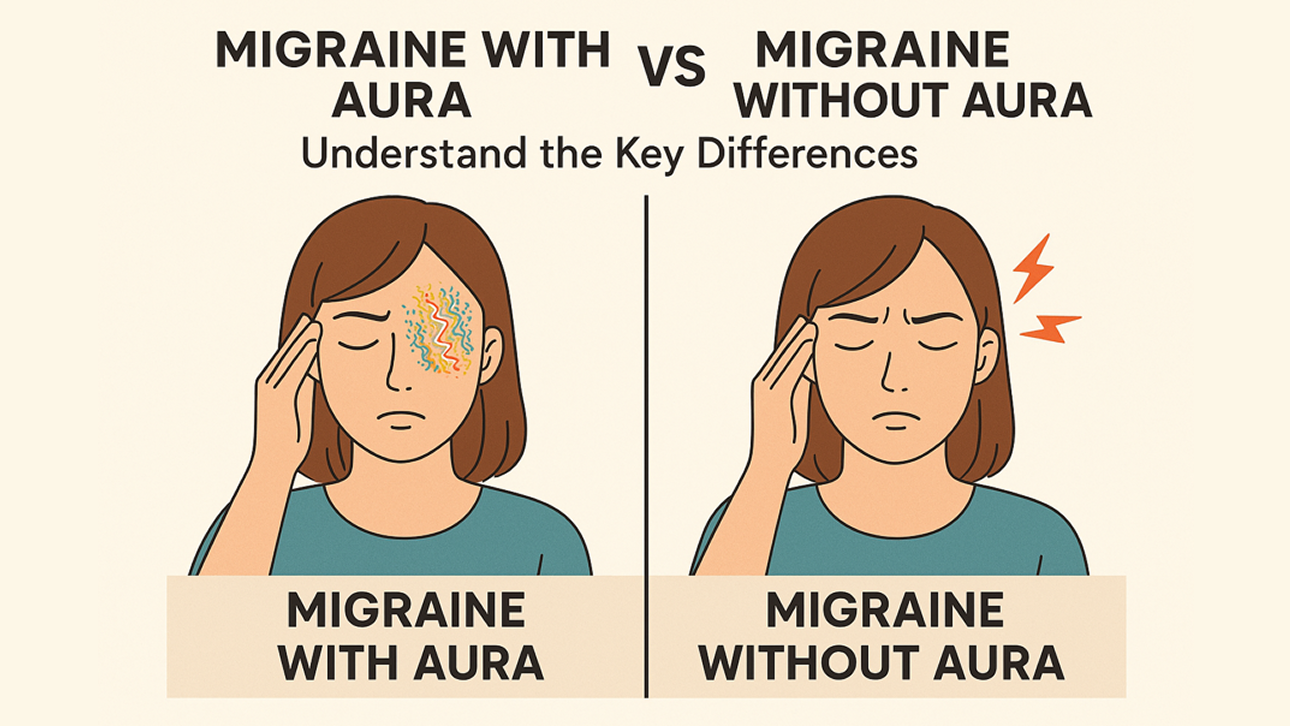
    Migraines are not a one-size-fits-all condition. While all types share hallmark symptoms like recurring head pain, nausea, and sensitivity to light or sound, there are important distinctions within the diagnosis. The two most common forms are migraine without aura (often called common migraine) and migraine with aura (sometimes referred to as classic migraine).

    Understanding the difference between these types is vital for accurate diagnosis, treatment planning, and patient reassurance.

    What Is Aura?

    An aura is a collection of temporary neurological symptoms that occur before or during a migraine attack. These symptoms are caused by brief, reversible changes in brain activity and blood flow. Auras typically develop gradually over 5–20 minutes and usually resolve within an hour.

    Common Types of Aura

    • Visual aura: The most frequent form. Patients may see flashing lights, shimmering shapes, zigzag lines, or blind spots. Some describe it as “looking through broken glass.”
    • Sensory aura: Numbness or tingling that often starts in one hand and moves up the arm or face.
    • Language aura: Temporary difficulty speaking or finding words.
    • Motor aura: Rare, but can cause weakness or paralysis on one side of the body (known as hemiplegic migraine).

    Not every aura is followed by head pain—some people experience aura without headache, also called acephalgic migraine. This can be confusing and may lead to unnecessary testing, especially when symptoms mimic stroke or seizure.

    According to The Lancet Neurology, aura symptoms stem from a phenomenon called cortical spreading depression, a wave of electrical activity across the brain’s surface that temporarily alters blood flow.

    Migraine without Aura

    Migraine without aura is the most common type, affecting about 70–75% of people with migraine.

    Typical symptoms include:

    • Throbbing or pulsating pain (usually on one side)
    • Pain aggravated by routine physical activity
    • Moderate to severe intensity
    • Nausea, vomiting, or sensitivity to light and sound

    Attacks usually last 4–72 hours if untreated and can be highly disabling. Despite lacking aura, this form is a true migraine and equally deserving of effective treatment and preventive care.

    Migraine with Aura

    Migraine with aura affects roughly 25–30% of migraine patients. The defining feature is the presence of reversible neurological symptoms that occur before or during the headache.

    A typical episode may unfold as follows:

    1. Aura phase: Gradual onset of visual changes or sensory disturbances lasting 5–60 minutes.
    2. Headache phase: The migraine pain follows, sharing the same characteristics as migraine without aura.
    3. Postdrome phase: After the pain subsides, patients may feel fatigued, foggy, or low in mood for a day or more.

    Research published in Cephalalgia: The Journal of Headache and Face Pain notes that migraine with aura may carry a slightly increased risk of ischemic stroke, particularly in women under 45 who smoke or use estrogen-containing contraceptives. For this reason, clinicians assess vascular risk factors carefully when prescribing birth control or preventive therapies

    Clinical Distinctions and Diagnosis

    While both forms share similar pain characteristics, the presence or absence of aura defines the diagnosis.

    Diagnostic Criteria

    • Migraine without aura: Diagnosed based on headache characteristics—one-sided, pulsating, moderate-to-severe intensity, aggravated by activity, and accompanied by nausea or sensitivity to light/sound.
    • Migraine with aura: Requires at least two attacks with aura symptoms that are fully reversible, develop gradually, and last less than 60 minutes, followed by headache within an hour.

    Other conditions such as stroke, seizure, or transient ischemic attack (TIA) can mimic aura. However, a key difference is that aura develops gradually, whereas stroke or seizure symptoms are sudden and maximal at onset.

    Doctors may recommend neuroimaging (MRI or CT) if aura symptoms are atypical, prolonged, or appear for the first time later in life, according to the American Headache Society.

    Why the Difference Matters for Patients

    Recognizing whether your migraine includes aura has practical implications for care and peace of mind.

    1. Treatment

    Most acute and preventive migraine treatments work for both types. However, documenting aura patterns helps clinicians avoid unnecessary investigations and tailor therapies more effectively.

    2. Stroke Risk

    Migraine with aura has a slightly higher vascular risk profile, especially in women who smoke or use hormonal contraceptives. Reducing smoking, managing blood pressure, and using non-estrogen contraceptive methods can lower risk.

    3. Patient Reassurance

    Aura symptoms can be alarming, but they are benign and reversible. Knowing that aura doesn’t mean “brain damage” helps reduce anxiety and empowers patients to respond appropriately during attacks.

    4. Monitoring Changes

    Patients should report any change in aura pattern—such as longer duration, new sensory features, or attacks without pain—to their healthcare provider.

    Practical Tips for Patients

    • Track your symptoms: Keep a migraine diary noting whether visual changes or tingling occur before the headache.
    • Recognize early warning signs: Aura can act as an early signal to take acute medication sooner, improving relief.
    • Avoid confusion with other issues: Not all visual changes are aura—eye strain, dehydration, or low blood sugar can mimic it.
    • Discuss contraception and lifestyle: If you experience migraine with aura, talk to your doctor about safe contraceptive options and managing vascular risks.
    • Stay reassured: Aura can be unsettling but is part of the migraine spectrum, not a sign of a stroke.

    You can read more about migraine triggers or preventive migraine treatments for additional guidance.

    Take-Home Message

    Migraine with aura and migraine without aura represent two points on the same neurological spectrum. The key difference lies in whether the patient experiences temporary neurological warning signs such as visual changes, tingling, or speech disturbances.

    Both forms are real, disabling, and deserve appropriate medical attention. Understanding your migraine type helps guide treatment, reduce anxiety, and empower you to manage symptoms more effectively.

  • What Is Migraine? Symptoms, Types, and Diagnosis

    What Is Migraine? Symptoms, Types, and Diagnosis

    Photo by Liza Summer

    Migraine is a common yet often misunderstood neurological disorder that affects millions worldwide. It’s far more than “just a headache.” Migraine involves complex interactions between the brain, nerves, and blood vessels, leading to a wide range of symptoms that can disrupt daily life. An estimated 12% of the global population experiences migraine, making it one of the most disabling neurological conditions according to the World Health Organization (WHO).

    Understanding what migraine is, how it presents, and how it’s diagnosed is the first step toward effective management and better quality of life.

    What Is a Migraine?

    A migraine is a recurrent headache disorder characterized by moderate to severe pain that typically lasts between 4 and 72 hours if left untreated. Unlike tension-type headaches, migraine pain is often one-sided, throbbing, and worsened by physical activity.

    Other common symptoms include:

    • Nausea and vomiting
    • Sensitivity to light (photophobia)
    • Sensitivity to sound (phonophobia)
    • Sometimes, sensitivity to smells or touch

    Doctors diagnose migraine based on the International Classification of Headache Disorders, 3rd edition (ICHD-3) criteria. A diagnosis usually requires:

    • At least one associated symptom such as nausea/vomiting or sensitivity to light and sound
    • At least five headache attacks meeting migraine features
    • Duration of 4–72 hours per attack
    • At least two of the following: one-sided pain, pulsating quality, moderate-to-severe intensity, or aggravation with movement

    Types of Migraine: With Aura and Without Aura

    Migraines are generally categorized into two main types:

    1. Migraine Without Aura

    This is the most frequent form, affecting about 70–75% of people with migraine. Symptoms include head pain and associated sensitivities—but no neurological warning signs before the attack.

    2. Migraine With Aura

    Roughly 25–30% of migraine patients experience an aura, which consists of temporary neurological symptoms that typically develop over 5–20 minutes and last less than an hour.

    Common aura symptoms include:

    • Visual disturbances (flashing lights, zigzag lines, or blind spots)
    • Sensory changes (tingling, numbness)
    • Speech or language difficulties
    • Temporary weakness on one side of the body (in rare cases)

    Some people experience aura without the headache phase, a condition known as “acephalgic migraine.”

    Other Types and Variants of Migraine

    Beyond the classic categories, several migraine subtypes exist:

    • Chronic migraine: 15 or more headache days per month for at least 3 months, with at least 8 showing migraine features.
    • Vestibular migraine: Involves dizziness or vertigo rather than prominent head pain.
    • Hemiplegic migraine: Rare, includes temporary weakness or paralysis on one side of the body.
    • Menstrual migraine: Triggered or worsened by hormonal fluctuations during the menstrual cycle.

    Each variant presents unique challenges and may require a tailored treatment approach.

    Migraine Symptoms Beyond Headache

    Migraine is best understood as a multi-phase neurological event, not just a headache. Symptoms can span several stages:

    1. Prodrome (Early Warning Signs)

    Occurs hours or days before pain starts. Symptoms may include:

    • Fatigue or mood changes
    • Neck stiffness
    • Food cravings
    • Yawning or irritability

    2. Headache Phase

    This is the hallmark migraine pain—often throbbing, one-sided, and worsened by activity. Nausea, vomiting, and sensory sensitivity are common.

    3. Postdrome (Migraine “Hangover”)

    After pain resolves, many patients feel drained, fatigued, or mentally foggy for up to 48 hours.

    Understanding these stages helps patients recognize patterns and seek treatment early, potentially preventing full-blown attacks.

    How Is Migraine Diagnosed?

    There’s no single test (like a blood test or scan) that definitively diagnoses migraine. Instead, the diagnosis is clinical, based on a thorough history and examination.

    Key Diagnostic Steps:

    • Detailed history: Describing attack frequency, duration, symptoms, and potential triggers.
    • Headache diary: Tracking attacks helps identify patterns and triggers.
    • Physical and neurological exam: Usually normal, but essential to rule out other conditions.
    • Imaging (MRI or CT): Ordered only if there are “red flags,” such as a sudden severe headache, neurological symptoms, or changes in headache pattern.

    According to the American Headache Society, early diagnosis is crucial because untreated migraine can progress to chronic migraine or lead to medication-overuse headaches.

    Further research in The Lancet Neurology has also shown that early recognition and preventive strategies can significantly reduce the burden of migraine on daily life.

    Why an Accurate Diagnosis Matters

    Many people live for years with undiagnosed or misdiagnosed migraine, often mistaking their symptoms for “sinus headaches” or stress-related pain. A correct diagnosis:

    • Confirms that symptoms are due to migraine
    • Enables access to evidence-based treatments
    • Helps prevent unnecessary tests or medications
    • Improves long-term outcomes and quality of life

    A review in Cephalalgia: The Journal of Headache and Face Pain emphasizes that proper migraine classification and early treatment improve outcomes and reduce progression to chronic migraine.

    To learn more about migraine triggers or migraine treatment options, explore our related articles for practical guidance.

    Practical Steps for Patients

    If you suspect migraine, here are steps to take:

    1. Track your symptoms: Keep a headache diary or use a migraine-tracking app.
    2. Identify triggers: Note sleep patterns, diet, stress levels, and hormonal cycles.
    3. Consult your doctor: Share your symptom history and diary to guide diagnosis.
    4. Watch for red flags: Seek immediate care for a sudden, severe headache, new neurological symptoms, or a change in pattern.

    The Takeaway

    Migraine is a complex neurological condition that extends well beyond a typical headache. Recognizing the full spectrum of symptoms, understanding the difference between migraine with and without aura, and pursuing proper diagnosis are critical first steps.

    With the right diagnosis and management plan, most patients can significantly reduce attack frequency, improve daily function, and regain control of their lives.