
Tag: migraine triggers

  • Migraine Travel: How to Plan and Enjoy Your Trip Without the Pain

    Migraine Travel: How to Plan and Enjoy Your Trip Without the Pain

    Travel can be one of life’s greatest joys.

    Yet for those living with migraine, changes in routine, jet lag, and new environments often trigger painful attacks.

    The good news?

    With thoughtful preparation and practical tools, you don’t have to let migraine stop your next adventure.

    In this post, we’ll show you how to plan ahead, carry the right supplies, and adapt on the road—so you can focus on memories, not migraines.

    Why Travel Triggers Migraine

    Common Travel-Related Migraine Triggers

    Travel disrupts the stability your brain craves. Major culprits include:
    • Sleep disruption: Early flights and time zone shifts throw off circadian rhythms.
    • Dehydration: Airplane cabins have very low humidity.
    • Diet changes: Missing meals or eating unfamiliar foods can spark an attack.
    • Stress: Crowded airports, tight schedules, and packing can raise stress hormones.
    • Environmental factors: Bright lights, noise, altitude, and cabin pressure all play a role.

    Preparing Before Your Trip

    Talk to Your Doctor

    Your travel success starts at home. Schedule a pre-trip checkup to:

    • Review your current migraine treatment plan.
    • Confirm preventive and rescue medications are up to date.
    • Ask for written notes explaining your meds and any temperature-sensitive injections (like CGRP antibodies).
    • Discuss melatonin or other sleep aids if you’ll cross multiple time zones.

    Build Your Migraine Travel Kit

    Treat your migraine kit like your passport—it’s essential.

    Include:
    • Acute medications (triptans, gepants, NSAIDs) and a backup supply.
    • Anti-nausea drugs for severe attacks.
    • Preventive meds, if prescribed.
    • A refillable water bottle and electrolyte packets.
    • Noise-cancelling headphones or earplugs.
    • Sunglasses or a comfortable hat.
    • Portable cold or heat packs.
    • Healthy snacks to prevent skipped meals.

    Plan for Time Zone Changes

    If your trip crosses more than two time zones:

    1. Shift your bedtime by 30–60 minutes each night for several days before departure.
    2. Use bright light therapy strategically: morning light for eastward travel, evening light for westward trips.
    3. Discuss a melatonin regimen with your doctor to ease jet lag.

    During Air Travel

    Stay Hydrated and Move

    On the plane, aim to drink at least 8 ounces of water every hour. Avoid too much caffeine or alcohol—they promote fluid loss.

    Stand up, stretch, and walk the aisle when possible to improve circulation and reduce stiffness, which can help lower migraine risk.

    Manage Light, Noise, and Early Symptoms

    Migraine travel success means acting quickly:

    • Wear sunglasses or a hat to block cabin light.
    • Use noise-cancelling headphones or earplugs to dampen engine noise.
    • At the first hint of a migraine, take your acute medication. Research in Cephalalgia shows that early treatment improves response rates

    At Your Destination

    Keep Your Routine Steady

    Once you arrive, aim to:
    • Eat balanced meals at consistent times.
    • Stick to a regular sleep–wake schedule.
    • Plan daily downtime to rest if you feel an attack coming.

    Identify Local Resources

    Before you leave home, research local medical options:
    • Find the nearest pharmacy or hospital on arrival.
    • Check if your travel insurance covers emergency migraine care.

    Special Considerations for Medications and Security

    Traveling with Injections

    If your preventive therapy includes injections (Botox, CGRP antibodies), carry them in original packaging with your doctor’s note. Use a portable cooler pack to keep them refrigerated.

    Navigating Customs and Security

    Always pack medications in your carry-on luggage. Keep labels intact and bring a copy of your prescription. Many airports recognize migraine treatments, but it helps to be prepared.

    Pro Tips for Migraine-Friendly Travel

    Be Proactive, Not Reactive

    1. Share your migraine travel plan with friends or family so they can help if you need it.

    2. Allow buffer time between travel legs—avoid back-to-back connections.

    3. Stay flexible: build a free afternoon into your itinerary to rest or treat an attack.

    4. Review evidence-based migraine prevention tips to complement your travel plan.

    5. Explore additional preventive strategies in our guide to migraine prevention

    Take-Home Message

    Travel doesn’t have to be off-limits for people with migraine. When you plan ahead, pack smart, and act quickly at the first sign of an attack, you can minimize triggers and enjoy your journey.

    With these strategies in your back pocket, migraine travel becomes not just possible, but plannable, so you can focus on discovering new places and making lasting memories.


  • Diet and Migraine: Triggers and Protective Foods for Headache Relief

    Diet and Migraine: Triggers and Protective Foods for Headache Relief

    Living with migraine can feel like walking on eggshells around your diet. Certain foods and habits can spark an attack. Others can soothe and protect. In this article, we dive into diet and migraine links. You’ll learn how to spot triggers, choose protective foods, and keep attacks at bay.

    Why Diet and Migraine Are Connected


    Migraine is a complex neurological disorder. It involves blood vessel changes, inflammation, and shifts in brain chemicals like serotonin. What you eat can feed or fight these pathways.

    Blood Vessel Effects


    Some foods dilate vessels in the brain. Others constrict them. When blood flow swings, migraine can strike.

    Inflammation and Metabolic Stress


    Processed foods and additives can fanning low-grade inflammation. Skipping meals leads to blood sugar dips. Low glucose can spark a headache attack within hours.

    Common Dietary Triggers


    Everyone has unique triggers. Yet some foods appear again and again in migraine diaries:

    Aged Cheese and Tyramine

    Aged cheddar, blue cheese, and Parmesan pack a natural chemical called tyramine. It can alter blood vessels and trigger pain in sensitive people.

    Processed Meats

    Cold cuts, bacon, and sausages often contain nitrates and nitrites. These preservatives can spark headaches

    Alcohol: Red Wine and Beyond

    Red wine is a top offender. Histamines and tannins may be to blame. Beer and spirits can also trigger attacks for some.

    Chocolate and Cravings

    Many blame chocolate. But evidence is mixed. Sometimes a craving is an early migraine symptom, not the cause. Note your pattern closely.

    Caffeine’s Double-Edged Sword

    Regular, moderate caffeine often helps prevent migraine. Yet sudden withdrawal and overuse can lead to rebound headaches.

    Aspartame and MSG

    Artificial sweeteners like aspartame and flavor enhancer MSG have been linked to headaches in sensitive individuals, especially when consumed in large amounts.


    Protective Foods for Migraine Prevention

    Focus on whole, nutrient-dense choices. These foods support brain health and calm inflammation.

    Magnesium-Rich Foods
    Magnesium helps relax blood vessels. Studies show supplements can cut migraine days by 40%. Find magnesium in nuts, seeds, beans, and leafy greens.

    Riboflavin (Vitamin B2)
    Riboflavin aids energy production in brain cells. Dairy, eggs, lean meats, and fortified cereals are good sources.

    Coenzyme Q10
    CoQ10 supports mitochondrial function. You’ll find it in fatty fish, whole grains, and organ meats. Supplements may help some patients.

    Omega-3 Fatty Acids
    Omega-3s reduce inflammation and support neural stability. Enjoy salmon, mackerel, chia, and flaxseeds regularly.

    Hydration
    Water is your simplest tool. Dehydration is a powerful migraine trigger. Aim for 6–8 glasses daily.

    Meal Timing: The Forgotten Factor

    Skipping meals is a top dietary trigger. Blood sugar swings can spark an attack quickly.

    Balanced Meals Every 3–4 Hours
    Include lean protein, whole grains, and vegetables. This steadies glucose and energy.

    Smart Snacking
    Carry portable snacks—nuts, fresh fruit, or a granola bar. A small bite can keep an attack at bay until your next meal.

    Identifying Your Personal Triggers
    A one-size-fits-all diet rarely works. Track your own triggers with a food and headache diary.

    Keep a Diary
    Record everything you eat and drink. Note portion sizes and meal times. Track headache onset, duration, and severity.

    Look for Patterns
    Triggers often interact. Red wine plus low sleep or stress can be worse than red wine alone.

    Avoid Blanket Restrictions
    Cutting out broad groups (e.g., all dairy or all alcohol) adds stress. Focus on specific foods you suspect most.

    Trial Eliminations
    Remove a suspected trigger for 2–4 weeks. Then reintroduce it. If migraine returns, you’ve found a culprit.

    Special Considertions

    Caffeine Balance
    Aim for 1–2 cups of coffee per day. It can enhance acute migraine meds. Stay under 300 mg daily to avoid rebound headaches.

    Alcohol Avoidance
    If any alcohol sparks attacks, complete avoidance is simplest. Note that even small amounts can build an association in your brain.

    Food Intolerances
    Lactose or gluten sensitivity won’t cause migraine but can worsen general headache burden. Test and tailor your diet accordingly.

    Practical Tips for Everyday Life

    1.Plan Ahead
    Schedule meals and snacks around your day. Set alarms if you tend to forget.

    2.Cook at Home
    Restaurants often use MSG, nitrates, and hidden additives. Cooking at home gives you control.

    3.Read Labels
    Watch for aspartame, MSG, nitrites/nitrates, and other triggers.

    4.Stay Mindful
    Stress, sleep, and hydration interact with food triggers. Keep your routine as balanced as possible.

    Final Thoughts

    Diet plays a powerful role in migraine management. Aged cheese, processed meats, red wine, and artificial sweeteners often trigger attacks.

    Magnesium, riboflavin, CoQ10, omega-3s, and proper hydration can offer protection.

    Skipping meals and dehydration often pose bigger risks than any single food.

    Through tracking, balanced meals, and smart choices, you can reduce migraine frequency without an overly restrictive diet.

  • Migraine Diary 101: How Keeping a Migraine Diary Helps You Take Control

    Migraine Diary 101: How Keeping a Migraine Diary Helps You Take Control

    Keeping a migraine diary is one of the simplest, most effective tools in your headache-management toolkit. If you’ve ever wondered why some treatments work for weeks and then suddenly fail, or why attacks seem to strike out of nowhere, a migraine diary can bring clarity. This guide shows you exactly how to start, what to track, and how a migraine diary empowers both you and your healthcare provider.

    Why a Migraine Diary Matters

    Migraine is a complex neurological condition. Factors like sleep disruption, stress, diet, hormones, weather, and environment can trigger attacks. Without a structured way to log these elements, it’s easy to miss patterns.

    A migraine diary helps you by:
    • Identifying triggers: Spot patterns that consistently precede attacks.
    • Measuring frequency: See how many headache days you have each month.
    • Evaluating treatment response: Know if medications or lifestyle changes are working.
    • Supporting diagnosis: Clarify if your attacks meet migraine criteria.
    • Facilitating insurance coverage: Many insurers require documented headache days for advanced treatments like Botox or CGRP inhibitors.

    According to a 2021 Cephalalgia study, patients who used a headache-tracking tool reduced their monthly migraine days by 20% within three months.

    What to Track in Your Migraine Diary

    A migraine diary doesn’t need to be overwhelming. Focus on these key details:

    1. Date & Time of Onset: Record when the headache starts and ends.
    2. Duration: Note how long each episode lasts.
    3. Pain Intensity: Use a 1–10 scale for consistency.
    4. Location & Characteristics: Is it one-sided? Throbbing or pressure-like?
    5. Associated Symptoms: Include nausea, aura, light or sound sensitivity.
    6. Possible Triggers: Foods, stress events, skipped meals, weather changes, menstrual cycle.
    7. Medications & Treatments: Dose, timing, and effectiveness of any intervention.
    8. Impact on Daily Life: Record missed work or activities to quantify disability.

    Paper vs. Digital Migraine Diary

    Paper Diaries:

    • Pros: Simple, portable, no tech needed.
    • Cons: Harder to analyze trends, can be lost.

    Digital Apps:

    • Pros: Automates charts, reminders, and trend analysis.
    • Cons: Requires smartphone, sometimes subscription fees.

    Popular migraine-tracking apps include Migraine Buddy, Migraine Monitor, and HeadacheTracker. Many link to wearable devices for sleep and activity data. Choose the format you’ll use daily—consistency beats complexity.

    How Long Should You Keep a Migraine Diary?

    For most people, 2–3 months of daily entries will reveal reliable patterns. Once you and your doctor identify key triggers or confirm the effectiveness of a preventive treatment, you can switch to “as needed” tracking. However, if you’re starting a new treatment or lifestyle change, resume daily entries for another 6–8 weeks to evaluate results.

    How Doctors Use Your Diary

    When you bring a migraine diary to your appointment, your doctor gains objective data:
    • Confirms migraine diagnosis vs. tension-type or cluster headaches.
    • Determines if you meet chronic migraine criteria (≥15 headache days/month).
    • Guides decisions about preventive therapy (beta-blockers, topiramate, CGRP inhibitors).
    • Monitors response to new treatments and fine-tunes dosing.

    Common Pitfalls & How to Avoid Them

    Tracking too much: Trying to log every minor detail can be overwhelming. Start with essentials, then expand if needed.
    Inconsistent entries: Sporadic logs reduce the diary’s usefulness. Set a daily reminder—try a nightly routine.

    Misinterpreting triggers: Headaches often result from cumulative factors. Review multiple data points before blaming a single cause.

    Practical Tips for a Successful Migraine Diary

    Keep it Simple

    Limit your initial fields to date, pain scale, and suspected trigger.

    Use Scales

    A consistent 1–10 pain score helps you and your doctor compare attacks.

    Make it Routine

    Record at the same time each day—right after you wake up or before bed.

    Review Regularly

    Summarize weekly trends and discuss them during appointments.

    Stay Positive

    Identifying triggers is about empowerment, not self-blame.

    Advanced Tracking Tips

    Weather Data: Some apps pull local barometric pressure and humidity automatically.
    Sleep Metrics: Sync your diary with Fitbit or Apple Health to correlate sleep quality with attacks.
    Stress Journals: Pair your diary with a brief mood log. High stress plus poor sleep often spells trouble.

    Real-Life Success Story

    Samantha, a 35-year-old graphic designer, struggled with six migraine days per month. After three months of diary tracking, she noticed most attacks followed late-night screen time combined with skipped dinners. By setting an evening cutoff for devices and planning regular meals, her monthly migraine days dropped to two. This success story highlights the power of simple, consistent logging.

    Takeaway

    A migraine diary is a low-cost, high-impact tool that offers clarity and control. By tracking attacks, triggers, and treatments, you’ll identify patterns, improve doctor visits, and make informed treatment choices. Whether you choose pen and paper or a digital app, consistency is key. Start your migraine diary today and take the first step toward fewer headache days and a better quality of life.

  • The Role of Sleep in Migraine Management

    The Role of Sleep in Migraine Management

    For many people living with migraine, sleep is not just a comfort—it is a core part of migraine biology. Both too little sleep and too much sleep can trigger attacks, while irregular or poor-quality rest increases overall migraine frequency. For some, a single disrupted night is enough to bring on a migraine the next day.

    Understanding how sleep and migraine interact—and learning how to protect healthy sleep patterns—can dramatically improve long-term migraine control. In fact, optimizing sleep is often one of the most effective non-drug strategies available.

    How Sleep and Migraine Are Connected

    Sleep and migraine share overlapping brain pathways. Regions that regulate sleep, pain processing, and circadian rhythms are closely linked. When one system becomes unstable, the other often follows.

    Research published in Neurology Journal shows that disturbances in sleep architecture increase cortical excitability, making the brain more vulnerable to migraine attacks.

    Several sleep-related factors are especially important.

    Sleep Deprivation

    Even one night of insufficient sleep can lower the migraine threshold. People with migraine often report attacks following:

    • Shortened sleep duration
    • Frequent nighttime awakenings
    • Early-morning awakenings

    Sleep deprivation increases inflammation, alters serotonin levels, and disrupts pain modulation—all key contributors to migraine.

    Oversleeping and “Weekend Migraine”

    Sleeping significantly longer than usual can also trigger migraine. This phenomenon is often called “weekend migraine.” Large shifts in wake-up time confuse the brain’s internal clock and destabilize neurotransmitter balance.

    Ironically, trying to “catch up” on sleep may worsen migraine rather than prevent it.

    Circadian Rhythm Disturbances

    Migraine is strongly linked to circadian rhythm regulation. Shift work, jet lag, rotating schedules, and inconsistent bedtimes all increase attack frequency.

    Studies in Headache: The Journal of Head and Face Pain confirm that irregular sleep-wake timing is one of the strongest lifestyle predictors of chronic migraine.

    Sleep Disorders and Migraine

    Sleep disorders are more common in people with migraine and often go undiagnosed. These include:

    • Insomnia
    • Obstructive sleep apnea
    • Restless legs syndrome
    • Delayed sleep phase disorder

    When left untreated, sleep disorders make migraine harder to control, even with preventive medications.

    The Bidirectional Relationship Between Sleep and Migraine

    Sleep does not just influence migraine—migraine also disrupts sleep. This creates a self-perpetuating cycle.

    Nighttime attacks can fragment sleep, while postdrome symptoms such as fatigue, body aches, and cognitive fog interfere with restorative rest. Some migraine medications may cause sedation or insomnia, further complicating sleep quality.

    Over time, poor sleep increases migraine frequency, and frequent migraine worsens sleep. Breaking this cycle is a critical step in long-term management.

    Improving Sleep for Better Migraine Control

    Consistency Is the Foundation

    The brain thrives on predictability. Going to bed and waking up at the same time every day—including weekends—is one of the most powerful migraine-prevention strategies.

    Large variations in sleep timing destabilize circadian rhythms and increase attack risk. Even a one- to two-hour shift can matter.

    If adjustments are needed, changes should be made gradually over several days.

    Creating a Sleep-Friendly Environment

    Your bedroom environment plays a major role in sleep quality.

    Helpful adjustments include:

    • Keeping the room cool, quiet, and dark
    • Using blackout curtains or an eye mask
    • Minimizing noise with earplugs or white noise
    • Reserving the bed for sleep and intimacy only

    Electronic screens deserve special attention. Phones, tablets, and televisions emit blue light, which suppresses melatonin and delays sleep onset. Avoiding screens for 30–60 minutes before bedtime improves sleep efficiency and reduces nighttime awakenings.

    Establishing a Pre-Sleep Routine

    A consistent wind-down routine signals the brain that it is time to sleep. This is especially helpful for people whose minds race at night.

    Calming activities may include:

    • Light reading
    • Gentle stretching
    • Breathing exercises
    • Meditation or mindfulness practices

    Heavy meals, caffeine, and alcohol close to bedtime often worsen sleep quality. While alcohol may cause initial drowsiness, it fragments sleep later in the night and increases early-morning awakenings.

    Addressing Sleep Disorders in Migraine Patients

    Treating underlying sleep disorders can dramatically improve migraine control.

    Insomnia

    Cognitive-behavioral therapy for insomnia (CBT-I) is the most effective long-term treatment. Unlike sleeping pills, CBT-I improves sleep quality without increasing migraine risk.

    Evidence from The Lancet shows that CBT-I reduces headache frequency and improves quality of life in people with chronic migraine.

    Obstructive Sleep Apnea

    Sleep apnea should be considered in people with:

    • Loud or habitual snoring
    • Morning headaches
    • Excessive daytime sleepiness
    • Breathing pauses during sleep

    Untreated sleep apnea increases inflammation and cardiovascular risk, both of which worsen migraine. Treatment with CPAP or oral appliances often leads to fewer morning headaches and better migraine control.

    Restless Legs Syndrome

    Restless legs syndrome causes uncomfortable sensations in the legs that interfere with sleep onset. It is more common in people with migraine and may respond to iron supplementation or medication when disruptive.

    Napping and Migraine

    Naps can be helpful or harmful, depending on timing and duration.

    Short naps of 20–30 minutes earlier in the day may:

    • Reduce fatigue
    • Improve alertness
    • Occasionally abort early migraine symptoms

    Long naps or late-afternoon naps, however, often interfere with nighttime sleep and increase migraine risk. Strategic napping works best when used sparingly and consistently.

    Migraine Medications and Sleep

    Many migraine treatments interact with sleep, sometimes positively and sometimes negatively.

    • Amitriptyline may improve sleep continuity but can cause morning grogginess or vivid dreams
    • Beta-blockers may worsen insomnia or cause sleep disturbances in some individuals
    • Triptans may cause drowsiness after acute use
    • CGRP-targeted therapies generally have neutral effects on sleep

    Reviews in JAMA emphasize the importance of aligning migraine treatment plans with individual sleep patterns to maximize benefit and minimize side effects.

    Open discussion with a healthcare provider helps tailor medications to support, rather than disrupt, healthy sleep.

    Practical Sleep Tips for People With Migraine

    Small changes often make a meaningful difference over time.

    • Track sleep and migraine together in a diary to identify patterns
    • Protect weekends by avoiding long sleep-ins
    • Get bright light exposure in the morning to anchor circadian rhythms
    • Exercise regularly, but avoid vigorous workouts close to bedtime
    • Limit caffeine after midday, as sensitivity varies widely

    Consistency matters more than perfection.

    When to Seek Medical Help

    If migraines remain frequent despite good sleep hygiene, or if symptoms such as persistent insomnia, loud snoring, breathing pauses, or unrefreshing sleep are present, medical evaluation is warranted.

    Treating sleep disorders often reduces migraine frequency and improves response to preventive therapies. In some cases, sleep-focused treatment leads to more improvement than medication changes alone.

    Take-Home Message

    Sleep and migraine are deeply interconnected. Poor sleep increases migraine risk, and frequent migraine disrupts sleep, creating a vicious cycle that can be hard to break. The good news is that consistent sleep habits, treatment of sleep disorders, and thoughtful coordination of migraine medications can significantly reduce attack frequency.

    For many people with migraine, improving sleep is one of the most powerful—and overlooked—tools for long-term migraine management.

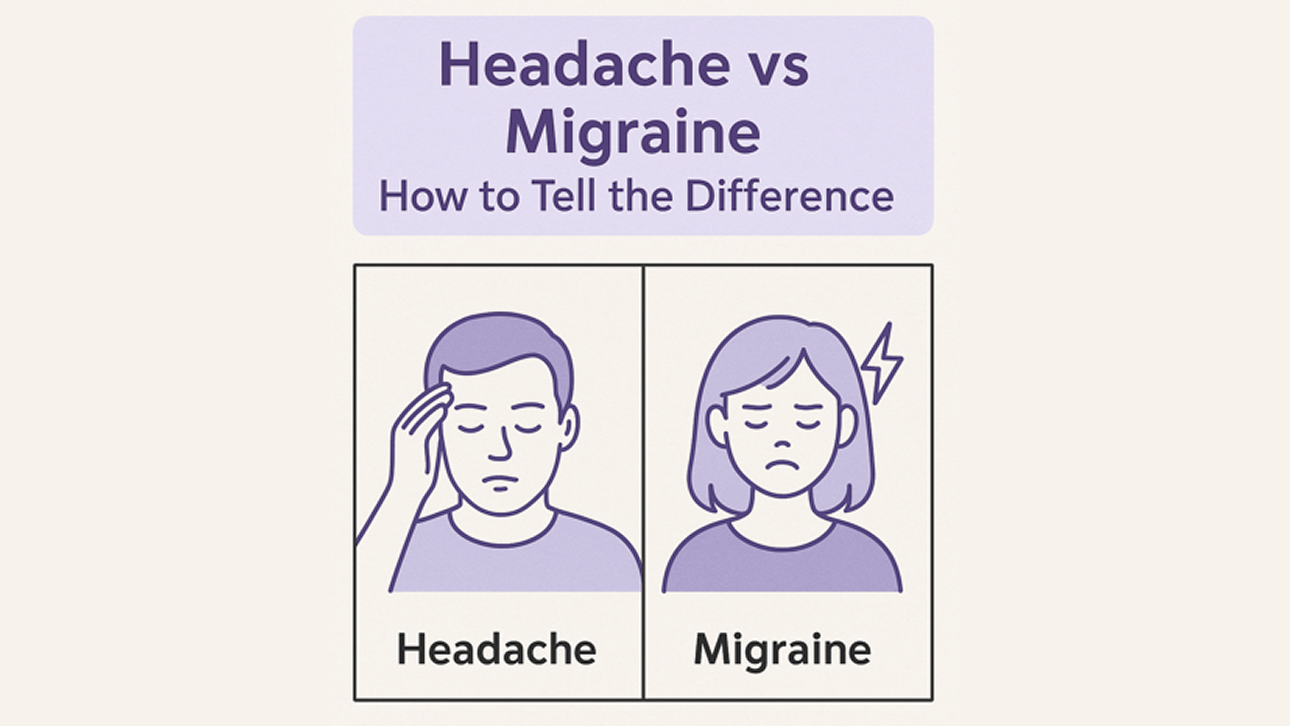
  • Headache vs Migraine: How to Tell the Difference

    Headache vs Migraine: How to Tell the Difference

    Headaches are one of the most common health complaints, but not all headaches are the same. While migraine is a well-known and often disabling neurological disorder, tension-type headache (TTH) and cluster headache also affect millions of people worldwide.

    Distinguishing between these primary headache types is essential because treatment and long-term management differ. Understanding their unique patterns can help you describe your symptoms more clearly and get the right diagnosis.

    Migraine: A Complex Neurological Condition

    Migraine is not “just a bad headache.” It’s a complex neurological condition characterized by recurrent attacks of moderate to severe head pain.

    Typical migraine features include:

    • Location: Usually one-sided, though sometimes both sides are affected.
    • Quality: Throbbing or pulsating pain.
    • Intensity: Moderate to severe, often disrupting daily activities.
    • Duration: 4–72 hours if untreated.
    • Associated symptoms: Nausea, vomiting, and sensitivity to light, sound, or even smells.

    Around 25–30% of people experience migraine aura, temporary neurological symptoms such as visual disturbances or tingling before the pain begins. Many also report prodrome (early warning signs) and postdrome (fatigue or brain fog after the attack).

    Tension-Type Headache: The Everyday Headache

    Tension-type headache (TTH) is the most common primary headache, often described as a “normal” or “stress” headache.

    Common features include:

    • Location: Usually both sides of the head.
    • Quality: Dull, tight, or pressure-like sensation, as if a band is squeezing the head.
    • Intensity: Mild to moderate, rarely severe enough to stop activity.
    • Duration: 30 minutes to several hours, occasionally up to a few days.
    • Associated symptoms: Typically none; mild light or sound sensitivity may occur but not both.

    TTH is often linked to stress, poor posture, or muscle tension, but newer studies in the Journal of Headache and Pain show it also involves complex interactions between muscle and brain pain pathways.

    While TTH is uncomfortable, it usually responds well to simple measures such as stress management, physical activity, proper sleep, and over-the-counter pain relievers.

    Cluster Headache: The “Suicide Headache”

    Cluster headache is the most severe and least common of the three. It affects less than 1% of people, often men between 20 and 40 years old.

    Distinctive features include:

    • Location: Always one-sided, centered around or behind one eye.
    • Quality: Intense, stabbing, or burning pain.
    • Intensity: Excruciating—many describe it as the worst pain imaginable.
    • Duration: 15–180 minutes per attack.
    • Frequency: Up to 8 attacks per day during a “cluster period.”
    • Associated symptoms: Red or watery eyes, nasal congestion, eyelid drooping, and restlessness.

    Cluster headaches occur in bouts (clusters) lasting weeks to months, followed by remission periods. Unlike migraine, they come on suddenly and demand urgent relief. Treatments such as high-flow oxygen and sumatriptan injections can provide rapid relief, while verapamil is often used as a preventive medication.

    Key Differences at a Glance

    FeatureMigraineTension-Type HeadacheCluster Headache
    LocationOften one-sidedBoth sides (band-like)Always one-sided, around one eye
    QualityThrobbing, pulsatingDull, tight, pressurePiercing, stabbing, burning
    IntensityModerate to severeMild to moderateExcruciating
    Duration4–72 hours30 minutes–several hours15–180 minutes
    Associated symptomsNausea, light/sound sensitivityUsually absentEye redness, tearing, nasal symptoms
    FrequencyVariableOften stress-relatedMultiple daily attacks during clusters

    Why Getting the Diagnosis Right Matters

    Each headache type has different treatments and triggers, so an accurate diagnosis can dramatically improve your quality of life.

    • Migraine: Managed with triptans, preventive medications, and lifestyle strategies like trigger avoidance.
    • Tension-type headache: Often responds to simple analgesics, relaxation techniques, and posture correction.
    • Cluster headache: Requires specific therapies like high-flow oxygen, sumatriptan injections, and preventive drugs such as verapamil.

    A misdiagnosis—especially mistaking cluster headaches for sinus or migraine pain—can delay access to life-changing treatments.

    Red Flags That Need Medical Attention

    While most headaches are harmless, certain symptoms can indicate a serious underlying cause. Seek immediate medical care if you experience:

    • A sudden, severe “thunderclap” headache.
    • New headaches after age 50.
    • Progressively worsening headaches.
    • Headaches with fever, neck stiffness, confusion, or seizures.
    • Headaches triggered by coughing, exertion, or sexual activity.

    These could signal conditions such as bleeding, infection, or structural brain problems.

    If you’re unsure about your headache type, a neurologist can provide a detailed assessment and help tailor your treatment plan.

    Practical Tips for Managing Headaches

    • Track your headaches: Keep a diary noting when attacks occur, how long they last, and what symptoms accompany them.
    • Describe symptoms clearly: Note the pain’s location, quality, and associated features when speaking with your doctor.
    • Avoid self-diagnosis: Online information can guide you, but only a qualified healthcare provider can confirm the diagnosis.
    • Seek specialized care: Particularly for cluster headaches, which may require neurologist-led management.

    Takeaway

    Migraine, tension-type headache, and cluster headache each have distinct characteristics that guide diagnosis and treatment.
    While migraine is the most disabling, tension-type headache is the most common, and cluster headache is the most severe.

    By learning to recognize these differences and working closely with your healthcare provider, you can receive the right diagnosis and access treatments that significantly improve your daily life.

    Explore More on Our Site

    If you found this guide helpful, explore these related posts to deepen your understanding of migraine and other headache disorders:

  • Common Triggers of Migraine and How to Identify Them

    Common Triggers of Migraine and How to Identify Them

    For many people living with migraine, attacks can feel random and disruptive. One day may be completely pain-free, and the next, a debilitating migraine hits seemingly out of nowhere. While migraine is a complex neurological disorder, certain factors—called migraine triggers—can increase the likelihood of an attack. Recognizing and managing these triggers is one of the most effective ways to reduce migraine frequency and improve quality of life.

    What Are Migraine Triggers?

    A migraine trigger is anything that increases the likelihood of an attack in someone predisposed to migraine. Triggers don’t cause the condition itself, but they can act like sparks that ignite symptoms in a sensitive brain.

    Not everyone reacts to the same triggers, and even within one person, the same trigger may not always lead to an attack. This is why tracking and pattern recognition are essential parts of migraine management.

    Common Migraine Triggers

    1. Sleep Disturbances

    Both too little and too much sleep can provoke migraine. Many people report attacks after sleeping in on weekends or changing time zones. Irregular sleep schedules, late nights, or night shifts can all destabilize the brain’s internal rhythms, increasing migraine risk. Maintaining consistent sleep patterns is key to prevention.

    2. Stress and Emotional Factors

    Stress is among the most frequently reported migraine triggers. Interestingly, attacks often strike after a stressful period rather than during it—a phenomenon known as the “weekend migraine.” Emotional fluctuations, anxiety, or depression can also heighten susceptibility to migraine.

    Incorporating relaxation techniques such as mindfulness meditation, deep breathing, or cognitive-behavioral therapy (CBT) can help reduce stress-related attacks. Studies published in Headache: The Journal of Head and Face Pain suggest that stress-management interventions significantly improve migraine frequency and severity.
    Read more in Headache Journal

    3. Hormonal Changes

    Fluctuating estrogen levels can strongly influence migraine, especially in women. Attacks commonly occur right before or during menstruation, and some women notice worsening during perimenopause. Tracking symptoms across the menstrual cycle can reveal a menstrual migraine pattern.

    If hormone-related migraine is suspected, discuss short-term preventive treatments or lifestyle adjustments with your doctor. The American Migraine Foundation offers excellent guidance on menstrual migraine management.

    4. Dietary Factors

    Certain foods and drinks can act as triggers, though reactions vary from person to person. Common dietary triggers include:

    • Aged cheeses
    • Processed meats containing nitrates
    • Red wine and other alcohol
    • Chocolate
    • Caffeinated drinks (both overuse and sudden withdrawal)

    Because food triggers are individual, it’s best to identify them through consistent tracking rather than restrictive elimination diets. Overly strict food avoidance can lead to unnecessary stress or nutritional deficiencies.

    5. Environmental Influences

    Bright or flickering lights, loud sounds, and strong smells (like perfume, cleaning products, or cigarette smoke) can all provoke migraine. Weather changes—especially drops in barometric pressure or sudden temperature swings—are also well-known triggers.

    If these factors are unavoidable, using sunglasses, noise-canceling headphones, or fragrance-free environments can help minimize exposure.

    6. Dehydration and Skipped Meals

    Skipping meals or not drinking enough fluids is a classic migraine trigger. Low blood sugar and dehydration can easily destabilize the brain’s energy balance. Aim for regular, balanced meals and drink water throughout the day. Keeping a water bottle and healthy snacks nearby is a simple but effective prevention strategy.

    7. Medication Overuse

    Ironically, some pain-relief medications can become triggers themselves when used too frequently—a condition known as medication overuse headache (MOH). This is especially common with triptans, combination analgesics, or opioids.

    If you’re relying on acute medication more than twice per week, it’s best to discuss preventive options with a healthcare provider to avoid rebound headaches.

    How to Identify Personal Migraine Triggers

    Because migraine triggers vary widely, self-monitoring is the most reliable way to identify them.

    Keep a Migraine Diary

    Document each attack, along with details like sleep, diet, stress level, menstrual cycle, weather, and medication use. Over time, recurring patterns can point to specific triggers.

    Use Migraine Tracking Apps

    Digital tools like Migraine Buddy or N1-Headache make it easier to record attacks and generate reports that help you and your doctor spot connections.

    Look for Consistency

    A true trigger will appear repeatedly before attacks, not just once. For example, if red wine precedes three or more migraine attacks, it’s likely a valid trigger.

    Avoid Over-Restriction

    Avoid cutting out multiple foods or activities at once unless you’re confident they’re consistent triggers. Over-restriction can lead to unnecessary stress and nutritional issues.

    Practical Strategies for Managing Triggers

    • Prioritize sleep hygiene: Keep consistent sleep and wake times, even on weekends. Aim for 7–9 hours of quality rest.
    • Stay hydrated and nourished: Don’t skip meals. Carry water and snacks if you’re on the go.
    • Manage stress: Incorporate daily relaxation practices like yoga, meditation, or gentle exercise.
    • Track hormonal changes: If menstrual migraine is suspected, speak to your doctor about preventive strategies.
    • Use caffeine mindfully: Moderate caffeine intake can be helpful, but avoid large fluctuations or sudden withdrawal.
    • Control environmental exposure: Sunglasses, earplugs, and fragrance-free settings can reduce sensory triggers.

    When to Seek Medical Guidance

    Trigger management is an important part of migraine care, but it should not replace professional evaluation. Talk to your healthcare provider if:

    • Headaches become more frequent or severe
    • Attacks interfere with work, school, or daily life
    • You need pain medication more than twice per week
    • You notice new or unusual neurological symptoms

    A doctor can confirm your diagnosis, rule out other causes, and create a comprehensive treatment plan that may include both preventive and acute medications.

    Takeaway

    Migraine triggers are highly individual and can range from sleep issues and stress to hormonal or dietary changes. Identifying personal triggers takes patience, but the payoff is significant—fewer attacks, greater predictability, and improved daily functioning. With consistent tracking and medical support, you can take control of your migraine journey and live with more confidence and comfort.Disclaimer