
Tag: migraine treatment

  • CGRP Monoclonal Antibodies for Migraine Prevention: Aimovig, Ajovy, Emgality, and Vyepti

    CGRP Monoclonal Antibodies for Migraine Prevention: Aimovig, Ajovy, Emgality, and Vyepti

    One of the most important breakthroughs in modern migraine care has been the development of CGRP monoclonal antibodies (mAbs). These medications are the first treatments created specifically to prevent migraine, rather than being adapted from drugs used for other conditions.

    For people who have struggled with older preventives due to side effects or limited benefit, CGRP monoclonal antibodies offer a highly effective, well-tolerated, and targeted option. For many patients, they represent a turning point in migraine control.

    What Is CGRP and Why Does It Matter in Migraine?

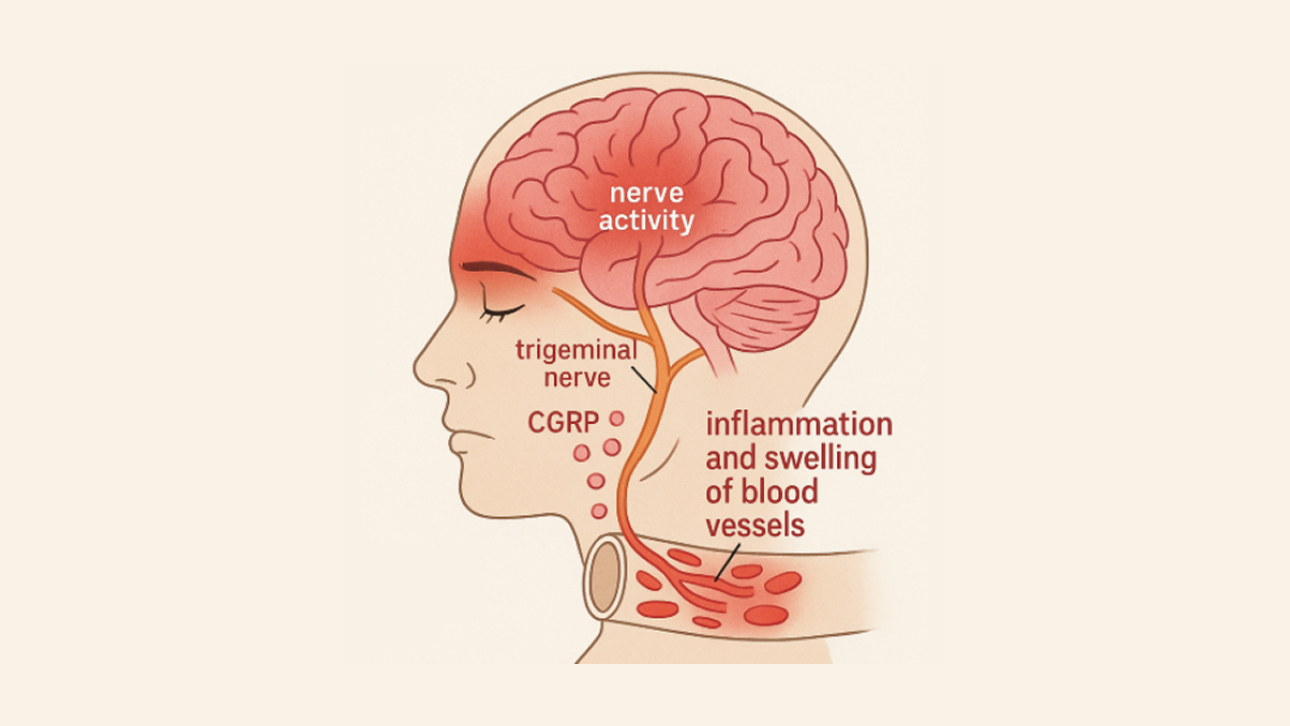
    CGRP stands for calcitonin gene-related peptide, a neuropeptide that plays a central role in migraine biology. During a migraine attack, CGRP is released from nerve endings in the brain and surrounding tissues.

    CGRP contributes to migraine by:

    • Dilating blood vessels in the brain
    • Increasing inflammation around pain-sensitive nerves
    • Amplifying and sustaining pain signals

    By blocking CGRP or its receptor, these medications interrupt the migraine process at a very early stage. This reduces the brain’s sensitivity to triggers and lowers the likelihood that a migraine attack will start.

    The Available CGRP Monoclonal Antibodies

    There are currently four CGRP monoclonal antibodies approved for migraine prevention.

    • Aimovig (erenumab): Blocks the CGRP receptor
    • Ajovy (fremanezumab): Binds directly to the CGRP molecule
    • Emgality (galcanezumab): Binds directly to the CGRP molecule
    • Vyepti (eptinezumab): Binds CGRP and is given intravenously every three months

    All four are highly specific. They act almost exclusively on the migraine pathway, which explains their favorable side-effect profile compared with many older preventive medications.

    Evidence for Effectiveness

    Clinical trials and real-world studies consistently show strong benefits from CGRP monoclonal antibodies.

    Key findings include:

    • An average reduction of 4–8 monthly migraine days
    • About 50% of patients achieve at least a 50% reduction in migraine frequency
    • A subset of patients experience near-complete remission
    • Benefits often begin within the first month, with continued improvement over time

    Importantly, these results are seen in both episodic and chronic migraine, including patients who have failed multiple traditional preventive therapies.

    How CGRP Monoclonal Antibodies Are Given

    The method and frequency of dosing varies slightly between medications.

    • Aimovig, Ajovy, and Emgality are given as subcutaneous injections
      • Usually once monthly
      • Ajovy also offers a quarterly dosing option
    • Vyepti is given as an intravenous infusion every three months, administered in a clinic

    Most patients who use injections are able to self-administer at home after brief training, using prefilled pens or syringes.

    Side Effects and Safety

    CGRP monoclonal antibodies are generally very well tolerated. The most commonly reported side effects include:

    • Injection site reactions such as redness, swelling, or itching
    • Constipation, particularly with erenumab (Aimovig)
    • Rare allergic reactions

    Unlike many older migraine preventives, CGRP mAbs:

    • Do not cause sedation
    • Do not cause weight gain
    • Do not cause cognitive or memory problems

    They are also considered safe for most patients with cardiovascular disease, as they do not constrict blood vessels. Long-term safety data is reassuring, with many patients using these treatments for years without significant issues.

    Who Should Consider CGRP Monoclonal Antibodies?

    CGRP monoclonal antibodies may be especially helpful for:

    • People with frequent or chronic migraine
    • Patients who have tried and failed two or more traditional preventive medications
    • Those who cannot tolerate side effects from oral preventives
    • Patients who prefer once-monthly or quarterly dosing over daily pills

    Many insurance plans require documentation of prior preventive failures before approving coverage.

    Access and Coverage in Canada

    Cost remains one of the main barriers to CGRP monoclonal antibodies. These medications can cost hundreds of dollars per month without coverage.

    In Canada:

    • Most private insurance plans cover CGRP mAbs with prior authorization
    • Some provincial programs provide coverage for patients who meet strict criteria, such as chronic migraine and multiple preventive failures
    • Manufacturer patient support programs often assist with coverage navigation, training, and co-pay support

    Working closely with a healthcare provider helps streamline the approval process.

    Practical Tips for Patients Using CGRP Monoclonal Antibodies

    • Expect gradual improvement: Some benefit may appear quickly, but give treatment 3–6 months before judging success
    • Track headache days: Headache diaries help document response and support insurance renewals
    • Store properly: Most injections require refrigeration, with limited room-temperature allowance before use
    • Rotate injection sites to reduce irritation
    • Maintain follow-up appointments to reassess dosing, effectiveness, and access

    Lifestyle measures such as regular sleep, hydration, and stress management continue to support medication effectiveness.

    Take-Home Message

    CGRP monoclonal antibodies represent a major advance in migraine prevention. By directly targeting the biology of migraine, they provide effective, well-tolerated, and convenient options for people who have struggled with traditional therapies.

    Although cost and access can be challenges, for eligible patients these treatments can be life-changing—reducing migraine frequency, improving daily function, and restoring a sense of control over life with migraine.

  • Antidepressants (Amitriptyline and Venlafaxine) in Migraine Prevention

    Antidepressants (Amitriptyline and Venlafaxine) in Migraine Prevention

    Some medications originally developed to treat depression and anxiety also play an important role in migraine prevention. Two of the most studied options are amitriptyline, a tricyclic antidepressant, and venlafaxine, a serotonin–norepinephrine reuptake inhibitor (SNRI).

    Although these medications can improve mood and anxiety, their benefit in migraine is independent of their antidepressant effects. Many people without depression still respond well. For others, they offer a valuable dual benefit: fewer migraine attacks and better sleep or emotional stability.

    Why Antidepressants Work for Migraine

    Migraine is a disorder of brain pain regulation, not just blood vessels. Antidepressants act on several systems central to migraine biology.

    Serotonin and Norepinephrine Modulation

    Both serotonin and norepinephrine help regulate pain transmission in the brainstem. Dysregulation of these neurotransmitters is strongly linked to migraine susceptibility. Amitriptyline and venlafaxine help restore balance in these pathways.

    Dampening Pain Pathways

    By altering central pain-processing circuits, antidepressants reduce how strongly the brain responds to migraine triggers. This lowers overall attack frequency and intensity.

    Improving Sleep Quality

    Poor sleep is one of the most common migraine triggers. Amitriptyline, in particular, improves sleep depth and continuity, which can significantly improve migraine control.

    Calming an Overexcitable Brain

    Migraine brains are often hyperresponsive. Antidepressants reduce this baseline excitability, making attacks less likely to start.

    Because of these effects, antidepressants can be effective even in people without depression or anxiety.

    Amitriptyline for Migraine Prevention

    Amitriptyline is one of the oldest and most studied migraine preventive medications.

    Evidence

    Clinical trials and long-term experience show that amitriptyline:

    • Reduces migraine frequency, particularly in people with frequent attacks
    • Is especially helpful in patients with insomnia, tension-type headache, or depression
    • Achieves a 50% or greater reduction in migraine days in about 40–50% of patients

    Its effectiveness is supported by research published in journals such as Headache: The Journal of Head and Face Pain and Neurology.

    How It’s Taken

    • Usually started at 10–25 mg at night
    • Increased gradually as tolerated
    • Typical effective dose: 25–75 mg nightly

    Because it is sedating, amitriptyline is taken in the evening. Benefits develop gradually over several weeks.

    Side Effects

    Common side effects include:

    • Drowsiness
    • Dry mouth
    • Constipation
    • Weight gain

    Less common but important:

    • Heart rhythm changes, especially in older adults or at higher doses

    Many people appreciate the sleep benefits, but some feel groggy in the morning. Dose timing and slow titration can help.

    Venlafaxine for Migraine Prevention

    Venlafaxine is an SNRI that works on both serotonin and norepinephrine, similar to amitriptyline but with a different side effect profile.

    Evidence

    Studies suggest venlafaxine is effective for migraine prevention, particularly at doses also used for anxiety or depression. It may be especially helpful for patients with generalized anxiety disorder or stress-triggered migraine.

    Research supporting its use has appeared in journals such as Cephalalgia.

    How It’s Taken

    • Typically prescribed as 37.5–75 mg once daily (extended-release form)
    • Can be increased if needed, though higher doses do not always improve migraine benefit

    Consistent daily dosing is important.

    Side Effects

    Common side effects include:

    • Nausea
    • Jitteriness
    • Sweating
    • Insomnia

    Venlafaxine can cause withdrawal symptoms if doses are missed, so adherence matters. At higher doses, it may raise blood pressure, requiring periodic monitoring.

    Choosing Between Amitriptyline and Venlafaxine

    The choice often depends on individual symptoms and tolerability.

    • Amitriptyline may be preferred if insomnia, tension-type headache, or nighttime anxiety is prominent
    • Venlafaxine may be a better option for patients with daytime fatigue or significant anxiety
    • Both medications are generic, affordable, and widely available

    Neither option is universally better—the best choice is highly individualized.

    Who Should Avoid These Medications?

    These drugs are not appropriate for everyone.

    • Amitriptyline may not be ideal for people with obesity, known heart rhythm problems, or sensitivity to sedating medications
    • Venlafaxine should be used cautiously in patients with uncontrolled high blood pressure or a history of severe antidepressant withdrawal
    • Both medications are generally avoided during pregnancy unless benefits clearly outweigh risks, as safety data is limited

    Always discuss personal risks with a healthcare provider.

    Practical Tips for Patients

    • Start low and go slow to minimize side effects
    • Be patient—benefits often take 6–8 weeks
    • Take consistently, especially with venlafaxine
    • Track migraine days to assess effectiveness
    • Report side effects early, as dose adjustments often help

    Lifestyle measures such as regular sleep, stress management, and hydration enhance preventive treatment success.

    Take-Home Message

    Amitriptyline and venlafaxine are effective, affordable options for migraine prevention. By modulating serotonin and norepinephrine, they reduce migraine frequency and stabilize brain pain pathways.

    For people with migraine plus depression, anxiety, or sleep problems, these medications may provide meaningful additional benefits. While side effects are common, many patients tolerate them well with gradual dose increases and consistent use.

  • Candesartan and Other Blood Pressure Medications for Migraine Prevention

    Candesartan and Other Blood Pressure Medications for Migraine Prevention

    Some medications designed to treat high blood pressure have an unexpected second role: preventing migraine. Among them, candesartan has emerged as one of the most effective and best-tolerated options available today.

    For people who do not respond to—or cannot tolerate—traditional migraine preventives, blood pressure medications can offer a valuable alternative. This article explains why these drugs work, how candesartan compares to other options, and who may benefit most.

    Why Blood Pressure Medications Help Prevent Migraine

    Although these drugs were originally developed for cardiovascular disease, their benefits in migraine go far beyond lowering blood pressure. Research suggests several overlapping mechanisms.

    Stabilizing Blood Vessels

    Migraine involves abnormal dilation and constriction of blood vessels in the brain. Blood pressure medications help keep these vessels more stable, reducing one of the key drivers of migraine pain.

    Modulating Brain Signaling

    These medications influence migraine-related pathways involving serotonin, nitric oxide, and calcitonin gene-related peptide (CGRP). These systems are deeply involved in migraine initiation and progression.

    Reducing Neuronal Excitability

    Migraine brains are often described as “hyper-responsive.” Blood pressure medications appear to calm this heightened reactivity, making the brain less sensitive to triggers like stress, poor sleep, or hormonal changes.

    Importantly, these effects occur even in people with normal blood pressure, which is why these drugs are widely used off-label for migraine prevention.

    Candesartan: The Leading ARB for Migraine

    Among blood pressure medications, candesartan, an angiotensin receptor blocker (ARB), has the strongest evidence for migraine prevention.

    Evidence for Effectiveness

    Randomized controlled trials show that candesartan:

    • Reduces migraine frequency by about 2–3 days per month compared with placebo
    • Helps 40–50% of patients achieve at least a 50% reduction in monthly migraine days
    • Performs similarly to propranolol, a long-standing first-line migraine preventive, in head-to-head studies

    These findings have been supported in research published in leading journals such as The Lancet and Cephalalgia.

    Learn more about migraine preventive research:
    https://www.thelancet.com
    https://journals.sagepub.com/home/cep

    Typical Dosing

    Candesartan is taken daily, not during migraine attacks.

    • Starting dose: 8 mg once daily
    • Typical target dose: 16–32 mg once daily, depending on response and tolerance

    Benefits are gradual. Most people need 6–8 weeks at a stable dose to judge effectiveness.

    Side Effects and Safety

    Candesartan is generally well tolerated. Possible side effects include:

    • Mild dizziness or lightheadedness (especially when starting)
    • Fatigue
    • Rarely, elevated potassium levels or changes in kidney function

    Because of this, clinicians usually recommend periodic blood pressure checks and blood tests, especially in older adults or those with kidney disease.

    Other Blood Pressure Medications Used for Migraine

    ACE Inhibitors

    Lisinopril is the most studied ACE inhibitor for migraine prevention. Clinical trials show it can reduce migraine frequency by about two days per month.

    Possible side effects include cough, dizziness, and rare but serious angioedema (swelling of the lips or tongue).

    Calcium Channel Blockers

    Verapamil is more established for cluster headache, but its role in migraine prevention is mixed. It may be considered in selected patients, especially those with heart rhythm issues or coexisting hypertension.

    Other ARBs and ACE Inhibitors

    While other medications in these classes may help some individuals, candesartan remains the best-studied and most consistently effective option for migraine prevention.

    Additional guideline resources:
    https://www.neurology.org
    https://headachejournal.onlinelibrary.wiley.com

    Who Benefits Most From Blood Pressure Medications?

    Blood pressure medications for migraine prevention may be especially helpful for:

    • People with both migraine and hypertension, treating two conditions with one medication
    • Those who cannot tolerate other preventives like topiramate or beta-blockers
    • Patients seeking a once-daily, well-tolerated option with a low cognitive side-effect burden

    When These Medications Should Be Avoided

    Blood pressure medications are not appropriate for everyone.

    They should generally be avoided in:

    • Pregnancy, due to a known risk of birth defects
    • Certain kidney conditions, where function may worsen
    • Very low baseline blood pressure, which increases the risk of fainting

    Always discuss personal risks and benefits with a healthcare professional before starting treatment.

    Practical Tips for Using Candesartan for Migraine

    • Monitor blood pressure, even if prescribed only for migraine
    • Stay hydrated, especially during illness or hot weather
    • Be patient—preventive benefits take time
    • Report unusual symptoms such as swelling, severe dizziness, or reduced urination
    • Combine medication with lifestyle strategies like regular sleep, stress management, and balanced nutrition

    Take-Home Message

    Candesartan and other blood pressure medications offer a proven, well-tolerated option for migraine prevention. Among them, candesartan stands out for its strong evidence and effectiveness comparable to traditional first-line therapies.

    For people with hypertension—or those who struggle with side effects from other preventives—candesartan can significantly reduce migraine frequency and improve quality of life when used consistently and with appropriate monitoring.

  • Beta-Blockers (Propranolol & Metoprolol) for Migraine Prevention: A Complete Guide

    Beta-Blockers (Propranolol & Metoprolol) for Migraine Prevention: A Complete Guide

    Beta-blockers are some of the most reliable and time-tested tools we have for migraine prevention. Although they were originally developed to treat high blood pressure and heart conditions, certain beta-blockers—especially propranolol and metoprolol—have decades of strong clinical evidence supporting their use in reducing migraine frequency and severity. For many people, they remain a trusted first-line preventive option.

    In this guide, we’ll break down how beta-blockers work, who benefits most, how they’re taken, and what to expect along the way.

    How Beta-Blockers Work for Migraine Prevention

    The exact way beta-blockers help prevent migraine isn’t fully understood, and researchers are still piecing together the full picture. What we do know is that their migraine benefits extend far beyond simply lowering blood pressure.

    Here are the leading theories:

    1. Stabilizing Blood Vessels

    Beta-blockers may help prevent abnormal dilation of blood vessels in the brain—a common contributor to migraine pain.

    2. Modulating Brain Neurotransmitters

    They may reduce excitatory signals in the brain, helping calm the neural pathways that become overactive during attacks.

    3. Dampening Stress Responses

    By lowering activity in the sympathetic nervous system, beta-blockers may reduce vulnerability to attacks triggered by stress or overstimulation.

    4. Improving Brain Excitability Control

    Research discussed in journals like Headache suggests that beta-blockers may support more stable neuronal firing, making the brain less prone to migraine “storms” and sensory overload.

    Which Beta-Blockers Are Used for Migraine?

    Not all beta-blockers work equally well for migraine prevention. The two with the strongest evidence—and the ones most often recommended in clinical guidelines—are:

    • Propranolol (Inderal)
      A long-standing top choice with decades of high-quality research behind it.
    • Metoprolol (Lopressor, Toprol-XL)
      Another well-studied and widely prescribed option, especially in extended-release form.

    Other beta-blockers sometimes used include:

    • Nadolol
    • Timolol
    • Atenolol
    • Bisoprolol

    While these may help some patients, their evidence base is not as strong as propranolol and metoprolol.

    If you’re unsure which option is best for you, your doctor will typically choose based on your health history, side-effect profile, and any coexisting conditions like high blood pressure or anxiety.

    What the Research Shows

    Studies published in Cephalalgia and other leading neurology journals show consistent benefits:

    • Propranolol and metoprolol typically reduce migraine attacks by about 2–3 per month compared to placebo.
    • Around 50–60% of patients achieve at least a 50% reduction in migraine frequency.
    • Benefits generally build over 6–8 weeks and continue improving with steady use.

    Because of these results, guideline groups frequently rank propranolol and metoprolol among the most evidence-backed preventive medications.

    How Beta-Blockers Are Taken

    Although every treatment plan is individualized, here’s what typical dosing looks like:

    Propranolol

    • Often started at 20–40 mg twice daily
    • Can be slowly increased
    • Some people require up to 160–240 mg per day
    • Available in long-acting formulations for once-daily use

    Metoprolol

    • Usually started at 50 mg daily
    • Dose increased gradually if needed
    • Extended-release forms can improve convenience and reduce side effects

    Beta-blockers must be taken daily, not just during attacks. Their effect builds gradually as they help stabilize brain and vascular activity over time.

    Possible Side Effects

    Beta-blockers are generally well tolerated, but some people may notice:

    • Fatigue or reduced exercise tolerance
    • Cold hands or feet
    • Lightheadedness
    • Sleep disturbances or vivid dreams (more common with propranolol)
    • Sexual side effects in some men

    Most side effects improve as your body adjusts or with a dose change. Always discuss new or uncomfortable symptoms with your clinician.

    Who Should Avoid Beta-Blockers?

    Some people should avoid or use beta-blockers cautiously, including those with:

    • Asthma or severe lung disease
    • Very low blood pressure
    • Slow heart rate
    • Certain heart rhythm problems
    • Severe depressive symptoms (evidence is mixed but often discussed clinically)

    If you have any of these conditions, your clinician will help determine whether a different migraine preventive might be safer.

    Special Considerations

    Exercise & Athletes

    Beta-blockers may blunt your heart rate response to exercise, making workouts feel harder.

    Pregnancy

    Propranolol is sometimes used during pregnancy, but risks and benefits must be reviewed carefully with an obstetric clinician.

    Other Conditions

    If you have hypertension, tremor, or anxiety, beta-blockers can offer additional benefits beyond migraine control.

    Practical Tips for Getting Started

    Here’s what helps most people succeed with beta-blocker prevention:

    • Start low and go slow to minimize side effects.
    • Track your progress with a simple migraine diary or app.
    • Allow 6–8 weeks to see meaningful improvement.
    • Never stop suddenly—tapering is important to avoid rebound symptoms.
    • Discuss your full medical picture with your clinician, especially if you have anxiety or high blood pressure.

    Takeaway

    Propranolol and metoprolol remain two of the most trusted, well-researched options for migraine prevention. They can significantly reduce attack frequency, improve daily functioning, and provide long-term stability for many people living with migraine. While they’re not suitable for everyone—especially those with asthma or certain heart conditions—they offer an affordable and effective starting place for many patients.

  • When to Consider Preventive Therapy for Migraine

    When to Consider Preventive Therapy for Migraine

    For many people living with migraine, acute medications like NSAIDs, triptans, or gepants work well enough to manage occasional attacks. But when migraines start happening more often—or become so disabling that treating attacks one by one no longer feels sustainable—it may be time to consider a different approach. This is where preventive therapy for migraine comes in.

    Preventive treatments help reduce how often migraine strikes, how severe attacks feel, and how much they interrupt daily life. Knowing when to shift from “treating as needed” to “preventing regularly” can be a turning point in long-term migraine control.

    What Is Preventive Therapy?

    Preventive therapy involves taking medications or using treatments on a regular schedule—not just during an attack—to reduce the overall burden of migraine. These therapies help by:

    • Lowering the total number of headache days per month
    • Reducing the severity of individual attacks
    • Making acute medications more effective
    • Improving daily functioning and quality of life

    Preventives don’t stop a migraine once it begins. Instead, they gradually change the brain’s baseline state, making attacks less frequent and less disruptive over time.

    When to Consider Preventive Therapy for Migraine

    Guidelines and clinical experience point to several situations when preventive therapy becomes a smart, proactive choice.

    1. High Attack Frequency

    You may benefit from prevention if you experience:

    • More than 4–5 migraine days per month
    • Chronic migraine (15 or more headache days per month, with at least 8 that meet migraine criteria)

    Frequent attacks often lead to reduced productivity, missed events, emotional stress, and increased risk of medication overuse.

    2. Severe Disability

    Even if migraine attacks are infrequent, prevention may be appropriate when:

    • Migraine significantly disrupts work, school, parenting, or social activities
    • Recovery time after each attack is long or unpredictable

    A single disabling migraine can have consequences that ripple through an entire week.

    3. Poor Response to Acute Medications

    Consider prevention if:

    • Your acute medications don’t work consistently
    • Side effects limit what you can take
    • Attacks escalate too quickly to treat effectively

    Preventive therapy can help stabilize your migraine pattern so acute medications work better when you need them.

    4. Medication Overuse or Risk of Overuse

    Using acute medications too frequently—especially for several months—can lead to medication overuse headache. Prevention lowers the need for frequent acute dosing and reduces the risk of this cycle developing.

    5. Patient Preference

    Some people with fewer migraine days still choose preventive therapy because:

    • Their attacks are highly disabling
    • Migraine triggers are unpredictable
    • They prefer a stable, long-term strategy over frequent medication use

    Personal goals matter just as much as clinical thresholds.

    Types of Preventive Migraine Treatments

    There is no single “best” preventive therapy—options are flexible and can be tailored to your needs, medical history, and preferences.

    Oral Medications

    Common first-line preventives include:

    • Antiepileptics: topiramate
    • Beta-blockers: propranolol, metoprolol
    • Antidepressants: amitriptyline, venlafaxine
    • Blood pressure medications: candesartan

    These are widely available and often effective, though they may require dose adjustments over time.

    Injectable Preventive Therapies

    • CGRP monoclonal antibodies (erenumab, fremanezumab, galcanezumab, eptinezumab)
    • Botox (onabotulinumtoxinA) for chronic migraine

    These options are designed specifically for migraine or chronic headache disorders and are often well tolerated.

    Nutraceuticals

    • Magnesium
    • Riboflavin (vitamin B2)
    • Coenzyme Q10

    These are commonly used as part of a layered prevention plan.

    Non-Medication Options

    • Neuromodulation devices
    • Behavioral therapies such as CBT
    • Lifestyle changes like improved sleep, consistent meals, exercise, and stress reduction

    How Effective Are Preventives?

    Preventive therapies don’t eliminate migraine entirely, but they can significantly reduce its impact.

    • Topiramate often lowers monthly headache days by 2–3.
    • Beta-blockers help improve migraine frequency in roughly 60% of patients.
    • CGRP monoclonal antibodies can reduce monthly migraine days by 4–8 or more in clinical trials.

    Around half of patients experience a 50% or greater reduction in migraine frequency with a well-matched preventive.

    How Long Do Preventives Take to Work?

    Preventive therapy requires patience. Most treatments take:

    • 6–12 weeks to start showing benefits
    • At least 3 months for a full assessment of effectiveness

    Some medications need gradual dose increases to minimize side effects, which can also extend the timeline before benefits are fully felt.

    Balancing Risks and Benefits

    Every preventive medication comes with potential side effects:

    • Topiramate: tingling, cognitive slowing, weight loss
    • Beta-blockers: fatigue, low heart rate, dizziness
    • Antidepressants: sedation, dry mouth, weight changes
    • CGRP antibodies: constipation, injection site reactions
    • Botox: neck pain, temporary muscle weakness

    The key is finding a preventive that provides meaningful improvement with manageable side effects.

    Practical Steps for Patients Considering Prevention

    • Track your attacks: Record frequency, duration, severity, and triggers.
    • Discuss disability openly: Explain how migraine affects your daily life.
    • Explore your options: Ask about oral medications, injectables, and non-drug therapies.
    • Give each treatment a fair trial: Don’t judge effectiveness too early.
    • Combine with lifestyle support: Good sleep, hydration, stress management, and regular movement can enhance results.

    Take-Home Message

    Preventive therapy for migraine becomes an important option when attacks are frequent, disabling, difficult to treat, or leading to medication overuse. With choices ranging from oral medications and injectables to nutraceuticals and neuromodulation, most people can find a preventive that fits their needs. With the right plan—and a little patience—prevention can transform migraine from a constant burden into a more manageable, predictable part of life.

  • Preventing Medication Overuse Headache During Acute Migraine Treatment

    Preventing Medication Overuse Headache During Acute Migraine Treatment

    Medication overuse headache (MOH) is one of the most frustrating challenges for people living with migraine. Acute treatments are essential for stopping an attack quickly—but when they’re used too often, they can make headaches more frequent and more stubborn. The good news? With the right strategies, MOH is almost always preventable.

    In this guide, you’ll learn what medication overuse headache is, why it happens, which medications carry the greatest risk, and how to keep your acute treatment plan safe and effective long-term.

    What Is Medication Overuse Headache?

    Medication overuse headache—sometimes called rebound headache—develops when frequent use of acute migraine medications begins to fuel a cycle of worsening headaches. Instead of breaking the migraine pattern, the medications start to sustain it.

    According to internationally accepted diagnostic criteria, MOH involves:

    • Headache occurring 15 or more days per month in someone with a pre-existing headache disorder
    • Regular overuse of acute medications for more than 3 months
    • Headache symptoms not better explained by another condition

    While MOH can feel discouraging, understanding why it happens is the first step to breaking the cycle.

    Which Medications Carry a Risk?

    Not all acute migraine treatments pose the same risk for MOH. Knowing where your medications fall can help you make informed choices.

    High Risk

    • Combination analgesics (especially those containing caffeine, opioids, or barbiturates)
    • Opioids of any kind

    These medications can trigger MOH quickly and should be used sparingly in migraine treatment.

    Moderate Risk

    • Triptans
    • NSAIDs
    • Acetaminophen

    These are frontline acute therapies for many migraineurs, but they should still be taken within safe monthly limits.

    No Known MOH Risk

    • Gepants: rimegepant, ubrogepant
    • Ditans: lasmiditan

    Clinical studies show gepants do not cause medication overuse headache, making them a valuable option for people who experience frequent attacks or are prone to MOH.

    For more on the science behind acute migraine treatments, see the American Migraine Foundation’s overview.

    Why Does Medication Overuse Headache Develop?

    Researchers are still learning the exact biology behind MOH, but several key mechanisms are believed to play a role:

    Brain Adaptation

    Frequent exposure to certain pain medications can change how pain pathways work, lowering the threshold for headache.

    Central Sensitization

    The nervous system becomes “extra sensitive,” reacting strongly even to normal stimuli.

    Withdrawal–Rebound Cycles

    When the body becomes accustomed to regular dosing, missing a dose may trigger worsening symptoms, strengthening the overuse cycle.

    Over time, these changes can make headaches more common, harder to treat, and difficult to distinguish from a person’s usual migraine attacks.

    For clinical context, you can review diagnostic insights in Headache: The Journal of Head and Face Pain.

    How to Prevent Medication Overuse Headache

    Preventing MOH doesn’t require giving up effective acute treatments. It simply means using them in a way that supports long-term migraine control.

    1. Track Medication Frequency

    Using a headache diary or mobile app opens your eyes to patterns you might miss. Tracking helps you stay aware of how often you’re using acute medications each month.

    2. Follow the “10–15 Rule”

    Most acute medications should be limited to:

    • 10 days per month for triptans, combination analgesics, and opioids
    • 10–15 days per month for NSAIDs or acetaminophen

    Going beyond these thresholds—especially for several months—significantly increases MOH risk.

    3. Add Preventive Therapy When Needed

    If you need acute medication more than 8–10 times per month, preventive treatment is worth discussing with your doctor. Options may include:

    • CGRP monoclonal antibodies
    • Topiramate
    • Beta-blockers

    Preventive medications reduce attack frequency, which naturally reduces acute medication use.

    4. Avoid Treating Every Mild Headache

    Not all headaches require a triptan or strong NSAID. Learning to differentiate between tension-type headaches and true migraine attacks helps protect against overuse.

    5. Create a Rescue Plan With Your Doctor

    A well-designed rescue plan prevents repeat dosing and unnecessary medication use. It may include:

    • A back-up medication
    • A different route of administration (such as nasal or injectable)
    • An anti-nausea medication to support absorption
    • A “rescue only” treatment option for severe attacks

    What If Medication Overuse Headache Has Already Developed?

    If MOH is suspected, the most important step is to reduce or stop the overused medication—but this must be supervised by a healthcare provider. Withdrawal can temporarily worsen headaches and cause nausea, anxiety, or irritability.

    Treatment during withdrawal may include:

    • Bridge therapies such as brief steroid tapers, nerve blocks, or infusions
    • Starting or optimizing a preventive medication
    • Education, reassurance, and follow-up support

    Most people improve within weeks as the brain recalibrates and settles into a more stable pattern.

    Practical Tips for Patients

    • Keep count: Track each dose of acute medication.
    • Set limits: Discuss safe monthly thresholds with your doctor.
    • Plan for difficult months: Hormonal changes or seasonal triggers may require extra preventive support.
    • Ask about gepants: These newer medications are effective for acute treatment without the risk of MOH.
    • Don’t self-manage withdrawal: Always involve a healthcare professional if overuse is suspected.

    Take-Home Message

    Acute migraine medications are powerful tools—but like any tool, they work best when used wisely. Medication overuse headache is completely preventable with mindful tracking, safe monthly limits, smart treatment planning, and the right preventive therapy when needed.

    By staying informed and working closely with your migraine care team, you can enjoy fast relief today without sacrificing long-term control tomorrow.

  • NSAIDs and Combination Pain Relievers in Migraine Care

    NSAIDs and Combination Pain Relievers in Migraine Care

    When a migraine attack hits, most people reach first for whatever pain reliever they have on hand. For many, that means NSAIDs for migraine—medications like ibuprofen or naproxen—or combination pain relievers that pair multiple ingredients for stronger relief. While they’re not as targeted as triptans or some of the newer migraine-specific medications, NSAIDs remain one of the most accessible and effective tools for treating mild to moderate attacks.

    Understanding how NSAIDs work, which options are most effective, and how to use them safely can help you get better relief while minimizing risks.

    What Are NSAIDs?

    NSAIDs, or non-steroidal anti-inflammatory drugs, reduce pain and inflammation by blocking COX-1 and COX-2 enzymes. These enzymes make prostaglandins—chemical messengers responsible for inflammation, pain, and sensitivity. By lowering prostaglandin levels, NSAIDs help calm the inflammatory cascade that contributes to migraine.

    Common NSAIDs used in migraine care include:

    • Ibuprofen (Advil, Motrin)
    • Naproxen (Aleve, Naprosyn)
    • Diclofenac (Voltaren, Cambia) — Cambia, a diclofenac powder, is absorbed more quickly than standard tablets
    • Ketorolac (Toradol) — usually administered in clinics or hospitals for severe attacks

    While NSAIDs are often available over the counter, they are pharmacologically powerful and should be used strategically for best results.

    How Effective Are NSAIDs for Migraine?

    NSAIDs are especially effective for mild to moderate attacks, and even for some severe ones when taken early. Research published in Cephalalgia and Headache: The Journal of Head and Face Pain shows that:

    • Ibuprofen and naproxen can significantly reduce headache pain within 2 hours
    • Diclofenac powder often works faster due to rapid absorption
    • Caffeine combinations can enhance absorption and improve outcomes

    However, for more intense or rapidly escalating attacks, migraine-specific drugs—like triptans or gepants—may be necessary.

    Combination Pain Relievers

    Combination pain relievers blend ingredients to improve pain control. Common examples include:

    • Acetaminophen + aspirin + caffeine (Excedrin Migraine)
    • Ibuprofen + caffeine in certain over-the-counter formulations

    These combinations can outperform single-ingredient options because caffeine increases both absorption and pain-relieving activity. While effective, these medications must be used carefully: frequent use can raise the risk of medication overuse headache.

    Practical Use: How to Take NSAIDs for Migraine

    Using NSAIDs correctly can greatly improve their effectiveness. Here are key best practices:

    Take them early

    NSAIDs work best when taken within the first hour of symptoms. Delaying treatment often reduces their impact.

    Use the right dose

    Underdosing is a common reason patients feel NSAIDs “don’t work.” Typical migraine-relieving doses include:

    • Ibuprofen: 400–600 mg
    • Naproxen: 500–550 mg

    Always follow medical advice and product instructions for safe dosing.

    Consider fast-acting formulations

    Diclofenac powder, liquid gels, or effervescent forms absorb faster than standard tablets.

    Avoid excessive use

    Using NSAIDs more than 14–15 days per month increases the risk of rebound headaches.

    Side Effects and Risks

    Although NSAIDs are widely used, they are not risk-free. Possible side effects include:

    Gastrointestinal effects

    Heartburn, stomach irritation, gastritis, and ulcers can occur—particularly with long-term use or higher doses. Taking NSAIDs with food or using a proton pump inhibitor can reduce this risk.

    Kidney effects

    NSAIDs may affect kidney function, especially in people with kidney disease, dehydration, or older age.

    Cardiovascular concerns

    Long-term or high-dose NSAID use can increase the risk of heart attack or stroke. Occasional use for migraine is generally safe, but people with cardiovascular risk factors should consult their doctor.

    Allergic reactions

    Rarely, NSAIDs can cause allergic reactions, particularly in people with asthma or aspirin sensitivity.

    If you have a history of ulcers, gastrointestinal bleeding, kidney disease, or heart conditions, talk to your healthcare provider before using NSAIDs regularly.

    When NSAIDs Are Most Useful

    NSAIDs for migraine are particularly helpful in:

    • Early, mild to moderate attacks
    • Menstrual migraine, where naproxen used preventively during the menstrual window may reduce attacks
    • Patients who cannot use triptans due to contraindications or side effects

    Treatment guidelines often recommend NSAIDs as first-line therapy before moving to triptans or newer medications.

    Access and Affordability

    NSAIDs are one of the most accessible migraine treatments:

    • Most NSAIDs are over the counter and affordable
    • Diclofenac powder and ketorolac may require a prescription
    • Insurance coverage varies but is generally not a barrier for basic NSAIDs

    These factors make NSAIDs a practical starting point for many people managing migraine.

    Practical Advice for Patients

    To get the most from NSAIDs:

    • Act quickly: Take them at the earliest sign of pain
    • Track your usage: Use a migraine diary to avoid medication overuse headaches
    • Report side effects: Especially stomach pain, dark stools, or signs of bleeding
    • Be cautious with combinations: NSAIDs can be combined with triptans under medical guidance

    Used appropriately, NSAIDs remain one of the most reliable, accessible tools for acute migraine care.

    Take-Home Message

    NSAIDs and combination pain relievers are essential options in migraine management. They’re inexpensive, widely available, and highly effective for many people—especially when taken early and at the right dose. While not a replacement for migraine-specific medications, they play a key role in a comprehensive treatment plan. With the right approach and awareness of risks, NSAIDs can help patients regain control during migraine attacks.DisclaimerThis article is for informational purposes only and does not constitute medical advice. Always consult a licensed healthcare provider before starting or adjusting any migraine treatment

  • Triptans: When and How They Are Used for Migraine

    Triptans: When and How They Are Used for Migraine

    For many people living with migraine, over-the-counter pain relievers like acetaminophen or ibuprofen just don’t cut it. When an attack hits hard or keeps coming back, a stronger and more targeted option is often needed. That’s where triptans for migraine come in.

    Triptans have been a core part of acute migraine treatment since the 1990s. They’re still one of the most effective choices today—especially when taken at the right time and in the right form. Understanding how triptans work, when to use them, and how to stay safe with these medications can make a big difference in how well they relieve your attacks.

    What Are Triptans?

    Triptans are prescription medications created specifically to stop a migraine attack at its source. Unlike general painkillers, they act on serotonin (5-HT1B/1D) receptors in the brain. By targeting these receptors, triptans help:

    • Constrict painful, dilated blood vessels around the brain
    • Reduce the release of pain-signaling chemicals like CGRP
    • Interrupt pain pathways in the brainstem

    This combination makes triptans uniquely effective for acute attacks. Instead of simply dulling the pain, they help shut down the migraine process itself.

    You may recognize some of the commonly prescribed options: sumatriptan, rizatriptan, eletriptan, zolmitriptan, naratriptan, frovatriptan, and almotriptan. While they all act on the same receptors, each triptan varies slightly in onset, duration, and side-effect profile—which is why patients sometimes need to try more than one to find their perfect match.

    When Are Triptans Used?

    Doctors typically recommend triptans for:

    • Moderate to severe migraine attacks, or
    • Milder attacks that don’t respond to non-prescription pain relievers

    Timing is everything. Triptans work best when taken early in the attack, ideally within the first 30–60 minutes after the pain begins. They can still help later on, but their effectiveness decreases the longer the migraine has progressed.

    It’s also important to know what triptans are not designed for. They are not preventive medications and shouldn’t be taken daily. Instead, they’re meant for occasional, “as-needed” relief—usually no more than about 9–10 days per month to avoid medication overuse headache.

    How Are Triptans Taken?

    One of the benefits of triptans is their range of formulations. This makes it easier for patients with different symptoms to find something that works smoothly for them.

    Tablets

    These are the most common and convenient option. For many people with predictable attacks and manageable nausea, tablets work very well.

    Orally disintegrating tablets (ODTs)

    These dissolve on the tongue, which can be helpful if you tend to feel queasy or don’t have water handy.

    Nasal sprays

    Nasal sprays offer faster absorption and bypass the digestive system—ideal when nausea or vomiting makes swallowing pills difficult.

    Injections (subcutaneous)

    These provide the fastest and strongest relief and are often used for severe attacks, status migrainosus, or emergency settings. Sumatriptan injections, for example, can work in as little as 10–15 minutes.

    Many triptans come in several forms. Sumatriptan, in particular, is available as a tablet, nasal spray, and injection.

    How Effective Are Triptans?

    When taken early, triptans relieve migraine pain within two hours for about 60–70% of patients, based on evidence from peer-reviewed clinical studies such as those published in Cephalalgia and Headache: The Journal of Head and Face Pain.

    Beyond pain relief, many people also experience improvement in:

    • Nausea
    • Light sensitivity
    • Sound sensitivity

    If you get relief but the migraine returns later in the day, many triptans allow a second dose—just be sure to follow your prescription instructions carefully.

    Because everyone’s body responds differently, some patients may need to try more than one triptan to find the best match. Differences in absorption, speed, and formula make each option unique.

    Safety and Side Effects

    Most people tolerate triptans well, but side effects can happen. These are usually mild and temporary, and may include:

    • Warmth or flushing
    • Tingling sensations
    • Dizziness or drowsiness
    • Tightness in the jaw, throat, or chest (usually harmless but should still be discussed with a doctor)

    Because triptans constrict blood vessels, doctors avoid prescribing them for patients with certain cardiovascular conditions, including:

    • A past heart attack or stroke
    • Uncontrolled high blood pressure
    • Significant vascular disease

    For adults over 40 or those with cardiac risk factors, many healthcare providers perform a basic cardiovascular assessment before starting triptans. This helps ensure the medication can be used safely.

    Authoritative sources such as The New England Journal of Medicine and JAMA Neurology note these precautions as standard clinical guidance.

    Practical Tips for Getting the Most Out of Triptans

    Here are a few ways patients can optimize their response and avoid common pitfalls:

    Take early

    Use triptans at the first sign of pain. They generally don’t work during the aura phase, but they shine once headache pain begins.

    Don’t give up after one trial

    If one triptan doesn’t work, another often will. Many people need to test two or three before finding the ideal fit.

    Consider combination therapy

    Some providers recommend pairing a triptan with an NSAID like naproxen for stronger, longer-lasting relief. Ask your doctor whether this is appropriate for you.

    Avoid overuse

    To reduce the risk of medication overuse headache, limit triptans to 9–10 days per month.

    Track your response

    Keep notes on:

    • How fast the medication worked
    • Whether the attack returned
    • Any side effects

    This helps you and your healthcare team fine-tune your treatment plan.

    Access and Availability in Canada

    In Canada, all triptans require a prescription. Most private insurance plans cover at least one option, though specific coverage varies by province and insurer. Generic versions of medications like sumatriptan and rizatriptan help keep costs manageable.

    Because each triptan works a little differently, it’s helpful to discuss your lifestyle, migraine symptoms, and preferences with your provider. They can recommend the most appropriate formulation—whether that’s an ODT for nausea, a nasal spray for quick action, or an injection for severe attacks.

    When Triptans Aren’t Enough

    While triptans remain a first-line treatment for many people with migraine, they don’t work well for everyone. Some patients may respond poorly, while others cannot use them due to cardiovascular risks.

    In these situations, alternatives such as gepants (like rimegepant or ubrogepant) or ditans (such as lasmiditan) may be appropriate. These newer medications act on different pathways and provide options for patients who need an alternative to vasoconstrictive drugs.

    The Take-Home Message

    Triptans for migraine are one of the most effective, reliable tools for stopping acute attacks. By acting directly on serotonin receptors, they target the underlying biology of migraine instead of simply masking symptoms.

    When taken early—and used alongside a smart, personalized treatment plan—they can dramatically improve quality of life for many migraine patients. Work closely with your healthcare provider to choose the right formulation, monitor effectiveness, and use triptans safely within recommended limits.

  • The Biology of Migraine: What Happens in the Brain

    The Biology of Migraine: What Happens in the Brain

    For decades, migraine was viewed as a problem of blood vessel dilation and constriction — a purely vascular issue. But science now paints a far more complex picture. Migraine is a neurological disorder that involves multiple brain networks controlling pain, sensory input, and blood vessel function.

    Understanding what happens in the brain during a migraine attack helps explain why the symptoms go far beyond head pain — and why effective treatment requires more than just pain relief.

    The Brain’s Sensory Overload

    The migraine brain is hypersensitive to stimulation. Light, sound, smell, or even mild touch can feel unbearable during an attack. This sensory overload comes from neuronal hyperexcitability — nerve cells that fire more easily and spread signals more widely than in non-migraine brains.

    This explains why migraine feels like a sensory storm, not “just a headache.” Everyday experiences become overwhelming because the brain’s sensory filters are malfunctioning. Research published in Neurology Journal shows that this hyperexcitability can persist even between attacks, helping explain lingering sensitivity for some people.

    The Role of the Trigeminovascular System

    At the center of migraine biology lies the trigeminovascular system, a network of pain-sensitive nerves surrounding the brain’s blood vessels and protective coverings (the meninges).

    When activated during a migraine, these nerves release pain-signaling chemicals such as calcitonin gene-related peptide (CGRP), substance P, and neurokinin A. These neuropeptides trigger blood vessel dilation and cause sterile neurogenic inflammation — a type of swelling that heightens pain signals without infection.

    This process amplifies pain messages traveling to the brain, creating the throbbing, pulsating headache migraine is famous for.

    Did you know? CGRP-targeting medications were developed specifically to block this pain pathway — a breakthrough that stemmed directly from this biological discovery.

    Cortical Spreading Depression and Aura

    For those who experience migraine aura, a phenomenon called cortical spreading depression (CSD) plays a key role.

    CSD is a slow wave of electrical activity that moves across the brain’s surface, followed by a temporary reduction in activity. The symptoms depend on where this wave travels:

    • Across the visual cortex → flashing lights or zigzag patterns
    • Through the sensory cortex → tingling or numbness
    • Over language areas → temporary speech problems

    Though harmless, this electrical storm explains the evolving neurological symptoms that can precede or accompany a migraine attack.

    Brainstem Involvement: The Migraine Control Center

    Modern brain imaging reveals that the brainstem — particularly areas like the dorsal pons and periaqueductal gray — shows abnormal activity during migraine attacks.

    These regions regulate pain and sensory processing, acting as “control hubs” for how the brain responds to incoming stimuli. When these centers misfire, symptoms such as neck stiffness, fatigue, nausea, and light sensitivity may appear — even before the headache starts.

    Why Migraine Symptoms Extend Beyond Pain

    Because migraine is a whole-brain disorder, symptoms affect multiple systems:

    • Nausea and vomiting: Triggered by activation of brainstem centers that control the gut.
    • Light and sound sensitivity: Caused by overactive visual and auditory pathways.
    • Cognitive fog: Linked to disrupted attention and memory circuits.
    • Fatigue and mood changes: Reflect altered energy and emotional regulation networks.

    These wide-ranging effects highlight that migraine is not just pain in the head — it’s a complex neurological event involving many parts of the brain.

    The Role of Genetics in Migraine Susceptibility

    Migraine often runs in families. Around 70% of people with migraine have a close relative with the condition.

    Research published in Cephalalgia and The Lancet Neurology has identified numerous genetic variants linked to migraine, many involving ion channels — proteins that help nerve cells communicate. These inherited differences create a “migraine-prone brain”, more easily tipped into attack mode by stress, hormones, dehydration, or lack of sleep.

    How Biology Shapes Modern Migraine Treatment

    A deeper understanding of migraine biology has revolutionized treatment options. Therapies now target specific pathways in the brain and nerves rather than simply masking pain:

    • CGRP-targeting therapies: Such as Aimovig, Ajovy, Emgality, and Vyepti, which block CGRP’s pain-signaling effects.
    • Triptans: Serotonin receptor agonists that reduce trigeminal nerve activation and inflammation.
    • Botox: Reduces neurotransmitter release in overactive pain circuits.
    • Neuromodulation devices: Use gentle electrical or magnetic stimulation to calm hyperactive brain regions.

    These therapies underscore how far migraine treatment has evolved — from treating blood vessels to directly targeting brain networks.

    Practical Steps for Patients

    Understanding migraine biology empowers patients to take more informed steps in managing their condition:

    • Track symptoms carefully: Record sensory, cognitive, and emotional symptoms — not just pain intensity.
    • Recognize triggers in context: Triggers like stress or sleep loss don’t cause migraine, but they can tip an already sensitive brain into attack.
    • Pay attention to aura and prodrome: These are neurological warning signs, not psychological weaknesses.
    • Stay informed about new therapies: Many of the latest treatments are based on cutting-edge neuroscience.

    Take-Home Message

    Migraine is a disorder of brain networks, not just blood vessels. Abnormal nerve signaling, cortical spreading depression, brainstem dysfunction, and neuropeptide release all contribute to the experience of an attack.

    By understanding the biology of migraine, both patients and clinicians can better appreciate why symptoms vary so widely — and why personalized, brain-focused treatments offer real hope for long-term relief.

    Explore More on Our Site

    If you found this guide helpful, explore these related posts to deepen your understanding of migraine and other headache disorders:

  • Chronic vs Episodic Migraine: What It Means for Your Treatment

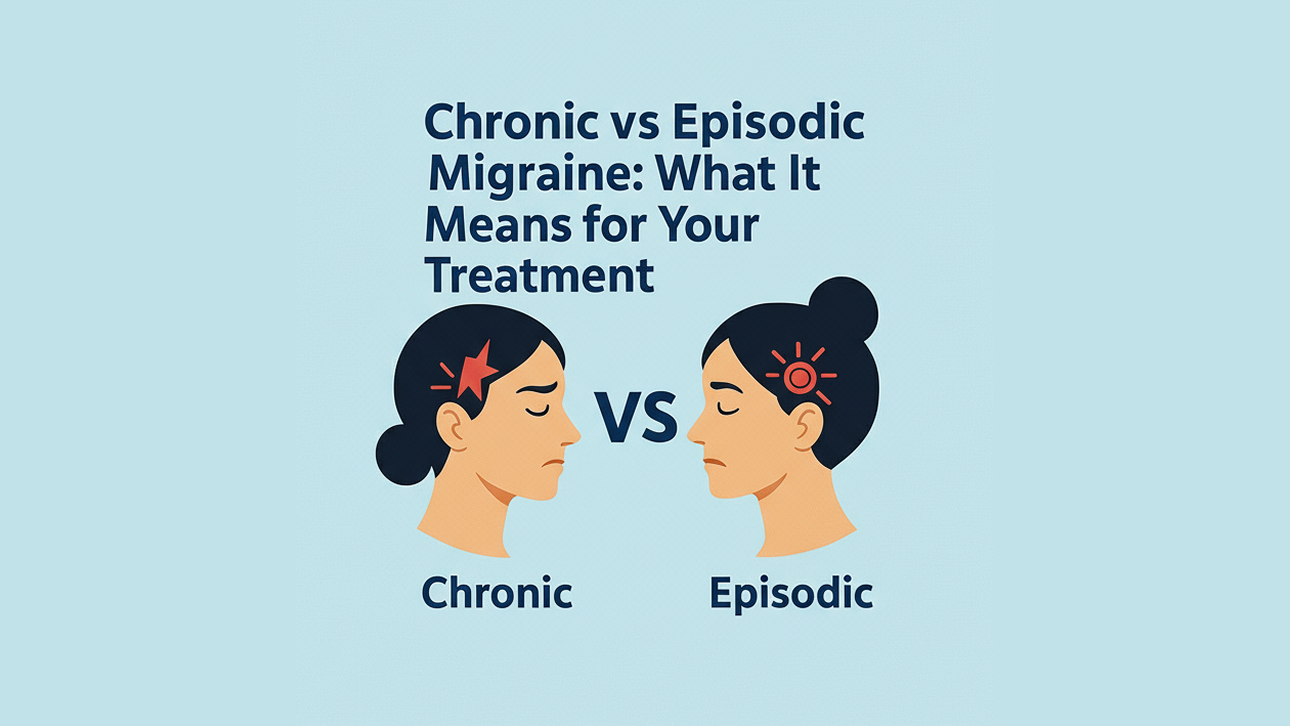
    Chronic vs Episodic Migraine: What It Means for Your Treatment

    Understanding Chronic vs Episodic Migraine

    If you live with migraine, the words “chronic” and “episodic” aren’t just labels—they shape your treatment plan and even your insurance coverage. Understanding chronic vs episodic migraine helps you make informed choices and work with your doctor to find the most effective therapies.

    Definitions

    Doctors classify migraine based on how many days per month you experience headaches:

    • Episodic migraine: Fewer than 15 headache days per month.
    • Chronic migraine: 15 or more headache days per month, with at least 8 that meet migraine criteria.

    This distinction might sound small, but it can significantly affect what treatments you can access and how your healthcare team manages your condition.

    Why the Difference Matters

    Your migraine classification can determine whether certain treatments are covered or prescribed.

    • Botox is FDA-approved only for chronic migraine, not episodic migraine.
    • CGRP monoclonal antibodies (like Aimovig, Emgality, or Ajovy) and gepants (such as Nurtec or Ubrelvy) may also depend on your classification for insurance coverage.

    That’s why it’s crucial to track your headache days accurately—a small difference in your count can change your treatment eligibility.

    What You Can Do

    Before your next appointment, try keeping a headache diary or using a migraine tracking app for at least one to two months. Note each headache’s severity, duration, and migraine-like features (such as nausea, light sensitivity, or aura).

    • If your total headache days are close to the cutoff (14–16 days), it’s especially important to bring this record to your doctor.
    • If your headaches improve with treatment and drop into the episodic range, your doctor may adjust your plan—but you’ll likely still follow chronic migraine guidelines until improvement is stable for several months.

    🩺 For detailed advice on tracking and diagnosis, visit the National Headache Foundation or speak with your healthcare provider.

    When to Talk to Your Doctor About Chronic vs Episodic Migraine

    You should discuss classification and treatment with your doctor if:

    • You’re close to the 15-day cutoff each month.
    • Your headache pattern has changed recently.
    • You’re considering preventive therapy or notice medication overuse.

    Understanding whether you have chronic vs episodic migraine empowers you to make evidence-based decisions about your care.

    Final Thoughts

    Your migraine label isn’t just a medical term—it’s a roadmap to better management. By tracking your symptoms and partnering with your doctor, you can access more targeted treatments, reduce attack frequency, and improve your quality of life.Disclaimer