

Tag: migraine relief

  • gammaCore for Migraine Relief: Non-Invasive Vagus Nerve Stimulation Explained

    gammaCore for Migraine Relief: Non-Invasive Vagus Nerve Stimulation Explained

    Living with migraine can feel like a constant uphill battle. Traditional medications don’t always work, and side effects can be tough.

    Enter gammaCore, a game-changer in migraine therapy. This handheld device uses non-invasive vagus nerve stimulation (nVNS) to target migraine at its source.

    In this post, we’ll explain how gammaCore works, review clinical evidence, and share practical tips for use.

    What Is gammaCore?

    gammaCore is a small, portable device you place on your neck. It sends mild electrical pulses to the vagus nerve, a key communication highway between your brain and body. You can use gammaCore two ways:

    • Acute migraine relief

    Apply at the first sign of pain to reduce intensity and associated symptoms.

    • Preventive therapy

    Use daily to lower the number of monthly migraine days.

    How gammaCore Works

    The vagus nerve influences pain, inflammation, and neurotransmitters. By stimulating it, gammaCore may:

    • Interrupt pain signals: Reducing the intensity of migraine pain.
    • Balance neurotransmitters: Altering serotonin and norepinephrine levels that fuel migraine.
    • Decrease inflammation: Regulating immune responses linked to migraine.

    Clinical Evidence

    Several clinical trials and real-world studies back gammaCore for migraine relief:

    • ACT1 and ACT2 trials published in Headache: The Journal of Head and Face Pain showed significant pain reduction in acute migraine vs. sham devices

    • A PREMIUM trial in Cephalalgia found daily preventive use cut monthly migraine days, especially in early responders.

    • Many users report improved migraine control with minimal side effects in real-world practice.

    Who Should Consider gammaCore?

    • People with contraindications to triptans, such as cardiovascular issues.
    • Those who experience drug side effects.
    • Patients wanting to reduce reliance on acute medications.
    • Anyone seeking an adjunct to traditional treatments.

    Safety and Side Effects

    gammaCore is well tolerated. Common mild side effects include:

    • Tingling or pulling at the stimulation site.
    • Temporary redness or skin irritation.
    • Rare dizziness or coughing during stimulation.

    Importantly, gammaCore carries no vascular risks like triptans or ergotamines.

    How to Use gammaCore

    1. Apply conductive gel to the two electrodes.
    2. Position the device just below the jawline over the vagus nerve.
    3. Activate and feel the mild pulse.
    4. Follow recommended cycles for acute or preventive use.
    5. Track your progress in a migraine diary.

    Access and Cost

    gammaCore requires a prescription in most countries. In the U.S. and Canada, it’s available via specialty pharmacies. Cost varies; insurance coverage depends on medical necessity documentation.

    Practical Tips for Best Results

    • Master placement: Precise positioning is key.
    • Be consistent: Preventive benefits build over weeks.
    • Combine therapies: Use alongside medications and lifestyle changes.
    • Monitor outcomes: Chart attack frequency, intensity, and medication use.

    Takeaway

    gammaCore offers a safe, drug-free way to stimulate the vagus nerve for migraine relief. Supported by clinical trials and user testimonials, it’s especially valuable for those who can’t tolerate or don’t respond to medications.

    If you’re seeking an alternative or adjunctive therapy for migraine, ask your healthcare provider about gammaCore today.
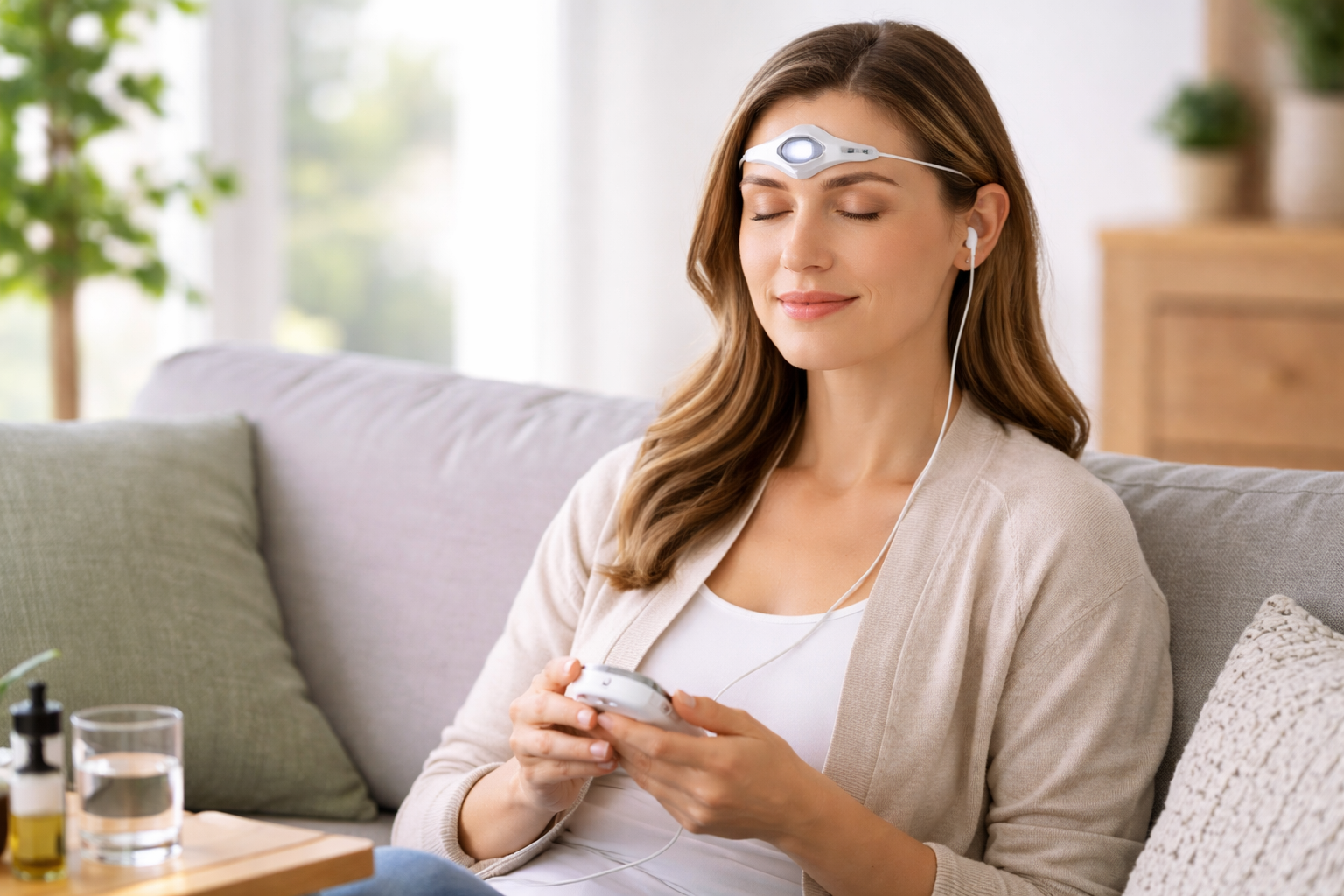

  • Cefaly Migraine Relief: How eTNS Can Prevent and Treat Your Migraines

    Cefaly Migraine Relief: How eTNS Can Prevent and Treat Your Migraines

    If you’re one of the millions dealing with frequent migraines, you know how life-disrupting they can be. Medications help, but side effects or limited relief often leave patients searching for more. That’s where Cefaly migraine relief comes in.

    This FDA-approved, non-drug device uses external trigeminal nerve stimulation (eTNS) to both prevent migraines and treat attacks as they happen.

    In this post, you’ll learn how Cefaly works, see the clinical evidence, and get practical tips to make the most of your eTNS device.

    Why Choose Cefaly Migraine Relief?

    Traditional migraine drugs like triptans and beta-blockers work for many but aren’t for everyone. Some people can’t tolerate side effects such as fatigue or dizziness. Others may worry about medication overuse headaches or have health issues that make certain drugs unsafe.

    Cefaly offers a medication-free option that’s easy to use, portable, and backed by clinical research.

    It’s ideal for:

    • Patients with frequent attacks who want to reduce medication reliance
    • Those who experience side effects or contraindications to migraine meds
    • Anyone seeking a complementary therapy alongside drugs

    How Cefaly Works: The Science of eTNS

    Cefaly delivers gentle electrical impulses through an adhesive electrode placed on your forehead, right above the eyebrows. These impulses target the ophthalmic branch of the trigeminal nerve, a key player in migraine pain.

    By stimulating this nerve, Cefaly is thought to:

    1. Reduce Pain Signaling: Impulses calm overactive pain pathways in the brain.

    2. Modulate Brain Excitability: Stabilizes networks that become hyperactive during migraine attacks.
    3. Promote Relaxation: Many users report a soothing, calming effect while wearing the device.

    Clinical Evidence Supporting Cefaly’s Effectiveness

    Several high-quality studies confirm Cefaly migraine relief benefits.

    Key trials include:
    PREMICE Study (2013): In this randomized controlled trial, daily preventive use of Cefaly cut migraine days by nearly 50% versus placebo.

    ACME Study (2019): A single 60-minute acute session aborted migraine pain in 62% of participants compared to 38% using sham stimulation (Neurology Journal, 2019).

    Real-World Data: Thousands of users report fewer migraine days and less reliance on acute meds in observational surveys.

    Setting Up Your Cefaly Device

    Follow these steps to ensure optimal results:

    1. Prepare the Skin: Clean your forehead with soap and water, then dry thoroughly.
    2. Place the Electrode: Center the adhesive pad just above your eyebrows.
    3. Attach the Device: Snap Cefaly onto the electrode magnetically.
    4. Choose a Mode:
      • Preventive Mode: 20-minute daily session to reduce attack frequency.
      • Acute Mode: 60-minute session to abort an ongoing migraine.
    5. Relax: Sit back and enjoy the gentle tingling. Sensations may feel unusual at first but are harmless.

    Practical Tips for Maximum Benefit

    Consistency is crucial. Most users notice preventive benefits after 6–8 weeks of daily preventive sessions.

    Here are additional tips:

    • Track Your Progress

    Keep a migraine diary using our internal guide on migraine diary to see changes in frequency and intensity.

    • Combine Therapies

    Continue your prescribed medications. Cefaly often works best when used alongside pharmacologic treatments.

    • Maintain Electrode Hygiene

    Replace the adhesive pad every 15–20 sessions for consistent conduction.

    • Be Patient

    If you don’t feel relief right away, stick with it. Long-term use shows the greatest improvements.

    Safety Profile and Side Effects

    One of Cefaly’s biggest advantages is its safety. Common side effects are mild and include tingling or pressure at the electrode site. Skin irritation from the adhesive pad is rare and often resolved by changing the pad style or placement.

    Unlike many medications, Cefaly does not cause drowsiness, weight gain, or risk of medication overuse headache.

    Who Stands to Gain the Most?

    Cefaly migraine relief works best for:

    • Patients who have failed or cannot tolerate oral preventives
    • Those with cardiovascular issues who cannot take triptans
    • Individuals aiming to reduce acute medication use

    Accessing and Affording Cefaly

    In the U.S. and Canada, you can purchase Cefaly online or through select pharmacies with a prescription. The one-time device cost plus ongoing electrode replacements make it an investment, but many find long-term value in reduced migraine days and fewer prescription refills.

    Some health plans or flexible spending accounts cover the device and electrodes. Check with your insurer or ask your healthcare provider for details.

    Integrating Cefaly into Your Migraine Plan

    Cefaly migraine relief isn’t a cure, but it can be a powerful tool in your migraine toolkit. Use it daily for prevention and as needed for acute relief.

    Pair it with stress management techniques like guided meditation or biofeedback, and maintain a healthy lifestyle with regular sleep, hydration, and exercise.

    By combining strategies, you’ll increase your chances of lasting relief.

    Key Takeaways

    • Cefaly is a safe, non-drug device that uses eTNS for migraine prevention and acute treatment.
    • Clinical trials in reputable journals—Neurology Journal, Headache, JAMA—support its efficacy.
    • Consistent, long-term use maximizes preventive benefits.
    • Mild side effects are limited to sensations at the electrode site and skin irritation.
    • Many patients reduce their reliance on medications and improve their quality of life.

  • Migraine Stress Management: Master CBT, Relaxation & Mindfulness for Fewer Attacks

    Migraine Stress Management: Master CBT, Relaxation & Mindfulness for Fewer Attacks

    If you’re tired of migraines stealing your day, you’re not alone. Stress is a leading trigger for migraine attacks, from a hectic workday to post-stress letdown. The good news? Migraine stress management can help you break the cycle. In this post, we’ll dive into proven techniques—cognitive-behavioral therapy (CBT), relaxation training, and mindfulness—that can lower your migraine frequency and boost your resilience.

    Why Migraine Stress Management Matters

    • Stress impacts your body in ways that make migraines more likely:
    • Nervous system activation: Your “fight or flight” response ramps up muscle tension and brain excitability.
    • Hormonal shifts: Cortisol and adrenaline spikes can lower your migraine threshold.
      Behavioral changes: Stress often leads to skipped meals, poor sleep, or extra caffeine, all of which fuel attacks.

    You might notice migraines not only during stressful times but also in the “letdown” phase when stress hormones drop suddenly. That’s why stress management for migraine is essential.

    Cognitive-Behavioral Therapy for Migraine Stress Management

    What Is CBT?

    CBT is a structured, evidence-based form of talk therapy. It helps you spot unhelpful thoughts and replace them with healthier ones.

    How CBT Helps with Stress Management Migraine

    • Identifies triggers: You learn to connect stress and negative thinking to migraine attacks.
    • Builds coping skills: You gain practical tools to manage stress before it spirals.
    • Reduces disability: You’ll respond to attacks with strategies that minimize disruption to your life.

    Evidence-Based Benefits

    A study in Headache: The Journal of Head and Face Pain showed that CBT reduced migraine days by nearly 40% when combined with standard medical care (https://headachejournal.onlinelibrary.wiley.com/doi/10.1111/head.14278). Benefits often last months after therapy ends.

    Getting Started

    Look for a therapist trained in CBT for pain or a migraine specialist. Many clinics now offer online CBT programs for migraine. You can also check this internal resource on stress triggers for migraine management (https://yourdomain.com/migraine-triggers).

    Relaxation Training Techniques

    Progressive Muscle Relaxation

    Alternately tense and relax different muscle groups to ease tension in your head, neck, and shoulders.

    Deep Breathing Exercises

    Practice slow, diaphragmatic breathing to calm your nervous system and reduce pain signals.

    Guided Imagery

    Use audio or mental visualization of calming scenes—like a beach or forest—to lower stress hormones and distract your mind from pain.

    Why It Works

    Relaxation techniques counteract the “fight or flight” response. Regular practice can lower baseline muscle tension and make it easier to calm yourself at the first sign of a migraine.

    Integrating Relaxation Into Your Day

    – Start with 5 minutes in the morning or before bed.
    – Use guided apps on your phone or internal guided-relaxation recordings (https://yourdomain.com/guided-relaxation).
    – Apply deep breathing at warning signs, such as a tensed jaw or tight shoulders.

    Mindfulness and Meditation for Stress Management Migraine

    What Is Mindfulness?

    Mindfulness means staying present, observing thoughts and sensations without judgment. Meditation practices include breathing exercises, body scans, or mindful movement like yoga.

    Migraine Stress Management Benefits

    • Lowers stress reactivity: Reduces cortisol spikes.
    • Improves sleep quality: Better rest can prevent migraine buildup.
    • Eases pain coping: Encourages a calm response during attacks.
    • Builds resilience: Increases self-compassion and emotional strength.

    Scientific Support

    A Mindfulness-Based Stress Reduction (MBSR) trial in Neurology Journal found an average 30% drop in headache days and improved quality of life.

    Simple Mindfulness Exercises

    • Five-minute breath focus: Sit comfortably and count your breaths.
    • Body scan: Mentally scan from head to toe, relaxing each area.
    • Mindful walking: Walk slowly, noticing each step.

    Make It a Habit

    Consistency is key. Aim for 10–15 minutes daily. Schedule mindfulness practice like any other appointment. Over time, you’ll notice stress feels less overwhelming.

    Building a Stress-Resilient Lifestyle

    Combine Techniques

    Many migraine sufferers benefit most from a mix of CBT, relaxation, and mindfulness. Track what works best for you in a headache diary.

    Use Technology

    Apps like Migraine Buddy or Headspace can guide your relaxation and mindfulness sessions.

    Pair With Medical Care

    Stress management complements prescription and over-the-counter treatments. Always discuss new strategies with your neurologist or headache specialist.

    Practical Tips for Everyday Success

    • Start small: Five minutes of deep breathing or a short meditation.
    • Routine: Practice at the same time daily, like before bed.
    • Early intervention: Use relaxation at the first migraine symptom.
    • Professional help: A trained CBT therapist or biofeedback expert can accelerate progress.
    • Be patient: Stress resilience builds gradually over weeks and months.

    Take-Home Message

    Stress is a major migraine trigger, but it’s also one you can modify. Through CBT, relaxation training, and mindfulness, you can strengthen your stress resilience and reduce attack frequency. Stress management isn’t about eliminating stress entirely—it’s about responding to life’s challenges without letting migraines take control.