Tag: migraine prevention

  • Migraine Travel: How to Plan and Enjoy Your Trip Without the Pain

    Migraine Travel: How to Plan and Enjoy Your Trip Without the Pain

    Travel can be one of life’s greatest joys.

    Yet for those living with migraine, changes in routine, jet lag, and new environments often trigger painful attacks.

    The good news?

    With thoughtful preparation and practical tools, you don’t have to let migraine stop your next adventure.

    In this post, we’ll show you how to plan ahead, carry the right supplies, and adapt on the road—so you can focus on memories, not migraines.

    Why Travel Triggers Migraine

    Common Travel-Related Migraine Triggers

    Travel disrupts the stability your brain craves. Major culprits include:
    • Sleep disruption: Early flights and time zone shifts throw off circadian rhythms.
    • Dehydration: Airplane cabins have very low humidity.
    • Diet changes: Missing meals or eating unfamiliar foods can spark an attack.
    • Stress: Crowded airports, tight schedules, and packing can raise stress hormones.
    • Environmental factors: Bright lights, noise, altitude, and cabin pressure all play a role.

    Preparing Before Your Trip

    Talk to Your Doctor

    Your travel success starts at home. Schedule a pre-trip checkup to:

    • Review your current migraine treatment plan.
    • Confirm preventive and rescue medications are up to date.
    • Ask for written notes explaining your meds and any temperature-sensitive injections (like CGRP antibodies).
    • Discuss melatonin or other sleep aids if you’ll cross multiple time zones.

    Build Your Migraine Travel Kit

    Treat your migraine kit like your passport—it’s essential.

    Include:
    • Acute medications (triptans, gepants, NSAIDs) and a backup supply.
    • Anti-nausea drugs for severe attacks.
    • Preventive meds, if prescribed.
    • A refillable water bottle and electrolyte packets.
    • Noise-cancelling headphones or earplugs.
    • Sunglasses or a comfortable hat.
    • Portable cold or heat packs.
    • Healthy snacks to prevent skipped meals.

    Plan for Time Zone Changes

    If your trip crosses more than two time zones:

    1. Shift your bedtime by 30–60 minutes each night for several days before departure.
    2. Use bright light therapy strategically: morning light for eastward travel, evening light for westward trips.
    3. Discuss a melatonin regimen with your doctor to ease jet lag.

    During Air Travel

    Stay Hydrated and Move

    On the plane, aim to drink at least 8 ounces of water every hour. Avoid too much caffeine or alcohol—they promote fluid loss.

    Stand up, stretch, and walk the aisle when possible to improve circulation and reduce stiffness, which can help lower migraine risk.

    Manage Light, Noise, and Early Symptoms

    Migraine travel success means acting quickly:

    • Wear sunglasses or a hat to block cabin light.
    • Use noise-cancelling headphones or earplugs to dampen engine noise.
    • At the first hint of a migraine, take your acute medication. Research in Cephalalgia shows that early treatment improves response rates

    At Your Destination

    Keep Your Routine Steady

    Once you arrive, aim to:
    • Eat balanced meals at consistent times.
    • Stick to a regular sleep–wake schedule.
    • Plan daily downtime to rest if you feel an attack coming.

    Identify Local Resources

    Before you leave home, research local medical options:
    • Find the nearest pharmacy or hospital on arrival.
    • Check if your travel insurance covers emergency migraine care.

    Special Considerations for Medications and Security

    Traveling with Injections

    If your preventive therapy includes injections (Botox, CGRP antibodies), carry them in original packaging with your doctor’s note. Use a portable cooler pack to keep them refrigerated.

    Navigating Customs and Security

    Always pack medications in your carry-on luggage. Keep labels intact and bring a copy of your prescription. Many airports recognize migraine treatments, but it helps to be prepared.

    Pro Tips for Migraine-Friendly Travel

    Be Proactive, Not Reactive

    1. Share your migraine travel plan with friends or family so they can help if you need it.

    2. Allow buffer time between travel legs—avoid back-to-back connections.

    3. Stay flexible: build a free afternoon into your itinerary to rest or treat an attack.

    4. Review evidence-based migraine prevention tips to complement your travel plan.

    5. Explore additional preventive strategies in our guide to migraine prevention

    Take-Home Message

    Travel doesn’t have to be off-limits for people with migraine. When you plan ahead, pack smart, and act quickly at the first sign of an attack, you can minimize triggers and enjoy your journey.

    With these strategies in your back pocket, migraine travel becomes not just possible, but plannable, so you can focus on discovering new places and making lasting memories.

  • Cefaly Migraine Relief: How eTNS Can Prevent and Treat Your Migraines

    Cefaly Migraine Relief: How eTNS Can Prevent and Treat Your Migraines

    If you’re one of the millions dealing with frequent migraines, you know how life-disrupting they can be. Medications help, but side effects or limited relief often leave patients searching for more. That’s where Cefaly migraine relief comes in.

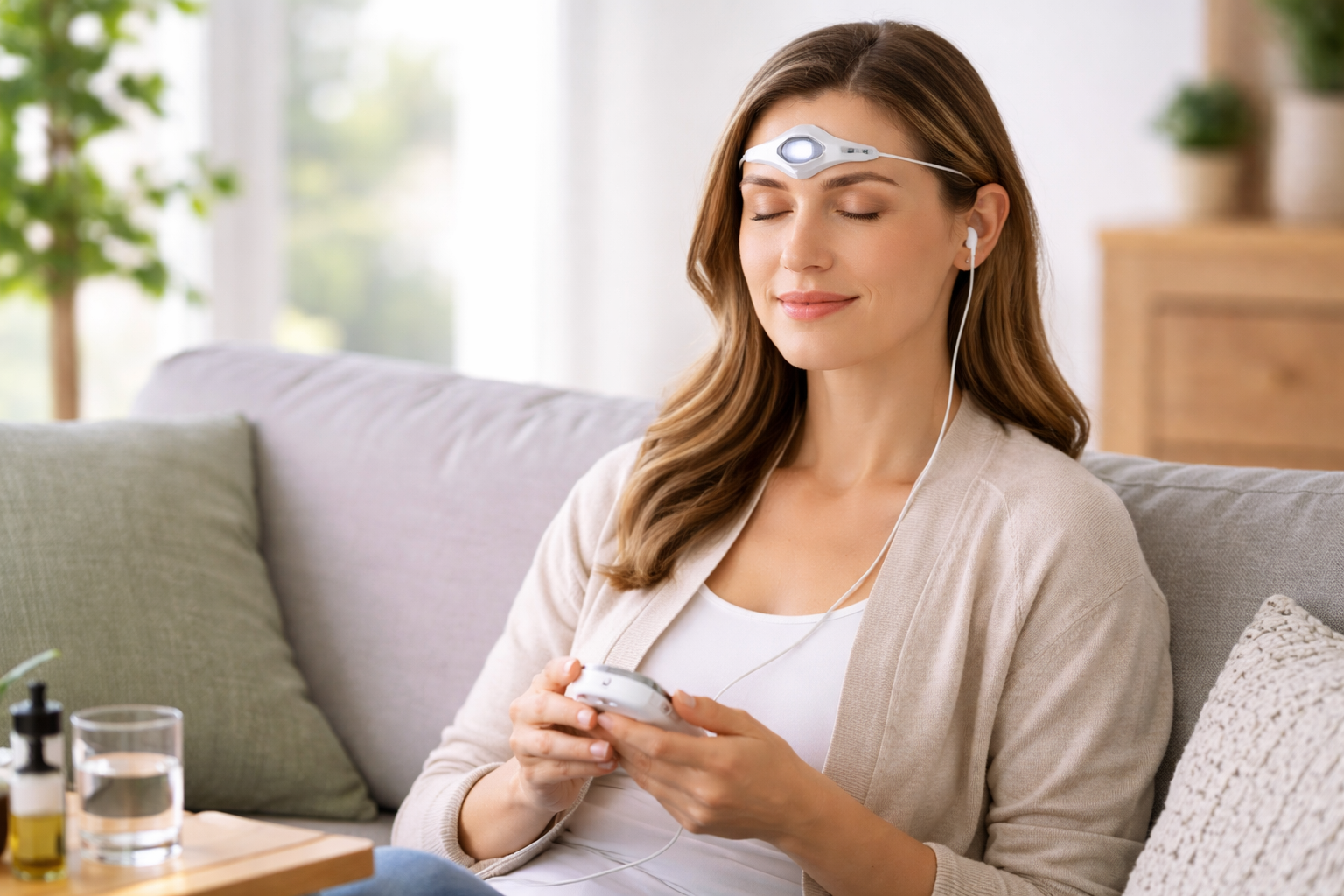
    This FDA-approved, non-drug device uses external trigeminal nerve stimulation (eTNS) to both prevent migraines and treat attacks as they happen.

    In this post, you’ll learn how Cefaly works, see the clinical evidence, and get practical tips to make the most of your eTNS device.

    Why Choose Cefaly Migraine Relief?

    Traditional migraine drugs like triptans and beta-blockers work for many but aren’t for everyone. Some people can’t tolerate side effects such as fatigue or dizziness. Others may worry about medication overuse headaches or have health issues that make certain drugs unsafe.

    Cefaly offers a medication-free option that’s easy to use, portable, and backed by clinical research.

    It’s ideal for:

    • Patients with frequent attacks who want to reduce medication reliance
    • Those who experience side effects or contraindications to migraine meds
    • Anyone seeking a complementary therapy alongside drugs

    How Cefaly Works: The Science of eTNS

    Cefaly delivers gentle electrical impulses through an adhesive electrode placed on your forehead, right above the eyebrows. These impulses target the ophthalmic branch of the trigeminal nerve, a key player in migraine pain.

    By stimulating this nerve, Cefaly is thought to:

    1. Reduce Pain Signaling: Impulses calm overactive pain pathways in the brain.

    2. Modulate Brain Excitability: Stabilizes networks that become hyperactive during migraine attacks.
    3. Promote Relaxation: Many users report a soothing, calming effect while wearing the device.

    Clinical Evidence Supporting Cefaly’s Effectiveness

    Several high-quality studies confirm Cefaly migraine relief benefits.

    Key trials include:
    PREMICE Study (2013): In this randomized controlled trial, daily preventive use of Cefaly cut migraine days by nearly 50% versus placebo.

    ACME Study (2019): A single 60-minute acute session aborted migraine pain in 62% of participants compared to 38% using sham stimulation (Neurology Journal, 2019).

    Real-World Data: Thousands of users report fewer migraine days and less reliance on acute meds in observational surveys.

    Setting Up Your Cefaly Device

    Follow these steps to ensure optimal results:

    1. Prepare the Skin: Clean your forehead with soap and water, then dry thoroughly.
    2. Place the Electrode: Center the adhesive pad just above your eyebrows.
    3. Attach the Device: Snap Cefaly onto the electrode magnetically.
    4. Choose a Mode:
      • Preventive Mode: 20-minute daily session to reduce attack frequency.
      • Acute Mode: 60-minute session to abort an ongoing migraine.
    5. Relax: Sit back and enjoy the gentle tingling. Sensations may feel unusual at first but are harmless.

    Practical Tips for Maximum Benefit

    Consistency is crucial. Most users notice preventive benefits after 6–8 weeks of daily preventive sessions.

    Here are additional tips:

    • Track Your Progress

    Keep a migraine diary using our internal guide on migraine diary to see changes in frequency and intensity.

    • Combine Therapies

    Continue your prescribed medications. Cefaly often works best when used alongside pharmacologic treatments.

    • Maintain Electrode Hygiene

    Replace the adhesive pad every 15–20 sessions for consistent conduction.

    • Be Patient

    If you don’t feel relief right away, stick with it. Long-term use shows the greatest improvements.

    Safety Profile and Side Effects

    One of Cefaly’s biggest advantages is its safety. Common side effects are mild and include tingling or pressure at the electrode site. Skin irritation from the adhesive pad is rare and often resolved by changing the pad style or placement.

    Unlike many medications, Cefaly does not cause drowsiness, weight gain, or risk of medication overuse headache.

    Who Stands to Gain the Most?

    Cefaly migraine relief works best for:

    • Patients who have failed or cannot tolerate oral preventives
    • Those with cardiovascular issues who cannot take triptans
    • Individuals aiming to reduce acute medication use

    Accessing and Affording Cefaly

    In the U.S. and Canada, you can purchase Cefaly online or through select pharmacies with a prescription. The one-time device cost plus ongoing electrode replacements make it an investment, but many find long-term value in reduced migraine days and fewer prescription refills.

    Some health plans or flexible spending accounts cover the device and electrodes. Check with your insurer or ask your healthcare provider for details.

    Integrating Cefaly into Your Migraine Plan

    Cefaly migraine relief isn’t a cure, but it can be a powerful tool in your migraine toolkit. Use it daily for prevention and as needed for acute relief.

    Pair it with stress management techniques like guided meditation or biofeedback, and maintain a healthy lifestyle with regular sleep, hydration, and exercise.

    By combining strategies, you’ll increase your chances of lasting relief.

    Key Takeaways

    • Cefaly is a safe, non-drug device that uses eTNS for migraine prevention and acute treatment.
    • Clinical trials in reputable journals—Neurology Journal, Headache, JAMA—support its efficacy.
    • Consistent, long-term use maximizes preventive benefits.
    • Mild side effects are limited to sensations at the electrode site and skin irritation.
    • Many patients reduce their reliance on medications and improve their quality of life.

  • Status Migrainosus: When a Migraine Won’t Go Away

    Status Migrainosus: When a Migraine Won’t Go Away

    Have you ever felt trapped in a migraine that just won’t quit? That relentless pain lasting days can feel like it takes over your life. This is called status migrainosus, a rare but serious migraine complication.

    In this post, we’ll dive into what status migrainosus is, why it happens, and how to treat and prevent it. Let’s get you the answers you need.

    What Is Status Migrainosus?

    Status migrainosus is defined as a migraine attack that lasts 72 hours or more, even with treatment. Normal migraines run from 4 to 72 hours, but status migrainosus hangs on, refusing to let you get relief.

    Key Features:

    • Persistent, throbbing head pain (often one-sided)
    • Nausea, vomiting, or both (leading to dehydration)
    • Sensitivity to light, sound, and movement
    • Possible aura symptoms (visual changes, numbness)

    Because the headache never fully clears for more than 12 hours, daily life grinds to a halt. Many people head to the emergency department when home remedies and usual prescriptions stop working.

    Why Does Status Migrainosus Happen?

    We don’t always know exactly why migraines get stuck in overdrive, but common triggers include:

    1. Medication Overuse Headache (MOH)
    Overusing painkillers can backfire. Instead of relief, it may lead to harder-to-treat headaches. Learn more about how to avoid MOH in our post on migraine prevention (/migraine-prevention).

    2. Delayed or Inadequate Treatment
    Waiting too long to treat a migraine can let pain pathways become “locked in.” Early treatment is key.

    3. Stress, Illness, or Hormonal Changes
    High stress or hormonal shifts (like menstrual cycles) can fuel long-lasting attacks.

    4. Refractory Migraine Biology
    Some people have a type of migraine that resists standard care. This is more common than you might think.

    Symptoms to Watch For

    Status migrainosus looks like your usual migraine but drags on.

    Watch for:

    • Intense, throbbing headache.
    • Ongoing nausea and vomiting.
    • Heightened light and sound sensitivity.
    • Aura signs (blurry vision, tingling).
    • Extreme exhaustion and dehydration.

    When the attack stretches beyond 72 hours, it’s time to seek help.

    Diagnosing Status Migrainosus

    Doctors diagnose status migrainosus based on your headache history and duration.

    They’ll also rule out other causes of protracted headache:

    • Stroke or TIA.
    • Meningitis or encephalitis.
    • Cervical artery dissection.
    • Idiopathic intracranial hypertension.

    Sometimes, imaging or blood tests are needed, especially if new, worrying symptoms appear. A study in Cephalalgia highlights the importance of early neuroimaging when attacks deviate from your normal pattern.

    Treatment Strategies

    Early, aggressive care is crucial. Here’s how treatment breaks down by setting:

    1. At Home (Early Intervention)

    • Triptans, NSAIDs, or gepants at the first sign of migraine.
    • Add anti-nausea meds (metoclopramide, ondansetron).
    • Hydration, rest, and cool, dark rooms.

    2. Emergency Department or Infusion Clinic

    • IV fluids for dehydration.
    • IV antiemetics (metoclopramide, prochlorperazine).
    • IV NSAIDs (ketorolac).
    • IV magnesium (especially with aura).
    • IV or oral steroids (dexamethasone).
    • Nerve blocks (occipital or sphenopalatine) if needed.

    A randomized trial in The Lancet shows that IV magnesium can cut pain faster in severe attacks.

    3. Hospital Admission

    If outpatient and ED therapies fail, a brief hospital stay may be needed for advanced care and monitoring.

    Preventing Future Status Migrainosus Attacks

    The best offense is a good defense. Use these tips to keep migraines from spiraling:

    • Early Treatment: Act fast with your prescribed acute meds.
    • Avoid Overuse: Stick to dosing guidelines to prevent MOH.
    • Preventive Therapy: Talk to your doctor about daily preventives like topiramate, CGRP antibodies, or candesartan.
    • Trigger Management: Track your stress, sleep, and diet. Aim for regular routines.

    Practical Tips for Patients

    • Keep a Rescue Plan: Work with your healthcare provider to outline second-line steps.
    • Stay Hydrated: Water or electrolyte drinks can reduce severity.
    • Seek Help Sooner: If a headache goes beyond 72 hours, head to the ER.
    • Follow-up Care: Post-ER visits are vital. Build a long-term plan to avoid repeats.

    Take-Home Message

    Status migrainosus is a rare but serious migraine that lasts more than 72 hours. It demands urgent attention, often with IV treatments or nerve blocks. But with early recognition, prompt care, and a solid prevention plan, you can reduce the risk of a future episode.

    Talk openly with your doctor. Together, you can tackle status migrainosus head-on and help you get your life back.

  • Medication Overuse Headache: How to Break the Cycle and Prevent Rebound Pain

    Medication Overuse Headache: How to Break the Cycle and Prevent Rebound Pain

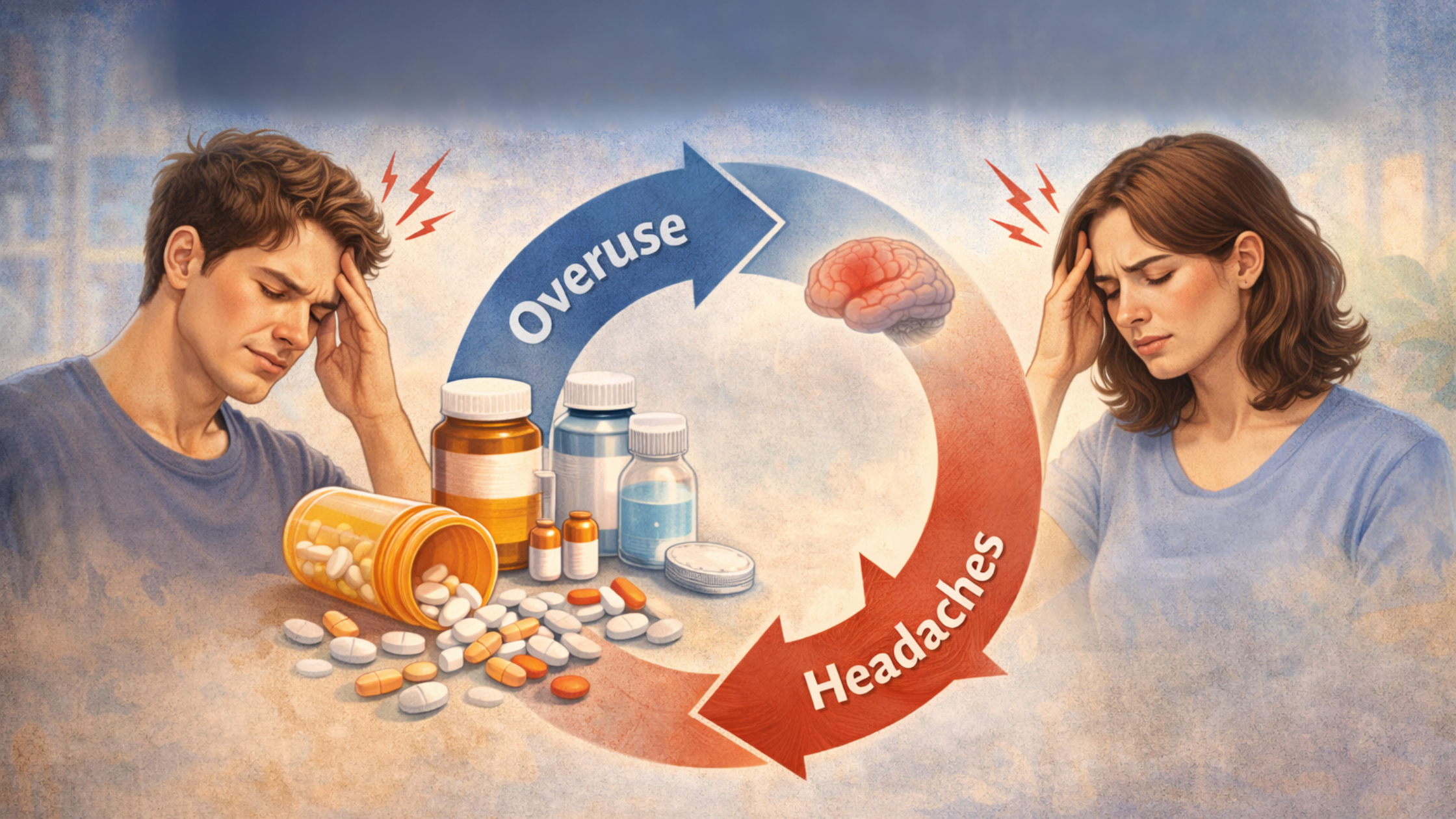
    If you’re struggling with migraine attacks, you know how hard it can be to find relief. Acute medications like triptans or NSAIDs can be a lifesaver—until they backfire. When painkillers are taken too often, they can trigger medication overuse headache, turning episodic migraine into a near-daily struggle.

    In this article, we’ll explain what medication overuse headache is, why it happens, and, most importantly, how to prevent and treat it so you can get back to living well.

    What Is Medication Overuse Headache?

    Medication overuse headache (MOH), also called rebound headache, happens when your brain becomes hypersensitive after frequent use of acute migraine drugs.

    According to the International Classification of Headache Disorders (ICHD-3), MOH is diagnosed if:

    • You have headaches 15 or more days per month.
    • You’ve overused acute headache meds for at least three months.
    • Your head pain has worsened during that time.

    Once you address the overuse, many people see a big improvement in frequency and severity.

    Why Does Medication Overuse Headache Occur?

    Researchers point to three main drivers:

    Neurochemical shifts: Overusing drugs like triptans or opioids alters serotonin, dopamine, and CGRP signaling in the brain.

    Central sensitization: Repeated dosing can over-activate pain pathways, making your brain more sensitive to triggers.

    Rebound effect: As medication levels drop, you get a rebound headache—and take more pills, trapping you in a cycle.

    Common Culprits in MOH

    Not all pain relievers carry the same risk. Knowing which medicines are most often involved can guide safer choices:

    Triptans (e.g., sumatriptan): Risk rises if used on 10 or more days per month.
    Combination analgesics (caffeine plus acetaminophen or aspirin): High risk when used frequently.

    Opioids: Even occasional use can quickly lead to MOH.

    NSAIDs (ibuprofen, naproxen): Moderate risk; safer than opioids but still risky if taken more than 15 days per month.

    Gepants: Growing evidence suggests these newer CGRP-receptor antagonists do not trigger MOH, making them a promising alternative.

    Recognizing the Warning Signs

    It can be hard to spot medication overuse headache because its symptoms overlap with chronic migraine. Watch for:

    • Pain that shifts from episodic attacks to nearly daily discomfort.
    • Short-lived relief from your usual meds, prompting more doses.
    • Higher pill counts on your headache diary or app

    If you see these patterns, talk with your doctor about MOH.

    How to Break Free: Three Key Steps

    1. Education and Awareness

    First, know that the headache itself may be fueled by the meds you’re taking. Our blog post on lifestyle tweaks (/lifestyle-migraine-tips) offers tips for non-drug strategies like hydration, sleep hygiene, and trigger management.

    2. Withdrawal or Reduction

    Tappering vs. abrupt stop

    Mild overuse can sometimes be tapered. Severe cases may need an abrupt stop under medical supervision.

    Supportive meds

    Short courses of NSAIDs, steroids, or antiemetics can ease withdrawal symptoms.

    Inpatient detox

    For complex situations, an overnight or week-long stay in a headache center may be best.
    According to a review in Neurology Journal, patients who complete a structured withdrawal program often see headache days cut by more than half.

    3. Preventive Therapy

    As you wean off overused drugs, start a preventive regimen. Options include:

    • Topiramate or valproate
    • Beta-blockers (propranolol, metoprolol)
    • CGRP monoclonal antibodies (erenumab, fremanezumab)
    • Candesartan (an angiotensin blocker)

    Partnering with your healthcare provider lets you find the right dose and manage side effects.

    Non-Drug Support
    Behavioral and lifestyle approaches make a big difference:

    • Cognitive-behavioral therapy (CBT) can change how you perceive pain and reduce stress.
    • Relaxation techniques like guided imagery or progressive muscle relaxation ease muscle tension.
    • Regular sleep, balanced diet, and exercise strengthen resilience against triggers.

    Preventing Medication Overuse Headache

    You don’t have to slip into MOH. Try these practical strategies:

    1. Set strict limits

    Take triptans or combination analgesics for no more than nine days per month. Keep NSAIDs or acetaminophen under 14 days per month.

    2. Track every dose.

    Use a headache diary or app to monitor patterns.

    3. Adopt a stepped approach.

    For mild pain, try non-drug tactics: rest in a dark room, apply a cold pack, practice deep breathing.

    4. Consider alternative therapies.

    Gepants (ubrogepant, rimegepant) and neuromodulation devices show promise without risk of rebound. Ask your neurologist if these suit you.

    Practical Tips for Smart Acute Treatment

    • Don’t chase every headache. Wait until pain reaches moderate intensity before treating.
    • Treat early and effectively. Taking your medication at the first sign of migraine can reduce total pills used.
    • Use combination therapy wisely. Pairing a triptan with an NSAID can enhance relief and cut rebound risk.

    When to Seek Professional Help

    If you’ve tried limits and still hit 15 days of headache per month, or if your relief window has shrunk, reach out to a headache specialist. Complex cases benefit from a multidisciplinary team including neurology, pain management, and behavioral therapy.

    Real-Life Success Story

    After hitting 20 headache days per month on sumatriptan and over-the-counter opioids, Sarah decided enough was enough. Under her doctor’s guidance, she gradually stopped opioids, used NSAIDs sparingly during a 10-day transition, and started erenumab for prevention.

    Within two months, her headache days dropped to eight per month, and she reclaimed weekends with her family.

    Key Takeaways

    Medication overuse headache can turn your migraine treatment into the problem—but it doesn’t have to stay that way.

    Focus on:

    • Awareness: Track use and set day limits.
    • Safe withdrawal: Plan with your healthcare team.
    • Prevention: Introduce a preventive medication early.
    • Non-drug tactics: CBT, relaxation, and lifestyle changes boost success.

    Regain control of your life by breaking the rebound cycle, one strategy at a time.

  • Exercise and Migraine: How Physical Activity Helps or Hurts

    Exercise and Migraine: How Physical Activity Helps or Hurts

    Exercise is one of the most powerful tools for protecting overall health. For people with migraine, however, physical activity can feel complicated. Some notice that regular exercise dramatically reduces attacks over time. Others worry because intense workouts seem to trigger migraine.

    The truth lies somewhere in between. Exercise can both help and hurt migraine depending on type, intensity, timing, and consistency. Understanding how physical activity affects the migraine brain allows patients to gain the benefits while minimizing risk.

    The Relationship Between Exercise and Migraine

    Migraine is a neurological condition, and exercise interacts with multiple systems involved in migraine generation, including blood vessels, stress hormones, sleep regulation, and pain pathways.

    Research published in Neurology Journal shows that people with migraine who engage in regular physical activity tend to have fewer attacks and better overall quality of life.

    That said, exercise responses vary widely.

    When Exercise Is Protective

    Regular, moderate exercise is associated with:

    • Fewer migraine days per month
    • Reduced attack severity
    • Improved mood and stress tolerance
    • Better sleep quality

    Exercise also helps manage common migraine comorbidities such as anxiety, depression, obesity, and insomnia.

    When Exercise Triggers Migraine

    Exercise can provoke migraine when it is:

    • Sudden or overly intense
    • Performed while dehydrated
    • Done after skipping meals
    • Combined with overheating or poor pacing

    This explains why some patients experience migraine during or shortly after workouts, particularly high-intensity sessions.

    Individual Variation Matters

    Migraine brains differ. Some people tolerate vigorous exercise well, while others do best with gentler activity. The goal is not to force a specific routine, but to find a sustainable approach that works for your nervous system.

    Why Exercise Helps Prevent Migraine

    Several biological mechanisms explain why consistent exercise lowers migraine risk.

    Endorphin Release

    Exercise stimulates endorphins, the body’s natural pain-relieving chemicals. These chemicals reduce pain sensitivity and improve mood, both of which are important for migraine prevention.

    Improved Circulation and Vascular Stability

    Migraine involves abnormal sensitivity of blood vessels. Regular aerobic exercise improves vascular health and stabilizes blood flow, reducing sudden changes that can trigger attacks.

    Stress Reduction

    Stress is one of the most common migraine triggers. Exercise lowers baseline cortisol levels and improves resilience to daily stressors, making migraine less likely.

    Evidence from The Lancet supports exercise as an effective non-pharmacologic strategy for reducing stress-related neurological conditions.

    Better Sleep Quality

    Regular physical activity promotes deeper, more restorative sleep. Since poor sleep is a major migraine trigger, this indirect effect of exercise is especially important.

    Weight Management

    Obesity is associated with higher migraine frequency and severity. Exercise helps regulate weight and metabolic health, reducing another risk factor for chronic migraine.

    Types of Exercise That Work Best for Migraine

    Not all exercise affects migraine the same way. Choosing the right type makes a significant difference.

    Aerobic Exercise

    Examples include walking, jogging, cycling, swimming, and dancing.

    • Best evidence supports moderate-intensity aerobic exercise
    • Aim for 30 minutes, 3–5 days per week
    • Improves migraine prevention, cardiovascular health, and mood

    Clinical studies summarized in Headache: The Journal of Head and Face Pain show consistent reductions in migraine frequency with aerobic exercise programs.

    Strength Training

    Resistance exercises are generally safe and beneficial when done in moderation.

    • Improves posture and musculoskeletal balance
    • Reduces neck and shoulder tension that can contribute to headache
    • Should include proper breathing to avoid strain

    Gradual progression is key to avoiding exertional triggers.

    Mind-Body Exercise

    Yoga, tai chi, and Pilates combine gentle movement with controlled breathing and relaxation.

    • Lower migraine frequency in many patients
    • Improve stress management and body awareness
    • Especially helpful for those sensitive to high-intensity activity

    Randomized trials published in JAMA highlight yoga as an effective adjunctive therapy for migraine prevention.

    Common Exercise Pitfalls and How to Avoid Them

    Most exercise-related migraine triggers are preventable with small adjustments.

    Skipping Meals

    Low blood sugar is a powerful migraine trigger. Exercising on an empty stomach increases risk.

    A light snack with protein and carbohydrates before workouts can help stabilize energy levels.

    Dehydration

    Even mild dehydration increases migraine susceptibility. Drink fluids before, during, and after exercise, especially in warm environments.

    Overexertion

    Jumping into high-intensity workouts without conditioning overwhelms the nervous system. Start slowly and build intensity over weeks, not days.

    Heat Exposure

    Exercising in hot or humid conditions raises migraine risk. Hot yoga or outdoor workouts in extreme heat may not be ideal for migraine-prone individuals.

    Inconsistent Routines

    Sporadic bursts of intense exercise are less protective than steady, moderate activity. Consistency matters more than intensity.

    Exercise During a Migraine Attack

    During an active migraine, most people feel worse with movement.

    • Rest in a dark, quiet environment is usually best
    • Gentle stretching or short walks may help during recovery if tolerated
    • Strenuous exercise during an attack is generally counterproductive

    Listening to your body is essential.

    A Practical Exercise Plan for Migraine Patients

    https://cdn.shopify.com/s/files/1/1281/4359/files/Blahnik-2E-cool-down_1080x1080_4c9febe9-d5ea-4c2b-b5a7-37d5bb0f7a98.jpg
    Image from: https://us.humankinetics.com/blogs/active-at-home/cool-down-stretch-routine

    A migraine-friendly exercise plan focuses on balance and sustainability.

    • Start with 10–15 minutes of light activity
    • Choose activities you enjoy to support consistency
    • Hydrate and fuel properly before workouts
    • Always warm up and cool down to avoid sudden vascular changes
    • Track exercise and migraine patterns in a diary
    • Aim for moderate activity most days rather than extreme exertion

    Over time, the migraine brain often adapts, making exercise more protective and less triggering.

    When to Seek Medical Advice

    Headaches that consistently occur during or after exercise should be evaluated. Conditions such as exertional headache, reversible cerebral vasoconstriction syndrome, or structural abnormalities must be ruled out.

    People with cardiovascular risk factors should also be assessed before starting vigorous exercise programs, particularly if using triptans or other vasoconstrictive medications. Guidance from a healthcare professional ensures exercise remains safe and beneficial.

    Take-Home Message

    Exercise can be both a preventive tool and a trigger for migraine. The difference lies in how it is done. Regular, moderate physical activity—with proper hydration, fueling, pacing, and consistency—reduces migraine frequency and improves overall health.

    By choosing the right type of exercise and avoiding common pitfalls, people with migraine can safely integrate physical activity into their long-term management plan and enjoy its wide-ranging benefits.

  • Menstrual Migraine: Why Hormones Play a Role

    Menstrual Migraine: Why Hormones Play a Role

    Many women notice a frustrating pattern: migraine attacks that reliably appear just before or during their menstrual period. These attacks are not random. They are driven by predictable hormonal shifts, which is why they are known as menstrual migraines. For many patients, these migraines are more intense, last longer, and respond less well to usual treatments.

    Understanding how hormones influence migraine can make a powerful difference. When patients recognize the pattern and plan ahead, menstrual migraine becomes far more manageable.

    What Is Menstrual Migraine?

    Menstrual migraine refers to migraine attacks that are closely linked to the menstrual cycle. There are two recognized patterns.

    Pure menstrual migraine occurs only around menstruation, typically from two days before bleeding begins through the first three days of the period. Attacks do not happen at other times of the month.

    Menstrually related migraine is more common. Attacks occur during menstruation but also appear at other points in the cycle.

    Menstrual migraines are usually migraine without aura. Compared with non-menstrual attacks, they tend to be more severe, longer-lasting, and harder to treat. Many women report significant disability during this time, affecting work, family responsibilities, and quality of life.

    Why Hormones Trigger Migraine

    Hormones play a central role in migraine biology, particularly estrogen. Throughout the menstrual cycle, estrogen levels rise and fall in a predictable pattern. The most critical trigger point for migraine is the sharp drop in estrogen that occurs just before menstruation.

    When estrogen levels fall rapidly, several changes occur in the brain. Blood vessels become more reactive and sensitive. Levels of CGRP and other pain-signaling chemicals increase. At the same time, the brain’s threshold for triggering a migraine attack drops.

    This combination makes the days just before and during menstruation a perfect storm for migraine. It also explains why menstrual migraines often feel more intense and resistant to treatment than attacks occurring at other times of the month.

    Diagnosing Menstrual Migraine

    Diagnosis begins with pattern recognition. A headache diary is one of the most valuable tools for identifying menstrual migraine.

    Patients are encouraged to track the timing of migraine attacks, the start and end dates of their periods, and associated symptoms such as nausea, light sensitivity, or fatigue. Within two to three months, a clear hormonal pattern often emerges.

    This documentation helps confirm the diagnosis and guides treatment decisions. It also allows healthcare providers to distinguish menstrual migraine from other headache disorders or irregular migraine patterns.

    Treatment Approaches for Menstrual Migraine

    Because menstrual migraine is predictable, treatment can be both reactive and proactive. Many patients benefit from combining acute treatment with short-term prevention during the highest-risk days.

    Acute Treatment Options

    Triptans are first-line therapy for menstrual migraine. Medications such as sumatriptan, rizatriptan, zolmitriptan, and eletriptan are commonly used and can be highly effective when taken early in the attack.

    NSAIDs also play an important role. Naproxen and ibuprofen are particularly helpful during menstruation, as they address both migraine pain and prostaglandin-driven menstrual symptoms. Combining a triptan with an NSAID often improves success rates compared with either medication alone.

    When nausea or vomiting is prominent, antiemetics such as metoclopramide or ondansetron can improve comfort and enhance absorption of oral medications.

    Mini-Preventive (Short-Term) Treatment

    For women with regular cycles and predictable menstrual migraine, short-term prevention is a powerful strategy. This approach involves taking medication only during the vulnerable window, usually five to seven days around the start of menstruation.

    Long-acting triptans such as frovatriptan and naratriptan have strong evidence for reducing menstrual migraine frequency and severity when taken twice daily during this window. NSAIDs, particularly naproxen, may be started two to three days before bleeding begins and continued for several days.

    Magnesium supplementation is another option. Daily magnesium, especially during the luteal phase, may reduce attack frequency and is generally well tolerated.

    Continuous Preventive Therapy

    When migraine occurs throughout the month in addition to menstrual periods, continuous preventive therapy may be needed. Options include medications such as topiramate, propranolol, candesartan, or amitriptyline.

    Newer therapies, including CGRP monoclonal antibodies and gepants, are also effective for hormonally driven migraine and do not rely on daily dosing timing.

    In select cases, hormonal strategies may be considered. Continuous combined hormonal contraceptives, taken without placebo breaks, can reduce estrogen withdrawal and prevent menstrual migraine in some women.

    Special Considerations With Hormonal Contraceptives

    Hormonal contraception requires careful consideration in patients with migraine. Combined estrogen-progestin contraceptives may help menstrual migraine when taken continuously, but they are not appropriate for everyone.

    In women with migraine with aura, combined hormonal contraceptives increase the risk of stroke and are generally avoided. In these cases, progestin-only methods, such as the mini-pill, hormonal IUDs, or implants, are often safer options.

    Decisions about contraception should always weigh migraine type, stroke risk, age, smoking status, and reproductive goals.

    Lifestyle and Non-Drug Measures

    Lifestyle stability is especially important for hormonally triggered migraine. Regular sleep, consistent meals, and adequate hydration help reduce overall migraine risk.

    Exercise and stress management improve hormonal balance and pain resilience. Even moderate, regular physical activity can reduce migraine frequency over time.

    Supplements such as magnesium and riboflavin may provide additional support, particularly for women who prefer non-drug strategies or want to enhance medical treatment.

    Practical Tips for Patients

    Tracking both headaches and menstrual cycles is essential for identifying patterns and planning treatment. If attacks are predictable, medications should be prepared in advance rather than started reactively.

    Mini-prevention strategies can be life-changing for some patients and are worth discussing with a healthcare provider. Hormonal decisions should always be individualized and revisited over time, as migraine patterns, age, and reproductive plans evolve.

    Reliable educational resources such as the American Migraine Foundation and peer-reviewed research in journals like Neurology and Headache: The Journal of Head and Face Pain support these evidence-based approaches.

    Take-Home Message

    Menstrual migraine is driven by the natural hormonal shifts of the menstrual cycle, especially the sharp drop in estrogen before menstruation. These attacks are often more severe and harder to treat, but they are also predictable.

    Effective strategies include timely use of triptans and NSAIDs, short-term preventive treatment around menstruation, continuous preventive therapy when needed, and carefully selected hormonal approaches. With thoughtful planning and individualized care, women can take control of menstrual migraine and reduce its monthly disruption.

  • Migraine in Older Adults: Unique Challenges and Treatment Approaches

    Migraine in Older Adults: Unique Challenges and Treatment Approaches

    Migraine is often associated with younger and middle-aged adults, particularly women, but it does not disappear simply because someone gets older. For many people, migraine persists well into later life. In others, migraine may appear for the first time after age 50. This can be confusing and concerning, both for patients and clinicians.

    Migraine in older adults comes with unique challenges. Symptoms may change with age, and treatment decisions must account for other medical conditions, multiple medications, and age-related sensitivity to side effects. With careful evaluation and an individualized approach, however, migraine can still be managed effectively, allowing older adults to maintain independence and quality of life.

    How Migraine Changes With Age

    Migraine often evolves over the lifespan. While some people experience improvement as they age, others continue to have disabling attacks or develop new symptoms later in life.

    Many patients notice a lower frequency of attacks in older age, especially after menopause. Hormonal fluctuations become less dramatic, which may reduce migraine triggers for some individuals. That said, fewer attacks does not always mean milder disease. Some people continue to experience severe pain, nausea, or neurological symptoms.

    One important change seen in older adults is aura without headache. Visual disturbances, numbness, tingling, or speech changes may occur with little or no head pain. These episodes can be frightening and are sometimes mistaken for stroke or seizures. Distinguishing migraine aura from more serious neurological conditions is critical in this age group.

    Headache duration and intensity may also change. Attacks are often shorter and less severe than in younger years, but this is not universal. Some older adults continue to have long-lasting, debilitating migraine that interferes with daily activities.

    There is also greater overlap with other pain conditions. Tension-type headache, occipital neuralgia, cervical spine disease, and arthritis-related neck pain can mimic or coexist with migraine. This overlap can complicate diagnosis and treatment.

    Diagnostic Considerations in Older Adults

    Headache evaluation in older adults requires extra caution. While migraine is common, a new or significantly changing headache after age 50 must always be taken seriously.

    Unlike younger patients, a “first migraine” in an older adult should prompt evaluation for secondary causes. Conditions such as stroke, transient ischemic attack (TIA), brain tumors, subdural hematoma, or giant cell arteritis must be ruled out before assuming migraine.

    Warning signs that require urgent medical attention include sudden onset of severe headache, progressive worsening over time, headaches that awaken someone from sleep, or headaches accompanied by neurological deficits such as weakness, speech difficulty, or vision loss. Systemic symptoms like fever, unexplained weight loss, or jaw pain with chewing are also red flags.

    Neuroimaging, such as MRI or CT scans, and blood tests may be appropriate depending on the clinical picture. Once secondary causes are excluded, a diagnosis of migraine can be made with greater confidence.

    Acute Migraine Treatment in Older Adults

    Treating acute migraine attacks in older adults requires balancing effectiveness with safety. Age-related changes in metabolism and organ function can increase sensitivity to side effects.

    Acetaminophen is often considered a first-line option because of its relatively favorable safety profile when used appropriately. It can be effective for mild to moderate migraine attacks, particularly when taken early.

    Nonsteroidal anti-inflammatory drugs, or NSAIDs, may also help but require caution. Kidney disease, gastrointestinal bleeding risk, and cardiovascular disease are more common with age. NSAIDs should be used at the lowest effective dose and avoided in patients with significant risk factors.

    Triptans remain effective migraine-specific treatments, but cardiovascular safety must be carefully assessed. Older adults are more likely to have heart disease, prior stroke, or uncontrolled hypertension, which may limit triptan use. When appropriate, starting with the lowest effective dose is recommended.

    Newer acute treatments known as gepants, such as rimegepant and ubrogepant, are attractive options for older adults. Unlike triptans, they do not constrict blood vessels, making them safer for people with cardiovascular disease. Their favorable side effect profile and lack of vasoconstriction are major advantages in this population.

    Nausea is common in migraine at any age. Antiemetics like metoclopramide or ondansetron may be used, but potential drug interactions and sedation should always be reviewed.

    Preventive Migraine Treatment in Older Adults

    Preventive therapy aims to reduce how often migraine attacks occur and how severe they are. In older adults, prevention can significantly improve quality of life, but careful selection is essential.

    Beta-blockers such as propranolol and metoprolol are commonly used migraine preventives. They can be effective, especially in patients who also have hypertension or certain heart conditions. However, they may worsen fatigue, depression, or slow heart rate, so monitoring is important.

    Antidepressants are another option, particularly when migraine coexists with sleep disturbance, anxiety, or depression. Amitriptyline can be effective but has anticholinergic side effects such as dry mouth, constipation, urinary retention, and confusion, which may limit its use in older adults. Venlafaxine is sometimes better tolerated.

    Candesartan is a blood pressure medication with growing evidence for migraine prevention. It is often well tolerated and may be especially helpful for patients who also have hypertension.

    Topiramate can reduce migraine frequency but may cause cognitive side effects such as word-finding difficulty or memory issues. These effects may be more pronounced in older adults and should be monitored closely.

    CGRP monoclonal antibodies represent an important advance in migraine prevention. They have minimal drug interactions and are generally well tolerated, making them appealing options for older patients with complex medical histories. Many clinicians consider them among the safest preventive choices in this age group.

    Special Considerations in Older Adults With Migraine

    Several factors make migraine management more complex later in life. Polypharmacy is a major concern. Many older adults take multiple medications for chronic conditions, increasing the risk of drug interactions. Every new migraine medication should be reviewed carefully in the context of existing prescriptions.

    Comorbid conditions such as heart disease, diabetes, kidney disease, and arthritis influence treatment choices. What works well for a younger person may be inappropriate or risky for someone with multiple medical issues.

    Fall risk is another important consideration. Medications that cause sedation, dizziness, or low blood pressure can increase the likelihood of falls and injuries. This is particularly relevant for drugs like amitriptyline or certain anti-nausea medications.

    Migraine with aura deserves special attention in older adults. Because aura symptoms can closely resemble TIA or stroke, any sudden or unusual neurological symptoms should be treated as a medical emergency until proven otherwise.

    Non-Drug Approaches to Migraine in Older Adults

    Non-drug strategies play a crucial role in managing migraine later in life and are often underutilized.

    Regular sleep schedules and consistent hydration help stabilize the nervous system. Even mild dehydration can trigger headache in older adults, who may have a reduced sense of thirst.

    Physical therapy and gentle exercise can be especially helpful when migraine overlaps with neck pain, arthritis, or cervical spine disease. Maintaining mobility and strength also supports overall health.

    Cognitive-behavioral therapy and relaxation techniques can reduce stress-related triggers and improve coping skills. These approaches are safe, effective, and free of medication side effects.

    Neuromodulation devices, such as external trigeminal nerve stimulators or vagus nerve stimulators, are gaining interest. Because they do not involve systemic medications, they can be valuable options for older adults with complex medical histories or medication intolerance.

    Practical Tips for Patients and Caregivers

    Tracking headache patterns is particularly important in later life. Any new or changing headache features should be reported promptly to a healthcare provider.

    When starting medications, the principle of “start low and go slow” helps minimize side effects. Lower doses are often effective and better tolerated in older adults.

    Regular medication reviews are essential. Some drugs used for other conditions, such as nitrates or certain sleep aids, can worsen headache or interact with migraine treatments.

    Staying physically and socially active can reduce migraine burden and improve mental well-being. Isolation and inactivity may increase stress and pain sensitivity.

    Involving caregivers or family members can be helpful for medication management, appointment coordination, and lifestyle support, especially for individuals with memory or mobility challenges.

    Take-Home Message

    Migraine in older adults presents unique diagnostic and treatment challenges. While attacks may become less frequent with age, new or changing headaches require careful evaluation to rule out serious conditions. Treatment decisions must consider comorbidities, medication interactions, and sensitivity to side effects.

    With a thoughtful, individualized approach that combines appropriate medications, non-drug strategies, and regular monitoring, older adults with migraine can achieve meaningful relief and maintain a high quality of life.


  • Nutraceuticals in Migraine Prevention: Magnesium, Riboflavin, and CoQ10

    Nutraceuticals in Migraine Prevention: Magnesium, Riboflavin, and CoQ10

    Not every person with migraine wants—or needs—to start with prescription medication for prevention. Many people prefer to explore natural options first, while others use them alongside standard treatments. This is where nutraceuticals for migraine prevention come in.

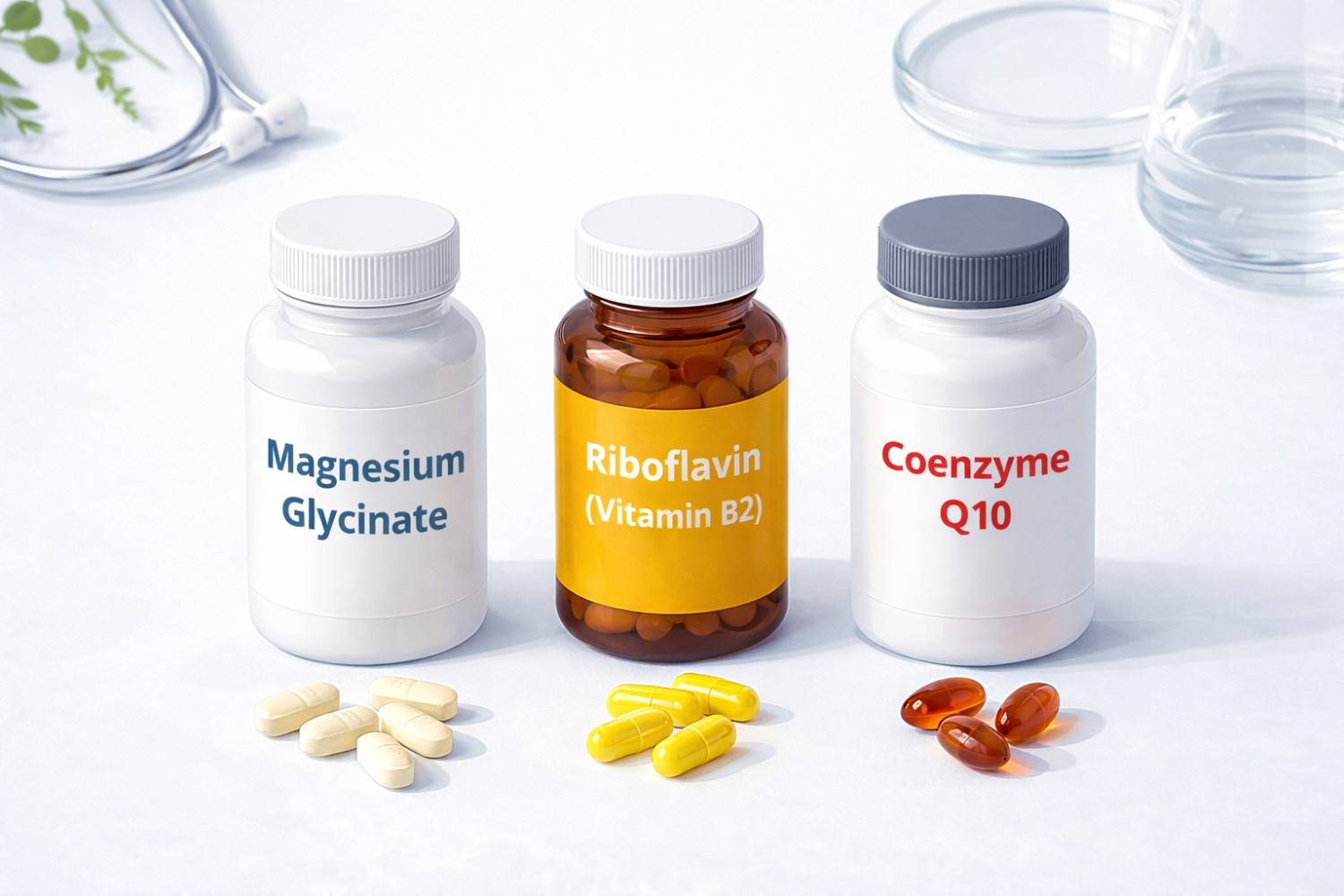
    Among the best-studied options are magnesium, riboflavin (vitamin B2), and coenzyme Q10 (CoQ10). These supplements are widely available, generally well tolerated, and supported by clinical evidence showing they can reduce migraine frequency and severity for some patients.

    In this article, we’ll explore how these nutraceuticals work, what the science says, and how to use them safely and effectively.

    Why Consider Nutraceuticals for Migraine Prevention?

    Many people living with migraine are drawn to nutraceuticals for practical and personal reasons.

    Safety: Side effects are usually mild compared with prescription preventives.
    Accessibility: Available over the counter without a prescription.
    Affordability: Often less expensive than long-term medications.
    Personal preference: Ideal for those seeking natural or non-drug options.

    While nutraceuticals are typically less potent than prescription preventives, they can still provide meaningful benefit, especially when used consistently or as part of a combined treatment plan.

    Why Magnesium Works

    Magnesium plays a critical role in nerve signaling, blood vessel regulation, and energy metabolism in the brain. Low magnesium levels have been linked to migraine, particularly migraine with aura. Supplementation may help stabilize nerve cells and reduce brain hyperexcitability.

    What the Evidence Shows

    Clinical studies suggest magnesium supplementation can reduce migraine frequency, especially in people with aura. Meta-analyses show a modest but statistically significant benefit compared with placebo. Because of this, magnesium is frequently recommended as a first-line nutraceutical option.

    Typical Dosing

    Most studies use 400–600 mg daily. Magnesium citrate and magnesium glycinate are better absorbed than magnesium oxide. Dividing the dose can help reduce gastrointestinal side effects.

    Possible Side Effects

    Diarrhea or stomach upset is the most common side effect. Magnesium is generally safe unless taken in very high doses or used by people with significant kidney disease.

    Why Riboflavin Works

    Riboflavin is essential for mitochondrial energy production. Migraine has been associated with impaired energy metabolism in brain cells. Riboflavin supplementation may help correct this imbalance, making the brain more resilient to migraine triggers.

    What the Evidence Shows

    Clinical trials using 400 mg daily of riboflavin have shown reductions in migraine frequency in adults. Pediatric studies also support its use. Benefits are usually seen after two to three months of consistent supplementation.

    Safety and Side Effects

    Riboflavin is extremely safe, with no serious adverse effects identified. It commonly causes bright yellow urine, which is harmless but can be surprising.

    Why CoQ10 Works

    CoQ10 supports mitochondrial energy production and cellular efficiency. By improving energy availability in brain cells, CoQ10 may reduce vulnerability to migraine triggers and decrease headache frequency.

    What the Evidence Shows

    Several small studies show CoQ10 can reduce migraine frequency and headache days, particularly in people with suspected mitochondrial dysfunction. Effective doses typically range from 100–300 mg daily.

    Side Effects

    CoQ10 is very well tolerated. Some people experience mild stomach upset, but serious side effects are rare.

    How These Nutraceuticals Compare

    Magnesium is typically taken at 400–600 mg daily and has moderate evidence supporting its use, particularly for migraine with aura.
    Riboflavin is used at 400 mg daily, also with moderate evidence, and has strong safety data including pediatric studies.
    CoQ10 is taken at 100–300 mg daily and has emerging evidence, especially in patients with suspected mitochondrial dysfunction.

    Who Benefits Most from Nutraceuticals?

    Nutraceuticals for migraine prevention may be especially helpful for people with mild to moderate migraine, those with frequent aura, patients who cannot tolerate prescription preventives, and individuals looking for complementary therapy alongside standard medications.

    Practical Tips for Using Nutraceuticals

    Consistency matters. Supplements should be taken daily for at least two to three months before judging effectiveness. Choose high-quality brands with third-party testing. Avoid megadoses, as more is not always better. Nutraceuticals can usually be combined with each other or with prescription preventives. Tracking symptoms with a headache diary can help determine whether frequency or severity improves.

    Take-Home Message

    Magnesium, riboflavin, and CoQ10 are safe, accessible, and evidence-based nutraceuticals for migraine prevention. Although their effects are usually more modest than prescription medications, they offer meaningful benefits for many people and can play an important role in a comprehensive migraine prevention strategy.

  • Gepants for Migraine Prevention: Atogepant and Rimegepant

    Gepants for Migraine Prevention: Atogepant and Rimegepant

    In recent years, gepants have become one of the most important advances in migraine treatment. While originally developed for acute migraine relief, certain gepants are now also approved for migraine prevention. Unlike older oral preventives—many of which were borrowed from epilepsy, depression, or blood pressure treatment—gepants were designed specifically around migraine biology.

    The two oral gepants approved for migraine prevention are atogepant and rimegepant. For many patients, they offer an effective and well-tolerated preventive option without the drawbacks of traditional therapies.

    How Gepants Work in Migraine

    Migraine is driven in large part by the activity of calcitonin gene-related peptide (CGRP). During a migraine attack, CGRP is released from trigeminal nerve endings, leading to several downstream effects.

    CGRP:

    • Dilates blood vessels in the brain
    • Increases inflammation around pain-sensitive nerves
    • Amplifies pain signaling pathways

    Gepants work by blocking the CGRP receptor, preventing CGRP from activating these migraine pathways. By interrupting this process early, gepants reduce the brain’s sensitivity to migraine triggers and help prevent attacks before they start.

    Extensive research on CGRP’s role in migraine has been published in journals such as The New England Journal of Medicine and Cephalalgia.

    Atogepant (Qulipta) for Migraine Prevention

    Atogepant is the first gepant approved specifically for preventive treatment of migraine.

    Evidence for Effectiveness

    Large randomized clinical trials, including ADVANCE and PROGRESS, demonstrated that atogepant is effective in both episodic and chronic migraine.

    Key findings include:

    • An average reduction of 4–7 monthly migraine days
    • Approximately 50–60% of patients achieved at least a 50% reduction in migraine frequency
    • Benefits were sustained over long-term follow-up, with continued improvement over months

    Results from these trials were published in leading journals such as The Lancet and JAMA.

    Dosing

    • Taken once daily by mouth
    • Available doses range from 10 mg to 60 mg, depending on patient profile and tolerability

    The simplicity of once-daily dosing makes atogepant easy to integrate into daily routines.

    Side Effects

    Atogepant is generally well tolerated. The most commonly reported side effects are:

    • Constipation
    • Nausea
    • Fatigue

    Compared with older oral preventives, systemic side effects are usually mild.

    Rimegepant (Nurtec ODT) for Migraine Prevention

    Rimegepant is unique among migraine medications because it is approved for both acute and preventive treatment.

    Evidence for Effectiveness

    In preventive trials, patients taking rimegepant every other day experienced:

    • A reduction of 4–5 monthly migraine days compared with placebo
    • Sustained benefit over one year of treatment
    • Improved quality-of-life scores and reduced need for acute medications

    These findings have been published in Headache: The Journal of Head and Face Pain and Neurology.

    Dosing

    • 75 mg orally disintegrating tablet (ODT)
    • Taken every other day for prevention
    • Dissolves on the tongue without water, offering convenience and discretion

    Side Effects

    • Nausea is the most commonly reported side effect
    • Overall tolerability is excellent
    • Rare hypersensitivity reactions have been reported

    Gepants vs CGRP Monoclonal Antibodies

    Both gepants and CGRP monoclonal antibodies target the CGRP pathway, but they differ in how they are used.

    • Gepants (atogepant, rimegepant)
      • Oral dosing (daily or every other day)
      • Shorter-acting and fully reversible
      • Mild gastrointestinal side effects in some patients
    • CGRP monoclonal antibodies
      • Injectable (monthly or quarterly)
      • Long-acting and convenient for adherence
      • Injection-site reactions or constipation in some patients

    Both approaches are highly effective. The choice often depends on patient preference, insurance coverage, comorbid conditions, and prior treatment response.

    Who Should Consider Gepants for Prevention?

    Preventive gepants may be a good option for:

    • Patients with frequent migraine attacks not well controlled on older preventives
    • Those who cannot tolerate topiramate, beta-blockers, or antidepressants
    • Patients who prefer oral therapy over injections
    • People with migraine and cardiovascular disease, where triptans or some older preventives may be limited

    Access and Coverage in Canada

    Access to gepants continues to evolve in Canada.

    Currently:

    • Atogepant is approved for migraine prevention, with coverage depending on private insurance or special authorization
    • Rimegepant is approved for both acute and preventive use, though not all provincial drug plans cover it yet
    • Out-of-pocket costs can be high without insurance

    Manufacturer patient support programs and private insurance plans may help reduce financial barriers.

    Practical Tips for Patients

    • Take consistently: Preventive gepants work best when taken on schedule
    • Track migraine days to assess benefit and support coverage approvals
    • Be patient: Improvement often begins within 4–8 weeks, with full benefit by about 3 months
    • Report side effects, especially persistent constipation or fatigue
    • Ask about coverage support, including manufacturer programs

    Lifestyle strategies such as regular sleep, hydration, and stress management further improve outcomes.

    Take-Home Message

    Atogepant and rimegepant represent a major step forward in migraine prevention. By targeting the CGRP pathway with convenient oral dosing, they provide effective and well-tolerated alternatives to traditional preventive medications.

    For patients seeking an oral option without the cognitive, weight, or cardiovascular side effects of older therapies, gepants offer new hope for long-term migraine control.

  • Botox for Chronic Migraine Prevention

    Botox for Chronic Migraine Prevention

    For people living with chronic migraine—defined as 15 or more headache days per month, with at least 8 migraine days—the burden can be profound. Work, family life, and mental health often suffer, and relying on acute medications alone is rarely enough.

    One of the most effective and well-studied preventive treatments for chronic migraine is onabotulinumtoxinA, better known by the brand name Botox. Unlike many older preventives, Botox is specifically approved for chronic migraine and has a strong evidence base supporting long-term use.

    How Botox Works in Migraine

    Botox is a purified neurotoxin derived from Clostridium botulinum. When injected in very small amounts into specific muscles of the head and neck, it does not work the same way as cosmetic Botox.

    In migraine prevention, Botox:

    • Blocks the release of pain-related neurotransmitters such as CGRP and substance P
    • Calms overactive pain pathways in the trigeminal nerve system
    • Reduces peripheral nerve sensitization, making migraine attacks less likely to start

    Rather than relaxing muscles alone, Botox primarily acts on pain signaling, helping prevent migraine before it escalates.

    Evidence for Effectiveness

    The strongest evidence for Botox comes from the landmark PREEMPT 1 and PREEMPT 2 trials, which established Botox as an effective preventive therapy for chronic migraine.

    These large randomized studies showed that Botox:

    • Reduced monthly headache days by an average of 8–9 days
    • Significantly improved quality-of-life and disability scores
    • Became more effective with repeated treatment cycles, highlighting the importance of consistency

    Results from these trials were published in leading journals such as Headache: The Journal of Head and Face Pain and Neurology.

    You can explore these findings further here:
    https://headachejournal.onlinelibrary.wiley.com
    https://www.neurology.org

    Real-world clinical experience has confirmed these results, with many patients reporting fewer, shorter, and less severe migraine attacks after several rounds of treatment.

    The Botox Procedure for Chronic Migraine

    Botox is administered every 12 weeks in a neurologist’s or headache specialist’s office.

    What to expect:

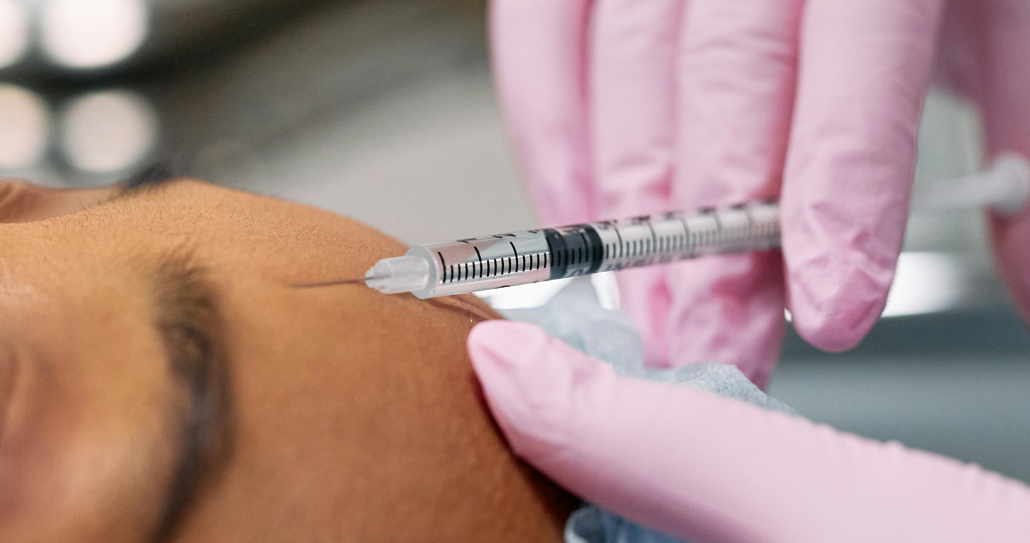
    • Injection pattern: Approximately 31 injections across the forehead, temples, scalp, back of the head, neck, and shoulders
    • Time required: About 10–15 minutes
    • Anesthesia: Not required; needles are very small and discomfort is brief

    Although the number of injections may sound intimidating, most patients tolerate the procedure well and describe it as manageable.

    Side Effects and Safety

    Botox is generally well tolerated, especially when administered by an experienced provider.

    Common side effects include:

    • Neck pain or stiffness
    • Local soreness at injection sites
    • Mild shoulder or neck weakness

    Less common:

    • Eyelid drooping (ptosis)
    • Temporary changes in neck posture

    These effects are usually mild and resolve within days to weeks. Serious side effects are rare when proper dosing and injection techniques are used.

    Importantly, Botox does not cause weight gain, sedation, or cognitive side effects, which makes it appealing for long-term use.

    Who Is a Candidate for Botox?

    Botox is approved only for chronic migraine, not episodic migraine.

    To qualify, patients typically must:

    • Have 15 or more headache days per month, with at least 8 migraine days, for at least 3 months
    • Have other causes of frequent headache ruled out
    • Have tried and failed at least two oral preventive medications, unless contraindicated or poorly tolerated

    Eligibility requirements may vary slightly depending on insurance or provincial coverage policies.

    How Soon Does Botox Start Working?

    Response timing varies:

    • Some patients notice improvement after the first treatment cycle
    • Most require 2–3 cycles (6–9 months) to fully assess benefit

    If no meaningful improvement is seen after three treatment cycles, Botox is usually discontinued and alternative options are explored.

    Access and Coverage in Canada

    Botox for chronic migraine is often covered in Canada, though approval usually requires documentation.

    Coverage pathways include:

    • Provincial drug programs, once eligibility criteria and prior authorization are met
    • Private insurance plans, with proof of chronic migraine diagnosis and preventive treatment failures
    • Hospital-based programs in some regions, where treatment costs may be partially or fully supported

    Neurologists and headache clinics are typically familiar with the approval process and required paperwork.

    Practical Tips for Patients

    • Keep a headache diary to document headache days and treatment response
    • Plan ahead, as injections are required every 12 weeks
    • Be patient, since benefits often build over multiple cycles
    • Report side effects, especially neck weakness or eyelid drooping
    • Combine Botox with lifestyle strategies, such as regular sleep, stress management, and trigger reduction

    Many patients also use Botox alongside other preventives, including CGRP monoclonal antibodies, when appropriate.

    Take-Home Message

    Botox is a proven, effective preventive treatment for chronic migraine. By calming pain pathways in the head and neck, it significantly reduces headache frequency, improves quality of life, and offers relief to patients whose migraines are otherwise difficult to control.

    Although it requires ongoing injections every three months, many people find the benefits far outweigh the inconvenience. For eligible patients with chronic migraine, Botox can be a transformative part of long-term migraine management.