
Tag: migraine medication

  • Migraine and Breastfeeding: What Treatments Are Considered Safe

    Migraine and Breastfeeding: What Treatments Are Considered Safe

    After pregnancy, many women look forward to bonding with their newborn and settling into a new routine. For people living with migraine, however, the postpartum period can feel especially challenging. Hormonal changes, sleep deprivation, skipped meals, and stress can all increase the risk of migraine attacks. At the same time, breastfeeding mothers often worry about whether migraine medications could harm their baby.

    The good news is that migraine and breastfeeding are not mutually exclusive. With thoughtful planning and evidence-based guidance, it is possible to treat migraine effectively while protecting your infant. Understanding which treatments are considered safe can help you feel more confident and supported during this stage of life.

    Migraine in the Postpartum Period

    Many women notice that migraine patterns change after delivery. Some experience a welcome break during pregnancy, only to have attacks return weeks later. Others see little change at all.

    A common pattern is the return of migraine within the first month postpartum. Estrogen levels drop rapidly after delivery, which can trigger attacks in people who are hormonally sensitive. Sleep disruption is another major factor. Newborn care often means frequent night awakenings, irregular schedules, and physical exhaustion, all of which are well-known migraine triggers.

    Breastfeeding itself affects migraine differently from person to person. Some women report fewer attacks while nursing, possibly due to more stable hormone levels compared to formula feeding. Others notice no improvement or even worsening symptoms. There is no single “normal” experience, which is why individualized treatment matters so much.

    General Principles of Migraine Treatment While Breastfeeding

    When managing migraine during breastfeeding, most clinicians follow a few core principles. These guidelines help balance symptom relief with infant safety.

    Using the lowest effective dose for the shortest necessary time reduces medication exposure through breast milk. Drugs with established safety records in lactation are preferred whenever possible. Timing also matters. Taking medication immediately after breastfeeding or pumping can allow drug levels in milk to decline before the next feed.

    Non-drug strategies remain the foundation of migraine care in the postpartum period. Regular meals, adequate hydration, short naps when possible, and gentle stress reduction can significantly reduce attack frequency. These lifestyle measures may feel simple, but they are powerful tools when used consistently.

    Acute Migraine Treatment Options While Breastfeeding

    Acute treatments are used to stop migraine attacks once they start. Several commonly used options are considered compatible with breastfeeding.

    Acetaminophen is widely regarded as safe and is often the first-line choice for mild to moderate migraine attacks. It passes into breast milk in very small amounts and has a long history of use in nursing mothers.

    Nonsteroidal anti-inflammatory drugs, or NSAIDs, are also commonly used. Ibuprofen is considered especially safe during breastfeeding due to its short half-life and minimal transfer into breast milk. Naproxen is generally compatible as well when used occasionally. Aspirin, however, is usually avoided in breastfeeding because of concerns about Reye’s syndrome in infants.

    Triptans are often essential for moderate to severe migraine. Sumatriptan is the most studied triptan in breastfeeding and is considered safe. Only tiny amounts enter breast milk, and absorption by the infant is minimal. Other triptans have less published data, but available evidence suggests low risk. Some mothers choose to pump and discard milk for several hours after taking a triptan, but most professional guidelines state this step is not necessary.

    Migraine-related nausea can be just as disabling as head pain. Several anti-nausea medications are considered safe during breastfeeding. Metoclopramide and domperidone have been used extensively and may even increase milk supply by raising prolactin levels. Ondansetron is also considered compatible with breastfeeding and is commonly prescribed.

    Preventive Migraine Treatments During Breastfeeding

    Preventive medications are taken regularly to reduce how often migraine attacks occur. Many breastfeeding mothers prefer to avoid daily medications, but some need them due to frequent or severe migraine.

    Certain beta-blockers are commonly used preventives in the postpartum period. Propranolol and metoprolol are generally considered safe during breastfeeding. Infants should be monitored for signs of low heart rate or unusual sleepiness, but serious problems are rare.

    Amitriptyline is another preventive option with reassuring safety data. Levels in breast milk are low, and it is often used when migraine is accompanied by sleep problems or mood symptoms.

    Non-drug preventives are especially appealing during breastfeeding. Magnesium and riboflavin (vitamin B2) are both considered safe and may reduce migraine frequency for some people. These supplements are often recommended as first steps before starting prescription preventives.

    Newer migraine treatments, such as CGRP monoclonal antibodies, have very limited data in breastfeeding. Because of this uncertainty, they are usually avoided until more research is available. Topiramate does pass into breast milk in small amounts. Some guidelines allow cautious use, but infant growth and development should be monitored closely.

    Migraine Treatments to Avoid or Use With Caution

    Not all migraine treatments are compatible with breastfeeding. Valproate is generally contraindicated because of risks to infant liver health and development. Ergot derivatives are unsafe due to strong blood vessel constriction and their potential to reduce milk supply.

    Aspirin is also discouraged in breastfeeding, especially at higher doses, because of the theoretical risk of Reye’s syndrome. When in doubt, it is always best to check a reliable reference or speak directly with a healthcare professional.

    Practical Strategies for Breastfeeding Mothers With Migraine

    Small adjustments can make a meaningful difference in managing migraine while breastfeeding. Timing medication doses right after feeds can help minimize infant exposure. Keeping a close eye on both mother and baby is important when preventive medications are used. Watch for unusual infant sleepiness, feeding difficulties, or irritability, and report concerns promptly.

    Hydration and nutrition are especially important in the postpartum period. Skipped meals and dehydration are common migraine triggers when caring for a newborn. Simple snacks, water bottles within reach, and gentle reminders can help maintain consistency.

    Support systems matter. Sharing nighttime feedings with a partner when possible or accepting help from family members can reduce sleep deprivation, one of the strongest migraine triggers. Reliable information sources are also essential. LactMed, maintained by the U.S. National Library of Medicine, provides up-to-date evidence on medication safety during breastfeeding and is trusted by clinicians worldwide. You can access it here: https://www.ncbi.nlm.nih.gov/books/NBK501922/

    For broader migraine guidance, authoritative resources include the American Migraine Foundation (https://americanmigrainefoundation.org/) and peer-reviewed research published in journals such as Neurology and Headache: The Journal of Head and Face Pain.

    Take-Home Message

    Migraine management during breastfeeding is not only possible, it is often very effective with the right approach. Acute treatments such as acetaminophen, ibuprofen, naproxen, sumatriptan, and several anti-nausea medications are considered safe for nursing mothers. Preventive options like propranolol, metoprolol, and amitriptyline can be used when needed, while supplements such as magnesium and riboflavin offer non-drug support.

    Every mother’s situation is unique. With careful medication selection, smart timing, and guidance from a healthcare provider familiar with migraine and lactation, it is possible to control migraine attacks while continuing to breastfeed confidently.

    This content is for informational purposes only and does not replace medical advice. Always consult your healthcare provider before starting or changing migraine treatments while breastfeeding.


  • Nutraceuticals in Migraine Prevention: Magnesium, Riboflavin, and CoQ10

    Nutraceuticals in Migraine Prevention: Magnesium, Riboflavin, and CoQ10

    Not every person with migraine wants—or needs—to start with prescription medication for prevention. Many people prefer to explore natural options first, while others use them alongside standard treatments. This is where nutraceuticals for migraine prevention come in.

    Among the best-studied options are magnesium, riboflavin (vitamin B2), and coenzyme Q10 (CoQ10). These supplements are widely available, generally well tolerated, and supported by clinical evidence showing they can reduce migraine frequency and severity for some patients.

    In this article, we’ll explore how these nutraceuticals work, what the science says, and how to use them safely and effectively.

    Why Consider Nutraceuticals for Migraine Prevention?

    Many people living with migraine are drawn to nutraceuticals for practical and personal reasons.

    Safety: Side effects are usually mild compared with prescription preventives.
    Accessibility: Available over the counter without a prescription.
    Affordability: Often less expensive than long-term medications.
    Personal preference: Ideal for those seeking natural or non-drug options.

    While nutraceuticals are typically less potent than prescription preventives, they can still provide meaningful benefit, especially when used consistently or as part of a combined treatment plan.

    Why Magnesium Works

    Magnesium plays a critical role in nerve signaling, blood vessel regulation, and energy metabolism in the brain. Low magnesium levels have been linked to migraine, particularly migraine with aura. Supplementation may help stabilize nerve cells and reduce brain hyperexcitability.

    What the Evidence Shows

    Clinical studies suggest magnesium supplementation can reduce migraine frequency, especially in people with aura. Meta-analyses show a modest but statistically significant benefit compared with placebo. Because of this, magnesium is frequently recommended as a first-line nutraceutical option.

    Typical Dosing

    Most studies use 400–600 mg daily. Magnesium citrate and magnesium glycinate are better absorbed than magnesium oxide. Dividing the dose can help reduce gastrointestinal side effects.

    Possible Side Effects

    Diarrhea or stomach upset is the most common side effect. Magnesium is generally safe unless taken in very high doses or used by people with significant kidney disease.

    Why Riboflavin Works

    Riboflavin is essential for mitochondrial energy production. Migraine has been associated with impaired energy metabolism in brain cells. Riboflavin supplementation may help correct this imbalance, making the brain more resilient to migraine triggers.

    What the Evidence Shows

    Clinical trials using 400 mg daily of riboflavin have shown reductions in migraine frequency in adults. Pediatric studies also support its use. Benefits are usually seen after two to three months of consistent supplementation.

    Safety and Side Effects

    Riboflavin is extremely safe, with no serious adverse effects identified. It commonly causes bright yellow urine, which is harmless but can be surprising.

    Why CoQ10 Works

    CoQ10 supports mitochondrial energy production and cellular efficiency. By improving energy availability in brain cells, CoQ10 may reduce vulnerability to migraine triggers and decrease headache frequency.

    What the Evidence Shows

    Several small studies show CoQ10 can reduce migraine frequency and headache days, particularly in people with suspected mitochondrial dysfunction. Effective doses typically range from 100–300 mg daily.

    Side Effects

    CoQ10 is very well tolerated. Some people experience mild stomach upset, but serious side effects are rare.

    How These Nutraceuticals Compare

    Magnesium is typically taken at 400–600 mg daily and has moderate evidence supporting its use, particularly for migraine with aura.
    Riboflavin is used at 400 mg daily, also with moderate evidence, and has strong safety data including pediatric studies.
    CoQ10 is taken at 100–300 mg daily and has emerging evidence, especially in patients with suspected mitochondrial dysfunction.

    Who Benefits Most from Nutraceuticals?

    Nutraceuticals for migraine prevention may be especially helpful for people with mild to moderate migraine, those with frequent aura, patients who cannot tolerate prescription preventives, and individuals looking for complementary therapy alongside standard medications.

    Practical Tips for Using Nutraceuticals

    Consistency matters. Supplements should be taken daily for at least two to three months before judging effectiveness. Choose high-quality brands with third-party testing. Avoid megadoses, as more is not always better. Nutraceuticals can usually be combined with each other or with prescription preventives. Tracking symptoms with a headache diary can help determine whether frequency or severity improves.

    Take-Home Message

    Magnesium, riboflavin, and CoQ10 are safe, accessible, and evidence-based nutraceuticals for migraine prevention. Although their effects are usually more modest than prescription medications, they offer meaningful benefits for many people and can play an important role in a comprehensive migraine prevention strategy.

  • Antidepressants (Amitriptyline and Venlafaxine) in Migraine Prevention

    Antidepressants (Amitriptyline and Venlafaxine) in Migraine Prevention

    Some medications originally developed to treat depression and anxiety also play an important role in migraine prevention. Two of the most studied options are amitriptyline, a tricyclic antidepressant, and venlafaxine, a serotonin–norepinephrine reuptake inhibitor (SNRI).

    Although these medications can improve mood and anxiety, their benefit in migraine is independent of their antidepressant effects. Many people without depression still respond well. For others, they offer a valuable dual benefit: fewer migraine attacks and better sleep or emotional stability.

    Why Antidepressants Work for Migraine

    Migraine is a disorder of brain pain regulation, not just blood vessels. Antidepressants act on several systems central to migraine biology.

    Serotonin and Norepinephrine Modulation

    Both serotonin and norepinephrine help regulate pain transmission in the brainstem. Dysregulation of these neurotransmitters is strongly linked to migraine susceptibility. Amitriptyline and venlafaxine help restore balance in these pathways.

    Dampening Pain Pathways

    By altering central pain-processing circuits, antidepressants reduce how strongly the brain responds to migraine triggers. This lowers overall attack frequency and intensity.

    Improving Sleep Quality

    Poor sleep is one of the most common migraine triggers. Amitriptyline, in particular, improves sleep depth and continuity, which can significantly improve migraine control.

    Calming an Overexcitable Brain

    Migraine brains are often hyperresponsive. Antidepressants reduce this baseline excitability, making attacks less likely to start.

    Because of these effects, antidepressants can be effective even in people without depression or anxiety.

    Amitriptyline for Migraine Prevention

    Amitriptyline is one of the oldest and most studied migraine preventive medications.

    Evidence

    Clinical trials and long-term experience show that amitriptyline:

    • Reduces migraine frequency, particularly in people with frequent attacks
    • Is especially helpful in patients with insomnia, tension-type headache, or depression
    • Achieves a 50% or greater reduction in migraine days in about 40–50% of patients

    Its effectiveness is supported by research published in journals such as Headache: The Journal of Head and Face Pain and Neurology.

    How It’s Taken

    • Usually started at 10–25 mg at night
    • Increased gradually as tolerated
    • Typical effective dose: 25–75 mg nightly

    Because it is sedating, amitriptyline is taken in the evening. Benefits develop gradually over several weeks.

    Side Effects

    Common side effects include:

    • Drowsiness
    • Dry mouth
    • Constipation
    • Weight gain

    Less common but important:

    • Heart rhythm changes, especially in older adults or at higher doses

    Many people appreciate the sleep benefits, but some feel groggy in the morning. Dose timing and slow titration can help.

    Venlafaxine for Migraine Prevention

    Venlafaxine is an SNRI that works on both serotonin and norepinephrine, similar to amitriptyline but with a different side effect profile.

    Evidence

    Studies suggest venlafaxine is effective for migraine prevention, particularly at doses also used for anxiety or depression. It may be especially helpful for patients with generalized anxiety disorder or stress-triggered migraine.

    Research supporting its use has appeared in journals such as Cephalalgia.

    How It’s Taken

    • Typically prescribed as 37.5–75 mg once daily (extended-release form)
    • Can be increased if needed, though higher doses do not always improve migraine benefit

    Consistent daily dosing is important.

    Side Effects

    Common side effects include:

    • Nausea
    • Jitteriness
    • Sweating
    • Insomnia

    Venlafaxine can cause withdrawal symptoms if doses are missed, so adherence matters. At higher doses, it may raise blood pressure, requiring periodic monitoring.

    Choosing Between Amitriptyline and Venlafaxine

    The choice often depends on individual symptoms and tolerability.

    • Amitriptyline may be preferred if insomnia, tension-type headache, or nighttime anxiety is prominent
    • Venlafaxine may be a better option for patients with daytime fatigue or significant anxiety
    • Both medications are generic, affordable, and widely available

    Neither option is universally better—the best choice is highly individualized.

    Who Should Avoid These Medications?

    These drugs are not appropriate for everyone.

    • Amitriptyline may not be ideal for people with obesity, known heart rhythm problems, or sensitivity to sedating medications
    • Venlafaxine should be used cautiously in patients with uncontrolled high blood pressure or a history of severe antidepressant withdrawal
    • Both medications are generally avoided during pregnancy unless benefits clearly outweigh risks, as safety data is limited

    Always discuss personal risks with a healthcare provider.

    Practical Tips for Patients

    • Start low and go slow to minimize side effects
    • Be patient—benefits often take 6–8 weeks
    • Take consistently, especially with venlafaxine
    • Track migraine days to assess effectiveness
    • Report side effects early, as dose adjustments often help

    Lifestyle measures such as regular sleep, stress management, and hydration enhance preventive treatment success.

    Take-Home Message

    Amitriptyline and venlafaxine are effective, affordable options for migraine prevention. By modulating serotonin and norepinephrine, they reduce migraine frequency and stabilize brain pain pathways.

    For people with migraine plus depression, anxiety, or sleep problems, these medications may provide meaningful additional benefits. While side effects are common, many patients tolerate them well with gradual dose increases and consistent use.

  • Topiramate for Migraine Prevention: Evidence, Benefits, and Safety

    Topiramate for Migraine Prevention: Evidence, Benefits, and Safety

    Topiramate for migraine prevention is one of the most trusted and commonly prescribed treatments for reducing migraine frequency. Although it was originally developed as an anti-seizure medication, researchers later discovered its strong preventive effects for migraine. Today, topiramate is considered a first-line preventive option with well-established clinical evidence behind it.

    If you’re exploring topiramate—or your doctor recently recommended it—this guide breaks down how it works, how to take it, expected benefits, possible side effects, and practical tips to help you use it safely and successfully.

    How Topiramate Works for Migraine

    The exact way topiramate prevents migraines isn’t fully understood, but researchers have identified several key actions that help calm the “migraine-prone” brain:

    1. Calming Overactive Nerve Cells

    People with migraine often have brains that respond more intensely to sensory input. Topiramate reduces this excitability, making the brain less likely to tip into a migraine attack.

    2. Modulating Neurotransmitters

    Topiramate balances important brain chemicals by increasing calming GABA activity and reducing stimulating glutamate. This shift helps stabilize brain function over time.

    3. Stabilizing Ion Channels

    Ion channels regulate electrical activity in the brain. Topiramate helps keep those channels steady, preventing abnormal bursts of activity that can spark a migraine.

    4. Reducing Cortical Spreading Depression

    This wave of electrical activity is thought to cause migraine aura. Topiramate may reduce its likelihood or intensity.

    Together, these effects support a calmer, more stable nervous system and fewer migraine attacks.

    Evidence for Topiramate’s Effectiveness

    Topiramate is one of the most well-studied migraine preventive medications. Large randomized controlled trials have consistently shown:

    • A reduction of 2–3 migraine days per month compared with placebo.
    • About 50% of patients achieve at least a 50% reduction in migraine frequency.
    • Benefits in both episodic and chronic migraine.

    How to Take Topiramate for Migraine Prevention

    Topiramate is taken as a daily oral tablet, not just during migraine attacks.

    Typical dosing plan:

    • Starting dose: 25 mg at night
    • Titration: Increase by 25 mg per week to reduce the chance of side effects
    • Target dose: 50 mg twice daily (100 mg total), though some people do well at lower doses

    Consistency matters. For best results, take it at the same time every day and follow your doctor’s titration schedule closely.

    Common Side Effects

    Topiramate works well for many people, but it is also famous for its side effects. Not everyone experiences them, and many improve with slow dose increases.

    Most common effects:

    • Tingling in hands and feet (paresthesias)
    • Word-finding difficulty or trouble concentrating
    • Weight loss
    • Fatigue or sleepiness
    • Taste changes, especially making carbonated drinks taste flat

    These effects may feel distracting at first but often improve once your body adjusts.

    Rare but Serious Side Effects

    Although uncommon, some effects require quick attention:

    • Kidney stones: Staying hydrated helps reduce this risk.
    • Glaucoma: Warning signs include eye pain or sudden vision changes.
    • Metabolic acidosis: More likely in people with kidney issues and usually monitored through blood tests if needed.

    If anything feels unusual, always speak with your healthcare provider promptly.

    Who Should Avoid Topiramate?

    Topiramate may not be the best choice for:

    • People with a history of kidney stones
    • Those who rely heavily on sharp cognitive function at work or school
    • Pregnant women, because of the increased risk of birth defects
    • Individuals with glaucoma or serious kidney disease

    Always discuss your full medical history before starting treatment.

    How Long Does It Take to Work?

    Topiramate requires patience. Most people need:

    • 6–8 weeks at the target dose to see improvement
    • A full 3-month trial to evaluate effectiveness

    If it helps, doctors often recommend continuing it for 6–12 months before considering a slow taper.

    Practical Tips for Getting the Best Results

    Start low and go slow

    This is the key to reducing side effects and staying on the medication long enough to judge its effectiveness.

    Stay hydrated

    This simple step reduces kidney stone risk significantly.

    Keep a headache diary

    Track changes in frequency, intensity, and triggers. It’s the easiest way to see whether topiramate is helping.

    Monitor cognitive changes

    Report memory or speech changes early—dose adjustments often help.

    Discuss pregnancy plans

    People who can become pregnant should review contraception and family planning before starting topiramate.

    Take-Home Message

    Topiramate is a powerful and proven tool for migraine prevention. About half of those who try it experience a major drop in monthly migraine attacks, and many see meaningful improvement in their overall quality of life. While side effects like tingling or word-finding difficulty are common, they’re often manageable with slow titration and good communication with your healthcare provider.

    With the right expectations and guidance, topiramate can be an effective step toward long-term migraine relief.

  • Gepants for Acute Migraine: Rimegepant and Ubrogepant

    Gepants for Acute Migraine: Rimegepant and Ubrogepant

    For many years, acute migraine treatment relied heavily on triptans and NSAIDs. While these medications help countless patients, they aren’t right for everyone. Some people cannot use triptans because of cardiovascular concerns, while others struggle with stomach irritation or inadequate relief from NSAIDs.

    That’s where gepants for acute migraine come in. Gepants—specifically rimegepant and ubrogepant—offer a modern, highly targeted option that works directly on the CGRP pathway, a major driver of migraine attacks. Because they don’t constrict blood vessels, gepants provide a safer alternative for patients with cardiovascular risk factors, while still delivering meaningful, long-lasting relief.

    What Are Gepants?

    Gepants are a newer class of oral medications designed to block calcitonin gene-related peptide (CGRP), a key molecule involved in migraine pain, inflammation, and sensitivity. During a migraine, CGRP levels rise and promote:

    • Blood vessel dilation
    • Inflammation around nerve endings
    • Enhanced pain signaling in the brain

    By blocking CGRP receptors, gepants interrupt the migraine process without affecting blood vessels. This makes them fundamentally different from triptans, which tighten blood vessels and therefore cannot be used in people with certain heart or stroke risks.

    The two gepants currently approved for acute migraine treatment are:

    • Rimegepant (Nurtec ODT)
    • Ubrogepant (Ubrelvy)

    Rimegepant is also approved for preventive use in some regions, making it the first dual-purpose CGRP medication.

    How Do Gepants Work?

    Both rimegepant and ubrogepant bind to CGRP receptors and block them from activating migraine-related pain pathways. This mechanism helps reduce:

    • Head pain
    • Nausea
    • Light and sound sensitivity
    • Overall migraine severity

    Unlike many other acute treatments, gepants do not cause chest tightness, vascular changes, or sedation. They target the source of the attack without affecting heart or blood vessel function.

    Effectiveness of Gepants

    Clinical studies—including those published in Cephalalgia and Neurology Journal show strong, consistent benefits for rimegepant and ubrogepant:

    • Pain freedom at 2 hours: ~20% of patients become completely pain-free, compared with ~10% using placebo
    • Relief of the most bothersome symptom: ~35–40% notice improvement in symptoms such as nausea or light sensitivity
    • Sustained relief for up to 48 hours without needing additional doses

    While gepants may not always act as quickly as some triptans, their longer duration and excellent tolerability make them a valuable option for many patients.

    How to Take Gepants

    Rimegepant (Nurtec ODT)

    • Dose: 75 mg, placed on the tongue
    • Dissolves without water, helpful during nausea
    • One dose per 24 hours

    Ubrogepant (Ubrelvy)

    • Dose: 50 mg or 100 mg tablet
    • May take a second dose after 2 hours if needed
    • Maximum: 200 mg in 24 hours

    Both medications work best when taken early in the migraine attack, but unlike some other treatments, they can still be effective later if the early window is missed.

    Side Effects and Safety

    Gepants are generally very well tolerated. The most common side effects are mild and short-lived:

    • Nausea
    • Drowsiness or fatigue
    • Dry mouth

    Crucially, gepants do not cause:

    • Chest tightness
    • Vasoconstriction
    • Medication overuse headache (MOH), based on current evidence

    Because gepants are metabolized in the liver, patients with significant liver disease or those using strong CYP3A4 inhibitors (certain antifungals, some antibiotics, and others) may need dosage adjustments or may need to avoid gepants altogether.

    Who Benefits Most from Gepants?

    Gepants for acute migraine are especially useful for:

    • Patients who cannot take triptans because of heart disease, stroke history, or vascular risk factors
    • Patients who don’t respond well to triptans, or who get side effects
    • Patients who can’t tolerate NSAIDs due to gastrointestinal issues
    • Those looking for longer-lasting relief with a low side-effect burden

    They’re also helpful for patients who experience delayed migraines or who need a gentle but effective alternative.

    Gepants vs. Triptans

    FeatureTriptansGepants (Rimegepant, Ubrogepant)
    MechanismSerotonin receptor agonistsCGRP receptor antagonists
    Vascular effectsConstrict blood vesselsNo constriction
    Onset of actionOften fasterEffective, sometimes slower
    Use in heart diseaseContraindicatedGenerally safe
    Medication overuse headachePossible with frequent useNot shown to cause MOH

    Gepants don’t replace triptans entirely—they offer an alternative for patients who cannot or prefer not to use them.

    Access in Canada

    Access to gepants in Canada is evolving:

    • Rimegepant is approved for acute treatment and preventive treatment.
    • Ubrogepant is approved for acute treatment.
    • Coverage varies by province and insurance plan.
    • Some patients require special authorization or rely on private insurance.
    • Cost may be a barrier without coverage.

    Patients should check with their insurer or provincial drug program to explore affordability and eligibility.

    Practical Tips for Patients

    • Use early, but don’t worry if you miss the first hour—gepants still have benefit later.
    • Don’t stress over medication overuse headache: Gepants have not been shown to cause MOH.
    • Disclose all medications: Important to avoid liver-related interactions.
    • Track your results: Note pain relief, symptom changes, and duration.
    • Investigate insurance coverage: Some plans require special approval.

    Keeping a migraine diary can help identify patterns and help clinicians optimize your treatment plan.

    Take-Home Message

    Gepants like rimegepant and ubrogepant represent a major advancement in acute migraine care. By blocking the CGRP pathway, they provide targeted relief without the cardiovascular risks associated with triptans—and without the concerns of medication overuse headache. Although access and cost can be limiting factors, these medications offer valuable options for patients seeking safe, effective, and well-tolerated acute treatment.

  • Triptans: When and How They Are Used for Migraine

    Triptans: When and How They Are Used for Migraine

    For many people living with migraine, over-the-counter pain relievers like acetaminophen or ibuprofen just don’t cut it. When an attack hits hard or keeps coming back, a stronger and more targeted option is often needed. That’s where triptans for migraine come in.

    Triptans have been a core part of acute migraine treatment since the 1990s. They’re still one of the most effective choices today—especially when taken at the right time and in the right form. Understanding how triptans work, when to use them, and how to stay safe with these medications can make a big difference in how well they relieve your attacks.

    What Are Triptans?

    Triptans are prescription medications created specifically to stop a migraine attack at its source. Unlike general painkillers, they act on serotonin (5-HT1B/1D) receptors in the brain. By targeting these receptors, triptans help:

    • Constrict painful, dilated blood vessels around the brain
    • Reduce the release of pain-signaling chemicals like CGRP
    • Interrupt pain pathways in the brainstem

    This combination makes triptans uniquely effective for acute attacks. Instead of simply dulling the pain, they help shut down the migraine process itself.

    You may recognize some of the commonly prescribed options: sumatriptan, rizatriptan, eletriptan, zolmitriptan, naratriptan, frovatriptan, and almotriptan. While they all act on the same receptors, each triptan varies slightly in onset, duration, and side-effect profile—which is why patients sometimes need to try more than one to find their perfect match.

    When Are Triptans Used?

    Doctors typically recommend triptans for:

    • Moderate to severe migraine attacks, or
    • Milder attacks that don’t respond to non-prescription pain relievers

    Timing is everything. Triptans work best when taken early in the attack, ideally within the first 30–60 minutes after the pain begins. They can still help later on, but their effectiveness decreases the longer the migraine has progressed.

    It’s also important to know what triptans are not designed for. They are not preventive medications and shouldn’t be taken daily. Instead, they’re meant for occasional, “as-needed” relief—usually no more than about 9–10 days per month to avoid medication overuse headache.

    How Are Triptans Taken?

    One of the benefits of triptans is their range of formulations. This makes it easier for patients with different symptoms to find something that works smoothly for them.

    Tablets

    These are the most common and convenient option. For many people with predictable attacks and manageable nausea, tablets work very well.

    Orally disintegrating tablets (ODTs)

    These dissolve on the tongue, which can be helpful if you tend to feel queasy or don’t have water handy.

    Nasal sprays

    Nasal sprays offer faster absorption and bypass the digestive system—ideal when nausea or vomiting makes swallowing pills difficult.

    Injections (subcutaneous)

    These provide the fastest and strongest relief and are often used for severe attacks, status migrainosus, or emergency settings. Sumatriptan injections, for example, can work in as little as 10–15 minutes.

    Many triptans come in several forms. Sumatriptan, in particular, is available as a tablet, nasal spray, and injection.

    How Effective Are Triptans?

    When taken early, triptans relieve migraine pain within two hours for about 60–70% of patients, based on evidence from peer-reviewed clinical studies such as those published in Cephalalgia and Headache: The Journal of Head and Face Pain.

    Beyond pain relief, many people also experience improvement in:

    • Nausea
    • Light sensitivity
    • Sound sensitivity

    If you get relief but the migraine returns later in the day, many triptans allow a second dose—just be sure to follow your prescription instructions carefully.

    Because everyone’s body responds differently, some patients may need to try more than one triptan to find the best match. Differences in absorption, speed, and formula make each option unique.

    Safety and Side Effects

    Most people tolerate triptans well, but side effects can happen. These are usually mild and temporary, and may include:

    • Warmth or flushing
    • Tingling sensations
    • Dizziness or drowsiness
    • Tightness in the jaw, throat, or chest (usually harmless but should still be discussed with a doctor)

    Because triptans constrict blood vessels, doctors avoid prescribing them for patients with certain cardiovascular conditions, including:

    • A past heart attack or stroke
    • Uncontrolled high blood pressure
    • Significant vascular disease

    For adults over 40 or those with cardiac risk factors, many healthcare providers perform a basic cardiovascular assessment before starting triptans. This helps ensure the medication can be used safely.

    Authoritative sources such as The New England Journal of Medicine and JAMA Neurology note these precautions as standard clinical guidance.

    Practical Tips for Getting the Most Out of Triptans

    Here are a few ways patients can optimize their response and avoid common pitfalls:

    Take early

    Use triptans at the first sign of pain. They generally don’t work during the aura phase, but they shine once headache pain begins.

    Don’t give up after one trial

    If one triptan doesn’t work, another often will. Many people need to test two or three before finding the ideal fit.

    Consider combination therapy

    Some providers recommend pairing a triptan with an NSAID like naproxen for stronger, longer-lasting relief. Ask your doctor whether this is appropriate for you.

    Avoid overuse

    To reduce the risk of medication overuse headache, limit triptans to 9–10 days per month.

    Track your response

    Keep notes on:

    • How fast the medication worked
    • Whether the attack returned
    • Any side effects

    This helps you and your healthcare team fine-tune your treatment plan.

    Access and Availability in Canada

    In Canada, all triptans require a prescription. Most private insurance plans cover at least one option, though specific coverage varies by province and insurer. Generic versions of medications like sumatriptan and rizatriptan help keep costs manageable.

    Because each triptan works a little differently, it’s helpful to discuss your lifestyle, migraine symptoms, and preferences with your provider. They can recommend the most appropriate formulation—whether that’s an ODT for nausea, a nasal spray for quick action, or an injection for severe attacks.

    When Triptans Aren’t Enough

    While triptans remain a first-line treatment for many people with migraine, they don’t work well for everyone. Some patients may respond poorly, while others cannot use them due to cardiovascular risks.

    In these situations, alternatives such as gepants (like rimegepant or ubrogepant) or ditans (such as lasmiditan) may be appropriate. These newer medications act on different pathways and provide options for patients who need an alternative to vasoconstrictive drugs.

    The Take-Home Message

    Triptans for migraine are one of the most effective, reliable tools for stopping acute attacks. By acting directly on serotonin receptors, they target the underlying biology of migraine instead of simply masking symptoms.

    When taken early—and used alongside a smart, personalized treatment plan—they can dramatically improve quality of life for many migraine patients. Work closely with your healthcare provider to choose the right formulation, monitor effectiveness, and use triptans safely within recommended limits.

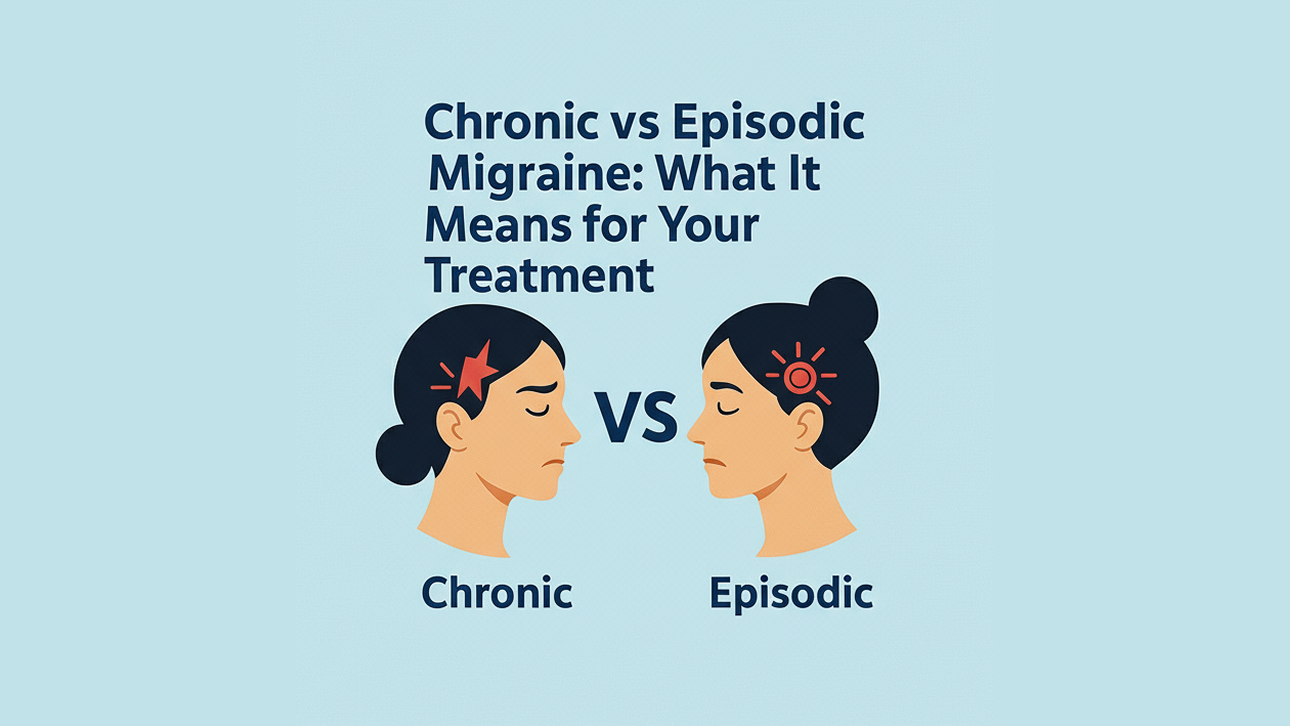
  • Chronic vs Episodic Migraine: What It Means for Your Treatment

    Chronic vs Episodic Migraine: What It Means for Your Treatment

    Understanding Chronic vs Episodic Migraine

    If you live with migraine, the words “chronic” and “episodic” aren’t just labels—they shape your treatment plan and even your insurance coverage. Understanding chronic vs episodic migraine helps you make informed choices and work with your doctor to find the most effective therapies.

    Definitions

    Doctors classify migraine based on how many days per month you experience headaches:

    • Episodic migraine: Fewer than 15 headache days per month.
    • Chronic migraine: 15 or more headache days per month, with at least 8 that meet migraine criteria.

    This distinction might sound small, but it can significantly affect what treatments you can access and how your healthcare team manages your condition.

    Why the Difference Matters

    Your migraine classification can determine whether certain treatments are covered or prescribed.

    • Botox is FDA-approved only for chronic migraine, not episodic migraine.
    • CGRP monoclonal antibodies (like Aimovig, Emgality, or Ajovy) and gepants (such as Nurtec or Ubrelvy) may also depend on your classification for insurance coverage.

    That’s why it’s crucial to track your headache days accurately—a small difference in your count can change your treatment eligibility.

    What You Can Do

    Before your next appointment, try keeping a headache diary or using a migraine tracking app for at least one to two months. Note each headache’s severity, duration, and migraine-like features (such as nausea, light sensitivity, or aura).

    • If your total headache days are close to the cutoff (14–16 days), it’s especially important to bring this record to your doctor.
    • If your headaches improve with treatment and drop into the episodic range, your doctor may adjust your plan—but you’ll likely still follow chronic migraine guidelines until improvement is stable for several months.

    🩺 For detailed advice on tracking and diagnosis, visit the National Headache Foundation or speak with your healthcare provider.

    When to Talk to Your Doctor About Chronic vs Episodic Migraine

    You should discuss classification and treatment with your doctor if:

    • You’re close to the 15-day cutoff each month.
    • Your headache pattern has changed recently.
    • You’re considering preventive therapy or notice medication overuse.

    Understanding whether you have chronic vs episodic migraine empowers you to make evidence-based decisions about your care.

    Final Thoughts

    Your migraine label isn’t just a medical term—it’s a roadmap to better management. By tracking your symptoms and partnering with your doctor, you can access more targeted treatments, reduce attack frequency, and improve your quality of life.Disclaimer