
Tag: migraine management

  • Gepants for Migraine Prevention: Atogepant and Rimegepant

    Gepants for Migraine Prevention: Atogepant and Rimegepant

    In recent years, gepants have become one of the most important advances in migraine treatment. While originally developed for acute migraine relief, certain gepants are now also approved for migraine prevention. Unlike older oral preventives—many of which were borrowed from epilepsy, depression, or blood pressure treatment—gepants were designed specifically around migraine biology.

    The two oral gepants approved for migraine prevention are atogepant and rimegepant. For many patients, they offer an effective and well-tolerated preventive option without the drawbacks of traditional therapies.

    How Gepants Work in Migraine

    Migraine is driven in large part by the activity of calcitonin gene-related peptide (CGRP). During a migraine attack, CGRP is released from trigeminal nerve endings, leading to several downstream effects.

    CGRP:

    • Dilates blood vessels in the brain
    • Increases inflammation around pain-sensitive nerves
    • Amplifies pain signaling pathways

    Gepants work by blocking the CGRP receptor, preventing CGRP from activating these migraine pathways. By interrupting this process early, gepants reduce the brain’s sensitivity to migraine triggers and help prevent attacks before they start.

    Extensive research on CGRP’s role in migraine has been published in journals such as The New England Journal of Medicine and Cephalalgia.

    Atogepant (Qulipta) for Migraine Prevention

    Atogepant is the first gepant approved specifically for preventive treatment of migraine.

    Evidence for Effectiveness

    Large randomized clinical trials, including ADVANCE and PROGRESS, demonstrated that atogepant is effective in both episodic and chronic migraine.

    Key findings include:

    • An average reduction of 4–7 monthly migraine days
    • Approximately 50–60% of patients achieved at least a 50% reduction in migraine frequency
    • Benefits were sustained over long-term follow-up, with continued improvement over months

    Results from these trials were published in leading journals such as The Lancet and JAMA.

    Dosing

    • Taken once daily by mouth
    • Available doses range from 10 mg to 60 mg, depending on patient profile and tolerability

    The simplicity of once-daily dosing makes atogepant easy to integrate into daily routines.

    Side Effects

    Atogepant is generally well tolerated. The most commonly reported side effects are:

    • Constipation
    • Nausea
    • Fatigue

    Compared with older oral preventives, systemic side effects are usually mild.

    Rimegepant (Nurtec ODT) for Migraine Prevention

    Rimegepant is unique among migraine medications because it is approved for both acute and preventive treatment.

    Evidence for Effectiveness

    In preventive trials, patients taking rimegepant every other day experienced:

    • A reduction of 4–5 monthly migraine days compared with placebo
    • Sustained benefit over one year of treatment
    • Improved quality-of-life scores and reduced need for acute medications

    These findings have been published in Headache: The Journal of Head and Face Pain and Neurology.

    Dosing

    • 75 mg orally disintegrating tablet (ODT)
    • Taken every other day for prevention
    • Dissolves on the tongue without water, offering convenience and discretion

    Side Effects

    • Nausea is the most commonly reported side effect
    • Overall tolerability is excellent
    • Rare hypersensitivity reactions have been reported

    Gepants vs CGRP Monoclonal Antibodies

    Both gepants and CGRP monoclonal antibodies target the CGRP pathway, but they differ in how they are used.

    • Gepants (atogepant, rimegepant)
      • Oral dosing (daily or every other day)
      • Shorter-acting and fully reversible
      • Mild gastrointestinal side effects in some patients
    • CGRP monoclonal antibodies
      • Injectable (monthly or quarterly)
      • Long-acting and convenient for adherence
      • Injection-site reactions or constipation in some patients

    Both approaches are highly effective. The choice often depends on patient preference, insurance coverage, comorbid conditions, and prior treatment response.

    Who Should Consider Gepants for Prevention?

    Preventive gepants may be a good option for:

    • Patients with frequent migraine attacks not well controlled on older preventives
    • Those who cannot tolerate topiramate, beta-blockers, or antidepressants
    • Patients who prefer oral therapy over injections
    • People with migraine and cardiovascular disease, where triptans or some older preventives may be limited

    Access and Coverage in Canada

    Access to gepants continues to evolve in Canada.

    Currently:

    • Atogepant is approved for migraine prevention, with coverage depending on private insurance or special authorization
    • Rimegepant is approved for both acute and preventive use, though not all provincial drug plans cover it yet
    • Out-of-pocket costs can be high without insurance

    Manufacturer patient support programs and private insurance plans may help reduce financial barriers.

    Practical Tips for Patients

    • Take consistently: Preventive gepants work best when taken on schedule
    • Track migraine days to assess benefit and support coverage approvals
    • Be patient: Improvement often begins within 4–8 weeks, with full benefit by about 3 months
    • Report side effects, especially persistent constipation or fatigue
    • Ask about coverage support, including manufacturer programs

    Lifestyle strategies such as regular sleep, hydration, and stress management further improve outcomes.

    Take-Home Message

    Atogepant and rimegepant represent a major step forward in migraine prevention. By targeting the CGRP pathway with convenient oral dosing, they provide effective and well-tolerated alternatives to traditional preventive medications.

    For patients seeking an oral option without the cognitive, weight, or cardiovascular side effects of older therapies, gepants offer new hope for long-term migraine control.

  • CGRP Monoclonal Antibodies for Migraine Prevention: Aimovig, Ajovy, Emgality, and Vyepti

    CGRP Monoclonal Antibodies for Migraine Prevention: Aimovig, Ajovy, Emgality, and Vyepti

    One of the most important breakthroughs in modern migraine care has been the development of CGRP monoclonal antibodies (mAbs). These medications are the first treatments created specifically to prevent migraine, rather than being adapted from drugs used for other conditions.

    For people who have struggled with older preventives due to side effects or limited benefit, CGRP monoclonal antibodies offer a highly effective, well-tolerated, and targeted option. For many patients, they represent a turning point in migraine control.

    What Is CGRP and Why Does It Matter in Migraine?

    CGRP stands for calcitonin gene-related peptide, a neuropeptide that plays a central role in migraine biology. During a migraine attack, CGRP is released from nerve endings in the brain and surrounding tissues.

    CGRP contributes to migraine by:

    • Dilating blood vessels in the brain
    • Increasing inflammation around pain-sensitive nerves
    • Amplifying and sustaining pain signals

    By blocking CGRP or its receptor, these medications interrupt the migraine process at a very early stage. This reduces the brain’s sensitivity to triggers and lowers the likelihood that a migraine attack will start.

    The Available CGRP Monoclonal Antibodies

    There are currently four CGRP monoclonal antibodies approved for migraine prevention.

    • Aimovig (erenumab): Blocks the CGRP receptor
    • Ajovy (fremanezumab): Binds directly to the CGRP molecule
    • Emgality (galcanezumab): Binds directly to the CGRP molecule
    • Vyepti (eptinezumab): Binds CGRP and is given intravenously every three months

    All four are highly specific. They act almost exclusively on the migraine pathway, which explains their favorable side-effect profile compared with many older preventive medications.

    Evidence for Effectiveness

    Clinical trials and real-world studies consistently show strong benefits from CGRP monoclonal antibodies.

    Key findings include:

    • An average reduction of 4–8 monthly migraine days
    • About 50% of patients achieve at least a 50% reduction in migraine frequency
    • A subset of patients experience near-complete remission
    • Benefits often begin within the first month, with continued improvement over time

    Importantly, these results are seen in both episodic and chronic migraine, including patients who have failed multiple traditional preventive therapies.

    How CGRP Monoclonal Antibodies Are Given

    The method and frequency of dosing varies slightly between medications.

    • Aimovig, Ajovy, and Emgality are given as subcutaneous injections
      • Usually once monthly
      • Ajovy also offers a quarterly dosing option
    • Vyepti is given as an intravenous infusion every three months, administered in a clinic

    Most patients who use injections are able to self-administer at home after brief training, using prefilled pens or syringes.

    Side Effects and Safety

    CGRP monoclonal antibodies are generally very well tolerated. The most commonly reported side effects include:

    • Injection site reactions such as redness, swelling, or itching
    • Constipation, particularly with erenumab (Aimovig)
    • Rare allergic reactions

    Unlike many older migraine preventives, CGRP mAbs:

    • Do not cause sedation
    • Do not cause weight gain
    • Do not cause cognitive or memory problems

    They are also considered safe for most patients with cardiovascular disease, as they do not constrict blood vessels. Long-term safety data is reassuring, with many patients using these treatments for years without significant issues.

    Who Should Consider CGRP Monoclonal Antibodies?

    CGRP monoclonal antibodies may be especially helpful for:

    • People with frequent or chronic migraine
    • Patients who have tried and failed two or more traditional preventive medications
    • Those who cannot tolerate side effects from oral preventives
    • Patients who prefer once-monthly or quarterly dosing over daily pills

    Many insurance plans require documentation of prior preventive failures before approving coverage.

    Access and Coverage in Canada

    Cost remains one of the main barriers to CGRP monoclonal antibodies. These medications can cost hundreds of dollars per month without coverage.

    In Canada:

    • Most private insurance plans cover CGRP mAbs with prior authorization
    • Some provincial programs provide coverage for patients who meet strict criteria, such as chronic migraine and multiple preventive failures
    • Manufacturer patient support programs often assist with coverage navigation, training, and co-pay support

    Working closely with a healthcare provider helps streamline the approval process.

    Practical Tips for Patients Using CGRP Monoclonal Antibodies

    • Expect gradual improvement: Some benefit may appear quickly, but give treatment 3–6 months before judging success
    • Track headache days: Headache diaries help document response and support insurance renewals
    • Store properly: Most injections require refrigeration, with limited room-temperature allowance before use
    • Rotate injection sites to reduce irritation
    • Maintain follow-up appointments to reassess dosing, effectiveness, and access

    Lifestyle measures such as regular sleep, hydration, and stress management continue to support medication effectiveness.

    Take-Home Message

    CGRP monoclonal antibodies represent a major advance in migraine prevention. By directly targeting the biology of migraine, they provide effective, well-tolerated, and convenient options for people who have struggled with traditional therapies.

    Although cost and access can be challenges, for eligible patients these treatments can be life-changing—reducing migraine frequency, improving daily function, and restoring a sense of control over life with migraine.

  • Antidepressants (Amitriptyline and Venlafaxine) in Migraine Prevention

    Antidepressants (Amitriptyline and Venlafaxine) in Migraine Prevention

    Some medications originally developed to treat depression and anxiety also play an important role in migraine prevention. Two of the most studied options are amitriptyline, a tricyclic antidepressant, and venlafaxine, a serotonin–norepinephrine reuptake inhibitor (SNRI).

    Although these medications can improve mood and anxiety, their benefit in migraine is independent of their antidepressant effects. Many people without depression still respond well. For others, they offer a valuable dual benefit: fewer migraine attacks and better sleep or emotional stability.

    Why Antidepressants Work for Migraine

    Migraine is a disorder of brain pain regulation, not just blood vessels. Antidepressants act on several systems central to migraine biology.

    Serotonin and Norepinephrine Modulation

    Both serotonin and norepinephrine help regulate pain transmission in the brainstem. Dysregulation of these neurotransmitters is strongly linked to migraine susceptibility. Amitriptyline and venlafaxine help restore balance in these pathways.

    Dampening Pain Pathways

    By altering central pain-processing circuits, antidepressants reduce how strongly the brain responds to migraine triggers. This lowers overall attack frequency and intensity.

    Improving Sleep Quality

    Poor sleep is one of the most common migraine triggers. Amitriptyline, in particular, improves sleep depth and continuity, which can significantly improve migraine control.

    Calming an Overexcitable Brain

    Migraine brains are often hyperresponsive. Antidepressants reduce this baseline excitability, making attacks less likely to start.

    Because of these effects, antidepressants can be effective even in people without depression or anxiety.

    Amitriptyline for Migraine Prevention

    Amitriptyline is one of the oldest and most studied migraine preventive medications.

    Evidence

    Clinical trials and long-term experience show that amitriptyline:

    • Reduces migraine frequency, particularly in people with frequent attacks
    • Is especially helpful in patients with insomnia, tension-type headache, or depression
    • Achieves a 50% or greater reduction in migraine days in about 40–50% of patients

    Its effectiveness is supported by research published in journals such as Headache: The Journal of Head and Face Pain and Neurology.

    How It’s Taken

    • Usually started at 10–25 mg at night
    • Increased gradually as tolerated
    • Typical effective dose: 25–75 mg nightly

    Because it is sedating, amitriptyline is taken in the evening. Benefits develop gradually over several weeks.

    Side Effects

    Common side effects include:

    • Drowsiness
    • Dry mouth
    • Constipation
    • Weight gain

    Less common but important:

    • Heart rhythm changes, especially in older adults or at higher doses

    Many people appreciate the sleep benefits, but some feel groggy in the morning. Dose timing and slow titration can help.

    Venlafaxine for Migraine Prevention

    Venlafaxine is an SNRI that works on both serotonin and norepinephrine, similar to amitriptyline but with a different side effect profile.

    Evidence

    Studies suggest venlafaxine is effective for migraine prevention, particularly at doses also used for anxiety or depression. It may be especially helpful for patients with generalized anxiety disorder or stress-triggered migraine.

    Research supporting its use has appeared in journals such as Cephalalgia.

    How It’s Taken

    • Typically prescribed as 37.5–75 mg once daily (extended-release form)
    • Can be increased if needed, though higher doses do not always improve migraine benefit

    Consistent daily dosing is important.

    Side Effects

    Common side effects include:

    • Nausea
    • Jitteriness
    • Sweating
    • Insomnia

    Venlafaxine can cause withdrawal symptoms if doses are missed, so adherence matters. At higher doses, it may raise blood pressure, requiring periodic monitoring.

    Choosing Between Amitriptyline and Venlafaxine

    The choice often depends on individual symptoms and tolerability.

    • Amitriptyline may be preferred if insomnia, tension-type headache, or nighttime anxiety is prominent
    • Venlafaxine may be a better option for patients with daytime fatigue or significant anxiety
    • Both medications are generic, affordable, and widely available

    Neither option is universally better—the best choice is highly individualized.

    Who Should Avoid These Medications?

    These drugs are not appropriate for everyone.

    • Amitriptyline may not be ideal for people with obesity, known heart rhythm problems, or sensitivity to sedating medications
    • Venlafaxine should be used cautiously in patients with uncontrolled high blood pressure or a history of severe antidepressant withdrawal
    • Both medications are generally avoided during pregnancy unless benefits clearly outweigh risks, as safety data is limited

    Always discuss personal risks with a healthcare provider.

    Practical Tips for Patients

    • Start low and go slow to minimize side effects
    • Be patient—benefits often take 6–8 weeks
    • Take consistently, especially with venlafaxine
    • Track migraine days to assess effectiveness
    • Report side effects early, as dose adjustments often help

    Lifestyle measures such as regular sleep, stress management, and hydration enhance preventive treatment success.

    Take-Home Message

    Amitriptyline and venlafaxine are effective, affordable options for migraine prevention. By modulating serotonin and norepinephrine, they reduce migraine frequency and stabilize brain pain pathways.

    For people with migraine plus depression, anxiety, or sleep problems, these medications may provide meaningful additional benefits. While side effects are common, many patients tolerate them well with gradual dose increases and consistent use.

  • Candesartan and Other Blood Pressure Medications for Migraine Prevention

    Candesartan and Other Blood Pressure Medications for Migraine Prevention

    Some medications designed to treat high blood pressure have an unexpected second role: preventing migraine. Among them, candesartan has emerged as one of the most effective and best-tolerated options available today.

    For people who do not respond to—or cannot tolerate—traditional migraine preventives, blood pressure medications can offer a valuable alternative. This article explains why these drugs work, how candesartan compares to other options, and who may benefit most.

    Why Blood Pressure Medications Help Prevent Migraine

    Although these drugs were originally developed for cardiovascular disease, their benefits in migraine go far beyond lowering blood pressure. Research suggests several overlapping mechanisms.

    Stabilizing Blood Vessels

    Migraine involves abnormal dilation and constriction of blood vessels in the brain. Blood pressure medications help keep these vessels more stable, reducing one of the key drivers of migraine pain.

    Modulating Brain Signaling

    These medications influence migraine-related pathways involving serotonin, nitric oxide, and calcitonin gene-related peptide (CGRP). These systems are deeply involved in migraine initiation and progression.

    Reducing Neuronal Excitability

    Migraine brains are often described as “hyper-responsive.” Blood pressure medications appear to calm this heightened reactivity, making the brain less sensitive to triggers like stress, poor sleep, or hormonal changes.

    Importantly, these effects occur even in people with normal blood pressure, which is why these drugs are widely used off-label for migraine prevention.

    Candesartan: The Leading ARB for Migraine

    Among blood pressure medications, candesartan, an angiotensin receptor blocker (ARB), has the strongest evidence for migraine prevention.

    Evidence for Effectiveness

    Randomized controlled trials show that candesartan:

    • Reduces migraine frequency by about 2–3 days per month compared with placebo
    • Helps 40–50% of patients achieve at least a 50% reduction in monthly migraine days
    • Performs similarly to propranolol, a long-standing first-line migraine preventive, in head-to-head studies

    These findings have been supported in research published in leading journals such as The Lancet and Cephalalgia.

    Learn more about migraine preventive research:
    https://www.thelancet.com
    https://journals.sagepub.com/home/cep

    Typical Dosing

    Candesartan is taken daily, not during migraine attacks.

    • Starting dose: 8 mg once daily
    • Typical target dose: 16–32 mg once daily, depending on response and tolerance

    Benefits are gradual. Most people need 6–8 weeks at a stable dose to judge effectiveness.

    Side Effects and Safety

    Candesartan is generally well tolerated. Possible side effects include:

    • Mild dizziness or lightheadedness (especially when starting)
    • Fatigue
    • Rarely, elevated potassium levels or changes in kidney function

    Because of this, clinicians usually recommend periodic blood pressure checks and blood tests, especially in older adults or those with kidney disease.

    Other Blood Pressure Medications Used for Migraine

    ACE Inhibitors

    Lisinopril is the most studied ACE inhibitor for migraine prevention. Clinical trials show it can reduce migraine frequency by about two days per month.

    Possible side effects include cough, dizziness, and rare but serious angioedema (swelling of the lips or tongue).

    Calcium Channel Blockers

    Verapamil is more established for cluster headache, but its role in migraine prevention is mixed. It may be considered in selected patients, especially those with heart rhythm issues or coexisting hypertension.

    Other ARBs and ACE Inhibitors

    While other medications in these classes may help some individuals, candesartan remains the best-studied and most consistently effective option for migraine prevention.

    Additional guideline resources:
    https://www.neurology.org
    https://headachejournal.onlinelibrary.wiley.com

    Who Benefits Most From Blood Pressure Medications?

    Blood pressure medications for migraine prevention may be especially helpful for:

    • People with both migraine and hypertension, treating two conditions with one medication
    • Those who cannot tolerate other preventives like topiramate or beta-blockers
    • Patients seeking a once-daily, well-tolerated option with a low cognitive side-effect burden

    When These Medications Should Be Avoided

    Blood pressure medications are not appropriate for everyone.

    They should generally be avoided in:

    • Pregnancy, due to a known risk of birth defects
    • Certain kidney conditions, where function may worsen
    • Very low baseline blood pressure, which increases the risk of fainting

    Always discuss personal risks and benefits with a healthcare professional before starting treatment.

    Practical Tips for Using Candesartan for Migraine

    • Monitor blood pressure, even if prescribed only for migraine
    • Stay hydrated, especially during illness or hot weather
    • Be patient—preventive benefits take time
    • Report unusual symptoms such as swelling, severe dizziness, or reduced urination
    • Combine medication with lifestyle strategies like regular sleep, stress management, and balanced nutrition

    Take-Home Message

    Candesartan and other blood pressure medications offer a proven, well-tolerated option for migraine prevention. Among them, candesartan stands out for its strong evidence and effectiveness comparable to traditional first-line therapies.

    For people with hypertension—or those who struggle with side effects from other preventives—candesartan can significantly reduce migraine frequency and improve quality of life when used consistently and with appropriate monitoring.

  • Acute Migraine Care in the Emergency Department: What Patients Should Expect

    Acute Migraine Care in the Emergency Department: What Patients Should Expect

    Most people living with migraine manage their attacks at home with medications like NSAIDs, triptans, or gepants. But sometimes an attack becomes too severe, too prolonged, or too complicated to manage with home treatment alone. When this happens, the emergency department (ED) becomes an important safety net. Migraine is actually one of the most common neurological reasons for ED visits, yet many patients don’t know what to expect once they arrive. Understanding the process can make the experience less stressful and help you advocate for the most effective care.

    When Should Migraine Patients Go to the Emergency Department?

    Not every migraine needs urgent care, but certain situations call for immediate medical attention. Patients are encouraged to seek help in the ED if they experience any of the following:

    Status Migrainosus

    A migraine lasting more than 72 hours—even after you’ve tried your usual medications—may indicate status migrainosus. This prolonged, debilitating state often requires intravenous therapies that aren’t available at home.

    Severe Nausea and Vomiting

    If vomiting prevents you from taking fluids or medications, dehydration can worsen symptoms and make attacks harder to break. Emergency care can provide hydration and non-oral medications.

    Neurological Red Flags

    Symptoms such as sudden weakness, confusion, slurred speech, vision loss, or difficulty walking may point to a stroke or another serious neurological condition. In these cases, time-sensitive evaluation is essential.

    New or Unusual Headache

    If a headache feels different from your usual attack—especially if it’s the “worst headache of your life” or comes on suddenly like a “thunderclap”—you should seek urgent medical evaluation.

    Failure of Home Rescue Therapy

    If you’ve tried your prescribed rescue medications and the attack continues to intensify, the ED can provide stronger or faster-acting treatments.

    Knowing when it’s appropriate to go to the ED can help prevent unnecessary suffering and ensure that serious conditions aren’t overlooked.

    How ED Physicians Approach Migraine Treatment

    Emergency physicians focus on three major goals:

    1. Relieve pain and associated symptoms
    2. Correct factors that worsen migraine—like dehydration
    3. Rule out other emergencies that may mimic migraine

    After reviewing your history and symptoms, clinicians check for red flags that may require imaging or urgent neurologic evaluation. Most EDs now use evidence-based migraine protocols, developed in part to avoid the unnecessary use of opioids—which research consistently shows are less effective for migraine and increase long-term disability.

    Two helpful resources that support these guidelines include:

    Common Treatments Used for Migraine in the Emergency Department

    While EDs vary in practice, most follow well-established, non-opioid protocols for acute migraine care.

    1. IV or IM Antiemetics

    Medications such as metoclopramide or prochlorperazine are considered first-line in many EDs. These drugs help relieve nausea, but they also have independent migraine-relieving effects.

    They are often paired with diphenhydramine to prevent restlessness or muscle stiffness, side effects that can occur with dopamine-blocking medications.

    2. IV NSAIDs

    Ketorolac is frequently used because it offers strong, fast-acting anti-inflammatory pain relief. It is particularly helpful for patients who have not responded to oral NSAIDs at home.

    3. IV Fluids

    Vomiting and limited fluid intake can worsen migraine by contributing to dehydration. A liter of IV fluids can improve energy, relieve dizziness, and support recovery.

    4. Magnesium Sulfate

    IV magnesium may be beneficial in cases involving aura and may help calm hyperexcitable brain pathways involved in migraine. Some EDs use magnesium routinely, while others reserve it for specific symptoms.

    5. Dexamethasone (Steroid)

    A steroid dose—often given before discharge—can reduce the chance that the migraine will recur within the next 24–48 hours. This is especially useful for refractory or prolonged attacks.

    6. Nerve Blocks

    In some centers, clinicians use occipital nerve blocks or trigeminal nerve blocks with local anesthetic. These can “reset” pain pathways and rapidly break resistant migraines.

    For deeper reading on acute migraine therapies, see this overview from Neurology Journal:
    https://www.neurology.org/

    What About Opioids?

    Once commonly used, opioids are now strongly discouraged for migraine treatment in the ED. Multiple studies published in journals such as Cephalalgia and JAMA show that opioids:

    • Are less effective than antiemetics and NSAIDs
    • Increase the risk of medication-overuse headache
    • Can lead to dependence
    • May worsen long-term migraine control

    Modern ED protocols try to avoid opioids unless absolutely necessary or unless the patient cannot receive standard therapies due to medical contraindications.

    What Patients Can Expect During an ED Visit

    Knowing what happens step-by-step can help reduce uncertainty.

    Initial Assessment

    You’ll be asked about your migraine history, what medications you’ve tried during this attack, and how your symptoms differ—or don’t—compared to your usual pattern.

    Monitoring and Testing

    Your vital signs will be checked, and depending on your symptoms, you may receive blood work or imaging to rule out emergencies. Not every migraine requires imaging; doctors base this decision on red-flag symptoms.

    Treatment Sequence

    You’ll likely receive one or more of the following:

    • IV fluids
    • An antiemetic such as metoclopramide or prochlorperazine
    • IV ketorolac
    • Adjunct therapies like magnesium or diphenhydramine

    Many patients begin to feel relief within 60–120 minutes.

    Discharge Planning

    Once stable, you’ll receive instructions about follow-up care. This often includes reviewing your home rescue strategy, adjusting preventive medications, or scheduling a neurology appointment.

    Internal guidance on outpatient migraine plans can be found here:

    How to Prepare Before Going to the ED

    Preparation can help the visit go more smoothly and ensure efficient care.

    Bring a list of your medications. Include doses and the timing of what you have already taken during the current attack.

    Describe your usual migraine pattern. This helps ED staff distinguish migraine from other conditions.

    Mention what has worked for you before. If certain ED treatments have been effective in the past, let the team know.

    Bring support if possible. Bright lights, noise, or cognitive difficulty during an attack can make communication challenging. A family member can help.

    Carry sunglasses or earplugs. ED environments can be overstimulating—simple tools can protect against worsening symptoms.

    How to Prevent Frequent Emergency Department Visits

    If you find yourself repeatedly needing emergency care, it may be a sign that your outpatient plan needs adjustment. Some patients need stronger preventive strategies, while others need a more structured rescue plan at home.

    Discuss with your healthcare provider:

    • Whether a preventive medication like a CGRP monoclonal antibody, beta-blocker, or topiramate is appropriate
    • How to optimize your use of triptans, NSAIDs, or gepants
    • Which anti-nausea medications you should keep available
    • Developing a written migraine action plan

    Preventing the escalation of attacks is one of the most effective ways to reduce ED visits and regain day-to-day stability.

    Take-Home Message

    The emergency department plays an important role in managing severe or prolonged migraine attacks. Most EDs use migraine-specific, evidence-based treatments such as IV antiemetics, NSAIDs, fluids, magnesium, or steroids—while avoiding opioids whenever possible. These tools can provide fast and meaningful relief, but repeated ED use often signals that your outpatient plan needs adjustment. With the right combination of preventive strategies, rescue options, and ongoing support, many patients can dramatically reduce their need for urgent care and improve long-term migraine control.

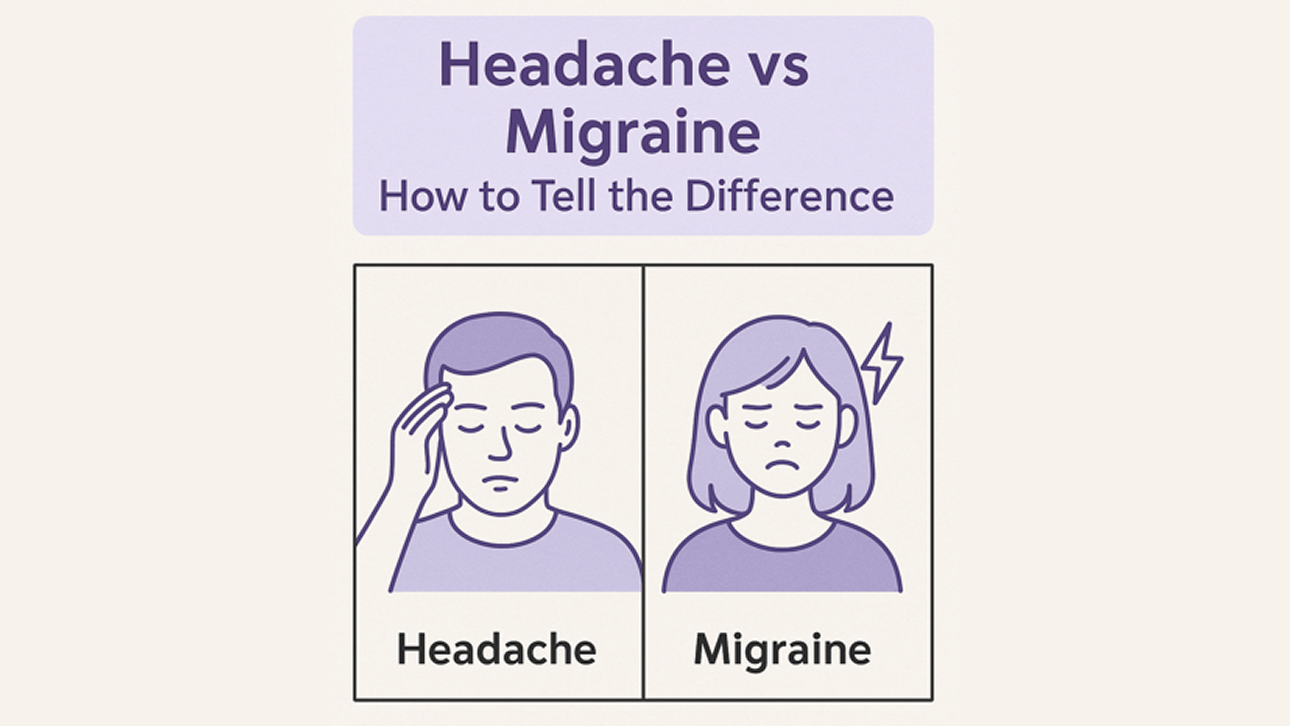
  • Headache vs Migraine: How to Tell the Difference

    Headache vs Migraine: How to Tell the Difference

    Headaches are one of the most common health complaints, but not all headaches are the same. While migraine is a well-known and often disabling neurological disorder, tension-type headache (TTH) and cluster headache also affect millions of people worldwide.

    Distinguishing between these primary headache types is essential because treatment and long-term management differ. Understanding their unique patterns can help you describe your symptoms more clearly and get the right diagnosis.

    Migraine: A Complex Neurological Condition

    Migraine is not “just a bad headache.” It’s a complex neurological condition characterized by recurrent attacks of moderate to severe head pain.

    Typical migraine features include:

    • Location: Usually one-sided, though sometimes both sides are affected.
    • Quality: Throbbing or pulsating pain.
    • Intensity: Moderate to severe, often disrupting daily activities.
    • Duration: 4–72 hours if untreated.
    • Associated symptoms: Nausea, vomiting, and sensitivity to light, sound, or even smells.

    Around 25–30% of people experience migraine aura, temporary neurological symptoms such as visual disturbances or tingling before the pain begins. Many also report prodrome (early warning signs) and postdrome (fatigue or brain fog after the attack).

    Tension-Type Headache: The Everyday Headache

    Tension-type headache (TTH) is the most common primary headache, often described as a “normal” or “stress” headache.

    Common features include:

    • Location: Usually both sides of the head.
    • Quality: Dull, tight, or pressure-like sensation, as if a band is squeezing the head.
    • Intensity: Mild to moderate, rarely severe enough to stop activity.
    • Duration: 30 minutes to several hours, occasionally up to a few days.
    • Associated symptoms: Typically none; mild light or sound sensitivity may occur but not both.

    TTH is often linked to stress, poor posture, or muscle tension, but newer studies in the Journal of Headache and Pain show it also involves complex interactions between muscle and brain pain pathways.

    While TTH is uncomfortable, it usually responds well to simple measures such as stress management, physical activity, proper sleep, and over-the-counter pain relievers.

    Cluster Headache: The “Suicide Headache”

    Cluster headache is the most severe and least common of the three. It affects less than 1% of people, often men between 20 and 40 years old.

    Distinctive features include:

    • Location: Always one-sided, centered around or behind one eye.
    • Quality: Intense, stabbing, or burning pain.
    • Intensity: Excruciating—many describe it as the worst pain imaginable.
    • Duration: 15–180 minutes per attack.
    • Frequency: Up to 8 attacks per day during a “cluster period.”
    • Associated symptoms: Red or watery eyes, nasal congestion, eyelid drooping, and restlessness.

    Cluster headaches occur in bouts (clusters) lasting weeks to months, followed by remission periods. Unlike migraine, they come on suddenly and demand urgent relief. Treatments such as high-flow oxygen and sumatriptan injections can provide rapid relief, while verapamil is often used as a preventive medication.

    Key Differences at a Glance

    FeatureMigraineTension-Type HeadacheCluster Headache
    LocationOften one-sidedBoth sides (band-like)Always one-sided, around one eye
    QualityThrobbing, pulsatingDull, tight, pressurePiercing, stabbing, burning
    IntensityModerate to severeMild to moderateExcruciating
    Duration4–72 hours30 minutes–several hours15–180 minutes
    Associated symptomsNausea, light/sound sensitivityUsually absentEye redness, tearing, nasal symptoms
    FrequencyVariableOften stress-relatedMultiple daily attacks during clusters

    Why Getting the Diagnosis Right Matters

    Each headache type has different treatments and triggers, so an accurate diagnosis can dramatically improve your quality of life.

    • Migraine: Managed with triptans, preventive medications, and lifestyle strategies like trigger avoidance.
    • Tension-type headache: Often responds to simple analgesics, relaxation techniques, and posture correction.
    • Cluster headache: Requires specific therapies like high-flow oxygen, sumatriptan injections, and preventive drugs such as verapamil.

    A misdiagnosis—especially mistaking cluster headaches for sinus or migraine pain—can delay access to life-changing treatments.

    Red Flags That Need Medical Attention

    While most headaches are harmless, certain symptoms can indicate a serious underlying cause. Seek immediate medical care if you experience:

    • A sudden, severe “thunderclap” headache.
    • New headaches after age 50.
    • Progressively worsening headaches.
    • Headaches with fever, neck stiffness, confusion, or seizures.
    • Headaches triggered by coughing, exertion, or sexual activity.

    These could signal conditions such as bleeding, infection, or structural brain problems.

    If you’re unsure about your headache type, a neurologist can provide a detailed assessment and help tailor your treatment plan.

    Practical Tips for Managing Headaches

    • Track your headaches: Keep a diary noting when attacks occur, how long they last, and what symptoms accompany them.
    • Describe symptoms clearly: Note the pain’s location, quality, and associated features when speaking with your doctor.
    • Avoid self-diagnosis: Online information can guide you, but only a qualified healthcare provider can confirm the diagnosis.
    • Seek specialized care: Particularly for cluster headaches, which may require neurologist-led management.

    Takeaway

    Migraine, tension-type headache, and cluster headache each have distinct characteristics that guide diagnosis and treatment.
    While migraine is the most disabling, tension-type headache is the most common, and cluster headache is the most severe.

    By learning to recognize these differences and working closely with your healthcare provider, you can receive the right diagnosis and access treatments that significantly improve your daily life.

    Explore More on Our Site

    If you found this guide helpful, explore these related posts to deepen your understanding of migraine and other headache disorders:

  • Common Triggers of Migraine and How to Identify Them

    Common Triggers of Migraine and How to Identify Them

    For many people living with migraine, attacks can feel random and disruptive. One day may be completely pain-free, and the next, a debilitating migraine hits seemingly out of nowhere. While migraine is a complex neurological disorder, certain factors—called migraine triggers—can increase the likelihood of an attack. Recognizing and managing these triggers is one of the most effective ways to reduce migraine frequency and improve quality of life.

    What Are Migraine Triggers?

    A migraine trigger is anything that increases the likelihood of an attack in someone predisposed to migraine. Triggers don’t cause the condition itself, but they can act like sparks that ignite symptoms in a sensitive brain.

    Not everyone reacts to the same triggers, and even within one person, the same trigger may not always lead to an attack. This is why tracking and pattern recognition are essential parts of migraine management.

    Common Migraine Triggers

    1. Sleep Disturbances

    Both too little and too much sleep can provoke migraine. Many people report attacks after sleeping in on weekends or changing time zones. Irregular sleep schedules, late nights, or night shifts can all destabilize the brain’s internal rhythms, increasing migraine risk. Maintaining consistent sleep patterns is key to prevention.

    2. Stress and Emotional Factors

    Stress is among the most frequently reported migraine triggers. Interestingly, attacks often strike after a stressful period rather than during it—a phenomenon known as the “weekend migraine.” Emotional fluctuations, anxiety, or depression can also heighten susceptibility to migraine.

    Incorporating relaxation techniques such as mindfulness meditation, deep breathing, or cognitive-behavioral therapy (CBT) can help reduce stress-related attacks. Studies published in Headache: The Journal of Head and Face Pain suggest that stress-management interventions significantly improve migraine frequency and severity.
    Read more in Headache Journal

    3. Hormonal Changes

    Fluctuating estrogen levels can strongly influence migraine, especially in women. Attacks commonly occur right before or during menstruation, and some women notice worsening during perimenopause. Tracking symptoms across the menstrual cycle can reveal a menstrual migraine pattern.

    If hormone-related migraine is suspected, discuss short-term preventive treatments or lifestyle adjustments with your doctor. The American Migraine Foundation offers excellent guidance on menstrual migraine management.

    4. Dietary Factors

    Certain foods and drinks can act as triggers, though reactions vary from person to person. Common dietary triggers include:

    • Aged cheeses
    • Processed meats containing nitrates
    • Red wine and other alcohol
    • Chocolate
    • Caffeinated drinks (both overuse and sudden withdrawal)

    Because food triggers are individual, it’s best to identify them through consistent tracking rather than restrictive elimination diets. Overly strict food avoidance can lead to unnecessary stress or nutritional deficiencies.

    5. Environmental Influences

    Bright or flickering lights, loud sounds, and strong smells (like perfume, cleaning products, or cigarette smoke) can all provoke migraine. Weather changes—especially drops in barometric pressure or sudden temperature swings—are also well-known triggers.

    If these factors are unavoidable, using sunglasses, noise-canceling headphones, or fragrance-free environments can help minimize exposure.

    6. Dehydration and Skipped Meals

    Skipping meals or not drinking enough fluids is a classic migraine trigger. Low blood sugar and dehydration can easily destabilize the brain’s energy balance. Aim for regular, balanced meals and drink water throughout the day. Keeping a water bottle and healthy snacks nearby is a simple but effective prevention strategy.

    7. Medication Overuse

    Ironically, some pain-relief medications can become triggers themselves when used too frequently—a condition known as medication overuse headache (MOH). This is especially common with triptans, combination analgesics, or opioids.

    If you’re relying on acute medication more than twice per week, it’s best to discuss preventive options with a healthcare provider to avoid rebound headaches.

    How to Identify Personal Migraine Triggers

    Because migraine triggers vary widely, self-monitoring is the most reliable way to identify them.

    Keep a Migraine Diary

    Document each attack, along with details like sleep, diet, stress level, menstrual cycle, weather, and medication use. Over time, recurring patterns can point to specific triggers.

    Use Migraine Tracking Apps

    Digital tools like Migraine Buddy or N1-Headache make it easier to record attacks and generate reports that help you and your doctor spot connections.

    Look for Consistency

    A true trigger will appear repeatedly before attacks, not just once. For example, if red wine precedes three or more migraine attacks, it’s likely a valid trigger.

    Avoid Over-Restriction

    Avoid cutting out multiple foods or activities at once unless you’re confident they’re consistent triggers. Over-restriction can lead to unnecessary stress and nutritional issues.

    Practical Strategies for Managing Triggers

    • Prioritize sleep hygiene: Keep consistent sleep and wake times, even on weekends. Aim for 7–9 hours of quality rest.
    • Stay hydrated and nourished: Don’t skip meals. Carry water and snacks if you’re on the go.
    • Manage stress: Incorporate daily relaxation practices like yoga, meditation, or gentle exercise.
    • Track hormonal changes: If menstrual migraine is suspected, speak to your doctor about preventive strategies.
    • Use caffeine mindfully: Moderate caffeine intake can be helpful, but avoid large fluctuations or sudden withdrawal.
    • Control environmental exposure: Sunglasses, earplugs, and fragrance-free settings can reduce sensory triggers.

    When to Seek Medical Guidance

    Trigger management is an important part of migraine care, but it should not replace professional evaluation. Talk to your healthcare provider if:

    • Headaches become more frequent or severe
    • Attacks interfere with work, school, or daily life
    • You need pain medication more than twice per week
    • You notice new or unusual neurological symptoms

    A doctor can confirm your diagnosis, rule out other causes, and create a comprehensive treatment plan that may include both preventive and acute medications.

    Takeaway

    Migraine triggers are highly individual and can range from sleep issues and stress to hormonal or dietary changes. Identifying personal triggers takes patience, but the payoff is significant—fewer attacks, greater predictability, and improved daily functioning. With consistent tracking and medical support, you can take control of your migraine journey and live with more confidence and comfort.Disclaimer

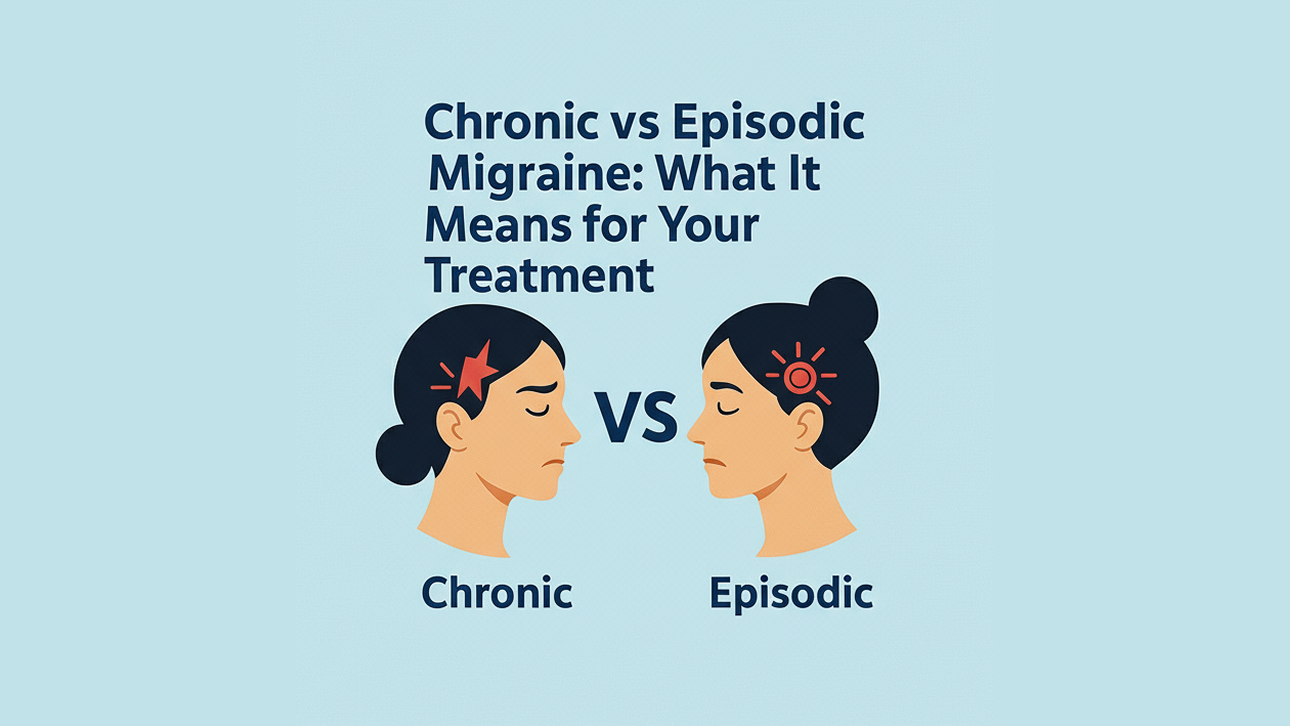
  • Chronic vs Episodic Migraine: What It Means for Your Treatment

    Chronic vs Episodic Migraine: What It Means for Your Treatment

    Understanding Chronic vs Episodic Migraine

    If you live with migraine, the words “chronic” and “episodic” aren’t just labels—they shape your treatment plan and even your insurance coverage. Understanding chronic vs episodic migraine helps you make informed choices and work with your doctor to find the most effective therapies.

    Definitions

    Doctors classify migraine based on how many days per month you experience headaches:

    • Episodic migraine: Fewer than 15 headache days per month.
    • Chronic migraine: 15 or more headache days per month, with at least 8 that meet migraine criteria.

    This distinction might sound small, but it can significantly affect what treatments you can access and how your healthcare team manages your condition.

    Why the Difference Matters

    Your migraine classification can determine whether certain treatments are covered or prescribed.

    • Botox is FDA-approved only for chronic migraine, not episodic migraine.
    • CGRP monoclonal antibodies (like Aimovig, Emgality, or Ajovy) and gepants (such as Nurtec or Ubrelvy) may also depend on your classification for insurance coverage.

    That’s why it’s crucial to track your headache days accurately—a small difference in your count can change your treatment eligibility.

    What You Can Do

    Before your next appointment, try keeping a headache diary or using a migraine tracking app for at least one to two months. Note each headache’s severity, duration, and migraine-like features (such as nausea, light sensitivity, or aura).

    • If your total headache days are close to the cutoff (14–16 days), it’s especially important to bring this record to your doctor.
    • If your headaches improve with treatment and drop into the episodic range, your doctor may adjust your plan—but you’ll likely still follow chronic migraine guidelines until improvement is stable for several months.

    🩺 For detailed advice on tracking and diagnosis, visit the National Headache Foundation or speak with your healthcare provider.

    When to Talk to Your Doctor About Chronic vs Episodic Migraine

    You should discuss classification and treatment with your doctor if:

    • You’re close to the 15-day cutoff each month.
    • Your headache pattern has changed recently.
    • You’re considering preventive therapy or notice medication overuse.

    Understanding whether you have chronic vs episodic migraine empowers you to make evidence-based decisions about your care.

    Final Thoughts

    Your migraine label isn’t just a medical term—it’s a roadmap to better management. By tracking your symptoms and partnering with your doctor, you can access more targeted treatments, reduce attack frequency, and improve your quality of life.Disclaimer