Tag: migraine management

  • How AI Is Revolutionizing Migraine Care: Personalized Relief with Smart Tech

    How AI Is Revolutionizing Migraine Care: Personalized Relief with Smart Tech

    Living with migraines means facing unpredictable pain, triggers, and treatment responses. That’s why AI migraine care is so exciting. Artificial intelligence can analyze sleep patterns, stress levels, and more to help you stay ahead of attacks.

    In this post, we’ll explore how AI-driven tools transform migraine diagnosis, management, and research.

    Why We Need AI in Migraine Care

    Migraine is a complex disorder. Sleep, hormones, diet, stress, and environment all play a role. No two migraine journeys are the same.

    Patients generate tons of data through diaries, apps, wearables, and medical records. It’s tough for doctors to spot hidden patterns by memory alone.

    AI migraine care steps in here. It scans all that data. It finds links between triggers and headache days. It learns individual patterns over time.

    The result? Earlier warnings, better treatment choices, and less guesswork.

    Current and Emerging AI Applications

    1. Smart Digital Diaries

    AI-powered apps now track symptoms along with weather, sleep, and activity. Instead of simply logging events, they tap machine learning to predict your next migraine.

    2. Personalized Treatment Suggestions

    Machine learning models sift through thousands of similar patient profiles. They identify which preventive or acute therapies work best for people like you.

    Soon, AI platforms may suggest drugs based on your genes, lifestyle, and clinical history.

    3. Faster, More Accurate Diagnosis

    Distinguishing migraine from tension-type or cluster headaches can take years. AI tools analyze symptom patterns to help doctors diagnose sooner.

    A recent study in Cephalalgia shows that AI algorithms reach diagnostic accuracy above 85%.

    4. Accelerated Drug Discovery

    Pharma companies use AI to screen new compounds and predict their efficacy in migraine models. AI also speeds up data analysis from large clinical trials. This means new treatments could arrive faster.

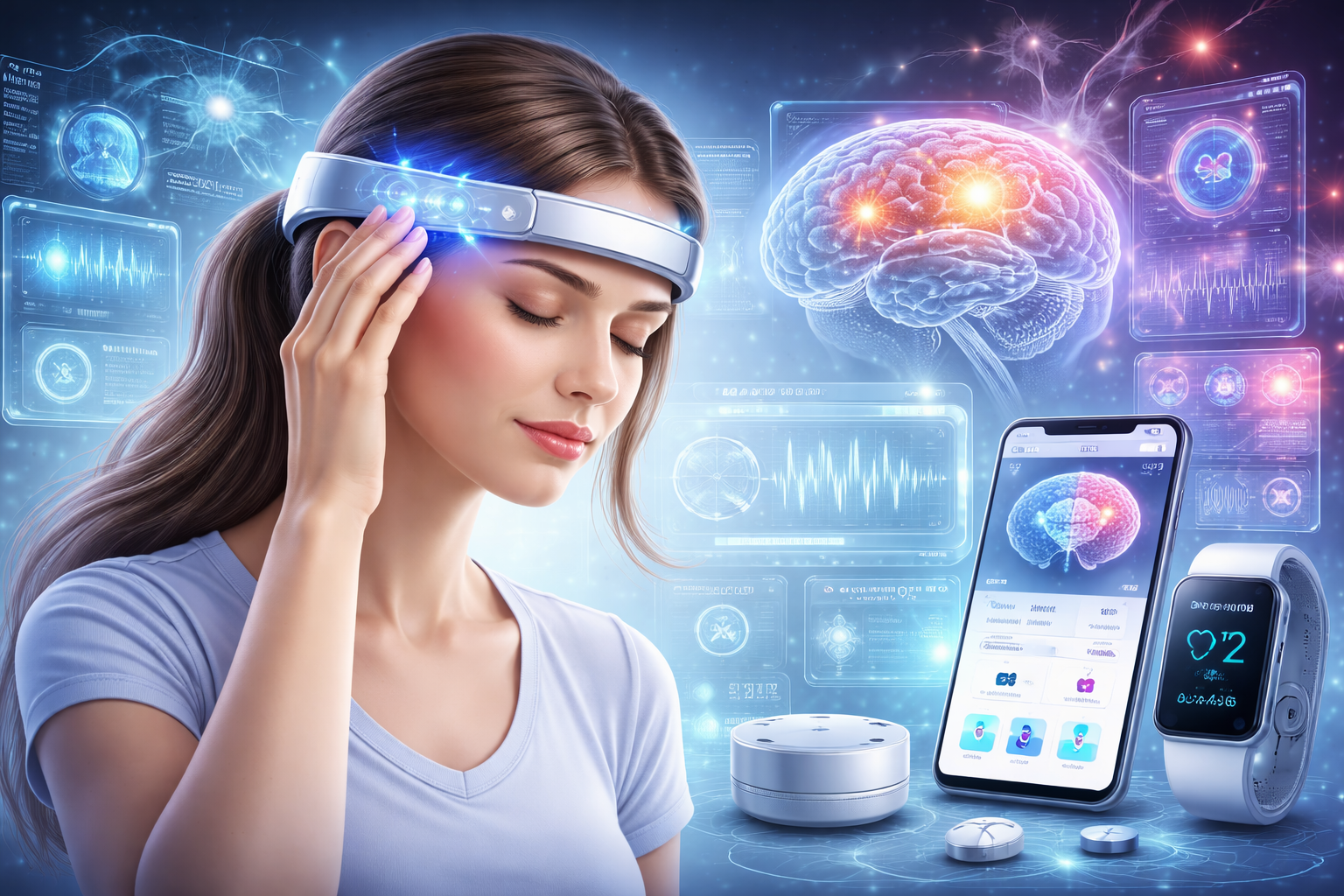
    5. Wearables and Neuromodulation

    Smart headbands, wrist devices, and sensors measure heart rate variability, skin temperature, and brain signals.

    AI reads these signals in real time. Some devices can even trigger neuromodulation before a full migraine hits.

    Benefits for Migraine Patients

    1) Early Intervention
    AI predictions let you take medication or use devices at the first sign of trouble. That often means milder pain and shorter attacks.

    2) Less Trial and Error
    Personalized insights reduce the need to cycle through multiple treatments. You spend less time on medications that don’t work.

    3) Patient Empowerment
    Apps and wearables put data at your fingertips. You see clear patterns in your own triggers and responses.

    4) Better Access to Expertise
    Telemedicine platforms with AI support can bring specialist-level guidance to remote or underserved areas.

    Challenges and the Road Ahead

    Privacy and Security

    Health data is sensitive. Storing and sharing it safely must be a priority.

    Accuracy and Data Quality

    Garbage in, garbage out. Incomplete or inconsistent input harms AI predictions.

    Equity and Access

    The latest AI tools can be costly. Digital literacy also varies across populations.

    Clinical Integration

    Doctors need training to use AI insights without losing sight of patient-centered care.

    Despite these hurdles, the outlook is bright. Hybrid care models will combine human expertise with AI insights.

    Global research networks will pool data for faster discoveries. Precision medicine may one day match every patient with the exact therapy most likely to work.

    Practical Tips to Get Started Today

    1. Try a Smart Diary App

    Look for migraine apps that use AI features to predict attacks. Enter your data consistently for best results.

    2. Wear a Tracker

    Simple devices that log sleep, heart rate, and activity can feed AI models and improve predictions.

    3. Join a Clinical Trial

    Ask your doctor if there are ongoing studies testing AI-based platforms. You may gain early access to cutting-edge tools.

    4. Stay Realistic

    AI is powerful, but it complements—not replaces—medical expertise. Use it as part of a collaborative care plan with your headache specialist.

    5. Keep Learning

    Read authoritative sources like NEJM or articles in JAMA to stay informed about the latest advances.

    Take-Home Message

    AI migraine care is transforming how we predict, prevent, and treat migraine attacks.

    From smart diaries and personalized therapies to accelerated drug discovery and wearable sensors, the technology points to more precise, proactive, and patient-centered migraine management.

    Embrace these tools today, and work closely with your healthcare team to make the most of AI’s potential.

  • Living with Chronic Migraine: Coping Strategies for Real Life

    Living with Chronic Migraine: Coping Strategies for Real Life

    Living with chronic migraine can feel like walking on a tightrope every day. You never know when the next attack will hit. Yet with the right coping plan, you can reduce disability, boost your mood, and reclaim control. In this guide, we explore proven strategies for living with chronic migraine and show how small changes add up to big wins.

    What Is Chronic Migraine?

    Chronic migraine means you experience headaches 15 or more days per month, with at least eight days featuring migraine symptoms, for at least three months. It affects 1–2% of people worldwide and often comes with nausea, light sensitivity, and throbbing pain. Medical treatments like Botox and CGRP antibodies are vital, but managing daily life also matters.

    Medical Strategies You Need

    Preventive therapies

    • Botox injections every 12 weeks
    • CGRP monoclonal antibodies (erenumab, fremanezumab)
    • Traditional preventives such as topiramate or beta-blockers

    Acute therapies

    • Triptans and NSAIDs for immediate relief
    • Gepants (ubrogepant) for targeted action
    • Anti-nausea meds to ease symptoms

    Multimodal approach

    Research published in Lancet shows combining medications with lifestyle shifts and non-drug therapies leads to better outcomes (external link: https://www.thelancet.com/journals/lancet/article/PIIS0140-6736(18)30988-9/fulltext).

    Building a Daily Routine

    1. Consistent Sleep and Meals

    Keep a sleep schedule and eat meals at the same times. Consistency helps stabilize your body clock and cut down headache triggers.

    2. Activity Pacing

    Alternate work or chores with short rest breaks. Use a timer or reminder app to keep your rest periods on track.

    3. Migraine Diary

    Track headache days, symptoms, and potential triggers in a notebook or app. This record helps you and your doctor make smarter treatment decisions.

    Managing Stress

    Stress often sparks migraine attacks. Use these techniques to break the stress-migraine cycle:

    • Cognitive-behavioral therapy (CBT) to reframe negative thoughts
    • Mindfulness meditation with guided audio sessions
    • Deep breathing and progressive muscle relaxation

    A 2021 NEJM study highlights that CBT can reduce migraine frequency by up to 30% (external link: https://www.nejm.org/doi/full/10.1056/NEJMoa2028718).

    Workplace and School Tips

    • Request accommodations like flexible hours or remote work.
    • Ask for a quiet workspace or noise-canceling headphones.
    • Share a simple info sheet on migraine to educate co-workers and teachers.

    Strengthening Social and Family Connections

    • Communicate openly about what you can and cannot do.
    • Plan social outings with built-in rest time.
    • Invite family members to a doctor visit so they better understand your needs.

    Building Resilience and Self-Advocacy

    Self-advocacy
    Speak up for the support you need at work and in healthcare. You know your body best.

    Education
    Understanding how migraine works can reduce guilt. It’s a neurological disorder, not weakness.

    Goal setting
    Set small, measurable targets—like reducing headache days by one per month. Celebrate those successes.

    Celebrating Progress
    Every step forward deserves recognition. Even one fewer headache day can improve your quality of life.

    Complementary Approaches

    • Regular gentle exercise, such as walking or yoga.
    • Supplements: magnesium, riboflavin, CoQ10 may prevent some attacks.
    • Non-drug options: acupuncture, biofeedback, or neuromodulation devices.

    Practical Tips for Every Patient

    • Plan ahead: Keep meds and comforting items at home, work, and in your bag.
    • Stay optimistic yet realistic: Migraine management is a marathon, not a sprint.
    • Avoid guilt: Cancelling plans during an attack is self-care, not failure.
    • Stay connected: Isolation worsens mood and pain.
    • Work with your doctor: Regular check-ins keep your plan on track.

    Takeaway

    Living with chronic migraine is demanding but not hopeless. By combining medical care with structured routines, stress management, and emotional support, you can reduce disability and regain control.

    Progress may be gradual, but each step forward counts. Stay persistent, stay informed, and lean on your support network. With patience and the right strategies, life with chronic migraine can become more manageable and fulfilling.

  • Workplace Migraine Accommodations: Know Your Rights and Boost Productivity

    Workplace Migraine Accommodations: Know Your Rights and Boost Productivity

    Dealing with migraine attacks at work is tough. You’re not alone—millions of Canadians face this challenge daily.

    The good news is that you have legal rights and practical options. In this post we’ll dive into workplace migraine accommodations, show you strategies to stay productive, and explain how Canadian law protects you.

    How Migraine Impacts Your Workday

    Migraine can disrupt your career in many ways:

    • Absenteeism: Missed workdays due to severe pain or nausea.
    • Presenteeism: When you’re at your desk, but brain fog and light sensitivity slow you down.
    • Stigma: Invisible symptoms can make colleagues underestimate your struggle.
    • Career Limits: Without accommodations, you may miss promotions or key projects.

    Knowing your rights and planning ahead can make a big difference.

    Legal Protections for Migraine in Canada

    Under the Canadian Human Rights Act and provincial human rights codes, migraine qualifies as a disability if it significantly limits daily activities.

    Employers must accommodate you unless they face undue hardship. You only need to share functional limitations—no full medical history.

    Key Points:

    Duty to Accommodate: Your employer must explore options with you.

    Privacy: You can state, for example, “I need to avoid fluorescent lighting,” without disclosing your diagnosis.

    Practical Workplace Migraine Accommodations

    1. Flexible Scheduling

    Start your day later if your mornings are rough. Swap shifts to avoid sleep disruption. When you can adjust hours, you reduce the risk of missing work entirely.

    2. Modified Environment

    Swap harsh fluorescent lights for full-spectrum bulbs or lamps. Sit near a window for natural light. Use tinted screen filters or anti-glare glasses to cut screen glare. For noise, pick a quiet corner or wear noise-cancelling headphones.

    3. Breaks and Rest Periods

    Schedule short hydration and snack breaks. If a migraine hits hard, ask to rest in a quiet, dark room for 20–30 minutes. A brief pause often helps you return to work with clearer focus.

    4. Remote and Hybrid Options

    Working from home can cut down on commuting stress and trigger exposure. On milder days, remote work helps you stay productive. Combine office and home days to match your condition.

    5. Task Management

    Talk with your supervisor about shifting non-essential tasks during flare-ups. Prioritize deadlines and redistribute pressing assignments to teammates when needed.

    Talking to Your Employer

    1. Prepare Documentation

    Request a note from your doctor describing your limits (e.g., “avoids fluorescent lighting”). Keep it brief and functional.

    2. Be Specific

    Suggest solutions: “I need an adjustable desk lamp with full-spectrum bulbs.” Concrete requests speed up approval.

    3. Collaborate

    Frame it as a win-win: “These tweaks will help me meet deadlines reliably.” Show how accommodations boost your productivity.

    4. Know Your Options

    If your employer says no, you can file a claim with your provincial human rights commission or the Canadian Human Rights Tribunal.

    Employer Benefits of Accommodations

    Fearing costs? Most adjustments are low-cost. Investing in staff well-being yields:

    – Lower absenteeism and turnover.
    – Higher morale and loyalty.
    – A more inclusive, diverse workplace.

    Self-Management Strategies at Work

    Even with accommodations, these tips help:
    Stay Hydrated: Keep a water bottle at your desk.
    Snack Smart: Use small, regular meals to avoid blood sugar dips.
    Move Regularly: Stretch or walk every hour to ease tension.
    Practice Mindfulness: A brief breathing exercise can ease stress.
    Ergonomic Setup: Align your monitor, keyboard, and chair to prevent neck strain.

    When Accommodations Fail

    If your requests aren’t respected:
    1. Document everything: Keep records of requests and responses.
    2. Escalate: Talk to HR or your union rep.
    3. File a Complaint: Reach out to your provincial human rights body.

    Takeaway

    Migraine doesn’t have to derail your career. Canadian laws protect your right to reasonable workplace migraine accommodations.

    By knowing your rights, communicating clearly, and practicing self-care, you can stay productive and advance your career.

    Employers also benefit from lower turnover and higher engagement when they support employees with migraine.

    References:
    1. Lipton RB, Diamond S, Reed ML, Diamond ML, Stewart WF. Migraine prevalence, disease burden, and the need for preventive therapy. Headache. 2007;47(5):713–723. https://headachejournal.onlinelibrary.wiley.com/doi/full/10.1111/j.1526-4610.2007.00701.x
    2. Brazilian Migraine Group. Environmental and workplace triggers in migraineurs. Cephalalgia. 2018;38(7):1403–1415. https://journals.sagepub.com/doi/10.1177/0333102418759786
    3. Everson C. Reasonable accommodations and the law. The Lancet. 2019;394(10203):1812–1814. https://www.thelancet.com/journals/lancet/article/PIIS0140-6736(19)30475-5/fulltext
    4. Smitherman TA, Burch R, Sheikh H, Loder E. The prevalence, impact, and management of migraine in the workplace: Results from the American Migraine Prevalence and Prevention (AMPP) Study. JAMA. 2019;321(22):2207–2218. https://jamanetwork.com/journals/jama/fullarticle/2761234

  • Exercise and Migraine: How Physical Activity Helps or Hurts

    Exercise and Migraine: How Physical Activity Helps or Hurts

    Exercise is one of the most powerful tools for protecting overall health. For people with migraine, however, physical activity can feel complicated. Some notice that regular exercise dramatically reduces attacks over time. Others worry because intense workouts seem to trigger migraine.

    The truth lies somewhere in between. Exercise can both help and hurt migraine depending on type, intensity, timing, and consistency. Understanding how physical activity affects the migraine brain allows patients to gain the benefits while minimizing risk.

    The Relationship Between Exercise and Migraine

    Migraine is a neurological condition, and exercise interacts with multiple systems involved in migraine generation, including blood vessels, stress hormones, sleep regulation, and pain pathways.

    Research published in Neurology Journal shows that people with migraine who engage in regular physical activity tend to have fewer attacks and better overall quality of life.

    That said, exercise responses vary widely.

    When Exercise Is Protective

    Regular, moderate exercise is associated with:

    • Fewer migraine days per month
    • Reduced attack severity
    • Improved mood and stress tolerance
    • Better sleep quality

    Exercise also helps manage common migraine comorbidities such as anxiety, depression, obesity, and insomnia.

    When Exercise Triggers Migraine

    Exercise can provoke migraine when it is:

    • Sudden or overly intense
    • Performed while dehydrated
    • Done after skipping meals
    • Combined with overheating or poor pacing

    This explains why some patients experience migraine during or shortly after workouts, particularly high-intensity sessions.

    Individual Variation Matters

    Migraine brains differ. Some people tolerate vigorous exercise well, while others do best with gentler activity. The goal is not to force a specific routine, but to find a sustainable approach that works for your nervous system.

    Why Exercise Helps Prevent Migraine

    Several biological mechanisms explain why consistent exercise lowers migraine risk.

    Endorphin Release

    Exercise stimulates endorphins, the body’s natural pain-relieving chemicals. These chemicals reduce pain sensitivity and improve mood, both of which are important for migraine prevention.

    Improved Circulation and Vascular Stability

    Migraine involves abnormal sensitivity of blood vessels. Regular aerobic exercise improves vascular health and stabilizes blood flow, reducing sudden changes that can trigger attacks.

    Stress Reduction

    Stress is one of the most common migraine triggers. Exercise lowers baseline cortisol levels and improves resilience to daily stressors, making migraine less likely.

    Evidence from The Lancet supports exercise as an effective non-pharmacologic strategy for reducing stress-related neurological conditions.

    Better Sleep Quality

    Regular physical activity promotes deeper, more restorative sleep. Since poor sleep is a major migraine trigger, this indirect effect of exercise is especially important.

    Weight Management

    Obesity is associated with higher migraine frequency and severity. Exercise helps regulate weight and metabolic health, reducing another risk factor for chronic migraine.

    Types of Exercise That Work Best for Migraine

    Not all exercise affects migraine the same way. Choosing the right type makes a significant difference.

    Aerobic Exercise

    Examples include walking, jogging, cycling, swimming, and dancing.

    • Best evidence supports moderate-intensity aerobic exercise
    • Aim for 30 minutes, 3–5 days per week
    • Improves migraine prevention, cardiovascular health, and mood

    Clinical studies summarized in Headache: The Journal of Head and Face Pain show consistent reductions in migraine frequency with aerobic exercise programs.

    Strength Training

    Resistance exercises are generally safe and beneficial when done in moderation.

    • Improves posture and musculoskeletal balance
    • Reduces neck and shoulder tension that can contribute to headache
    • Should include proper breathing to avoid strain

    Gradual progression is key to avoiding exertional triggers.

    Mind-Body Exercise

    Yoga, tai chi, and Pilates combine gentle movement with controlled breathing and relaxation.

    • Lower migraine frequency in many patients
    • Improve stress management and body awareness
    • Especially helpful for those sensitive to high-intensity activity

    Randomized trials published in JAMA highlight yoga as an effective adjunctive therapy for migraine prevention.

    Common Exercise Pitfalls and How to Avoid Them

    Most exercise-related migraine triggers are preventable with small adjustments.

    Skipping Meals

    Low blood sugar is a powerful migraine trigger. Exercising on an empty stomach increases risk.

    A light snack with protein and carbohydrates before workouts can help stabilize energy levels.

    Dehydration

    Even mild dehydration increases migraine susceptibility. Drink fluids before, during, and after exercise, especially in warm environments.

    Overexertion

    Jumping into high-intensity workouts without conditioning overwhelms the nervous system. Start slowly and build intensity over weeks, not days.

    Heat Exposure

    Exercising in hot or humid conditions raises migraine risk. Hot yoga or outdoor workouts in extreme heat may not be ideal for migraine-prone individuals.

    Inconsistent Routines

    Sporadic bursts of intense exercise are less protective than steady, moderate activity. Consistency matters more than intensity.

    Exercise During a Migraine Attack

    During an active migraine, most people feel worse with movement.

    • Rest in a dark, quiet environment is usually best
    • Gentle stretching or short walks may help during recovery if tolerated
    • Strenuous exercise during an attack is generally counterproductive

    Listening to your body is essential.

    A Practical Exercise Plan for Migraine Patients

    https://cdn.shopify.com/s/files/1/1281/4359/files/Blahnik-2E-cool-down_1080x1080_4c9febe9-d5ea-4c2b-b5a7-37d5bb0f7a98.jpg
    Image from: https://us.humankinetics.com/blogs/active-at-home/cool-down-stretch-routine

    A migraine-friendly exercise plan focuses on balance and sustainability.

    • Start with 10–15 minutes of light activity
    • Choose activities you enjoy to support consistency
    • Hydrate and fuel properly before workouts
    • Always warm up and cool down to avoid sudden vascular changes
    • Track exercise and migraine patterns in a diary
    • Aim for moderate activity most days rather than extreme exertion

    Over time, the migraine brain often adapts, making exercise more protective and less triggering.

    When to Seek Medical Advice

    Headaches that consistently occur during or after exercise should be evaluated. Conditions such as exertional headache, reversible cerebral vasoconstriction syndrome, or structural abnormalities must be ruled out.

    People with cardiovascular risk factors should also be assessed before starting vigorous exercise programs, particularly if using triptans or other vasoconstrictive medications. Guidance from a healthcare professional ensures exercise remains safe and beneficial.

    Take-Home Message

    Exercise can be both a preventive tool and a trigger for migraine. The difference lies in how it is done. Regular, moderate physical activity—with proper hydration, fueling, pacing, and consistency—reduces migraine frequency and improves overall health.

    By choosing the right type of exercise and avoiding common pitfalls, people with migraine can safely integrate physical activity into their long-term management plan and enjoy its wide-ranging benefits.

  • The Role of Sleep in Migraine Management

    The Role of Sleep in Migraine Management

    For many people living with migraine, sleep is not just a comfort—it is a core part of migraine biology. Both too little sleep and too much sleep can trigger attacks, while irregular or poor-quality rest increases overall migraine frequency. For some, a single disrupted night is enough to bring on a migraine the next day.

    Understanding how sleep and migraine interact—and learning how to protect healthy sleep patterns—can dramatically improve long-term migraine control. In fact, optimizing sleep is often one of the most effective non-drug strategies available.

    How Sleep and Migraine Are Connected

    Sleep and migraine share overlapping brain pathways. Regions that regulate sleep, pain processing, and circadian rhythms are closely linked. When one system becomes unstable, the other often follows.

    Research published in Neurology Journal shows that disturbances in sleep architecture increase cortical excitability, making the brain more vulnerable to migraine attacks.

    Several sleep-related factors are especially important.

    Sleep Deprivation

    Even one night of insufficient sleep can lower the migraine threshold. People with migraine often report attacks following:

    • Shortened sleep duration
    • Frequent nighttime awakenings
    • Early-morning awakenings

    Sleep deprivation increases inflammation, alters serotonin levels, and disrupts pain modulation—all key contributors to migraine.

    Oversleeping and “Weekend Migraine”

    Sleeping significantly longer than usual can also trigger migraine. This phenomenon is often called “weekend migraine.” Large shifts in wake-up time confuse the brain’s internal clock and destabilize neurotransmitter balance.

    Ironically, trying to “catch up” on sleep may worsen migraine rather than prevent it.

    Circadian Rhythm Disturbances

    Migraine is strongly linked to circadian rhythm regulation. Shift work, jet lag, rotating schedules, and inconsistent bedtimes all increase attack frequency.

    Studies in Headache: The Journal of Head and Face Pain confirm that irregular sleep-wake timing is one of the strongest lifestyle predictors of chronic migraine.

    Sleep Disorders and Migraine

    Sleep disorders are more common in people with migraine and often go undiagnosed. These include:

    • Insomnia
    • Obstructive sleep apnea
    • Restless legs syndrome
    • Delayed sleep phase disorder

    When left untreated, sleep disorders make migraine harder to control, even with preventive medications.

    The Bidirectional Relationship Between Sleep and Migraine

    Sleep does not just influence migraine—migraine also disrupts sleep. This creates a self-perpetuating cycle.

    Nighttime attacks can fragment sleep, while postdrome symptoms such as fatigue, body aches, and cognitive fog interfere with restorative rest. Some migraine medications may cause sedation or insomnia, further complicating sleep quality.

    Over time, poor sleep increases migraine frequency, and frequent migraine worsens sleep. Breaking this cycle is a critical step in long-term management.

    Improving Sleep for Better Migraine Control

    Consistency Is the Foundation

    The brain thrives on predictability. Going to bed and waking up at the same time every day—including weekends—is one of the most powerful migraine-prevention strategies.

    Large variations in sleep timing destabilize circadian rhythms and increase attack risk. Even a one- to two-hour shift can matter.

    If adjustments are needed, changes should be made gradually over several days.

    Creating a Sleep-Friendly Environment

    Your bedroom environment plays a major role in sleep quality.

    Helpful adjustments include:

    • Keeping the room cool, quiet, and dark
    • Using blackout curtains or an eye mask
    • Minimizing noise with earplugs or white noise
    • Reserving the bed for sleep and intimacy only

    Electronic screens deserve special attention. Phones, tablets, and televisions emit blue light, which suppresses melatonin and delays sleep onset. Avoiding screens for 30–60 minutes before bedtime improves sleep efficiency and reduces nighttime awakenings.

    Establishing a Pre-Sleep Routine

    A consistent wind-down routine signals the brain that it is time to sleep. This is especially helpful for people whose minds race at night.

    Calming activities may include:

    • Light reading
    • Gentle stretching
    • Breathing exercises
    • Meditation or mindfulness practices

    Heavy meals, caffeine, and alcohol close to bedtime often worsen sleep quality. While alcohol may cause initial drowsiness, it fragments sleep later in the night and increases early-morning awakenings.

    Addressing Sleep Disorders in Migraine Patients

    Treating underlying sleep disorders can dramatically improve migraine control.

    Insomnia

    Cognitive-behavioral therapy for insomnia (CBT-I) is the most effective long-term treatment. Unlike sleeping pills, CBT-I improves sleep quality without increasing migraine risk.

    Evidence from The Lancet shows that CBT-I reduces headache frequency and improves quality of life in people with chronic migraine.

    Obstructive Sleep Apnea

    Sleep apnea should be considered in people with:

    • Loud or habitual snoring
    • Morning headaches
    • Excessive daytime sleepiness
    • Breathing pauses during sleep

    Untreated sleep apnea increases inflammation and cardiovascular risk, both of which worsen migraine. Treatment with CPAP or oral appliances often leads to fewer morning headaches and better migraine control.

    Restless Legs Syndrome

    Restless legs syndrome causes uncomfortable sensations in the legs that interfere with sleep onset. It is more common in people with migraine and may respond to iron supplementation or medication when disruptive.

    Napping and Migraine

    Naps can be helpful or harmful, depending on timing and duration.

    Short naps of 20–30 minutes earlier in the day may:

    • Reduce fatigue
    • Improve alertness
    • Occasionally abort early migraine symptoms

    Long naps or late-afternoon naps, however, often interfere with nighttime sleep and increase migraine risk. Strategic napping works best when used sparingly and consistently.

    Migraine Medications and Sleep

    Many migraine treatments interact with sleep, sometimes positively and sometimes negatively.

    • Amitriptyline may improve sleep continuity but can cause morning grogginess or vivid dreams
    • Beta-blockers may worsen insomnia or cause sleep disturbances in some individuals
    • Triptans may cause drowsiness after acute use
    • CGRP-targeted therapies generally have neutral effects on sleep

    Reviews in JAMA emphasize the importance of aligning migraine treatment plans with individual sleep patterns to maximize benefit and minimize side effects.

    Open discussion with a healthcare provider helps tailor medications to support, rather than disrupt, healthy sleep.

    Practical Sleep Tips for People With Migraine

    Small changes often make a meaningful difference over time.

    • Track sleep and migraine together in a diary to identify patterns
    • Protect weekends by avoiding long sleep-ins
    • Get bright light exposure in the morning to anchor circadian rhythms
    • Exercise regularly, but avoid vigorous workouts close to bedtime
    • Limit caffeine after midday, as sensitivity varies widely

    Consistency matters more than perfection.

    When to Seek Medical Help

    If migraines remain frequent despite good sleep hygiene, or if symptoms such as persistent insomnia, loud snoring, breathing pauses, or unrefreshing sleep are present, medical evaluation is warranted.

    Treating sleep disorders often reduces migraine frequency and improves response to preventive therapies. In some cases, sleep-focused treatment leads to more improvement than medication changes alone.

    Take-Home Message

    Sleep and migraine are deeply interconnected. Poor sleep increases migraine risk, and frequent migraine disrupts sleep, creating a vicious cycle that can be hard to break. The good news is that consistent sleep habits, treatment of sleep disorders, and thoughtful coordination of migraine medications can significantly reduce attack frequency.

    For many people with migraine, improving sleep is one of the most powerful—and overlooked—tools for long-term migraine management.

  • Migraine in Menopause: What to Expect and How to Manage It

    Migraine in Menopause: What to Expect and How to Manage It

    For many women, migraine is deeply connected to hormonal change. From the first menstrual cycle through pregnancy and into midlife, shifting estrogen levels can influence how often attacks occur and how severe they feel. The menopausal transition is one of the most significant phases in this journey.

    Some women notice that migraine slowly fades away after menopause. Others experience a frustrating worsening during the years leading up to it. Knowing what’s happening in your body—and how to respond—can make this transition far less overwhelming.

    This guide explains how menopause affects migraine, how to tell migraine apart from other midlife headaches, and which treatment options are safest and most effective during this stage of life.

    How Menopause Affects Migraine

    Menopause is not a single moment in time. It is a process that unfolds over several years, and migraine behaves differently at each stage.

    Perimenopause: When Migraine Often Worsens

    Perimenopause refers to the transition years before periods stop completely. During this time, estrogen levels fluctuate dramatically rather than declining in a smooth, predictable way. These hormonal swings are a powerful migraine trigger.

    Many women notice that attacks become:

    • More frequent
    • Longer-lasting
    • Harder to treat with usual medications
    • Less predictable in timing

    Migraine that was once tied closely to the menstrual cycle may lose its clear pattern. For some, new symptoms such as dizziness, brain fog, or worsening nausea appear for the first time.

    Research published in Headache: The Journal of Head and Face Pain shows that perimenopause is one of the highest-risk periods for migraine chronification, especially in women with a long migraine history.

    Postmenopause: Why Many Women Improve

    After menopause—defined as 12 consecutive months without a period—estrogen levels stabilize at a consistently low level. Without constant hormonal ups and downs, migraine often improves.

    Many women experience:

    • Fewer attacks
    • Lower pain intensity
    • Better response to acute treatments

    However, improvement is not guaranteed. Women with long-standing chronic migraine or migraine with aura may continue to have symptoms, although attacks are often less severe than during perimenopause.

    Migraine With Aura in Menopause

    Migraine with aura behaves differently from migraine without aura. Visual disturbances, numbness, or speech changes may persist into menopause even when headache pain improves. Studies in Neurology Journal suggest that aura symptoms are less hormone-sensitive and therefore less likely to resolve completely after menopause.

    Distinguishing Migraine From Other Midlife Headaches

    Midlife is also a time when new headache types can appear. Not every headache during menopause is migraine, and it’s important to recognize red flags.

    Common non-migraine headaches include:

    • Tension-type headaches, often related to stress, posture, or jaw clenching
    • Cervicogenic headaches, caused by arthritis or muscle tension in the neck
    • Secondary headaches, linked to conditions such as high blood pressure, sleep apnea, or medication side effects

    Any new, severe, or unusual headache—especially one that wakes you from sleep or comes with neurological symptoms—should be evaluated by a healthcare provider. This is particularly important after age 40.

    Treatment Approaches for Migraine in Menopause

    Migraine treatments used earlier in life remain effective during menopause, but they often need adjustment to reflect changing health risks and priorities.

    Non-Drug Strategies That Matter More Than Ever

    Lifestyle consistency becomes especially important during perimenopause. Small disruptions can trigger big migraine responses.

    Helpful strategies include:

    • Keeping regular sleep and wake times, even on weekends
    • Eating meals at consistent times to avoid blood sugar swings
    • Staying well hydrated
    • Managing hot flashes and night sweats with a cooler bedroom and breathable fabrics
    • Using stress-reduction techniques such as yoga, mindfulness, or cognitive-behavioral therapy

    Clinical trials published in The Lancet highlight that behavioral interventions significantly improve migraine outcomes in midlife women when combined with medication.

    Acute Migraine Treatments

    Acute treatments stop an attack once it starts. Choice depends on cardiovascular risk, other medical conditions, and how migraine presents.

    Common options include:

    • Triptans, which remain first-line for many women without vascular risk factors
    • NSAIDs such as ibuprofen or naproxen, used cautiously due to stomach, kidney, and heart risks with long-term use
    • Gepants like rimegepant or ubrogepant, which do not constrict blood vessels and are ideal for women with cardiovascular concerns
    • Antiemetics such as metoclopramide or ondansetron when nausea is prominent

    According to reviews in JAMA, gepants have expanded safe treatment options for older migraine patients and those with complex medical histories.

    Preventive Migraine Treatments

    Preventive therapy is recommended if migraine occurs frequently or significantly interferes with daily life.

    Effective options during menopause include:

    • Blood pressure medications such as beta-blockers or candesartan
    • Certain antidepressants that also help with sleep or mood symptoms
    • CGRP monoclonal antibodies and preventive gepants, which have favorable safety profiles
    • Topiramate, used carefully due to cognitive side effects that may feel more noticeable in midlife

    Large trials reported in The New England Journal of Medicine confirm that CGRP-targeted therapies remain effective and well tolerated in postmenopausal women.

    Hormone Replacement Therapy (HRT) and Migraine

    Hormone replacement therapy is often prescribed to relieve hot flashes, night sweats, and sleep disruption. Its effect on migraine depends heavily on the type and delivery method.

    When HRT May Help Migraine

    Stable estrogen delivery is key. Low-dose estrogen patches, gels, or vaginal preparations provide steady hormone levels and may reduce migraine frequency by avoiding sudden drops.

    Some women notice fewer attacks and improved sleep when menopausal symptoms are controlled.

    When HRT May Worsen Migraine

    Oral estrogen pills can cause fluctuating hormone levels, which may trigger or worsen migraine. Progesterone-containing therapies may also affect headache patterns, sometimes negatively.

    For women with migraine with aura, extra caution is required. Both aura and estrogen increase stroke risk. Many experts recommend non-estrogen options for managing menopausal symptoms in this group.

    Special Considerations in Midlife Migraine Care

    Menopause often coincides with other health changes that influence migraine management.

    Bone and Heart Health

    Some preventive medications may affect bone density or blood pressure. Monitoring becomes more important after menopause, especially for women with osteoporosis risk.

    Polypharmacy

    Many women take medications for cholesterol, blood pressure, or diabetes by midlife. Drug interactions should be reviewed regularly to avoid reduced effectiveness or side effects.

    Mental Health

    Anxiety, depression, and sleep disorders commonly fluctuate during perimenopause. Treating mood symptoms alongside migraine consistently leads to better outcomes.

    Practical Tips for Patients

    • Track patterns with a headache diary to understand how migraine evolves through menopause
    • Review medications regularly, especially if new health conditions develop
    • Discuss HRT carefully, focusing on delivery method and migraine type
    • Prioritize overall health with regular exercise, balanced nutrition, and sleep
    • Stay proactive, even if migraine improves after menopause

    Take-Home Message

    Menopause can be a turning point in the migraine journey. For many women, attacks worsen temporarily during perimenopause due to hormonal instability, but improvement often follows once hormones stabilize after menopause. Migraine treatments remain effective and safe when chosen thoughtfully, even in the presence of other midlife health concerns.

    With the right combination of lifestyle strategies, acute medications, preventive therapies, and careful consideration of hormone treatment, women can navigate menopause with confidence and look forward to better migraine control.

  • Migraine in Patients With Epilepsy, Depression, or Anxiety

    Migraine in Patients With Epilepsy, Depression, or Anxiety

    Migraine rarely occurs on its own. Many people living with migraine also have other neurological or mental health conditions, most commonly epilepsy, depression, or anxiety. These overlaps are not accidental. They reflect shared brain pathways, genetics, and triggers that affect how the nervous system responds to stress, pain, and stimulation.

    When migraine is treated in isolation, outcomes are often disappointing. Understanding comorbid conditions allows clinicians and patients to choose therapies that support overall brain health, not just headache relief. This integrated approach can reduce disability, improve mood, and restore quality of life.

    Why Migraine Overlaps With Other Brain Conditions

    Migraine, epilepsy, depression, and anxiety share several underlying mechanisms. All involve altered regulation of key neurotransmitters such as serotonin, dopamine, glutamate, and GABA. These chemicals influence pain processing, mood, sleep, and brain excitability.

    Genetics also play a role. Families with migraine often have higher rates of epilepsy or mood disorders, suggesting shared inherited vulnerability. Environmental factors further strengthen the connection. Stress, poor sleep, and irregular routines are common triggers that worsen all of these conditions simultaneously.

    The relationship is bidirectional. Migraine increases the risk of developing depression and anxiety over time, especially when attacks are frequent or poorly controlled. At the same time, untreated mood or anxiety disorders lower pain thresholds and increase migraine frequency, severity, and disability.

    Migraine and Epilepsy

    How They Are Connected

    Migraine and epilepsy are both episodic neurological disorders characterized by abnormal brain excitability. In both conditions, nerve cells fire too easily and too synchronously.

    Migraine aura symptoms, such as flashing lights, zigzag lines, numbness, or speech difficulty, can closely resemble focal seizures. This overlap can lead to misdiagnosis, especially when attacks are infrequent or atypical.

    There is also therapeutic overlap. Several antiepileptic drugs are effective for migraine prevention, highlighting shared biological pathways.

    Treatment Implications

    Topiramate is commonly used to prevent both seizures and migraine and is one of the best-supported options for patients with both conditions. Valproate is also effective for seizure control and migraine prevention, though its use is limited by safety concerns.

    Levetiracetam has some evidence for migraine prevention, but it is not widely recommended due to inconsistent results and potential mood-related side effects.

    Accurate diagnosis is critical. Distinguishing migraine aura from epileptic seizures avoids unnecessary medication escalation and ensures appropriate treatment.

    Special Considerations

    Valproate should generally be avoided in women of childbearing potential because of its high risk of birth defects and cognitive effects in exposed pregnancies.

    Patients with migraine and epilepsy often benefit significantly from lifestyle consistency. Regular sleep, meals, hydration, and stress management reduce attack frequency for both conditions.

    Migraine and Depression

    The Connection

    Migraine and depression have a strong and well-documented relationship. Migraine roughly doubles the risk of developing depression, and depression, in turn, increases migraine frequency and severity.

    Shared mechanisms include serotonin imbalance, chronic pain sensitization, inflammation, and sleep disruption. Living with unpredictable pain also contributes to feelings of helplessness and loss of control, which can worsen depressive symptoms.

    Treatment Implications

    Some antidepressants are effective for both mood symptoms and migraine prevention. Amitriptyline is one of the most commonly used options, particularly when migraine is associated with poor sleep or chronic pain. Venlafaxine is another effective choice, especially when anxiety symptoms coexist.

    Selective serotonin reuptake inhibitors (SSRIs) are effective for depression but have limited benefit for migraine prevention. They may still be appropriate when mood symptoms are the primary concern.

    Non-drug approaches are equally important. Cognitive-behavioral therapy has strong evidence for improving both depression and migraine-related disability.

    Special Considerations

    Patients with both migraine and depression have a higher risk of suicidal thoughts and behaviors, underscoring the importance of mental health screening and support.

    Treating depression often improves adherence to migraine treatment plans, reduces perceived pain severity, and enhances overall quality of life.

    Migraine and Anxiety

    The Connection

    Anxiety disorders are about twice as common in people with migraine compared with the general population. Generalized anxiety, panic disorder, and health anxiety are particularly frequent.

    Anticipatory anxiety plays a major role. Fear of the next migraine attack can itself trigger headaches, creating a self-reinforcing cycle of anxiety and pain.

    Treatment Implications

    Venlafaxine is particularly useful for patients with both migraine and generalized anxiety disorder, as it targets both conditions simultaneously.

    Beta-blockers such as propranolol and metoprolol can reduce migraine frequency while also easing physical symptoms of anxiety, including palpitations and tremor.

    Behavioral treatments are powerful tools. Relaxation training, mindfulness, and cognitive-behavioral therapy reduce migraine frequency and help patients regain a sense of control.

    Special Considerations

    Benzodiazepines, such as lorazepam, may provide short-term relief for severe anxiety but are not appropriate for migraine prevention. They carry risks of dependence, sedation, and worsening headaches with long-term use.

    Practical Management Strategies

    Integrated care is essential when migraine coexists with epilepsy, depression, or anxiety. Coordination between neurologists, psychiatrists, and primary care providers improves safety and treatment success.

    Medication selection should prioritize therapies that address multiple conditions when possible. Examples include topiramate for migraine and epilepsy or venlafaxine for migraine and anxiety. This approach reduces polypharmacy and minimizes side effects.

    Non-drug therapies deserve equal emphasis. Cognitive-behavioral therapy, mindfulness, regular sleep schedules, hydration, and stress management reduce symptom burden across all conditions.

    Routine screening is critical. Many patients with migraine have undiagnosed depression or anxiety, which can quietly undermine treatment success if left unaddressed.

    Authoritative guidance from organizations such as the American Migraine Foundation and the International Headache Society supports integrated, multidisciplinary care for complex migraine.

    Take-Home Message

    Migraine frequently coexists with epilepsy, depression, and anxiety due to shared brain mechanisms, genetics, and triggers. These overlaps can worsen disability but also create opportunities for smarter treatment.

    Many therapies address more than one condition, such as topiramate for migraine and epilepsy or venlafaxine for migraine and anxiety. Combining appropriate medications with behavioral therapies and lifestyle stability leads to better outcomes than treating migraine alone.

    By recognizing and addressing comorbid conditions, patients and clinicians can improve not only headache control but overall brain health and quality of life.

  • Menstrual Migraine: Why Hormones Play a Role

    Menstrual Migraine: Why Hormones Play a Role

    Many women notice a frustrating pattern: migraine attacks that reliably appear just before or during their menstrual period. These attacks are not random. They are driven by predictable hormonal shifts, which is why they are known as menstrual migraines. For many patients, these migraines are more intense, last longer, and respond less well to usual treatments.

    Understanding how hormones influence migraine can make a powerful difference. When patients recognize the pattern and plan ahead, menstrual migraine becomes far more manageable.

    What Is Menstrual Migraine?

    Menstrual migraine refers to migraine attacks that are closely linked to the menstrual cycle. There are two recognized patterns.

    Pure menstrual migraine occurs only around menstruation, typically from two days before bleeding begins through the first three days of the period. Attacks do not happen at other times of the month.

    Menstrually related migraine is more common. Attacks occur during menstruation but also appear at other points in the cycle.

    Menstrual migraines are usually migraine without aura. Compared with non-menstrual attacks, they tend to be more severe, longer-lasting, and harder to treat. Many women report significant disability during this time, affecting work, family responsibilities, and quality of life.

    Why Hormones Trigger Migraine

    Hormones play a central role in migraine biology, particularly estrogen. Throughout the menstrual cycle, estrogen levels rise and fall in a predictable pattern. The most critical trigger point for migraine is the sharp drop in estrogen that occurs just before menstruation.

    When estrogen levels fall rapidly, several changes occur in the brain. Blood vessels become more reactive and sensitive. Levels of CGRP and other pain-signaling chemicals increase. At the same time, the brain’s threshold for triggering a migraine attack drops.

    This combination makes the days just before and during menstruation a perfect storm for migraine. It also explains why menstrual migraines often feel more intense and resistant to treatment than attacks occurring at other times of the month.

    Diagnosing Menstrual Migraine

    Diagnosis begins with pattern recognition. A headache diary is one of the most valuable tools for identifying menstrual migraine.

    Patients are encouraged to track the timing of migraine attacks, the start and end dates of their periods, and associated symptoms such as nausea, light sensitivity, or fatigue. Within two to three months, a clear hormonal pattern often emerges.

    This documentation helps confirm the diagnosis and guides treatment decisions. It also allows healthcare providers to distinguish menstrual migraine from other headache disorders or irregular migraine patterns.

    Treatment Approaches for Menstrual Migraine

    Because menstrual migraine is predictable, treatment can be both reactive and proactive. Many patients benefit from combining acute treatment with short-term prevention during the highest-risk days.

    Acute Treatment Options

    Triptans are first-line therapy for menstrual migraine. Medications such as sumatriptan, rizatriptan, zolmitriptan, and eletriptan are commonly used and can be highly effective when taken early in the attack.

    NSAIDs also play an important role. Naproxen and ibuprofen are particularly helpful during menstruation, as they address both migraine pain and prostaglandin-driven menstrual symptoms. Combining a triptan with an NSAID often improves success rates compared with either medication alone.

    When nausea or vomiting is prominent, antiemetics such as metoclopramide or ondansetron can improve comfort and enhance absorption of oral medications.

    Mini-Preventive (Short-Term) Treatment

    For women with regular cycles and predictable menstrual migraine, short-term prevention is a powerful strategy. This approach involves taking medication only during the vulnerable window, usually five to seven days around the start of menstruation.

    Long-acting triptans such as frovatriptan and naratriptan have strong evidence for reducing menstrual migraine frequency and severity when taken twice daily during this window. NSAIDs, particularly naproxen, may be started two to three days before bleeding begins and continued for several days.

    Magnesium supplementation is another option. Daily magnesium, especially during the luteal phase, may reduce attack frequency and is generally well tolerated.

    Continuous Preventive Therapy

    When migraine occurs throughout the month in addition to menstrual periods, continuous preventive therapy may be needed. Options include medications such as topiramate, propranolol, candesartan, or amitriptyline.

    Newer therapies, including CGRP monoclonal antibodies and gepants, are also effective for hormonally driven migraine and do not rely on daily dosing timing.

    In select cases, hormonal strategies may be considered. Continuous combined hormonal contraceptives, taken without placebo breaks, can reduce estrogen withdrawal and prevent menstrual migraine in some women.

    Special Considerations With Hormonal Contraceptives

    Hormonal contraception requires careful consideration in patients with migraine. Combined estrogen-progestin contraceptives may help menstrual migraine when taken continuously, but they are not appropriate for everyone.

    In women with migraine with aura, combined hormonal contraceptives increase the risk of stroke and are generally avoided. In these cases, progestin-only methods, such as the mini-pill, hormonal IUDs, or implants, are often safer options.

    Decisions about contraception should always weigh migraine type, stroke risk, age, smoking status, and reproductive goals.

    Lifestyle and Non-Drug Measures

    Lifestyle stability is especially important for hormonally triggered migraine. Regular sleep, consistent meals, and adequate hydration help reduce overall migraine risk.

    Exercise and stress management improve hormonal balance and pain resilience. Even moderate, regular physical activity can reduce migraine frequency over time.

    Supplements such as magnesium and riboflavin may provide additional support, particularly for women who prefer non-drug strategies or want to enhance medical treatment.

    Practical Tips for Patients

    Tracking both headaches and menstrual cycles is essential for identifying patterns and planning treatment. If attacks are predictable, medications should be prepared in advance rather than started reactively.

    Mini-prevention strategies can be life-changing for some patients and are worth discussing with a healthcare provider. Hormonal decisions should always be individualized and revisited over time, as migraine patterns, age, and reproductive plans evolve.

    Reliable educational resources such as the American Migraine Foundation and peer-reviewed research in journals like Neurology and Headache: The Journal of Head and Face Pain support these evidence-based approaches.

    Take-Home Message

    Menstrual migraine is driven by the natural hormonal shifts of the menstrual cycle, especially the sharp drop in estrogen before menstruation. These attacks are often more severe and harder to treat, but they are also predictable.

    Effective strategies include timely use of triptans and NSAIDs, short-term preventive treatment around menstruation, continuous preventive therapy when needed, and carefully selected hormonal approaches. With thoughtful planning and individualized care, women can take control of menstrual migraine and reduce its monthly disruption.

  • Migraine in Older Adults: Unique Challenges and Treatment Approaches

    Migraine in Older Adults: Unique Challenges and Treatment Approaches

    Migraine is often associated with younger and middle-aged adults, particularly women, but it does not disappear simply because someone gets older. For many people, migraine persists well into later life. In others, migraine may appear for the first time after age 50. This can be confusing and concerning, both for patients and clinicians.

    Migraine in older adults comes with unique challenges. Symptoms may change with age, and treatment decisions must account for other medical conditions, multiple medications, and age-related sensitivity to side effects. With careful evaluation and an individualized approach, however, migraine can still be managed effectively, allowing older adults to maintain independence and quality of life.

    How Migraine Changes With Age

    Migraine often evolves over the lifespan. While some people experience improvement as they age, others continue to have disabling attacks or develop new symptoms later in life.

    Many patients notice a lower frequency of attacks in older age, especially after menopause. Hormonal fluctuations become less dramatic, which may reduce migraine triggers for some individuals. That said, fewer attacks does not always mean milder disease. Some people continue to experience severe pain, nausea, or neurological symptoms.

    One important change seen in older adults is aura without headache. Visual disturbances, numbness, tingling, or speech changes may occur with little or no head pain. These episodes can be frightening and are sometimes mistaken for stroke or seizures. Distinguishing migraine aura from more serious neurological conditions is critical in this age group.

    Headache duration and intensity may also change. Attacks are often shorter and less severe than in younger years, but this is not universal. Some older adults continue to have long-lasting, debilitating migraine that interferes with daily activities.

    There is also greater overlap with other pain conditions. Tension-type headache, occipital neuralgia, cervical spine disease, and arthritis-related neck pain can mimic or coexist with migraine. This overlap can complicate diagnosis and treatment.

    Diagnostic Considerations in Older Adults

    Headache evaluation in older adults requires extra caution. While migraine is common, a new or significantly changing headache after age 50 must always be taken seriously.

    Unlike younger patients, a “first migraine” in an older adult should prompt evaluation for secondary causes. Conditions such as stroke, transient ischemic attack (TIA), brain tumors, subdural hematoma, or giant cell arteritis must be ruled out before assuming migraine.

    Warning signs that require urgent medical attention include sudden onset of severe headache, progressive worsening over time, headaches that awaken someone from sleep, or headaches accompanied by neurological deficits such as weakness, speech difficulty, or vision loss. Systemic symptoms like fever, unexplained weight loss, or jaw pain with chewing are also red flags.

    Neuroimaging, such as MRI or CT scans, and blood tests may be appropriate depending on the clinical picture. Once secondary causes are excluded, a diagnosis of migraine can be made with greater confidence.

    Acute Migraine Treatment in Older Adults

    Treating acute migraine attacks in older adults requires balancing effectiveness with safety. Age-related changes in metabolism and organ function can increase sensitivity to side effects.

    Acetaminophen is often considered a first-line option because of its relatively favorable safety profile when used appropriately. It can be effective for mild to moderate migraine attacks, particularly when taken early.

    Nonsteroidal anti-inflammatory drugs, or NSAIDs, may also help but require caution. Kidney disease, gastrointestinal bleeding risk, and cardiovascular disease are more common with age. NSAIDs should be used at the lowest effective dose and avoided in patients with significant risk factors.

    Triptans remain effective migraine-specific treatments, but cardiovascular safety must be carefully assessed. Older adults are more likely to have heart disease, prior stroke, or uncontrolled hypertension, which may limit triptan use. When appropriate, starting with the lowest effective dose is recommended.

    Newer acute treatments known as gepants, such as rimegepant and ubrogepant, are attractive options for older adults. Unlike triptans, they do not constrict blood vessels, making them safer for people with cardiovascular disease. Their favorable side effect profile and lack of vasoconstriction are major advantages in this population.

    Nausea is common in migraine at any age. Antiemetics like metoclopramide or ondansetron may be used, but potential drug interactions and sedation should always be reviewed.

    Preventive Migraine Treatment in Older Adults

    Preventive therapy aims to reduce how often migraine attacks occur and how severe they are. In older adults, prevention can significantly improve quality of life, but careful selection is essential.

    Beta-blockers such as propranolol and metoprolol are commonly used migraine preventives. They can be effective, especially in patients who also have hypertension or certain heart conditions. However, they may worsen fatigue, depression, or slow heart rate, so monitoring is important.

    Antidepressants are another option, particularly when migraine coexists with sleep disturbance, anxiety, or depression. Amitriptyline can be effective but has anticholinergic side effects such as dry mouth, constipation, urinary retention, and confusion, which may limit its use in older adults. Venlafaxine is sometimes better tolerated.

    Candesartan is a blood pressure medication with growing evidence for migraine prevention. It is often well tolerated and may be especially helpful for patients who also have hypertension.

    Topiramate can reduce migraine frequency but may cause cognitive side effects such as word-finding difficulty or memory issues. These effects may be more pronounced in older adults and should be monitored closely.

    CGRP monoclonal antibodies represent an important advance in migraine prevention. They have minimal drug interactions and are generally well tolerated, making them appealing options for older patients with complex medical histories. Many clinicians consider them among the safest preventive choices in this age group.

    Special Considerations in Older Adults With Migraine

    Several factors make migraine management more complex later in life. Polypharmacy is a major concern. Many older adults take multiple medications for chronic conditions, increasing the risk of drug interactions. Every new migraine medication should be reviewed carefully in the context of existing prescriptions.

    Comorbid conditions such as heart disease, diabetes, kidney disease, and arthritis influence treatment choices. What works well for a younger person may be inappropriate or risky for someone with multiple medical issues.

    Fall risk is another important consideration. Medications that cause sedation, dizziness, or low blood pressure can increase the likelihood of falls and injuries. This is particularly relevant for drugs like amitriptyline or certain anti-nausea medications.

    Migraine with aura deserves special attention in older adults. Because aura symptoms can closely resemble TIA or stroke, any sudden or unusual neurological symptoms should be treated as a medical emergency until proven otherwise.

    Non-Drug Approaches to Migraine in Older Adults

    Non-drug strategies play a crucial role in managing migraine later in life and are often underutilized.

    Regular sleep schedules and consistent hydration help stabilize the nervous system. Even mild dehydration can trigger headache in older adults, who may have a reduced sense of thirst.

    Physical therapy and gentle exercise can be especially helpful when migraine overlaps with neck pain, arthritis, or cervical spine disease. Maintaining mobility and strength also supports overall health.

    Cognitive-behavioral therapy and relaxation techniques can reduce stress-related triggers and improve coping skills. These approaches are safe, effective, and free of medication side effects.

    Neuromodulation devices, such as external trigeminal nerve stimulators or vagus nerve stimulators, are gaining interest. Because they do not involve systemic medications, they can be valuable options for older adults with complex medical histories or medication intolerance.

    Practical Tips for Patients and Caregivers

    Tracking headache patterns is particularly important in later life. Any new or changing headache features should be reported promptly to a healthcare provider.

    When starting medications, the principle of “start low and go slow” helps minimize side effects. Lower doses are often effective and better tolerated in older adults.

    Regular medication reviews are essential. Some drugs used for other conditions, such as nitrates or certain sleep aids, can worsen headache or interact with migraine treatments.

    Staying physically and socially active can reduce migraine burden and improve mental well-being. Isolation and inactivity may increase stress and pain sensitivity.

    Involving caregivers or family members can be helpful for medication management, appointment coordination, and lifestyle support, especially for individuals with memory or mobility challenges.

    Take-Home Message

    Migraine in older adults presents unique diagnostic and treatment challenges. While attacks may become less frequent with age, new or changing headaches require careful evaluation to rule out serious conditions. Treatment decisions must consider comorbidities, medication interactions, and sensitivity to side effects.

    With a thoughtful, individualized approach that combines appropriate medications, non-drug strategies, and regular monitoring, older adults with migraine can achieve meaningful relief and maintain a high quality of life.

  • Migraine and Breastfeeding: What Treatments Are Considered Safe

    Migraine and Breastfeeding: What Treatments Are Considered Safe

    After pregnancy, many women look forward to bonding with their newborn and settling into a new routine. For people living with migraine, however, the postpartum period can feel especially challenging. Hormonal changes, sleep deprivation, skipped meals, and stress can all increase the risk of migraine attacks. At the same time, breastfeeding mothers often worry about whether migraine medications could harm their baby.

    The good news is that migraine and breastfeeding are not mutually exclusive. With thoughtful planning and evidence-based guidance, it is possible to treat migraine effectively while protecting your infant. Understanding which treatments are considered safe can help you feel more confident and supported during this stage of life.

    Migraine in the Postpartum Period

    Many women notice that migraine patterns change after delivery. Some experience a welcome break during pregnancy, only to have attacks return weeks later. Others see little change at all.

    A common pattern is the return of migraine within the first month postpartum. Estrogen levels drop rapidly after delivery, which can trigger attacks in people who are hormonally sensitive. Sleep disruption is another major factor. Newborn care often means frequent night awakenings, irregular schedules, and physical exhaustion, all of which are well-known migraine triggers.

    Breastfeeding itself affects migraine differently from person to person. Some women report fewer attacks while nursing, possibly due to more stable hormone levels compared to formula feeding. Others notice no improvement or even worsening symptoms. There is no single “normal” experience, which is why individualized treatment matters so much.

    General Principles of Migraine Treatment While Breastfeeding

    When managing migraine during breastfeeding, most clinicians follow a few core principles. These guidelines help balance symptom relief with infant safety.

    Using the lowest effective dose for the shortest necessary time reduces medication exposure through breast milk. Drugs with established safety records in lactation are preferred whenever possible. Timing also matters. Taking medication immediately after breastfeeding or pumping can allow drug levels in milk to decline before the next feed.

    Non-drug strategies remain the foundation of migraine care in the postpartum period. Regular meals, adequate hydration, short naps when possible, and gentle stress reduction can significantly reduce attack frequency. These lifestyle measures may feel simple, but they are powerful tools when used consistently.

    Acute Migraine Treatment Options While Breastfeeding

    Acute treatments are used to stop migraine attacks once they start. Several commonly used options are considered compatible with breastfeeding.

    Acetaminophen is widely regarded as safe and is often the first-line choice for mild to moderate migraine attacks. It passes into breast milk in very small amounts and has a long history of use in nursing mothers.

    Nonsteroidal anti-inflammatory drugs, or NSAIDs, are also commonly used. Ibuprofen is considered especially safe during breastfeeding due to its short half-life and minimal transfer into breast milk. Naproxen is generally compatible as well when used occasionally. Aspirin, however, is usually avoided in breastfeeding because of concerns about Reye’s syndrome in infants.

    Triptans are often essential for moderate to severe migraine. Sumatriptan is the most studied triptan in breastfeeding and is considered safe. Only tiny amounts enter breast milk, and absorption by the infant is minimal. Other triptans have less published data, but available evidence suggests low risk. Some mothers choose to pump and discard milk for several hours after taking a triptan, but most professional guidelines state this step is not necessary.

    Migraine-related nausea can be just as disabling as head pain. Several anti-nausea medications are considered safe during breastfeeding. Metoclopramide and domperidone have been used extensively and may even increase milk supply by raising prolactin levels. Ondansetron is also considered compatible with breastfeeding and is commonly prescribed.

    Preventive Migraine Treatments During Breastfeeding

    Preventive medications are taken regularly to reduce how often migraine attacks occur. Many breastfeeding mothers prefer to avoid daily medications, but some need them due to frequent or severe migraine.

    Certain beta-blockers are commonly used preventives in the postpartum period. Propranolol and metoprolol are generally considered safe during breastfeeding. Infants should be monitored for signs of low heart rate or unusual sleepiness, but serious problems are rare.

    Amitriptyline is another preventive option with reassuring safety data. Levels in breast milk are low, and it is often used when migraine is accompanied by sleep problems or mood symptoms.

    Non-drug preventives are especially appealing during breastfeeding. Magnesium and riboflavin (vitamin B2) are both considered safe and may reduce migraine frequency for some people. These supplements are often recommended as first steps before starting prescription preventives.

    Newer migraine treatments, such as CGRP monoclonal antibodies, have very limited data in breastfeeding. Because of this uncertainty, they are usually avoided until more research is available. Topiramate does pass into breast milk in small amounts. Some guidelines allow cautious use, but infant growth and development should be monitored closely.

    Migraine Treatments to Avoid or Use With Caution

    Not all migraine treatments are compatible with breastfeeding. Valproate is generally contraindicated because of risks to infant liver health and development. Ergot derivatives are unsafe due to strong blood vessel constriction and their potential to reduce milk supply.

    Aspirin is also discouraged in breastfeeding, especially at higher doses, because of the theoretical risk of Reye’s syndrome. When in doubt, it is always best to check a reliable reference or speak directly with a healthcare professional.

    Practical Strategies for Breastfeeding Mothers With Migraine

    Small adjustments can make a meaningful difference in managing migraine while breastfeeding. Timing medication doses right after feeds can help minimize infant exposure. Keeping a close eye on both mother and baby is important when preventive medications are used. Watch for unusual infant sleepiness, feeding difficulties, or irritability, and report concerns promptly.

    Hydration and nutrition are especially important in the postpartum period. Skipped meals and dehydration are common migraine triggers when caring for a newborn. Simple snacks, water bottles within reach, and gentle reminders can help maintain consistency.

    Support systems matter. Sharing nighttime feedings with a partner when possible or accepting help from family members can reduce sleep deprivation, one of the strongest migraine triggers. Reliable information sources are also essential. LactMed, maintained by the U.S. National Library of Medicine, provides up-to-date evidence on medication safety during breastfeeding and is trusted by clinicians worldwide. You can access it here: https://www.ncbi.nlm.nih.gov/books/NBK501922/

    For broader migraine guidance, authoritative resources include the American Migraine Foundation (https://americanmigrainefoundation.org/) and peer-reviewed research published in journals such as Neurology and Headache: The Journal of Head and Face Pain.

    Take-Home Message

    Migraine management during breastfeeding is not only possible, it is often very effective with the right approach. Acute treatments such as acetaminophen, ibuprofen, naproxen, sumatriptan, and several anti-nausea medications are considered safe for nursing mothers. Preventive options like propranolol, metoprolol, and amitriptyline can be used when needed, while supplements such as magnesium and riboflavin offer non-drug support.

    Every mother’s situation is unique. With careful medication selection, smart timing, and guidance from a healthcare provider familiar with migraine and lactation, it is possible to control migraine attacks while continuing to breastfeed confidently.

    This content is for informational purposes only and does not replace medical advice. Always consult your healthcare provider before starting or changing migraine treatments while breastfeeding.