
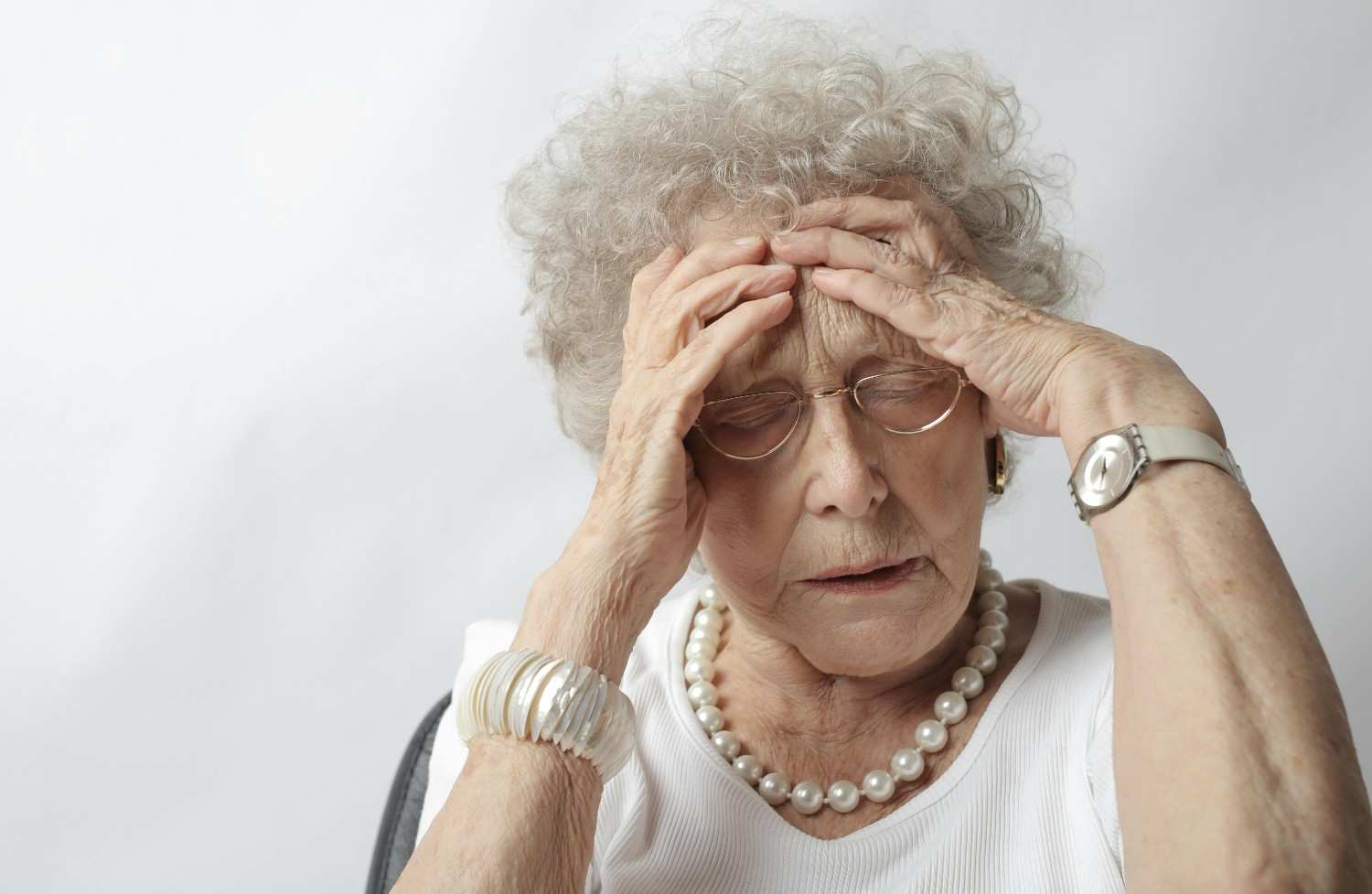
Migraine is often associated with younger and middle-aged adults, particularly women, but it does not disappear simply because someone gets older. For many people, migraine persists well into later life. In others, migraine may appear for the first time after age 50. This can be confusing and concerning, both for patients and clinicians.
Migraine in older adults comes with unique challenges. Symptoms may change with age, and treatment decisions must account for other medical conditions, multiple medications, and age-related sensitivity to side effects. With careful evaluation and an individualized approach, however, migraine can still be managed effectively, allowing older adults to maintain independence and quality of life.
How Migraine Changes With Age
Migraine often evolves over the lifespan. While some people experience improvement as they age, others continue to have disabling attacks or develop new symptoms later in life.
Many patients notice a lower frequency of attacks in older age, especially after menopause. Hormonal fluctuations become less dramatic, which may reduce migraine triggers for some individuals. That said, fewer attacks does not always mean milder disease. Some people continue to experience severe pain, nausea, or neurological symptoms.
One important change seen in older adults is aura without headache. Visual disturbances, numbness, tingling, or speech changes may occur with little or no head pain. These episodes can be frightening and are sometimes mistaken for stroke or seizures. Distinguishing migraine aura from more serious neurological conditions is critical in this age group.
Headache duration and intensity may also change. Attacks are often shorter and less severe than in younger years, but this is not universal. Some older adults continue to have long-lasting, debilitating migraine that interferes with daily activities.
There is also greater overlap with other pain conditions. Tension-type headache, occipital neuralgia, cervical spine disease, and arthritis-related neck pain can mimic or coexist with migraine. This overlap can complicate diagnosis and treatment.
Diagnostic Considerations in Older Adults
Headache evaluation in older adults requires extra caution. While migraine is common, a new or significantly changing headache after age 50 must always be taken seriously.
Unlike younger patients, a “first migraine” in an older adult should prompt evaluation for secondary causes. Conditions such as stroke, transient ischemic attack (TIA), brain tumors, subdural hematoma, or giant cell arteritis must be ruled out before assuming migraine.
Warning signs that require urgent medical attention include sudden onset of severe headache, progressive worsening over time, headaches that awaken someone from sleep, or headaches accompanied by neurological deficits such as weakness, speech difficulty, or vision loss. Systemic symptoms like fever, unexplained weight loss, or jaw pain with chewing are also red flags.
Neuroimaging, such as MRI or CT scans, and blood tests may be appropriate depending on the clinical picture. Once secondary causes are excluded, a diagnosis of migraine can be made with greater confidence.
Acute Migraine Treatment in Older Adults
Treating acute migraine attacks in older adults requires balancing effectiveness with safety. Age-related changes in metabolism and organ function can increase sensitivity to side effects.
Acetaminophen is often considered a first-line option because of its relatively favorable safety profile when used appropriately. It can be effective for mild to moderate migraine attacks, particularly when taken early.
Nonsteroidal anti-inflammatory drugs, or NSAIDs, may also help but require caution. Kidney disease, gastrointestinal bleeding risk, and cardiovascular disease are more common with age. NSAIDs should be used at the lowest effective dose and avoided in patients with significant risk factors.
Triptans remain effective migraine-specific treatments, but cardiovascular safety must be carefully assessed. Older adults are more likely to have heart disease, prior stroke, or uncontrolled hypertension, which may limit triptan use. When appropriate, starting with the lowest effective dose is recommended.
Newer acute treatments known as gepants, such as rimegepant and ubrogepant, are attractive options for older adults. Unlike triptans, they do not constrict blood vessels, making them safer for people with cardiovascular disease. Their favorable side effect profile and lack of vasoconstriction are major advantages in this population.
Nausea is common in migraine at any age. Antiemetics like metoclopramide or ondansetron may be used, but potential drug interactions and sedation should always be reviewed.
Preventive Migraine Treatment in Older Adults
Preventive therapy aims to reduce how often migraine attacks occur and how severe they are. In older adults, prevention can significantly improve quality of life, but careful selection is essential.
Beta-blockers such as propranolol and metoprolol are commonly used migraine preventives. They can be effective, especially in patients who also have hypertension or certain heart conditions. However, they may worsen fatigue, depression, or slow heart rate, so monitoring is important.
Antidepressants are another option, particularly when migraine coexists with sleep disturbance, anxiety, or depression. Amitriptyline can be effective but has anticholinergic side effects such as dry mouth, constipation, urinary retention, and confusion, which may limit its use in older adults. Venlafaxine is sometimes better tolerated.
Candesartan is a blood pressure medication with growing evidence for migraine prevention. It is often well tolerated and may be especially helpful for patients who also have hypertension.
Topiramate can reduce migraine frequency but may cause cognitive side effects such as word-finding difficulty or memory issues. These effects may be more pronounced in older adults and should be monitored closely.
CGRP monoclonal antibodies represent an important advance in migraine prevention. They have minimal drug interactions and are generally well tolerated, making them appealing options for older patients with complex medical histories. Many clinicians consider them among the safest preventive choices in this age group.
Special Considerations in Older Adults With Migraine
Several factors make migraine management more complex later in life. Polypharmacy is a major concern. Many older adults take multiple medications for chronic conditions, increasing the risk of drug interactions. Every new migraine medication should be reviewed carefully in the context of existing prescriptions.
Comorbid conditions such as heart disease, diabetes, kidney disease, and arthritis influence treatment choices. What works well for a younger person may be inappropriate or risky for someone with multiple medical issues.
Fall risk is another important consideration. Medications that cause sedation, dizziness, or low blood pressure can increase the likelihood of falls and injuries. This is particularly relevant for drugs like amitriptyline or certain anti-nausea medications.
Migraine with aura deserves special attention in older adults. Because aura symptoms can closely resemble TIA or stroke, any sudden or unusual neurological symptoms should be treated as a medical emergency until proven otherwise.
Non-Drug Approaches to Migraine in Older Adults
Non-drug strategies play a crucial role in managing migraine later in life and are often underutilized.
Regular sleep schedules and consistent hydration help stabilize the nervous system. Even mild dehydration can trigger headache in older adults, who may have a reduced sense of thirst.
Physical therapy and gentle exercise can be especially helpful when migraine overlaps with neck pain, arthritis, or cervical spine disease. Maintaining mobility and strength also supports overall health.
Cognitive-behavioral therapy and relaxation techniques can reduce stress-related triggers and improve coping skills. These approaches are safe, effective, and free of medication side effects.
Neuromodulation devices, such as external trigeminal nerve stimulators or vagus nerve stimulators, are gaining interest. Because they do not involve systemic medications, they can be valuable options for older adults with complex medical histories or medication intolerance.
Practical Tips for Patients and Caregivers
Tracking headache patterns is particularly important in later life. Any new or changing headache features should be reported promptly to a healthcare provider.
When starting medications, the principle of “start low and go slow” helps minimize side effects. Lower doses are often effective and better tolerated in older adults.
Regular medication reviews are essential. Some drugs used for other conditions, such as nitrates or certain sleep aids, can worsen headache or interact with migraine treatments.
Staying physically and socially active can reduce migraine burden and improve mental well-being. Isolation and inactivity may increase stress and pain sensitivity.
Involving caregivers or family members can be helpful for medication management, appointment coordination, and lifestyle support, especially for individuals with memory or mobility challenges.
Take-Home Message
Migraine in older adults presents unique diagnostic and treatment challenges. While attacks may become less frequent with age, new or changing headaches require careful evaluation to rule out serious conditions. Treatment decisions must consider comorbidities, medication interactions, and sensitivity to side effects.
With a thoughtful, individualized approach that combines appropriate medications, non-drug strategies, and regular monitoring, older adults with migraine can achieve meaningful relief and maintain a high quality of life.