
Tag: migraine diagnosis

  • Pediatric Migraine: Diagnosis and Treatment in Children and Teens

    Pediatric Migraine: Diagnosis and Treatment in Children and Teens

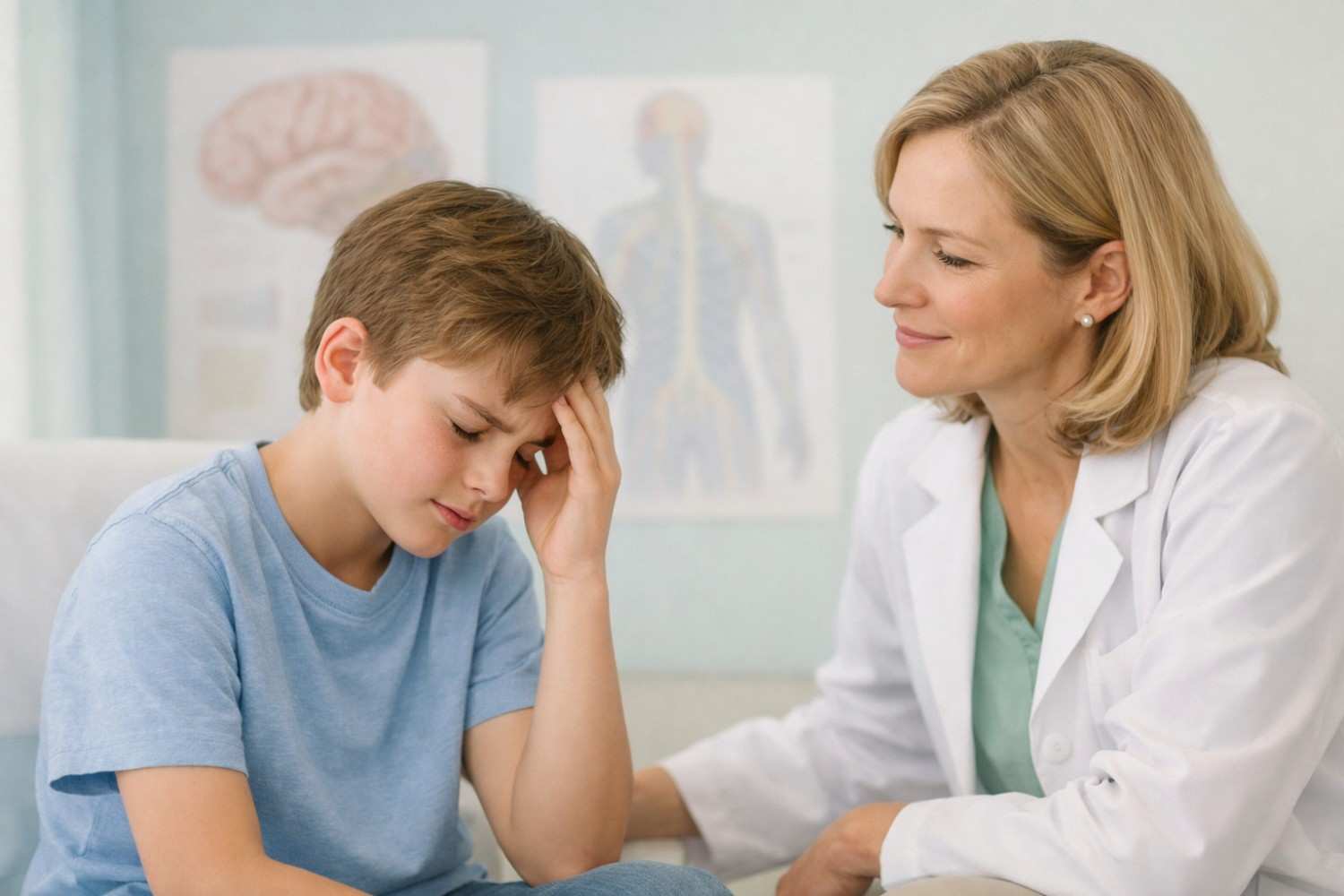
    Migraine is often misunderstood as an adult condition, but it is actually one of the most common neurological disorders in children and adolescents. Research shows that by age 15, up to 10% of children and nearly 28% of teens will have experienced at least one migraine attack. Pediatric migraine can be especially challenging because symptoms often look different from adult migraine, and treatment decisions must consider growth, development, school life, and family dynamics.

    Early recognition and appropriate treatment can make a dramatic difference. With the right support, most children with migraine can thrive at school, in sports, and socially.

    How Migraine Presents in Children

    Migraine symptoms in children do not always match the “classic” adult pattern. This is one reason pediatric migraine is frequently underdiagnosed.

    Migraine attacks in children are often shorter, sometimes lasting only one to two hours rather than the four to seventy-two hours typical in adults. Pain is more likely to be bilateral, affecting both sides of the head or the forehead, instead of being clearly one-sided.

    Gastrointestinal symptoms are very common. Nausea, vomiting, and abdominal pain may dominate the picture, sometimes overshadowing head pain entirely. In some children, abdominal pain may be the main feature, leading to confusion with stomach illnesses or food intolerance.

    Aura symptoms such as visual changes, dizziness, or numbness can occur but are less common than in adults. Behavioral changes are another important clue. Irritability, withdrawal, yawning, pallor, or sudden fatigue may signal the onset of a migraine attack before the child can clearly describe head pain.

    Because of these differences, pediatric migraine is sometimes mistaken for sinus problems, vision issues, anxiety, or simple “tummy aches.” Awareness of these patterns is essential for accurate diagnosis.

    Diagnosing Pediatric Migraine

    The diagnosis of pediatric migraine is clinical, meaning it is based on symptoms and history rather than a single test. The criteria outlined in the International Classification of Headache Disorders (ICHD-3) include adaptations specifically for children.

    In general, a child must have experienced at least five attacks with migraine features. Headache duration can be shorter than in adults, ranging from two to seventy-two hours. The headache must have at least two features such as pulsating quality, moderate to severe intensity, worsening with routine activity, or unilateral or bilateral location. At least one associated symptom is required, such as nausea, vomiting, or sensitivity to light and sound.

    A detailed history from both the child and caregivers is critical. Children may struggle to describe pain, so observations from parents and teachers are often invaluable. The neurological examination is usually normal in pediatric migraine.

    Certain warning signs, sometimes called “red flags,” may prompt further evaluation with brain imaging. These include sudden severe headache, progressive worsening over time, headaches that wake a child from sleep, or focal neurological symptoms like weakness or vision loss. In most children with typical migraine, imaging is not necessary.

    Impact of Migraine on Daily Life

    Pediatric migraine can significantly disrupt daily functioning. Children may miss school frequently or struggle with concentration and memory during attacks. Sports, hobbies, and social activities may be limited, which can affect confidence and emotional well-being.

    Unfortunately, migraine severity in children is sometimes underestimated. Teachers or peers may view symptoms as stress-related or exaggerated, leading to stigma or lack of support. Over time, untreated migraine can contribute to academic difficulties, anxiety, and reduced quality of life. Early recognition and proactive management are key to minimizing these long-term effects.

    Treatment Approaches for Pediatric Migraine

    Effective migraine management in children usually combines lifestyle strategies, acute medications, and, in some cases, preventive therapy. Treatment plans should always be individualized.

    Lifestyle and Behavioral Strategies

    Lifestyle measures form the foundation of pediatric migraine care. Regular sleep and wake times help stabilize the nervous system. Consistent meals and adequate hydration are essential, as skipped meals and dehydration are common triggers.

    Identifying and managing triggers can reduce attack frequency. Stress, screen overuse, dehydration, and irregular schedules are frequent culprits. Stress management techniques, including relaxation exercises and cognitive-behavioral therapy, have strong evidence for benefit in children with migraine.

    Limiting screen time, especially in the evening, supports healthy sleep patterns and may reduce headache frequency.

    Acute Migraine Treatments

    For acute migraine attacks, acetaminophen and ibuprofen are considered first-line treatments in children. These medications are most effective when given early in the attack and dosed appropriately based on the child’s weight.

    Triptans are an important option for moderate to severe migraine in older children and teens. Several triptans are approved for pediatric use, including sumatriptan nasal spray for ages twelve and older, rizatriptan for children as young as six in some regions, and zolmitriptan nasal spray for adolescents. These medications can significantly reduce pain and associated symptoms when used correctly.

    When nausea or vomiting is prominent, anti-nausea medications such as ondansetron or domperidone may be added to improve comfort and medication absorption.

    Preventive Migraine Treatments

    Preventive therapy may be considered when migraine attacks are frequent, severe, or disabling despite good acute treatment. The goal of prevention is to reduce attack frequency, severity, and impact on daily life.

    Topiramate is approved for migraine prevention in adolescents aged twelve and older. Other medications, such as propranolol or amitriptyline, are sometimes used, although evidence for benefit is mixed and careful monitoring is required.

    Nutraceuticals like magnesium and riboflavin are generally safe and may provide modest benefit with minimal risk. Lifestyle-based prevention programs that emphasize exercise, sleep hygiene, and behavioral therapy often show strong and lasting benefits.

    Role of Family and School Support

    Family and school involvement are essential components of successful pediatric migraine management. Education helps caregivers and teachers understand that migraine is a real neurological condition, not simply stress or avoidance behavior.

    School accommodations may include access to a quiet rest area, flexibility with assignments, reduced screen exposure, or extra time for tests during recovery. Consistent routines and a supportive home environment can also help reduce migraine frequency.

    Authoritative guidance from organizations such as the American Migraine Foundation and peer-reviewed research in journals like Headache: The Journal of Head and Face Pain and Neurology supports a multidisciplinary approach to care.

    When to See a Specialist

    Referral to a pediatric neurologist or headache specialist may be appropriate if the diagnosis is unclear, headaches are worsening or unusually severe, or standard treatments are ineffective. Immediate evaluation is warranted if there are concerning neurological symptoms such as seizures, weakness, or persistent vision changes.

    Practical Tips for Parents

    Keeping a headache diary can help identify triggers, track response to treatments, and guide medical decisions. Treating migraine early improves outcomes, while overuse of acute medications should be avoided to prevent rebound headaches.

    Supporting mental health is also crucial. Anxiety and depression are more common in children with migraine and can worsen headache frequency and severity if left unaddressed. Open communication with healthcare providers and schools helps ensure children receive consistent, compassionate support.

    Take-Home Message

    Migraine in children and teens is common but often underrecognized. Symptoms may be shorter, bilateral, and dominated by nausea or abdominal pain, making diagnosis more challenging than in adults. With a thoughtful combination of lifestyle strategies, timely acute treatment, and preventive therapy when needed, most children can gain good control over migraine.

    Parental advocacy, school accommodations, and specialist input play vital roles in helping young people with migraine live healthy, active lives.

  • Migraine with Aura vs Migraine without Aura: Understand the Differences

    Migraine with Aura vs Migraine without Aura: Understand the Differences

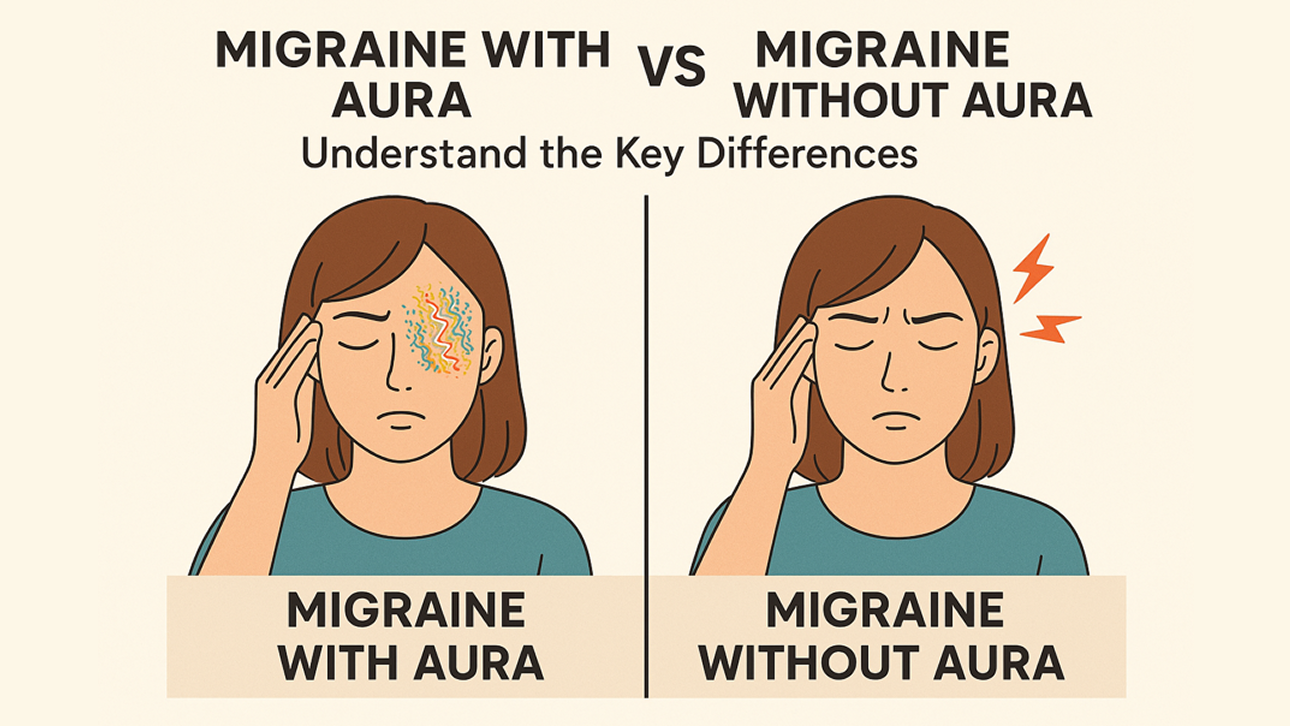
    Migraines are not a one-size-fits-all condition. While all types share hallmark symptoms like recurring head pain, nausea, and sensitivity to light or sound, there are important distinctions within the diagnosis. The two most common forms are migraine without aura (often called common migraine) and migraine with aura (sometimes referred to as classic migraine).

    Understanding the difference between these types is vital for accurate diagnosis, treatment planning, and patient reassurance.

    What Is Aura?

    An aura is a collection of temporary neurological symptoms that occur before or during a migraine attack. These symptoms are caused by brief, reversible changes in brain activity and blood flow. Auras typically develop gradually over 5–20 minutes and usually resolve within an hour.

    Common Types of Aura

    • Visual aura: The most frequent form. Patients may see flashing lights, shimmering shapes, zigzag lines, or blind spots. Some describe it as “looking through broken glass.”
    • Sensory aura: Numbness or tingling that often starts in one hand and moves up the arm or face.
    • Language aura: Temporary difficulty speaking or finding words.
    • Motor aura: Rare, but can cause weakness or paralysis on one side of the body (known as hemiplegic migraine).

    Not every aura is followed by head pain—some people experience aura without headache, also called acephalgic migraine. This can be confusing and may lead to unnecessary testing, especially when symptoms mimic stroke or seizure.

    According to The Lancet Neurology, aura symptoms stem from a phenomenon called cortical spreading depression, a wave of electrical activity across the brain’s surface that temporarily alters blood flow.

    Migraine without Aura

    Migraine without aura is the most common type, affecting about 70–75% of people with migraine.

    Typical symptoms include:

    • Throbbing or pulsating pain (usually on one side)
    • Pain aggravated by routine physical activity
    • Moderate to severe intensity
    • Nausea, vomiting, or sensitivity to light and sound

    Attacks usually last 4–72 hours if untreated and can be highly disabling. Despite lacking aura, this form is a true migraine and equally deserving of effective treatment and preventive care.

    Migraine with Aura

    Migraine with aura affects roughly 25–30% of migraine patients. The defining feature is the presence of reversible neurological symptoms that occur before or during the headache.

    A typical episode may unfold as follows:

    1. Aura phase: Gradual onset of visual changes or sensory disturbances lasting 5–60 minutes.
    2. Headache phase: The migraine pain follows, sharing the same characteristics as migraine without aura.
    3. Postdrome phase: After the pain subsides, patients may feel fatigued, foggy, or low in mood for a day or more.

    Research published in Cephalalgia: The Journal of Headache and Face Pain notes that migraine with aura may carry a slightly increased risk of ischemic stroke, particularly in women under 45 who smoke or use estrogen-containing contraceptives. For this reason, clinicians assess vascular risk factors carefully when prescribing birth control or preventive therapies

    Clinical Distinctions and Diagnosis

    While both forms share similar pain characteristics, the presence or absence of aura defines the diagnosis.

    Diagnostic Criteria

    • Migraine without aura: Diagnosed based on headache characteristics—one-sided, pulsating, moderate-to-severe intensity, aggravated by activity, and accompanied by nausea or sensitivity to light/sound.
    • Migraine with aura: Requires at least two attacks with aura symptoms that are fully reversible, develop gradually, and last less than 60 minutes, followed by headache within an hour.

    Other conditions such as stroke, seizure, or transient ischemic attack (TIA) can mimic aura. However, a key difference is that aura develops gradually, whereas stroke or seizure symptoms are sudden and maximal at onset.

    Doctors may recommend neuroimaging (MRI or CT) if aura symptoms are atypical, prolonged, or appear for the first time later in life, according to the American Headache Society.

    Why the Difference Matters for Patients

    Recognizing whether your migraine includes aura has practical implications for care and peace of mind.

    1. Treatment

    Most acute and preventive migraine treatments work for both types. However, documenting aura patterns helps clinicians avoid unnecessary investigations and tailor therapies more effectively.

    2. Stroke Risk

    Migraine with aura has a slightly higher vascular risk profile, especially in women who smoke or use hormonal contraceptives. Reducing smoking, managing blood pressure, and using non-estrogen contraceptive methods can lower risk.

    3. Patient Reassurance

    Aura symptoms can be alarming, but they are benign and reversible. Knowing that aura doesn’t mean “brain damage” helps reduce anxiety and empowers patients to respond appropriately during attacks.

    4. Monitoring Changes

    Patients should report any change in aura pattern—such as longer duration, new sensory features, or attacks without pain—to their healthcare provider.

    Practical Tips for Patients

    • Track your symptoms: Keep a migraine diary noting whether visual changes or tingling occur before the headache.
    • Recognize early warning signs: Aura can act as an early signal to take acute medication sooner, improving relief.
    • Avoid confusion with other issues: Not all visual changes are aura—eye strain, dehydration, or low blood sugar can mimic it.
    • Discuss contraception and lifestyle: If you experience migraine with aura, talk to your doctor about safe contraceptive options and managing vascular risks.
    • Stay reassured: Aura can be unsettling but is part of the migraine spectrum, not a sign of a stroke.

    You can read more about migraine triggers or preventive migraine treatments for additional guidance.

    Take-Home Message

    Migraine with aura and migraine without aura represent two points on the same neurological spectrum. The key difference lies in whether the patient experiences temporary neurological warning signs such as visual changes, tingling, or speech disturbances.

    Both forms are real, disabling, and deserve appropriate medical attention. Understanding your migraine type helps guide treatment, reduce anxiety, and empower you to manage symptoms more effectively.

  • What Is Migraine? Symptoms, Types, and Diagnosis

    What Is Migraine? Symptoms, Types, and Diagnosis

    Photo by Liza Summer

    Migraine is a common yet often misunderstood neurological disorder that affects millions worldwide. It’s far more than “just a headache.” Migraine involves complex interactions between the brain, nerves, and blood vessels, leading to a wide range of symptoms that can disrupt daily life. An estimated 12% of the global population experiences migraine, making it one of the most disabling neurological conditions according to the World Health Organization (WHO).

    Understanding what migraine is, how it presents, and how it’s diagnosed is the first step toward effective management and better quality of life.

    What Is a Migraine?

    A migraine is a recurrent headache disorder characterized by moderate to severe pain that typically lasts between 4 and 72 hours if left untreated. Unlike tension-type headaches, migraine pain is often one-sided, throbbing, and worsened by physical activity.

    Other common symptoms include:

    • Nausea and vomiting
    • Sensitivity to light (photophobia)
    • Sensitivity to sound (phonophobia)
    • Sometimes, sensitivity to smells or touch

    Doctors diagnose migraine based on the International Classification of Headache Disorders, 3rd edition (ICHD-3) criteria. A diagnosis usually requires:

    • At least one associated symptom such as nausea/vomiting or sensitivity to light and sound
    • At least five headache attacks meeting migraine features
    • Duration of 4–72 hours per attack
    • At least two of the following: one-sided pain, pulsating quality, moderate-to-severe intensity, or aggravation with movement

    Types of Migraine: With Aura and Without Aura

    Migraines are generally categorized into two main types:

    1. Migraine Without Aura

    This is the most frequent form, affecting about 70–75% of people with migraine. Symptoms include head pain and associated sensitivities—but no neurological warning signs before the attack.

    2. Migraine With Aura

    Roughly 25–30% of migraine patients experience an aura, which consists of temporary neurological symptoms that typically develop over 5–20 minutes and last less than an hour.

    Common aura symptoms include:

    • Visual disturbances (flashing lights, zigzag lines, or blind spots)
    • Sensory changes (tingling, numbness)
    • Speech or language difficulties
    • Temporary weakness on one side of the body (in rare cases)

    Some people experience aura without the headache phase, a condition known as “acephalgic migraine.”

    Other Types and Variants of Migraine

    Beyond the classic categories, several migraine subtypes exist:

    • Chronic migraine: 15 or more headache days per month for at least 3 months, with at least 8 showing migraine features.
    • Vestibular migraine: Involves dizziness or vertigo rather than prominent head pain.
    • Hemiplegic migraine: Rare, includes temporary weakness or paralysis on one side of the body.
    • Menstrual migraine: Triggered or worsened by hormonal fluctuations during the menstrual cycle.

    Each variant presents unique challenges and may require a tailored treatment approach.

    Migraine Symptoms Beyond Headache

    Migraine is best understood as a multi-phase neurological event, not just a headache. Symptoms can span several stages:

    1. Prodrome (Early Warning Signs)

    Occurs hours or days before pain starts. Symptoms may include:

    • Fatigue or mood changes
    • Neck stiffness
    • Food cravings
    • Yawning or irritability

    2. Headache Phase

    This is the hallmark migraine pain—often throbbing, one-sided, and worsened by activity. Nausea, vomiting, and sensory sensitivity are common.

    3. Postdrome (Migraine “Hangover”)

    After pain resolves, many patients feel drained, fatigued, or mentally foggy for up to 48 hours.

    Understanding these stages helps patients recognize patterns and seek treatment early, potentially preventing full-blown attacks.

    How Is Migraine Diagnosed?

    There’s no single test (like a blood test or scan) that definitively diagnoses migraine. Instead, the diagnosis is clinical, based on a thorough history and examination.

    Key Diagnostic Steps:

    • Detailed history: Describing attack frequency, duration, symptoms, and potential triggers.
    • Headache diary: Tracking attacks helps identify patterns and triggers.
    • Physical and neurological exam: Usually normal, but essential to rule out other conditions.
    • Imaging (MRI or CT): Ordered only if there are “red flags,” such as a sudden severe headache, neurological symptoms, or changes in headache pattern.

    According to the American Headache Society, early diagnosis is crucial because untreated migraine can progress to chronic migraine or lead to medication-overuse headaches.

    Further research in The Lancet Neurology has also shown that early recognition and preventive strategies can significantly reduce the burden of migraine on daily life.

    Why an Accurate Diagnosis Matters

    Many people live for years with undiagnosed or misdiagnosed migraine, often mistaking their symptoms for “sinus headaches” or stress-related pain. A correct diagnosis:

    • Confirms that symptoms are due to migraine
    • Enables access to evidence-based treatments
    • Helps prevent unnecessary tests or medications
    • Improves long-term outcomes and quality of life

    A review in Cephalalgia: The Journal of Headache and Face Pain emphasizes that proper migraine classification and early treatment improve outcomes and reduce progression to chronic migraine.

    To learn more about migraine triggers or migraine treatment options, explore our related articles for practical guidance.

    Practical Steps for Patients

    If you suspect migraine, here are steps to take:

    1. Track your symptoms: Keep a headache diary or use a migraine-tracking app.
    2. Identify triggers: Note sleep patterns, diet, stress levels, and hormonal cycles.
    3. Consult your doctor: Share your symptom history and diary to guide diagnosis.
    4. Watch for red flags: Seek immediate care for a sudden, severe headache, new neurological symptoms, or a change in pattern.

    The Takeaway

    Migraine is a complex neurological condition that extends well beyond a typical headache. Recognizing the full spectrum of symptoms, understanding the difference between migraine with and without aura, and pursuing proper diagnosis are critical first steps.

    With the right diagnosis and management plan, most patients can significantly reduce attack frequency, improve daily function, and regain control of their lives.