
Tag: migraine

  • PACAP Migraine Treatment: Exploring New Frontiers in Headache Care

    PACAP Migraine Treatment: Exploring New Frontiers in Headache Care

    Living with migraine can feel like navigating a storm with no clear path home. But science is on your side. While CGRP blockers changed migraine care a decade ago, a new target is emerging: PACAP.

    PACAP is reshaping how we think about preventing and stopping attacks. In this post, we’ll break down the latest research, practical tips, and what this means for you.

    What Is PACAP and Why It Matters

    PACAP (pituitary adenylate cyclase-activating peptide) is a small protein in the brain. It helps regulate blood flow, pain signals, and inflammation. Studies show that PACAP levels rise during migraine attacks.

    In fact:
    In healthy volunteers, an intravenous infusion of PACAP triggered migraine-like headaches. [1]
    Patients often experience photophobia and throbbing pain similar to typical migraine.

    Blocking PACAP or its receptors could cut down migraine days and reduce severity. That’s why researchers now view PACAP migraine treatment as a top next-generation target.

    New Therapies on the Horizon

    Pharmaceutical labs are racing to develop monoclonal antibodies against PACAP or its receptor.

    Early-stage trials offer hope:

    • Clinical Trials: Phase 2 studies report a 30%–40% drop in monthly migraine days so far. [2]
    • Safety Profile: Researchers are assessing long-term effects, since PACAP is involved in heart function and digestion.
    • Comparison to CGRP: PACAP and CGRP pathways overlap but remain distinct. If CGRP blockers didn’t work for you, PACAP migraine treatment might.

    Beyond PACAP: Other Promising Targets

    PACAP isn’t the only new player. Here are three more areas under investigation:

    1. KATP Channels

    These potassium channels help control blood vessel dilation. Early research suggests that blocking KATP channels can abort an attack. Check out this study in Headache: The Journal of Head and Face Pain. [3]

    2. Glutamate Modulation

    Glutamate drives nerve cell communication and may underlie aura and central sensitization. Drugs that dampen glutamate signaling are in early trials. The Neurology Journal reports promising animal data. [4]

    3. Orexin System

    Orexins regulate sleep and arousal. Since poor sleep triggers migraines, orexin receptor blockers are being tested for both insomnia and headache prevention.

    4. Personalized Medicine

    Genome-wide studies in JAMA reveal gene variants tied to migraine risk. One day, your care plan might match your DNA, unlocking truly personalized PACAP migraine treatment strategies.

    Devices and Digital Health: Non-Drug Allies

    Medications aren’t the only tools in the migraine toolbox. Advances in neuromodulation and digital care are gaining traction.

    • Wearable Nerve Stimulators: New trigeminal and vagus nerve devices offer on-demand relief. Learn more from this article in The Lancet. [5]
    • Remote Electrical Neuromodulation (REN): Compact gadgets you control via smartphone apps. They send gentle pulses to halt an attack.
    • Digital Therapeutics: Migrainers swear by smartphone-based CBT, biofeedback, and mindfulness apps. These tools boost resilience and help you track triggers.

    Practical Tips While You Wait

    While PACAP migraine treatment trials progress, here’s what you can do now:
    1. Stay Informed

    Ask your neurologist about local PACAP trials or registries. ClinicalTrials.gov is a good starting point.

    2. Track Your Response

    Use a headache diary app. Record frequency, intensity, and triggers. This data guides your doctor and pinpoints if a new therapy is right for you.

    3. Advocate for Access

    New drugs often carry high price tags. Reach out to patient advocacy groups for support. They can help with insurance appeals.

    4. Combine Strategies

    Don’t rely on pills alone. Add stress management, regular sleep, hydration, and gentle exercise.

    Frequently Asked Questions

    Q: How soon will PACAP treatments be available?
    A: If phase 3 trials go well, we could see FDA approval in 2–3 years.

    Q: Are there risks to blocking PACAP?
    A: Potential side effects include mild digestive issues or changes in blood pressure. Long-term safety data is still pending.

    Q: Should I stop my current migraine meds?
    A: Never stop or change prescriptions without talking to your doctor. Combining therapies may yield the best results.

    The Future of Migraine Care

    The migraine landscape is evolving fast. PACAP migraine treatment sits at the cutting edge, offering hope to people who haven’t found relief yet. As research unfolds, expect a more personalized approach that blends:

    • Targeted medications like PACAP or CGRP antibodies
    • Neuromodulation devices for on-the-spot relief
    • Digital tools for stress and trigger management
    • Lifestyle tweaks based on genetics and personal patterns

    You’re not alone in this journey. With new options on the horizon, better days lie ahead.

    References
    [1] Schytz HW, et al. Cephalalgia. 2009;29(7):861–873. https://doi.org/10.1111/j.1468-2982.2008.01840.x
    [2] The Lancet Neurology. Early Phase 2 PACAP Antibody Trial Results. 2023. https://www.thelancet.com/journals/laneur/article/PIIS1474-4422(23)00012-3/fulltext
    [3] Headache: The Journal of Head and Face Pain, 2021;61(2):223–232. https://headachejournal.onlinelibrary.wiley.com/doi/10.1111/head.14056
    [4] Neurology Journal. Glutamate Modulators in Migraine Prevention. 2022. https://n.neurology.org/content/98/12/567
    [5] The Lancet. Wearable Nerve Stimulation for Migraine. 2022. https://www.thelancet.com/journals/lanres/article/PIIS2213-2600(21)00045-7/fulltext


  • Workplace Migraine Accommodations: Know Your Rights and Boost Productivity

    Workplace Migraine Accommodations: Know Your Rights and Boost Productivity

    Dealing with migraine attacks at work is tough. You’re not alone—millions of Canadians face this challenge daily.

    The good news is that you have legal rights and practical options. In this post we’ll dive into workplace migraine accommodations, show you strategies to stay productive, and explain how Canadian law protects you.

    How Migraine Impacts Your Workday

    Migraine can disrupt your career in many ways:

    • Absenteeism: Missed workdays due to severe pain or nausea.
    • Presenteeism: When you’re at your desk, but brain fog and light sensitivity slow you down.
    • Stigma: Invisible symptoms can make colleagues underestimate your struggle.
    • Career Limits: Without accommodations, you may miss promotions or key projects.

    Knowing your rights and planning ahead can make a big difference.

    Legal Protections for Migraine in Canada

    Under the Canadian Human Rights Act and provincial human rights codes, migraine qualifies as a disability if it significantly limits daily activities.

    Employers must accommodate you unless they face undue hardship. You only need to share functional limitations—no full medical history.

    Key Points:

    Duty to Accommodate: Your employer must explore options with you.

    Privacy: You can state, for example, “I need to avoid fluorescent lighting,” without disclosing your diagnosis.

    Practical Workplace Migraine Accommodations

    1. Flexible Scheduling

    Start your day later if your mornings are rough. Swap shifts to avoid sleep disruption. When you can adjust hours, you reduce the risk of missing work entirely.

    2. Modified Environment

    Swap harsh fluorescent lights for full-spectrum bulbs or lamps. Sit near a window for natural light. Use tinted screen filters or anti-glare glasses to cut screen glare. For noise, pick a quiet corner or wear noise-cancelling headphones.

    3. Breaks and Rest Periods

    Schedule short hydration and snack breaks. If a migraine hits hard, ask to rest in a quiet, dark room for 20–30 minutes. A brief pause often helps you return to work with clearer focus.

    4. Remote and Hybrid Options

    Working from home can cut down on commuting stress and trigger exposure. On milder days, remote work helps you stay productive. Combine office and home days to match your condition.

    5. Task Management

    Talk with your supervisor about shifting non-essential tasks during flare-ups. Prioritize deadlines and redistribute pressing assignments to teammates when needed.

    Talking to Your Employer

    1. Prepare Documentation

    Request a note from your doctor describing your limits (e.g., “avoids fluorescent lighting”). Keep it brief and functional.

    2. Be Specific

    Suggest solutions: “I need an adjustable desk lamp with full-spectrum bulbs.” Concrete requests speed up approval.

    3. Collaborate

    Frame it as a win-win: “These tweaks will help me meet deadlines reliably.” Show how accommodations boost your productivity.

    4. Know Your Options

    If your employer says no, you can file a claim with your provincial human rights commission or the Canadian Human Rights Tribunal.

    Employer Benefits of Accommodations

    Fearing costs? Most adjustments are low-cost. Investing in staff well-being yields:

    – Lower absenteeism and turnover.
    – Higher morale and loyalty.
    – A more inclusive, diverse workplace.

    Self-Management Strategies at Work

    Even with accommodations, these tips help:
    Stay Hydrated: Keep a water bottle at your desk.
    Snack Smart: Use small, regular meals to avoid blood sugar dips.
    Move Regularly: Stretch or walk every hour to ease tension.
    Practice Mindfulness: A brief breathing exercise can ease stress.
    Ergonomic Setup: Align your monitor, keyboard, and chair to prevent neck strain.

    When Accommodations Fail

    If your requests aren’t respected:
    1. Document everything: Keep records of requests and responses.
    2. Escalate: Talk to HR or your union rep.
    3. File a Complaint: Reach out to your provincial human rights body.

    Takeaway

    Migraine doesn’t have to derail your career. Canadian laws protect your right to reasonable workplace migraine accommodations.

    By knowing your rights, communicating clearly, and practicing self-care, you can stay productive and advance your career.

    Employers also benefit from lower turnover and higher engagement when they support employees with migraine.

    References:
    1. Lipton RB, Diamond S, Reed ML, Diamond ML, Stewart WF. Migraine prevalence, disease burden, and the need for preventive therapy. Headache. 2007;47(5):713–723. https://headachejournal.onlinelibrary.wiley.com/doi/full/10.1111/j.1526-4610.2007.00701.x
    2. Brazilian Migraine Group. Environmental and workplace triggers in migraineurs. Cephalalgia. 2018;38(7):1403–1415. https://journals.sagepub.com/doi/10.1177/0333102418759786
    3. Everson C. Reasonable accommodations and the law. The Lancet. 2019;394(10203):1812–1814. https://www.thelancet.com/journals/lancet/article/PIIS0140-6736(19)30475-5/fulltext
    4. Smitherman TA, Burch R, Sheikh H, Loder E. The prevalence, impact, and management of migraine in the workplace: Results from the American Migraine Prevalence and Prevention (AMPP) Study. JAMA. 2019;321(22):2207–2218. https://jamanetwork.com/journals/jama/fullarticle/2761234

  • Navigating Migraine Treatment Access in Canada: Your Guide to Coverage and Care

    Navigating Migraine Treatment Access in Canada: Your Guide to Coverage and Care

    Living with migraine can feel like an uphill battle. Finding effective relief is a start. But even after you find a treatment that works, another challenge often arises: access to migraine treatments in Canada.

    We’ll show you how public and private coverage works, what your out-of-pocket costs might be, and practical tips to get the help you need without breaking the bank.

    Why Focus on Migraine Treatment Access in Canada?

    Access to migraine treatments in Canada varies by province, employer benefits, and income. Knowing how to navigate this system empowers you to focus on healing, not paperwork. Let’s break it down.

    Understanding the Canadian Coverage Landscape

    Public Drug Plans

    Each province and territory in Canada manages its own drug benefit program. That means coverage depends on where you live.

    For example,

    • Criteria for advanced therapies. Most provinces require a confirmed chronic migraine diagnosis, failure of at least two oral preventives, and a documented headache diary. These rules help you qualify for high-cost treatments like Botox or CGRP monoclonal antibodies (Aimovig, Ajovy, Emgality).
    • Special authorizations. To get Botox or CGRP treatments, your doctor submits a prior-approval form. This process can feel slow—but clear records speed it up.
    • Income-based assistance. Provincial catastrophic drug plans or low-income programs can lower your costs when you hit yearly limits.

    Private Insurance

    Many Canadians rely on employer-sponsored or individual private plans for migraine care. Here’s what to watch for:

    • Formularies. Not every plan lists new migraine therapies. Check your policy for CGRP antibodies or gepants. If they’re missing, you can often request a formulary exception through your benefits manager.
    • Prior authorization. Similar to public plans, insurers need proof that you’ve tried and failed lower-cost options before covering advanced therapies.
    • Specialty pharmacies. Some drugs, like injectable CGRPs, are only available through designated pharmacies with patient support programs. These services help with paperwork and dosing instructions.

    Patient Support Programs

    • Pharma companies offer programs to ease the financial burden. They can help with:
      Insurance navigation. Trained specialists guide you through coverage forms and appeal letters.
    • Temporary free supply. Some programs provide doses while your public or private coverage is pending.
    • Copay assistance. You might get financial aid for remaining costs after insurance pays its share.

    Practical Steps to Secure Your Migraine Treatments

    Step 1: Keep a Detailed Migraine Diary

    Insurance plans need proof. Track your headache days, pain levels, and medication use. A simple chart or smartphone app works well.

    Step 2: Talk to Your Healthcare Provider

    Neurologists and headache specialists know the forms. Ask them to fill out prior-authorization requests and indicate why newer therapies are medically necessary.

    Step 3: Contact Your Insurer Early

    Call your benefits department. Confirm whether your desired treatment is on the formulary and whether prior approval is needed. Note deadlines and required documents.

    Step 4: Leverage Patient Support Programs

    Reach out to drug manufacturer programs as soon as you get your prescription. They can bridge coverage gaps and guide you through appeals if your initial request is denied.

    Step 5: Explore Provincial Safety Nets

    Even with private insurance, check if your province offers catastrophic or low-income drug plans. Those plans can cap your annual drug spend and reduce out-of-pocket costs.

    Takeaway

    Access to migraine treatments in Canada depends on knowing your coverage options, keeping detailed records, and tapping into support programs.

    By taking these practical steps, you can improve your chances of securing the therapies you need. Talk to your healthcare team, call your insurer, and don’t hesitate to use patient support programs. You don’t have to navigate migraine treatment access alone.

    Focus Keyphrase: migraine treatment access in Canada
    Optimized Meta Description: Learn how to navigate migraine treatment access in Canada, from public coverage to private insurance. Get started today!
    SEO Slug: migraine-treatment-access-canada
    Suggested Tags: migraine, Canada, drug coverage, CGRP therapy, patient support, public insurance, private insurance

  • Talking to Your Doctor About Migraine: Key Questions to Ask

    Talking to Your Doctor About Migraine: Key Questions to Ask

    Managing migraine effectively starts with a clear conversation between you and your healthcare provider. When you come prepared with questions, you make the most of your appointment time.

    In this guide, we’ll explore the top questions to ask your doctor about migraine, helping you feel confident and in control of your care.

    Why Asking Questions Matters

    Migraine is more than just a bad headache. It’s a complex neurological condition that can severely affect your life. Studies in Cephalalgia show that clear communication improves diagnosis and treatment outcomes.

    By asking the right questions, you:

    • Maximize limited time during visits
    • Ensure accurate diagnosis
    • Understand treatment options
    • Build a stronger partnership with your doctor

    1. Understanding Your Diagnosis

    Is It Really a Migraine?

    Your doctor will start with your symptoms. You may wonder: Am I definitely experiencing migraine, or is it another type of headache? Ask if any tests—like MRI brain imaging or blood work—are needed to rule out other conditions. Make sure you clarify whether you have migraine with aura, chronic migraine, or another subtype.

    2. Exploring Treatment Options

    Acute vs. Preventive Treatments

    Acute medications stop an attack in progress.

    Ask:

    • Which acute meds are best for me?
    • How quickly should they work?
    • What are the side effects?

    Preventive therapy aims to reduce attack frequency.

    You might ask:
    When should I consider preventive treatment?
    Are newer options like CGRP antibodies or gepants right for me?

    3. Medication Safety and Interactions

    Balancing Benefits and Risks

    Medications can interact with each other. Tell your doctor about all prescriptions you take.

    Ask about:

    • Common side effects to watch for
    • Interactions with other meds
    • Safety during pregnancy or if you have cardiovascular risks

    4. Lifestyle and Non-Drug Approaches

    Holistic Strategies

    Lifestyle changes play a big role in migraine management. Ask your doctor:

    • How do sleep, diet, and exercise affect migraines?
    • Would I benefit from a referral to a physiotherapist or psychologist?
    • Are non-drug treatments like acupuncture or neuromodulation devices an option?

    5. Preventing Medication Overuse

    Avoiding Rebound Headaches

    Taking acute meds too often can cause rebound headaches.

    Ask:

    • How many doses per month are safe?
    • What warning signs indicate medication overuse?
    • When should I seek urgent medical attention?

    The Journal of Headache and Pain highlights best practices in preventing medication overuse headache.

    Preparing for Your Appointment

    Before you go, keep a migraine diary for at least one month.

    Record:

    • Frequency and duration of attacks
    • Possible triggers
    • Medications taken and their effects

    Also, write down past treatments—what worked, what didn’t, and any side effects. Prioritize your top three concerns so you cover them first if time runs short. Bring a friend for support and note-taking if that helps.

    What to Expect During the Visit

    Your doctor may:

    • Ask detailed questions about your symptoms and lifestyle
    • Perform a brief neurological exam
    • Discuss a stepwise treatment plan, starting with acute therapy

    Expect shared decision-making: you and your doctor will weigh the benefits and risks of each option together.

    After Your Appointment

    Continue using your diary to track progress. Note if new treatments reduce attack frequency or cause side effects. Communicate with your doctor about whether your goals—fewer attacks or less disability—are being met. Management often requires adjustments over time.

    Practical Patient Tips

    Be honest and specific about how migraine affects your work, school, or home life.
    Ask about next steps before you leave—know when to follow up.
    Don’t minimize your symptoms. Migraine is a real neurological disorder.
    Bring your medication bottles to avoid confusion.
    Request reputable educational resources or support groups.

    Takeaway

    Talking to your doctor about migraine works best when you come prepared. By asking about diagnosis, treatment options, safety, lifestyle factors, and risk management, you ensure your concerns are addressed.

    Remember, effective migraine management is a partnership: your voice plus your doctor’s expertise create the strongest plan.

  • Migraine and Neurological Disorders: How Overlaps Impact Diagnosis and Treatment

    Migraine and Neurological Disorders: How Overlaps Impact Diagnosis and Treatment

    Migraine and neurological disorders often go hand in hand. For many patients, managing migraine is more complex when conditions like epilepsy, multiple sclerosis (MS), stroke, or even dementia are in the picture.

    Understanding these overlaps can help you partner with your healthcare team to create a more effective, integrated plan for relief and overall brain health.

    Why Focus on Migraine and Neurological Disorders?

    When you search for migraine and neurological disorders, you want clear answers. You need strategies that address all your concerns—seizures, mood changes, mobility issues, and stroke risk—without creating new problems. This post dives into how migraine intersects with other brain conditions and offers practical tips to streamline your care.

    Migraine and Epilepsy

    People with epilepsy are up to three times more likely to develop migraine. Both disorders feature sudden attacks, abnormal electrical activity, and shared genetic factors.

    Some patients even experience “migralepsy,” where an aura accelerates into a seizure.

    Aura vs. Seizure

    A migraine aura can look like a focal seizure. Work with your neurologist to get an accurate EEG and detailed symptom diary.

    Shared Treatments

    Valproate and topiramate can help both conditions. Ask about side effects and drug interactions.

    Quality of Life

    Balancing two episodic conditions means extra planning. Keep rescue medications, stay hydrated, and track triggers closely.

    Migraine and Multiple Sclerosis (MS)

    Migraine rates are higher in MS patients than the general population. Inflammation, immune responses, and even some MS therapies can prompt or worsen headaches.

    Immune Mechanisms

    Both involve inflammatory pathways. Discuss anti-inflammatory diets and supplements that may benefit both MS and migraine.

    Diagnostic Clarity

    MS relapses sometimes mimic migraine aura. Keep your MS and migraine care teams in sync to avoid mislabeling a relapse as a migraine—and vice versa.

    Treatment Harmony

    Beta-interferons can trigger headaches, while fingolimod may ease them. Evaluate which disease-modifying therapy aligns best with your migraine profile.

    Migraine and Stroke

    Migraine with aura is linked to a modest increase in ischemic stroke risk. If you’ve had a stroke, striking the right balance between headache relief and vascular safety is critical.

    Risk Reduction

    Quit smoking, manage blood pressure, and avoid estrogen-containing birth control if you have aura.

    Acute Treatments

    Skip triptans if you’re at high vascular risk. Instead, ask about gepants and ditans, which don’t constrict blood vessels.

    Preventive Options

    Beta-blockers or candesartan may lower both migraine frequency and stroke risk.

    Migraine and Dementia: What You Need to Know

    Some studies show more white matter hyperintensities on MRI in chronic migraine sufferers. But the link to dementia remains unclear, and most migraineurs do not develop cognitive decline.

    • Brain Health Tips: Focus on exercise, mental stimulation, and vascular risk control to protect long-term cognition.

    • Monitoring: If you worry about memory, ask for neuropsychological testing and regular follow-ups.

    Migraine and Psychiatric Disorders

    Depression and anxiety double the burden of migraine and vice versa. Low serotonin, dopamine imbalances, and chronic pain all play a role.

    • Screen Early: Use tools like the PHQ-9 or GAD-7 to catch mood symptoms before they spiral.

    • Dual-Purpose Medications: Amitriptyline and venlafaxine can treat both migraine and mood disorders.

    • Behavioral Health: Cognitive-behavioral therapy (CBT) and mindfulness-based stress reduction (MBSR) benefit both headache control and emotional well-being.

    Practical Tips for Integrated Care

    1. Share Your Full History

    Tell every specialist about your seizures, MS course, stroke events, and mood symptoms.

    2. Look for Overlaps

    Ask if one drug can help multiple conditions to reduce pill burden and avoid interactions.

    3. Coordinate Care

    Request joint appointments or summaries from each provider to keep everyone on the same page.

    4. Prioritize Lifestyle

    Good sleep, balanced diet, regular exercise, and stress reduction help with migraine and almost every neurological condition.

    5. Advocate for Yourself

    If you suspect a relapse or side effect, speak up early. Timely intervention prevents complications.

    Takeaway

    Migraine and neurological disorders intersect in ways that complicate diagnosis and treatment—but they also open doors for integrated solutions.

    By recognizing shared pathways, optimizing medications, and focusing on lifestyle, you can improve outcomes across the spectrum of brain health.

    Use this guide to spark informed conversations with your care team and to make your treatment plan as comprehensive as possible.

  • Migraine Stroke Risk: What Research Shows and How to Stay Safe

    Migraine Stroke Risk: What Research Shows and How to Stay Safe

    If you live with migraine, you’ve probably wondered: could my headaches increase my stroke risk? Migraine is more than just pain—it’s a complex brain condition. In recent years, researchers have uncovered a link between migraine and stroke, especially ischemic stroke. In this post, you’ll learn about migraine stroke risk, who’s most vulnerable, and practical steps to keep your brain healthy.

    Understanding Stroke Types

    Stroke happens when blood flow to the brain is disrupted.

    There are two main kinds:

    1. Ischemic Stroke:

    A clot blocks an artery, cutting off blood flow. This type is most commonly linked to migraine, mostly in younger women.

    2. Hemorrhagic Stroke:

    A blood vessel in the brain bursts, causing bleeding. While migraine has weaker ties to this type, maintaining good vascular health helps reduce all stroke risks.

    Why Focus on Migraine Stroke Risk?

    Knowing your migraine stroke risk helps you and your healthcare provider make informed choices. The absolute risk remains low for most people with migraine, but certain factors can double or even triple that risk.

    Being aware lets you take steps now to prevent serious complications later.

    Who Is at Higher Risk?

    • Migraine with Aura

    If your headaches include visual or sensory warnings (aura), your stroke risk is highest. Studies suggest you may be twice as likely to experience an ischemic stroke compared to non-migraineurs.

    • Women Under 45 Using Estrogen Contraceptives

    Combining aura with estrogen-containing birth control further raises clotting risks.

    • Smokers

    Tobacco use magnifies stroke risk dramatically for migraine sufferers, especially those with aura.

    Other Vascular Risk Factors

    High blood pressure, diabetes, high cholesterol, and obesity add to the overall risk.

    On the other hand, migraine without aura does not significantly increase stroke risk for most patients.

    Possible Mechanisms Behind the Link

    Researchers propose several reasons migraine may boost stroke risk:

    • Cortical Spreading Depression: The brain wave underlying migraine aura may make certain regions more vulnerable to low blood flow.

    • Vascular Reactivity: Migraineurs often have blood vessels that constrict or dilate excessively.
    • Endothelial Dysfunction: The inner lining of blood vessels may not respond properly, favoring clot formation.

    • Shared Genetics: Some gene variants have been linked to both migraine and vascular disease in papers published by the Neurology Journal.

    Absolute vs. Relative Risk

    Relative Risk tells you how many times more likely one group is compared to another. Studies show people with migraine have about twice the relative risk of stroke.

    But the absolute risk remains low:

    • Healthy young women with migraine with aura face about 4 6 strokes per 100,000 each year.
    • Women without migraine have roughly 2 4 strokes per 100,000 annually.

    Most migraineurs will never have a stroke, but understanding the relative boost helps guide safe choices.

    Managing Migraine Stroke Risk

    1. Lifestyle First

    • Quit Smoking: This is one of the biggest changes you can make. If you need help, talk to your doctor or check out a local smoking cessation program on your health center’s website (internal link).

    • Regular Exercise

    Aim for 30 minutes most days. Exercise improves blood flow, helps control weight, and lowers blood pressure.

    • Healthy Diet

    Focus on fruits, vegetables, whole grains, and lean protein. A Mediterranean-style diet also reduces vascular risk (internal link).

    2. Contraceptives and Hormones

    If you have migraine with aura, avoid combined estrogen-progestin pills.

    Instead, consider:

    • Progestin-only options
    • Non-hormonal methods like IUDs or barrier methods

    Discuss alternatives with your OB-GYN to find what suits you best.

    3. Migraine Medications

    • Triptans

    Used for acute attacks, they narrow blood vessels briefly. Research hasn’t shown long-term stroke risk in healthy patients, but caution is advised if you have heart disease.

    • Gepants and Ditans

    These newer drugs don’t constrict vessels. They may be safer for migraineurs with cardiovascular risk factors.

    • Preventive Medications

    Beta-blockers (like propranolol) and candesartan lower blood pressure and may reduce stroke risk while preventing migraine attacks.

    Special Considerations

    Pregnancy

    Both migraine and pregnancy change stroke risk independently. If you’re pregnant or planning to be, talk with your doctor about managing blood pressure and migraine safely.

    Age and Traditional Risk Factors

    As you get older, high blood pressure, diabetes, and high cholesterol outweigh migraine in stroke risk. Keep regular checkups to monitor these markers.

    Silent Brain Lesions

    MRI scans sometimes show white matter changes in people with migraine with aura. The long-term effects are still under study but staying on top of vascular health is key.

    Practical Take-Home Tips

    1. Know Your Migraine Type: Aura matters. Keep a headache diary to record symptoms.
    2. Avoid Smoking and Estrogen Pills: Two modifiable factors with big impacts on stroke risk.
    3. Control Vascular Health: Monitor blood pressure, cholesterol, and blood sugar. Early management pays off.
    4. Choose Safe Migraine Treatments: Talk to your doctor about gepants or beta-blockers if you have extra risk.

    Takeaway

    While migraine—especially with aura—does raise your risk of ischemic stroke, the absolute chance remains low for most people. By focusing on lifestyle changes, choosing safe contraceptives, and working with your healthcare team on migraine and vascular prevention, you can manage your migraine stroke risk and protect your brain health for years to come.

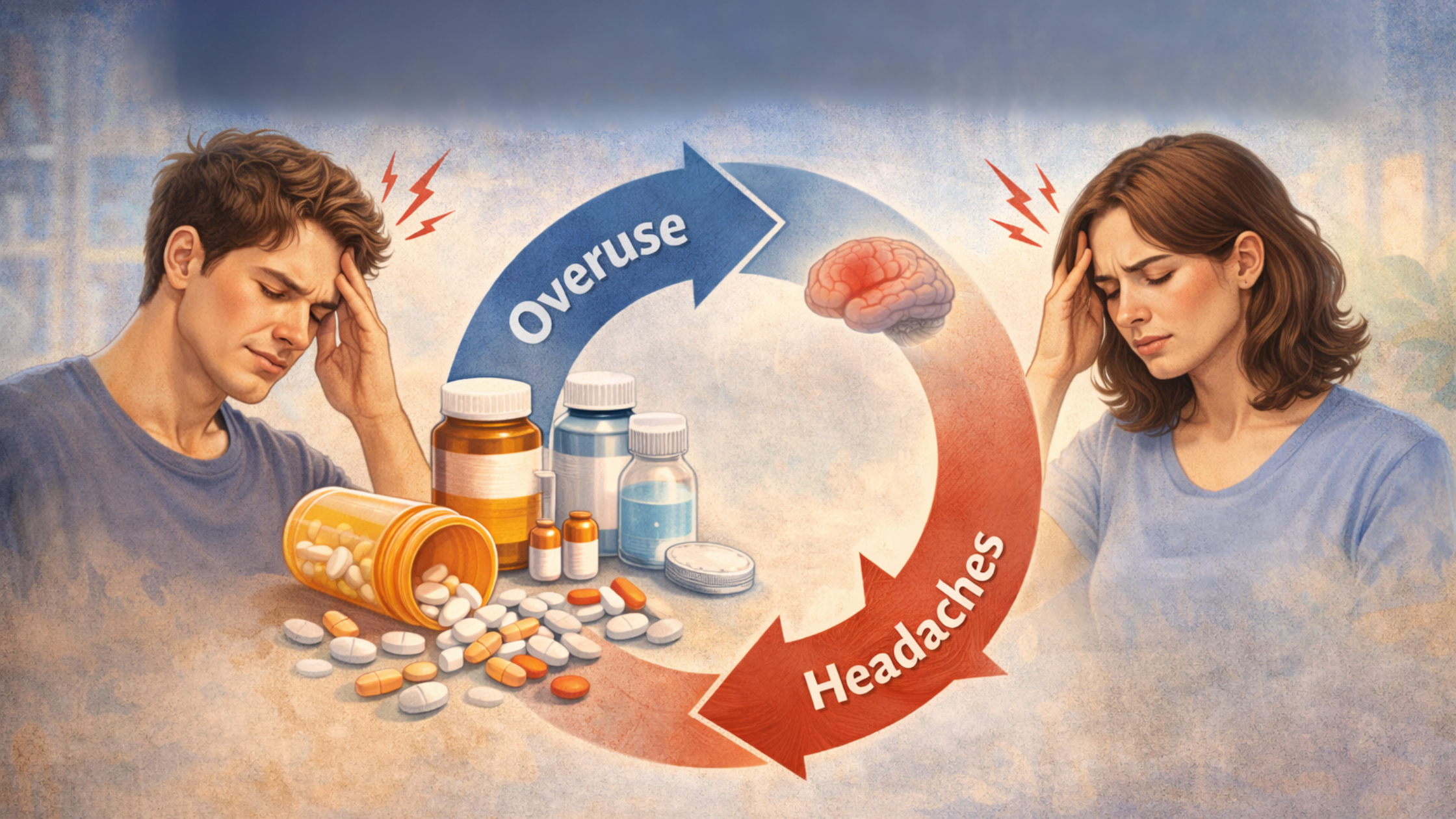
  • Medication Overuse Headache: How to Break the Cycle and Prevent Rebound Pain

    Medication Overuse Headache: How to Break the Cycle and Prevent Rebound Pain

    If you’re struggling with migraine attacks, you know how hard it can be to find relief. Acute medications like triptans or NSAIDs can be a lifesaver—until they backfire. When painkillers are taken too often, they can trigger medication overuse headache, turning episodic migraine into a near-daily struggle.

    In this article, we’ll explain what medication overuse headache is, why it happens, and, most importantly, how to prevent and treat it so you can get back to living well.

    What Is Medication Overuse Headache?

    Medication overuse headache (MOH), also called rebound headache, happens when your brain becomes hypersensitive after frequent use of acute migraine drugs.

    According to the International Classification of Headache Disorders (ICHD-3), MOH is diagnosed if:

    • You have headaches 15 or more days per month.
    • You’ve overused acute headache meds for at least three months.
    • Your head pain has worsened during that time.

    Once you address the overuse, many people see a big improvement in frequency and severity.

    Why Does Medication Overuse Headache Occur?

    Researchers point to three main drivers:

    Neurochemical shifts: Overusing drugs like triptans or opioids alters serotonin, dopamine, and CGRP signaling in the brain.

    Central sensitization: Repeated dosing can over-activate pain pathways, making your brain more sensitive to triggers.

    Rebound effect: As medication levels drop, you get a rebound headache—and take more pills, trapping you in a cycle.

    Common Culprits in MOH

    Not all pain relievers carry the same risk. Knowing which medicines are most often involved can guide safer choices:

    Triptans (e.g., sumatriptan): Risk rises if used on 10 or more days per month.
    Combination analgesics (caffeine plus acetaminophen or aspirin): High risk when used frequently.

    Opioids: Even occasional use can quickly lead to MOH.

    NSAIDs (ibuprofen, naproxen): Moderate risk; safer than opioids but still risky if taken more than 15 days per month.

    Gepants: Growing evidence suggests these newer CGRP-receptor antagonists do not trigger MOH, making them a promising alternative.

    Recognizing the Warning Signs

    It can be hard to spot medication overuse headache because its symptoms overlap with chronic migraine. Watch for:

    • Pain that shifts from episodic attacks to nearly daily discomfort.
    • Short-lived relief from your usual meds, prompting more doses.
    • Higher pill counts on your headache diary or app

    If you see these patterns, talk with your doctor about MOH.

    How to Break Free: Three Key Steps

    1. Education and Awareness

    First, know that the headache itself may be fueled by the meds you’re taking. Our blog post on lifestyle tweaks (/lifestyle-migraine-tips) offers tips for non-drug strategies like hydration, sleep hygiene, and trigger management.

    2. Withdrawal or Reduction

    Tappering vs. abrupt stop

    Mild overuse can sometimes be tapered. Severe cases may need an abrupt stop under medical supervision.

    Supportive meds

    Short courses of NSAIDs, steroids, or antiemetics can ease withdrawal symptoms.

    Inpatient detox

    For complex situations, an overnight or week-long stay in a headache center may be best.
    According to a review in Neurology Journal, patients who complete a structured withdrawal program often see headache days cut by more than half.

    3. Preventive Therapy

    As you wean off overused drugs, start a preventive regimen. Options include:

    • Topiramate or valproate
    • Beta-blockers (propranolol, metoprolol)
    • CGRP monoclonal antibodies (erenumab, fremanezumab)
    • Candesartan (an angiotensin blocker)

    Partnering with your healthcare provider lets you find the right dose and manage side effects.

    Non-Drug Support
    Behavioral and lifestyle approaches make a big difference:

    • Cognitive-behavioral therapy (CBT) can change how you perceive pain and reduce stress.
    • Relaxation techniques like guided imagery or progressive muscle relaxation ease muscle tension.
    • Regular sleep, balanced diet, and exercise strengthen resilience against triggers.

    Preventing Medication Overuse Headache

    You don’t have to slip into MOH. Try these practical strategies:

    1. Set strict limits

    Take triptans or combination analgesics for no more than nine days per month. Keep NSAIDs or acetaminophen under 14 days per month.

    2. Track every dose.

    Use a headache diary or app to monitor patterns.

    3. Adopt a stepped approach.

    For mild pain, try non-drug tactics: rest in a dark room, apply a cold pack, practice deep breathing.

    4. Consider alternative therapies.

    Gepants (ubrogepant, rimegepant) and neuromodulation devices show promise without risk of rebound. Ask your neurologist if these suit you.

    Practical Tips for Smart Acute Treatment

    • Don’t chase every headache. Wait until pain reaches moderate intensity before treating.
    • Treat early and effectively. Taking your medication at the first sign of migraine can reduce total pills used.
    • Use combination therapy wisely. Pairing a triptan with an NSAID can enhance relief and cut rebound risk.

    When to Seek Professional Help

    If you’ve tried limits and still hit 15 days of headache per month, or if your relief window has shrunk, reach out to a headache specialist. Complex cases benefit from a multidisciplinary team including neurology, pain management, and behavioral therapy.

    Real-Life Success Story

    After hitting 20 headache days per month on sumatriptan and over-the-counter opioids, Sarah decided enough was enough. Under her doctor’s guidance, she gradually stopped opioids, used NSAIDs sparingly during a 10-day transition, and started erenumab for prevention.

    Within two months, her headache days dropped to eight per month, and she reclaimed weekends with her family.

    Key Takeaways

    Medication overuse headache can turn your migraine treatment into the problem—but it doesn’t have to stay that way.

    Focus on:

    • Awareness: Track use and set day limits.
    • Safe withdrawal: Plan with your healthcare team.
    • Prevention: Introduce a preventive medication early.
    • Non-drug tactics: CBT, relaxation, and lifestyle changes boost success.

    Regain control of your life by breaking the rebound cycle, one strategy at a time.

  • Diet and Migraine: Triggers and Protective Foods for Headache Relief

    Diet and Migraine: Triggers and Protective Foods for Headache Relief

    Living with migraine can feel like walking on eggshells around your diet. Certain foods and habits can spark an attack. Others can soothe and protect. In this article, we dive into diet and migraine links. You’ll learn how to spot triggers, choose protective foods, and keep attacks at bay.

    Why Diet and Migraine Are Connected


    Migraine is a complex neurological disorder. It involves blood vessel changes, inflammation, and shifts in brain chemicals like serotonin. What you eat can feed or fight these pathways.

    Blood Vessel Effects


    Some foods dilate vessels in the brain. Others constrict them. When blood flow swings, migraine can strike.

    Inflammation and Metabolic Stress


    Processed foods and additives can fanning low-grade inflammation. Skipping meals leads to blood sugar dips. Low glucose can spark a headache attack within hours.

    Common Dietary Triggers


    Everyone has unique triggers. Yet some foods appear again and again in migraine diaries:

    Aged Cheese and Tyramine

    Aged cheddar, blue cheese, and Parmesan pack a natural chemical called tyramine. It can alter blood vessels and trigger pain in sensitive people.

    Processed Meats

    Cold cuts, bacon, and sausages often contain nitrates and nitrites. These preservatives can spark headaches

    Alcohol: Red Wine and Beyond

    Red wine is a top offender. Histamines and tannins may be to blame. Beer and spirits can also trigger attacks for some.

    Chocolate and Cravings

    Many blame chocolate. But evidence is mixed. Sometimes a craving is an early migraine symptom, not the cause. Note your pattern closely.

    Caffeine’s Double-Edged Sword

    Regular, moderate caffeine often helps prevent migraine. Yet sudden withdrawal and overuse can lead to rebound headaches.

    Aspartame and MSG

    Artificial sweeteners like aspartame and flavor enhancer MSG have been linked to headaches in sensitive individuals, especially when consumed in large amounts.


    Protective Foods for Migraine Prevention

    Focus on whole, nutrient-dense choices. These foods support brain health and calm inflammation.

    Magnesium-Rich Foods
    Magnesium helps relax blood vessels. Studies show supplements can cut migraine days by 40%. Find magnesium in nuts, seeds, beans, and leafy greens.

    Riboflavin (Vitamin B2)
    Riboflavin aids energy production in brain cells. Dairy, eggs, lean meats, and fortified cereals are good sources.

    Coenzyme Q10
    CoQ10 supports mitochondrial function. You’ll find it in fatty fish, whole grains, and organ meats. Supplements may help some patients.

    Omega-3 Fatty Acids
    Omega-3s reduce inflammation and support neural stability. Enjoy salmon, mackerel, chia, and flaxseeds regularly.

    Hydration
    Water is your simplest tool. Dehydration is a powerful migraine trigger. Aim for 6–8 glasses daily.

    Meal Timing: The Forgotten Factor

    Skipping meals is a top dietary trigger. Blood sugar swings can spark an attack quickly.

    Balanced Meals Every 3–4 Hours
    Include lean protein, whole grains, and vegetables. This steadies glucose and energy.

    Smart Snacking
    Carry portable snacks—nuts, fresh fruit, or a granola bar. A small bite can keep an attack at bay until your next meal.

    Identifying Your Personal Triggers
    A one-size-fits-all diet rarely works. Track your own triggers with a food and headache diary.

    Keep a Diary
    Record everything you eat and drink. Note portion sizes and meal times. Track headache onset, duration, and severity.

    Look for Patterns
    Triggers often interact. Red wine plus low sleep or stress can be worse than red wine alone.

    Avoid Blanket Restrictions
    Cutting out broad groups (e.g., all dairy or all alcohol) adds stress. Focus on specific foods you suspect most.

    Trial Eliminations
    Remove a suspected trigger for 2–4 weeks. Then reintroduce it. If migraine returns, you’ve found a culprit.

    Special Considertions

    Caffeine Balance
    Aim for 1–2 cups of coffee per day. It can enhance acute migraine meds. Stay under 300 mg daily to avoid rebound headaches.

    Alcohol Avoidance
    If any alcohol sparks attacks, complete avoidance is simplest. Note that even small amounts can build an association in your brain.

    Food Intolerances
    Lactose or gluten sensitivity won’t cause migraine but can worsen general headache burden. Test and tailor your diet accordingly.

    Practical Tips for Everyday Life

    1.Plan Ahead
    Schedule meals and snacks around your day. Set alarms if you tend to forget.

    2.Cook at Home
    Restaurants often use MSG, nitrates, and hidden additives. Cooking at home gives you control.

    3.Read Labels
    Watch for aspartame, MSG, nitrites/nitrates, and other triggers.

    4.Stay Mindful
    Stress, sleep, and hydration interact with food triggers. Keep your routine as balanced as possible.

    Final Thoughts

    Diet plays a powerful role in migraine management. Aged cheese, processed meats, red wine, and artificial sweeteners often trigger attacks.

    Magnesium, riboflavin, CoQ10, omega-3s, and proper hydration can offer protection.

    Skipping meals and dehydration often pose bigger risks than any single food.

    Through tracking, balanced meals, and smart choices, you can reduce migraine frequency without an overly restrictive diet.

  • Migraine Action Plan: Your Personalized Roadmap to Relief

    Migraine Action Plan: Your Personalized Roadmap to Relief

    Living with migraine can feel like riding a roller coaster you never signed up for. One day you’re fine, the next you’re sidelined by throbbing pain, nausea, or sensitivity to light. That’s why a migraine action plan matters.

    It’s your personalized roadmap to managing attacks, reducing uncertainty, and preventing medication overuse. In this post, we’ll show you how to create a clear, step-by-step migraine action plan in partnership with your healthcare provider.

    Why You Need a Migraine Action Plan

    A migraine action plan gives you control when you feel helpless. It:

    • Reduces uncertainty. You know exactly what to do at the first sign of an attack.
      Improves treatment success. Early, consistent action boosts your chances of stopping attacks quickly.
    • Prevents medication overuse. You set clear limits on acute treatments to avoid rebound headaches.
    • Supports communication. Friends, family, or coworkers can follow the plan and help you.
    • Guides emergency decisions. You’ll know when a headache is an emergency and when to seek urgent care.

    That structure is a game-changer in migraine management. Research shows that patients with action plans report better symptom control and fewer emergency visits.

    Early Recognition of Warning Signs

    Before pressing the panic button, learn your unique pre-headache clues.

    These might include:

    • Aura symptoms like flashing lights or zigzag patterns.
    • Neck stiffness, yawning, or food cravings.
    • Sudden fatigue or mood changes.

    Noticing these early warning signs helps you treat sooner. According to a Cephalalgia review, acute medications work best when taken right at symptom onset.

    First-Line Acute Treatment

    Your plan should name a preferred acute treatment, dose, and schedule.

    Common options include:

    • Triptans (e.g., sumatriptan) 50 mg at the first sign of migraine. No more than 2 doses in 24 hours or 9 days per month.

    • NSAIDs (e.g., ibuprofen 400 mg with food) if your triptan isn’t enough.

    TIP: Combining a triptan with an NSAID can boost relief. Always follow your provider’s instructions and log each dose in your migraine diary. If you haven’t started one yet, check out our symptom tracker guide for easy templates.

    Rescue or Backup Options

    Sometimes first-line treatments don’t cut it. Your backup plan might include:

    • Anti-nausea medication like ondansetron 4 mg orally dissolving tablet.
    • Newer gepants (e.g., rimegepant) if triptans aren’t suitable.
    • A short burst of corticosteroids for attacks lasting over 48 hours.

    Your provider might even outline an emergency department protocol if your migraine turns into status migrainosus.

    Lifestyle and Non-Drug Measures

    Medicine is only part of the picture.

    Your action plan should remind you to:

    • Rest in a dark, quiet room.
    • Stay hydrated and use cold packs on your neck or forehead.
    • Try gentle stretches, relaxation exercises, or deep breathing.
    • Keep consistent sleep and mealtimes.

    You can learn more about preventive habits in our post on preventive migraine therapy, where we dive into stress management, dietary changes, and exercise routines.

    When to Seek Emergency Care

    It’s critical to know when a headache is more than a migraine:

    • Sudden “thunderclap” headache, which could signal a hemorrhage.
    • New neurological signs like weakness, slurred speech, or vision loss.
    • Headache unlike any you’ve had before or one that worsens progressively.
    • A severe attack lasting longer than 72 hours (status migrainosus).

    If any of these occur, follow your plan’s instructions to seek urgent care immediately.

    Preventive Therapy and Monitoring

    If you have frequent attacks, your plan should include preventive measures:

    • Daily medications such as beta-blockers or CGRP monoclonal antibodies.
    • Lifestyle tweaks like yoga, biofeedback, or sleep hygiene.
    • A migraine diary to track frequency, triggers, and treatment response.

    Regular follow-ups with your provider help you adapt the plan based on real-world results. A study in The Lancet highlights that tailored preventive therapy can cut migraine days by nearly half.

    How to Build Your Personalized Plan

    1. Gather Your History
    Write down details of past attacks: triggers, symptoms, medications, and outcomes. The more specific, the better.

    2. Collaborate with Your Provider
    Discuss your history and preferences. Ask about the latest therapies in Neurology Journal or JAMA.4

    3. Draft the Written Plan
    List step-by-step instructions for early treatment, rescue options, lifestyle measures, and emergency signals.

    4. Share and Review
    Keep one copy in your wallet or phone. Share it with family, coworkers, or teachers. Update it whenever your treatment changes.

    Example Migraine Action Plan

    At first sign of migraine (aura or mild pain):

    • Take sumatriptan 50 mg with water.
    • Rest in a dark, quiet room for 30 minutes.

    If pain persists after 2 hours:

    • Take ibuprofen 400 mg with food.

    If nausea occurs:

    • Take ondansetron 4 mg orally dissolving tablet.

    Do not exceed:

    • 2 doses of triptan in 24 hours.
    • 9 triptan days per month.

    Seek urgent care if:

    • New weakness, slurred speech, or vision loss develops.
    • Headache is the “worst ever” or unlike your usual attacks.

    Practical Tips for Success

    Keep it visible:

    Pin your plan on the fridge or save it on your phone’s home screen.

    Stick to medication limits:

    Prevent rebound headaches.

    Review monthly:

    Update your plan after new treatments or diagnoses.

    Stay proactive:

    Combine your action plan with long-term preventive strategies.

    Take-Home Message

    A migraine action plan transforms chaos into clarity. By outlining how to recognize, treat, and monitor attacks, it puts you back in the driver’s seat. Collaborate with your healthcare provider to tailor each step to your needs. With a written strategy, you gain confidence, control, and—most importantly—fewer migraine days.

  • Stress Management for Migraine: CBT, Relaxation, and Mindfulness Techniques

    Stress Management for Migraine: CBT, Relaxation, and Mindfulness Techniques

    Stress management for migraine is a game-changer for many headache sufferers. Stress often sits at the top of migraine trigger lists. A tough day at work or even the “let-down” after a busy week can spark an attack. Learning simple stress management strategies can cut migraine days and boost your quality of life.

    Why Stress Triggers Migraine

    Stress activates your body’s fight-or-flight response. That ramps up muscle tension and brain excitability. Hormones like cortisol and adrenaline surge. These chemicals change your brain’s pain thresholds. On top of that, stress can disrupt sleep, meals, and caffeine intake. All those habits fuel migraine risk. Some patients even notice migraines in the post-stress letdown, when adrenal hormones suddenly drop.

    Cognitive Behavioral Therapy (CBT) for Migraines

    What is CBT?

    CBT is a structured talk therapy. It spots unhelpful thoughts and shifts them to healthier patterns. It also teaches practical skills to face stress without panic.

    How CBT Helps with Migraine

    Identifies triggers: You learn to link stress thoughts with headache onset.
    Builds coping skills: You get tools to calm nerves at the first sign of stress.
    Reduces disability: You practice healthy responses to attacks, so they interfere less with daily life.

    Evidence for CBT

    A study in Headache: The Journal of Head and Face Pain found that CBT plus standard care cuts migraine days by over 30% (doi:10.1111/head.13455). Many patients keep benefiting months after therapy ends.

    Relaxation Techniques to Ease Tension

    Progressive Muscle Relaxation

    PMR guides you to tense and relax muscle groups. It soothes head, neck, and shoulder tightness.

    Deep Diaphragmatic Breathing

    Breathing from your diaphragm calms your nervous system. Just five minutes can lower heart rate and tension.

    Guided Imagery

    Imagine a calm scene, such as a beach or forest. Visualizing peace shifts your brain away from stress.

    Using Relaxation Daily

    Practice for 10–15 minutes, twice a day. At the first hint of a headache, pause and breathe. These skills can stop an attack before it starts.

    Mindfulness and Meditation for Migraine Relief

    What is Mindfulness?

    Mindfulness means paying attention to the present moment without judgment. Meditation can include breathing exercises, body scans, or gentle yoga.

    Benefits of Mindfulness in Migraine

    Lowers overall stress reactivity.
    Improves sleep quality.
    Reduces emotional distress during attacks.
    Boosts resilience and self-compassion.

    Integrating Stress Management into Your Routine

    1.Schedule Daily Practice
    Treat stress relief like exercise. Block 10–15 minutes each morning or evening for relaxation or meditation.

    2. Mix Techniques
    Try CBT exercises one day, deep breathing the next, and a short guided meditation on weekends. Variety keeps you engaged.

    3. Use Technology
    Apps like Headspace or Calm offer guided sessions. Biofeedback devices can track your muscle tension and guide you to relax.

    4. Coordinate with Medical Care
    Stress management complements medicine, not replaces it. Talk with your doctor about combining therapy with preventive or acute migraine medications.

    Practical Tips for Success

    • Start Small: Begin with a 2-minute breathing break when stress peaks.
    • Build Habits: Attach practice to an existing habit, like brushing your teeth.
    • Watch for Warning Signs: If you spot early migraine symptoms, pause and use relaxation right away.
    • Seek Professional Support: A therapist trained in CBT or biofeedback can offer personalized guidance.
    • Be Patient: Stress resilience takes time. Stick with it, even if progress feels slow.

    Take Home Message

    Stress management for migraine empowers you to break the cycle of stress and pain. Techniques like CBT, relaxation training, and mindfulness can cut attack frequency. They also improve coping during an attack. You don’t have to eliminate stress completely. Instead, you build tools to face life’s challenges without letting migraines win.