
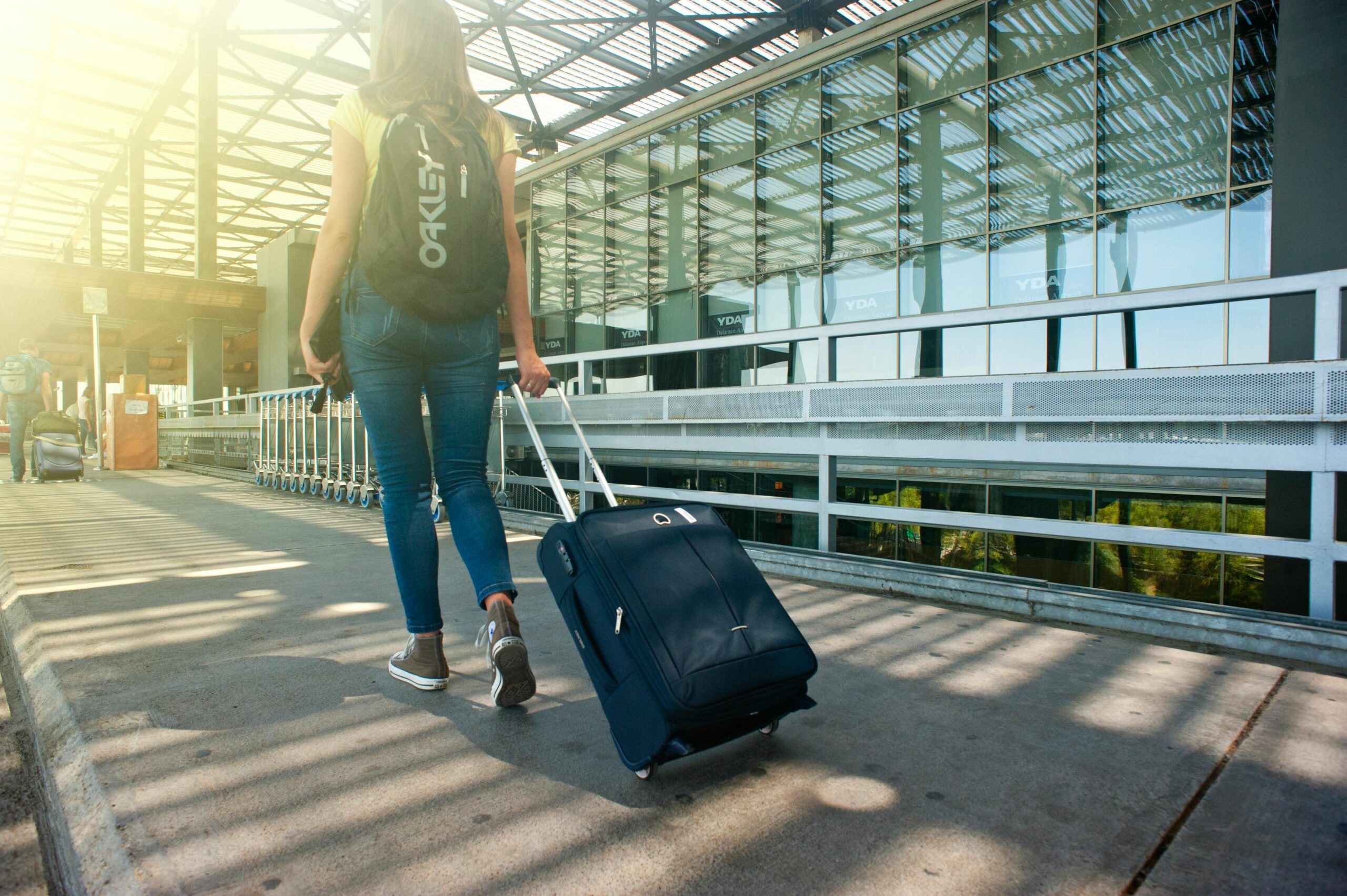
Travel can be one of life’s greatest joys.
Yet for those living with migraine, changes in routine, jet lag, and new environments often trigger painful attacks.
The good news?
With thoughtful preparation and practical tools, you don’t have to let migraine stop your next adventure.
In this post, we’ll show you how to plan ahead, carry the right supplies, and adapt on the road—so you can focus on memories, not migraines.
Why Travel Triggers Migraine
Common Travel-Related Migraine Triggers
Travel disrupts the stability your brain craves. Major culprits include:
• Sleep disruption: Early flights and time zone shifts throw off circadian rhythms.
• Dehydration: Airplane cabins have very low humidity.
• Diet changes: Missing meals or eating unfamiliar foods can spark an attack.
• Stress: Crowded airports, tight schedules, and packing can raise stress hormones.
• Environmental factors: Bright lights, noise, altitude, and cabin pressure all play a role.
Preparing Before Your Trip
Talk to Your Doctor
Your travel success starts at home. Schedule a pre-trip checkup to:
- Review your current migraine treatment plan.
- Confirm preventive and rescue medications are up to date.
- Ask for written notes explaining your meds and any temperature-sensitive injections (like CGRP antibodies).
- Discuss melatonin or other sleep aids if you’ll cross multiple time zones.
Build Your Migraine Travel Kit
Treat your migraine kit like your passport—it’s essential.
Include:
• Acute medications (triptans, gepants, NSAIDs) and a backup supply.
• Anti-nausea drugs for severe attacks.
• Preventive meds, if prescribed.
• A refillable water bottle and electrolyte packets.
• Noise-cancelling headphones or earplugs.
• Sunglasses or a comfortable hat.
• Portable cold or heat packs.
• Healthy snacks to prevent skipped meals.
Plan for Time Zone Changes
If your trip crosses more than two time zones:
- Shift your bedtime by 30–60 minutes each night for several days before departure.
- Use bright light therapy strategically: morning light for eastward travel, evening light for westward trips.
- Discuss a melatonin regimen with your doctor to ease jet lag.
During Air Travel
Stay Hydrated and Move
On the plane, aim to drink at least 8 ounces of water every hour. Avoid too much caffeine or alcohol—they promote fluid loss.
Stand up, stretch, and walk the aisle when possible to improve circulation and reduce stiffness, which can help lower migraine risk.
Manage Light, Noise, and Early Symptoms
Migraine travel success means acting quickly:
- Wear sunglasses or a hat to block cabin light.
- Use noise-cancelling headphones or earplugs to dampen engine noise.
- At the first hint of a migraine, take your acute medication. Research in Cephalalgia shows that early treatment improves response rates
At Your Destination
Keep Your Routine Steady
Once you arrive, aim to:
• Eat balanced meals at consistent times.
• Stick to a regular sleep–wake schedule.
• Plan daily downtime to rest if you feel an attack coming.
Identify Local Resources
Before you leave home, research local medical options:
• Find the nearest pharmacy or hospital on arrival.
• Check if your travel insurance covers emergency migraine care.
Special Considerations for Medications and Security
Traveling with Injections
If your preventive therapy includes injections (Botox, CGRP antibodies), carry them in original packaging with your doctor’s note. Use a portable cooler pack to keep them refrigerated.
Navigating Customs and Security
Always pack medications in your carry-on luggage. Keep labels intact and bring a copy of your prescription. Many airports recognize migraine treatments, but it helps to be prepared.
Pro Tips for Migraine-Friendly Travel
Be Proactive, Not Reactive
1. Share your migraine travel plan with friends or family so they can help if you need it.
2. Allow buffer time between travel legs—avoid back-to-back connections.
3. Stay flexible: build a free afternoon into your itinerary to rest or treat an attack.
4. Review evidence-based migraine prevention tips to complement your travel plan.
5. Explore additional preventive strategies in our guide to migraine prevention
Take-Home Message
Travel doesn’t have to be off-limits for people with migraine. When you plan ahead, pack smart, and act quickly at the first sign of an attack, you can minimize triggers and enjoy your journey.
With these strategies in your back pocket, migraine travel becomes not just possible, but plannable, so you can focus on discovering new places and making lasting memories.