For many years, acute migraine treatment relied heavily on triptans and NSAIDs. While these medications help countless patients, they aren’t right for everyone. Some people cannot use triptans because of cardiovascular concerns, while others struggle with stomach irritation or inadequate relief from NSAIDs.
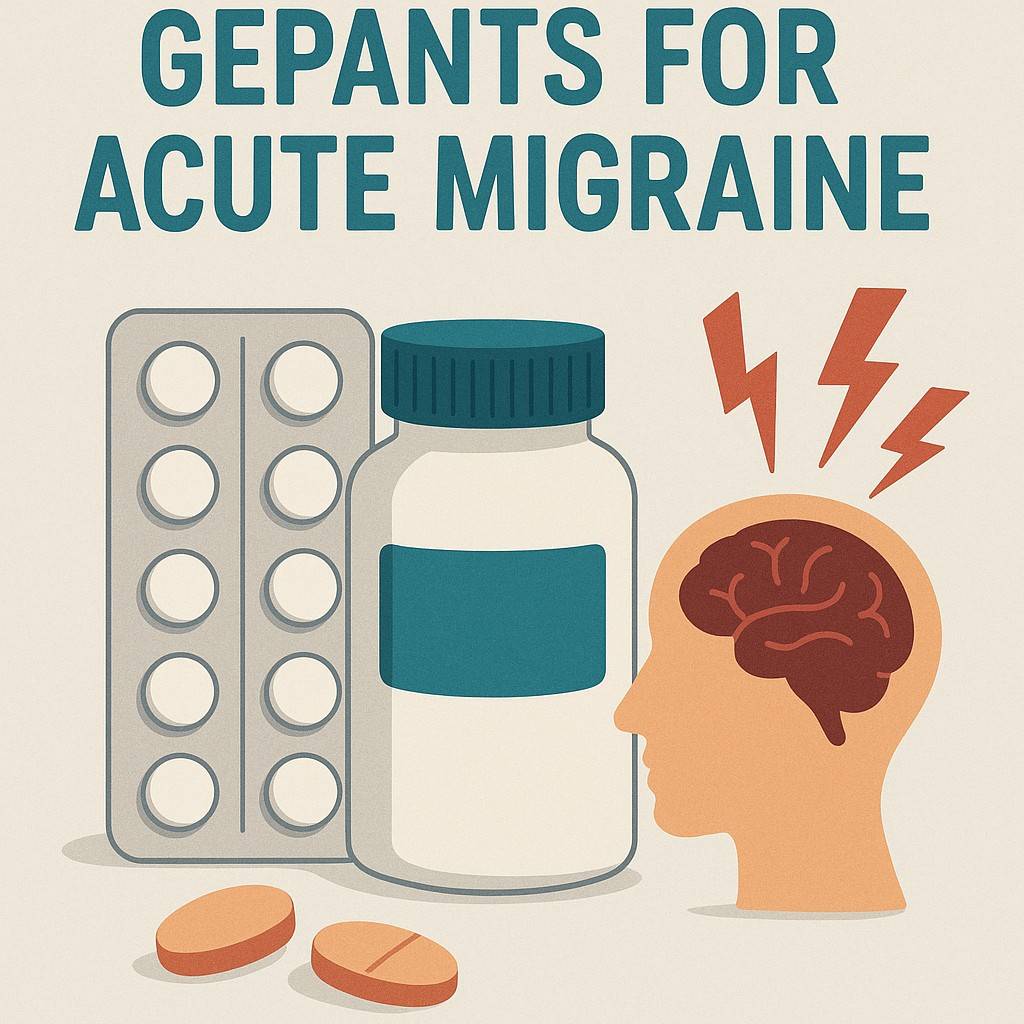
That’s where gepants for acute migraine come in. Gepants—specifically rimegepant and ubrogepant—offer a modern, highly targeted option that works directly on the CGRP pathway, a major driver of migraine attacks. Because they don’t constrict blood vessels, gepants provide a safer alternative for patients with cardiovascular risk factors, while still delivering meaningful, long-lasting relief.
What Are Gepants?
Gepants are a newer class of oral medications designed to block calcitonin gene-related peptide (CGRP), a key molecule involved in migraine pain, inflammation, and sensitivity. During a migraine, CGRP levels rise and promote:
- Blood vessel dilation
- Inflammation around nerve endings
- Enhanced pain signaling in the brain
By blocking CGRP receptors, gepants interrupt the migraine process without affecting blood vessels. This makes them fundamentally different from triptans, which tighten blood vessels and therefore cannot be used in people with certain heart or stroke risks.
The two gepants currently approved for acute migraine treatment are:
- Rimegepant (Nurtec ODT)
- Ubrogepant (Ubrelvy)
Rimegepant is also approved for preventive use in some regions, making it the first dual-purpose CGRP medication.
How Do Gepants Work?
Both rimegepant and ubrogepant bind to CGRP receptors and block them from activating migraine-related pain pathways. This mechanism helps reduce:
- Head pain
- Nausea
- Light and sound sensitivity
- Overall migraine severity
Unlike many other acute treatments, gepants do not cause chest tightness, vascular changes, or sedation. They target the source of the attack without affecting heart or blood vessel function.
Effectiveness of Gepants
Clinical studies—including those published in Cephalalgia and Neurology Journal show strong, consistent benefits for rimegepant and ubrogepant:
- Pain freedom at 2 hours: ~20% of patients become completely pain-free, compared with ~10% using placebo
- Relief of the most bothersome symptom: ~35–40% notice improvement in symptoms such as nausea or light sensitivity
- Sustained relief for up to 48 hours without needing additional doses
While gepants may not always act as quickly as some triptans, their longer duration and excellent tolerability make them a valuable option for many patients.
How to Take Gepants
Rimegepant (Nurtec ODT)
- Dose: 75 mg, placed on the tongue
- Dissolves without water, helpful during nausea
- One dose per 24 hours
Ubrogepant (Ubrelvy)
- Dose: 50 mg or 100 mg tablet
- May take a second dose after 2 hours if needed
- Maximum: 200 mg in 24 hours
Both medications work best when taken early in the migraine attack, but unlike some other treatments, they can still be effective later if the early window is missed.
Side Effects and Safety
Gepants are generally very well tolerated. The most common side effects are mild and short-lived:
- Nausea
- Drowsiness or fatigue
- Dry mouth
Crucially, gepants do not cause:
- Chest tightness
- Vasoconstriction
- Medication overuse headache (MOH), based on current evidence
Because gepants are metabolized in the liver, patients with significant liver disease or those using strong CYP3A4 inhibitors (certain antifungals, some antibiotics, and others) may need dosage adjustments or may need to avoid gepants altogether.
Who Benefits Most from Gepants?
Gepants for acute migraine are especially useful for:
- Patients who cannot take triptans because of heart disease, stroke history, or vascular risk factors
- Patients who don’t respond well to triptans, or who get side effects
- Patients who can’t tolerate NSAIDs due to gastrointestinal issues
- Those looking for longer-lasting relief with a low side-effect burden
They’re also helpful for patients who experience delayed migraines or who need a gentle but effective alternative.
Gepants vs. Triptans
| Feature | Triptans | Gepants (Rimegepant, Ubrogepant) |
|---|---|---|
| Mechanism | Serotonin receptor agonists | CGRP receptor antagonists |
| Vascular effects | Constrict blood vessels | No constriction |
| Onset of action | Often faster | Effective, sometimes slower |
| Use in heart disease | Contraindicated | Generally safe |
| Medication overuse headache | Possible with frequent use | Not shown to cause MOH |
Gepants don’t replace triptans entirely—they offer an alternative for patients who cannot or prefer not to use them.
Access in Canada
Access to gepants in Canada is evolving:
- Rimegepant is approved for acute treatment and preventive treatment.
- Ubrogepant is approved for acute treatment.
- Coverage varies by province and insurance plan.
- Some patients require special authorization or rely on private insurance.
- Cost may be a barrier without coverage.
Patients should check with their insurer or provincial drug program to explore affordability and eligibility.
Practical Tips for Patients
- Use early, but don’t worry if you miss the first hour—gepants still have benefit later.
- Don’t stress over medication overuse headache: Gepants have not been shown to cause MOH.
- Disclose all medications: Important to avoid liver-related interactions.
- Track your results: Note pain relief, symptom changes, and duration.
- Investigate insurance coverage: Some plans require special approval.
Keeping a migraine diary can help identify patterns and help clinicians optimize your treatment plan.
Take-Home Message
Gepants like rimegepant and ubrogepant represent a major advancement in acute migraine care. By blocking the CGRP pathway, they provide targeted relief without the cardiovascular risks associated with triptans—and without the concerns of medication overuse headache. Although access and cost can be limiting factors, these medications offer valuable options for patients seeking safe, effective, and well-tolerated acute treatment.