

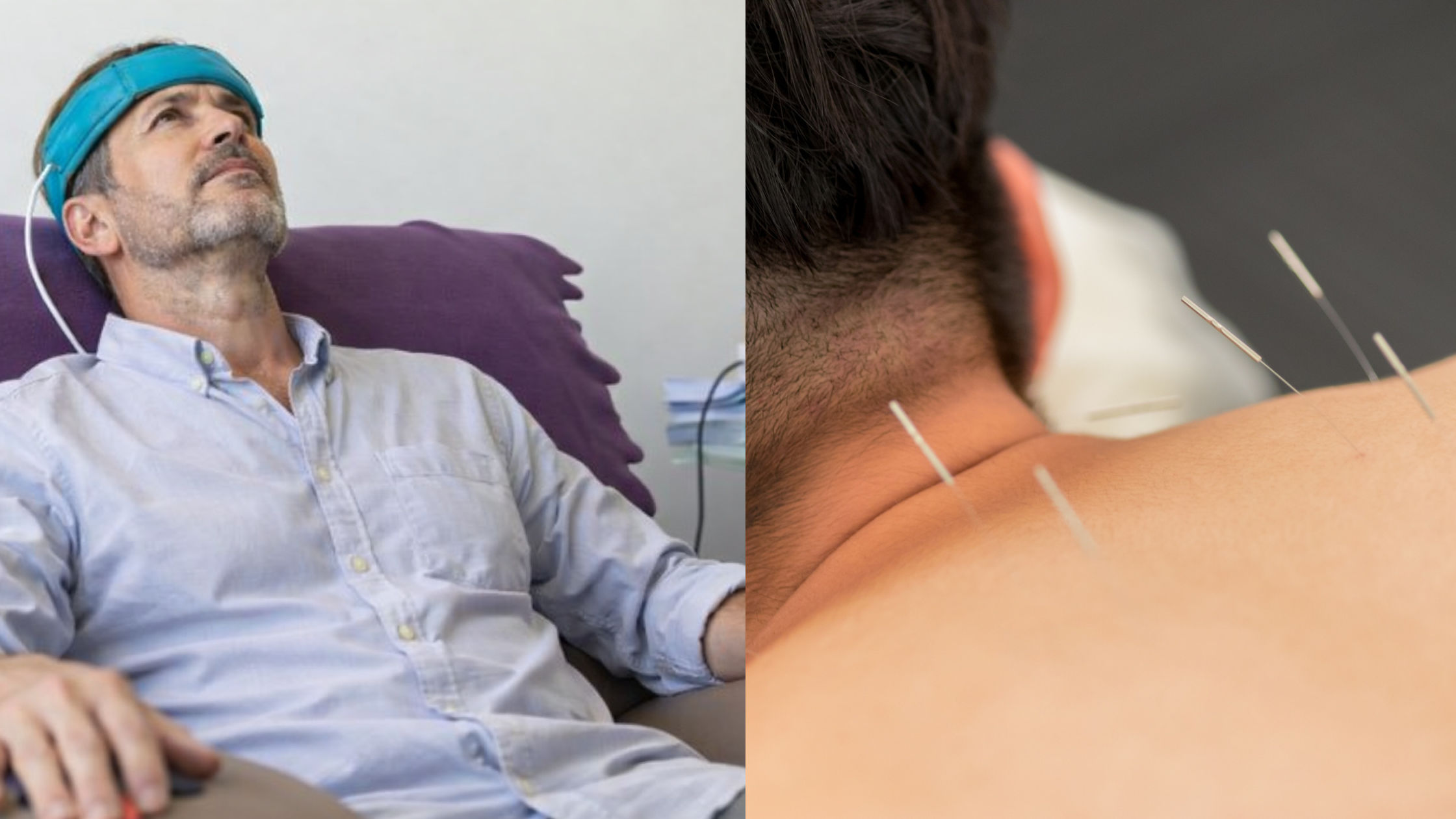
Migraines can interfere with every part of your life. While medications help many people, non-drug migraine treatments offer a powerful way to cut pain, reduce attack frequency, and boost well-being.
In this post, we will explore three key approaches—acupuncture, biofeedback, and lifestyle strategies—to help you build a holistic migraine plan.
Why Focus on Non-Drug Migraine Treatments?
Most of us think of pills when migraines strike. But medication alone doesn’t work for everyone. Some people can’t tolerate side effects. Others prefer natural methods.
Non-drug migraine treatments can:
– Reduce attack frequency and severity
– Complement preventive or acute medications
– Improve overall mood, sleep, and stress levels
In this guide, we’ll cover how each approach works, the evidence behind it, and tips for getting started.
Acupuncture for Migraine
What Is Acupuncture?
Acupuncture is part of traditional Chinese medicine. A trained practitioner inserts thin needles into specific points on your body. These points help rebalance energy flow, or “qi.”
How It Works for Migraines
– Stimulates nerve pathways to change pain signaling in the brain
– Releases natural painkillers like endorphins
– Reduces muscle tension in the neck and shoulders
Evidence and Benefits
A 2016 trial published in The Journal of Headache and Pain found acupuncture reduced migraine days by nearly 50% after 12 sessions. Some research even shows it rivals beta-blockers or topiramate, minus the side effects (Ref: Headache, The Journal of Head and Face Pain).
Getting Started
– Find a licensed acupuncturist with migraine experience.
– Expect 1–2 sessions per week for 8–12 weeks.
– Track your migraine diary to measure progress.
Biofeedback for Migraine
What Is Biofeedback?
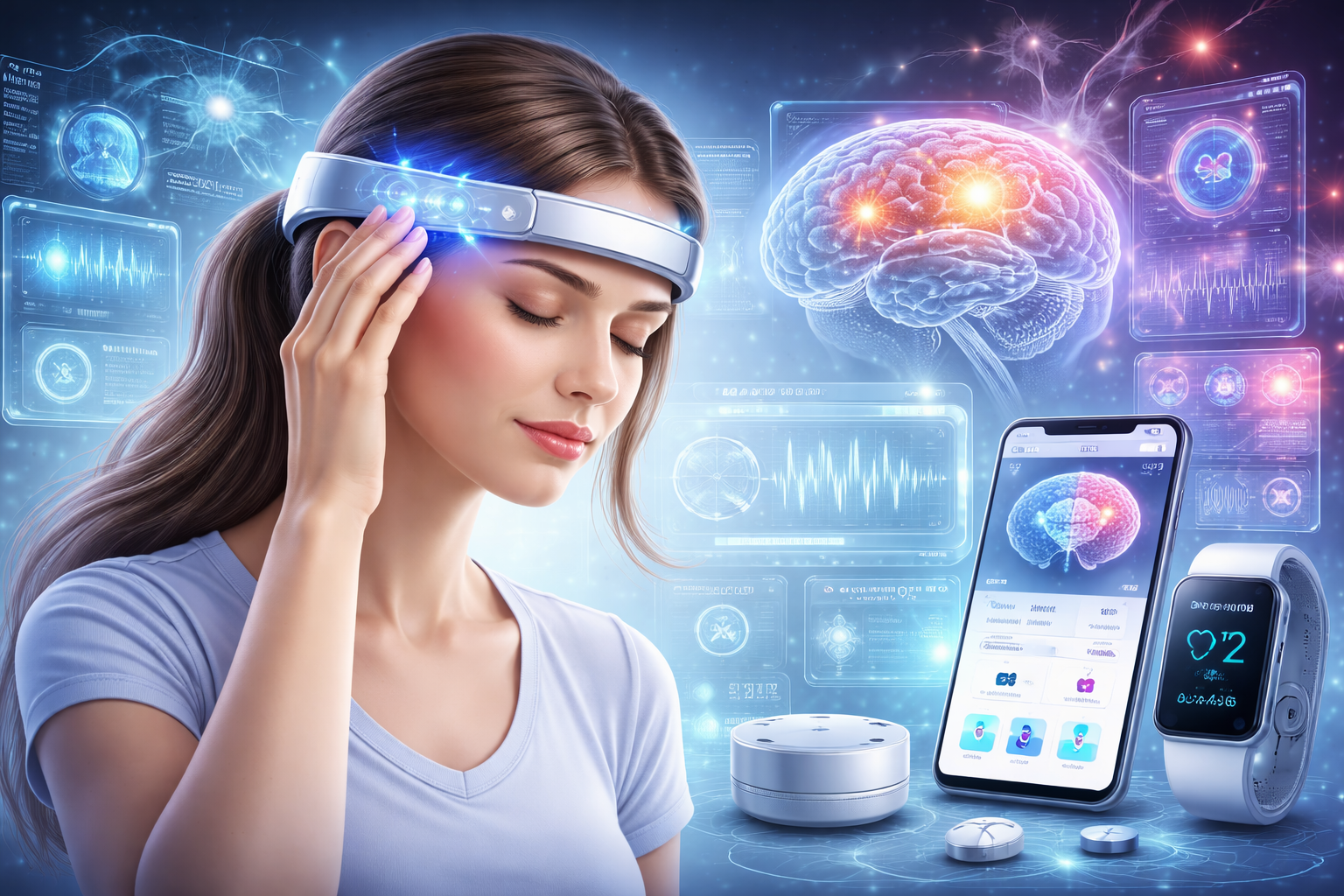
Biofeedback teaches you to control physiological functions with real-time feedback. Sensors monitor muscle tension, heart rate, and skin temperature. You learn to modify these signals through relaxation.
How It Works for Migraines
– Reduces tension in head and neck muscles
– Lowers stress and sympathetic nervous system activity
– Helps you spot early migraine signs and stop attacks sooner
Evidence and Benefits
A meta-analysis in Cephalalgia reported a 40–60% drop in migraine frequency with biofeedback plus relaxation exercises. The effect often matches that of preventive drugs (Cephalalgia, 2018).
Getting Started
– Work with a certified biofeedback therapist.
– Plan for 8–10 weekly sessions of 30–60 minutes.
– Consider home devices or smartphone apps once you learn the basics (see our biofeedback guide).
Lifestyle Strategies: The Foundation of Migraine Care
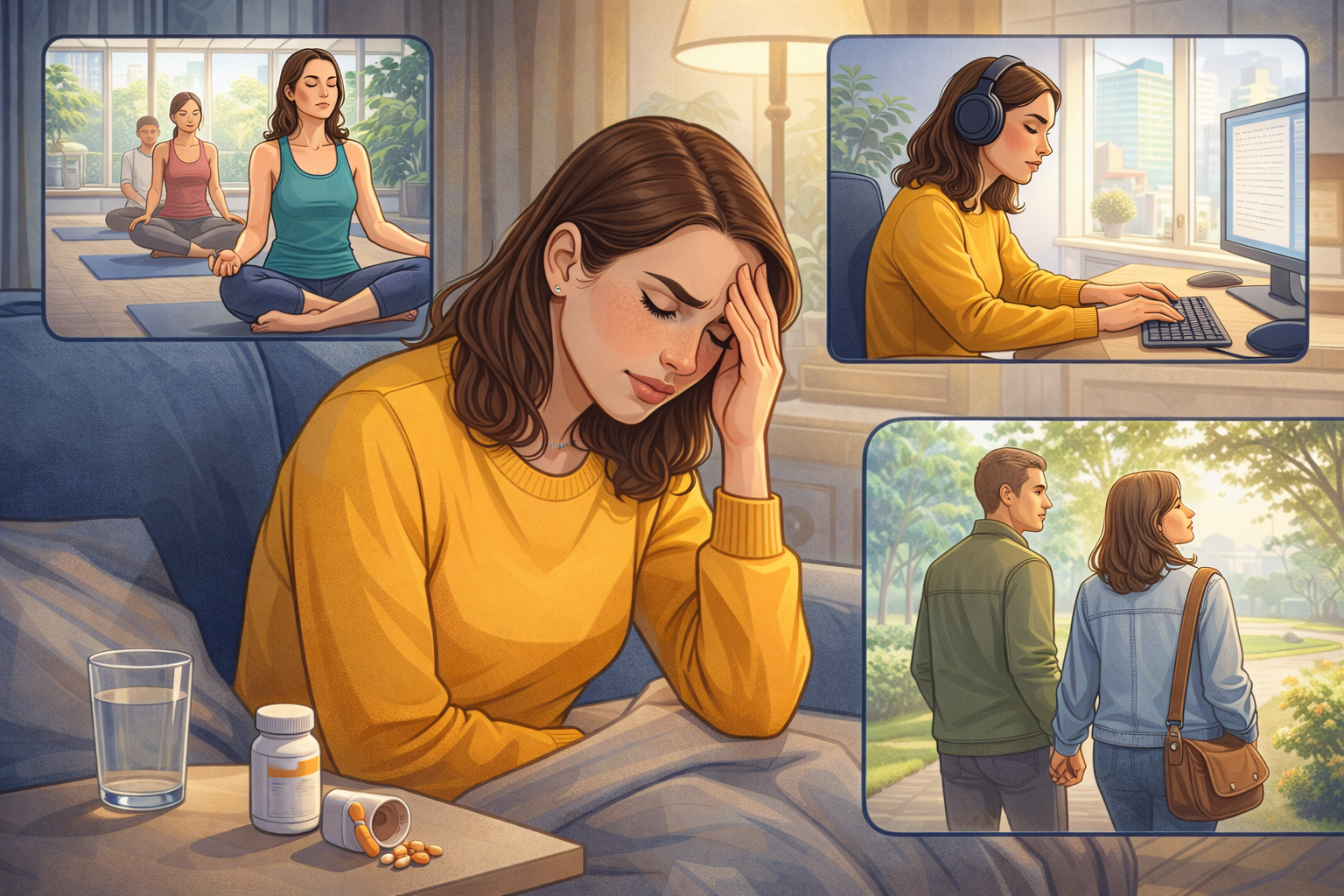
Lifestyle changes support any treatment plan. Small, consistent habits can yield big results.
1. Sleep
– Keep a regular bedtime and wake time.
– Avoid both oversleeping and sleep deprivation.
– Limit screens before bed.
2. Diet and Hydration
– Eat balanced meals at set times.
– Don’t skip breakfast; fasting can trigger attacks.
– Stay hydrated. Aim for 8 glasses of water daily.
– Limit caffeine and alcohol.
3. Exercise
– Do moderate aerobic activity 3–5 times per week (walking, swimming, cycling).
– Include yoga or gentle stretching to ease tension.
4. Stress Management
– Practice mindfulness meditation or progressive muscle relaxation.
– Try journaling or guided imagery apps.
– Consider cognitive behavioral therapy for chronic stress (JAMA, 2019).
Combining Non-Drug Treatments
Many patients find the best results when they blend therapies:
- Acupuncture + lifestyle changes for prevention.
- Biofeedback + relaxation exercises for stress-induced migraines.
- Lifestyle habits + acute medications + non-drug treatments for a well-rounded plan.
Who Benefits Most?
- Patients with side effects from preventive drugs.
- Those with health conditions limiting medication use.
- People seeking a natural or integrative path.
- Anyone wanting to add extra relief to their current plan.
Practical Tips for Success
1. Be patient: Non-drug treatments often take weeks to show full benefit.
2. Track attacks: Use a headache diary or an app.
3. Set realistic goals: Aim to reduce frequency and severity, not necessarily eliminate migraines entirely.
4. Seek experts: Use certified acupuncturists and biofeedback therapists.
5. Stay consistent: A daily routine helps cement new habits.
Take-Home Message
Non-drug migraine treatments like acupuncture, biofeedback, and smart lifestyle strategies are safe, evidence-based, and effective. They can stand alone or enhance your medication plan. By committing to these approaches, you can reduce migraine burden and reclaim control of your life.



Leave a Reply