Author: Dr. Xu

  • Anti-Nausea Medications in Acute Migraine Care: What You Need to Know

    Anti-Nausea Medications in Acute Migraine Care: What You Need to Know

    For many people living with migraine, the pain is only one piece of a much larger puzzle. Nausea and vomiting—symptoms reported by up to 90% of people during attacks—can be just as disabling as the headache itself. These symptoms make it harder to take oral medications, worsen dehydration, and dramatically affect day-to-day function. Fortunately, anti-nausea medications in acute migraine care offer real relief and can even help your other treatments work better.

    Why Nausea Matters in Migraine

    Nausea is far more than an annoying side effect. During a migraine attack, the brainstem can disrupt how the stomach functions, slowing digestion and creating hypersensitivity in the gut. This process—called migraine-related gastroparesis—directly affects how well medications are absorbed and how quickly symptoms escalate.

    Many patients experience vomiting during attacks, which makes it almost impossible to keep oral medications down.

    Even when vomiting doesn’t occur, delayed stomach emptying can severely reduce how effectively migraine medications work.

    Persistent nausea adds its own layer of suffering, increasing disability and making attacks feel longer and more intense.

    Because of these factors, tackling nausea head-on often improves comfort and boosts the effectiveness of other migraine treatments.

    Commonly Used Anti-Nausea Medications for Migraine

    Several antiemetics are used alongside migraine-specific treatments like triptans. Each option works differently, and the best choice often depends on your symptoms and medical history.

    Metoclopramide (Maxeran, Reglan)

    Metoclopramide is one of the most widely used anti-nausea medications for migraine. It works by blocking dopamine receptors in the brain and speeding up stomach emptying—both helpful during attacks.

    It can be taken orally, intravenously, or intramuscularly, which makes it especially useful when nausea affects medication absorption.

    In many emergency departments, intravenous metoclopramide is part of the standard migraine treatment toolkit thanks to its dual benefit for both pain and nausea.

    Prochlorperazine (Stemetil, Compazine)

    Prochlorperazine is another dopamine-blocking medication with strong anti-nausea and anti-migraine properties.

    It is commonly administered intravenously or intramuscularly in hospitals and emergency settings, though oral and suppository forms can also be prescribed for home use.

    For some patients who cannot take triptans or find them ineffective, prochlorperazine may serve as a standalone acute treatment.

    Domperidone (Motilium)

    Domperidone improves stomach motility and reduces nausea, with the added benefit of causing fewer central nervous system side effects because it does not cross the blood–brain barrier easily.

    It is available orally in Canada and is often used when nausea interferes with reliable absorption of other oral medications.

    Ondansetron (Zofran)

    Ondansetron is a 5-HT3 serotonin receptor antagonist widely used to treat chemotherapy-induced nausea.

    While it works well for migraine-related nausea, current evidence suggests it may be less effective for overall migraine pain relief compared to dopamine-blocking antiemetics.

    It is a helpful option for people who cannot tolerate medications like metoclopramide or prochlorperazine.

    Effectiveness of Anti-Nausea Medications in Migraine Treatment

    Anti-nausea medications do more than settle the stomach—they can directly improve migraine outcomes.

    Research shows that both metoclopramide and prochlorperazine can relieve migraine pain in addition to nausea, making them powerful dual-purpose treatments.

    In emergency departments, intravenous prochlorperazine has been shown to outperform opioids for migraine relief, offering faster and more reliable results without the risk of opioid-related side effects.

    Because antiemetics can improve stomach emptying, they also enhance the absorption of migraine medications like triptans—especially when taken early in an attack.

    Side Effects and Safety Considerations

    While anti-nausea medications are widely used and generally well tolerated, they do come with potential side effects.

    Metoclopramide and prochlorperazine may cause drowsiness, dizziness, or restlessness. In rare cases, they can trigger movement-related side effects—such as dystonia or akathisia. These effects are typically short-lived and can be prevented or treated with supportive medications.

    Domperidone carries a small risk of heart rhythm changes (QT prolongation). Because of this, clinicians avoid prescribing it to people with known cardiac conditions unless the benefits clearly outweigh the risks.

    Ondansetron is usually well tolerated, but constipation, headache, or mild dizziness can occur.

    Your clinician will help determine the best choice for you based on your history, current medications, cardiovascular status, and how your migraine attacks typically unfold.

    How Anti-Nausea Medications Are Used in Migraine Care

    Anti-nausea medications can be used in several ways depending on the severity and timing of symptoms.

    At Home

    Many people are prescribed oral domperidone or metoclopramide to take alongside a triptan or NSAID—especially if nausea reliably accompanies their attacks.

    Hospital or Emergency Care

    For moderate to severe attacks, intravenous metoclopramide or prochlorperazine are commonly used. They may be combined with IV fluids and sometimes diphenhydramine to reduce the risk of restlessness or akathisia.

    Rescue Therapy

    For people whose oral medications fail due to vomiting, antiemetics can be an essential component of a “rescue plan,” ensuring relief even when oral treatments are not an option.

    Who Benefits Most from Anti-Nausea Medications?

    Anti-nausea medications can be especially helpful for:

    • People whose attacks routinely involve nausea or vomiting.
    • Individuals who experience unreliable absorption of oral triptans due to delayed stomach emptying.
    • Patients needing emergency treatment for severe or unrelenting attacks.
    • Anyone seeking non-opioid alternatives in hospital settings.

    Practical Tips for Patients

    Open communication with your healthcare provider can help you get the most out of anti-nausea therapy.

    Talk about nausea early. Many people focus solely on pain when describing symptoms, but nausea is a critical factor in choosing the right treatment strategy.

    Combine treatments when needed. Using an antiemetic alongside an acute migraine medication can make both more effective.

    Explore alternate formulations. If swallowing pills during an attack is difficult, consider dissolvable tablets, suppositories, or injectable forms.

    Watch for side effects. Report restlessness, unusual movements, or heart palpitations—these issues are usually manageable with quick adjustments to therapy.

    Plan in advance. If nausea reliably accompanies hormonal or menstrual migraines, having your antiemetic ready can prevent escalation.

    Take-Home Message

    Nausea is one of the most disabling aspects of migraine, but it is also one of the most treatable. Anti-nausea medications such as metoclopramide, prochlorperazine, domperidone, and ondansetron can improve comfort and significantly enhance the effectiveness of migraine-specific treatments.

    By addressing nausea proactively, many people experience shorter attacks, better response to medication, and fewer emergency visits—leading to meaningful improvements in quality of life.
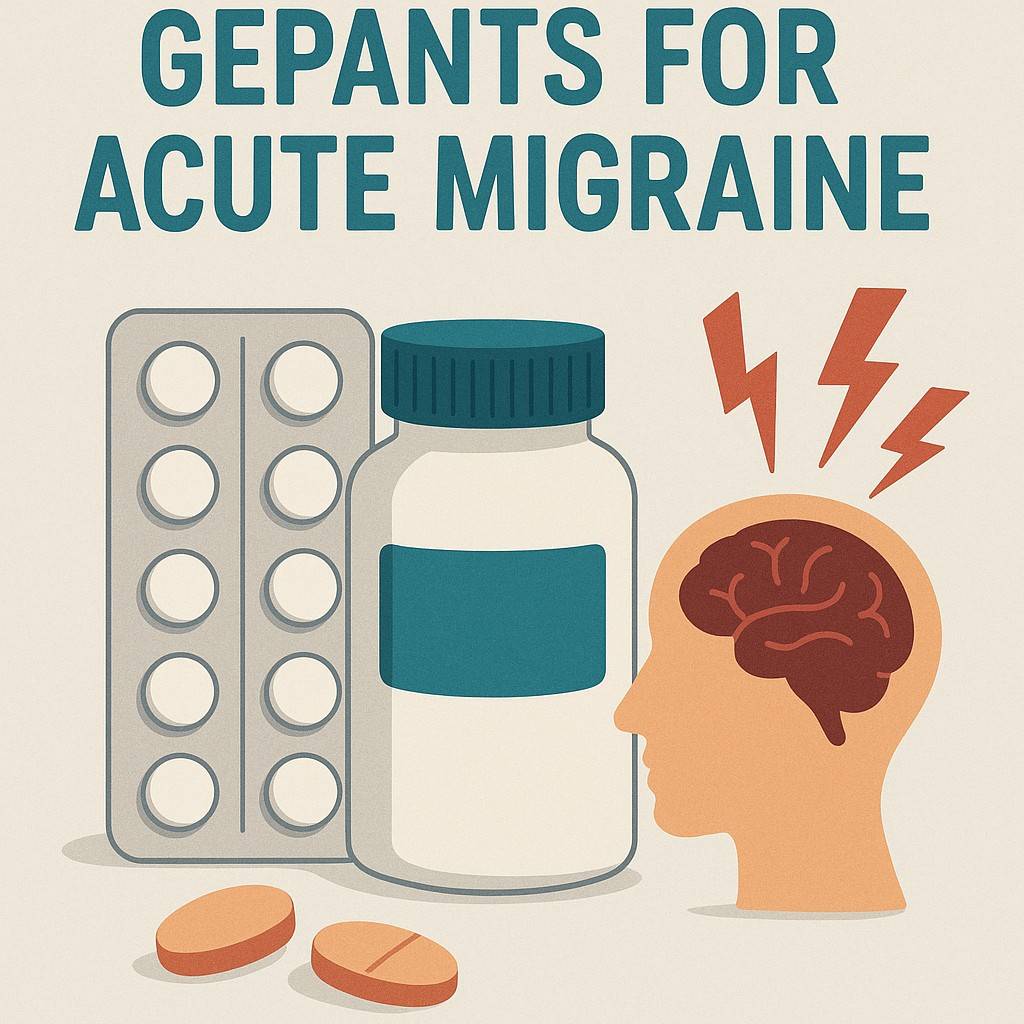
  • Gepants for Acute Migraine: Rimegepant and Ubrogepant

    Gepants for Acute Migraine: Rimegepant and Ubrogepant

    For many years, acute migraine treatment relied heavily on triptans and NSAIDs. While these medications help countless patients, they aren’t right for everyone. Some people cannot use triptans because of cardiovascular concerns, while others struggle with stomach irritation or inadequate relief from NSAIDs.

    That’s where gepants for acute migraine come in. Gepants—specifically rimegepant and ubrogepant—offer a modern, highly targeted option that works directly on the CGRP pathway, a major driver of migraine attacks. Because they don’t constrict blood vessels, gepants provide a safer alternative for patients with cardiovascular risk factors, while still delivering meaningful, long-lasting relief.

    What Are Gepants?

    Gepants are a newer class of oral medications designed to block calcitonin gene-related peptide (CGRP), a key molecule involved in migraine pain, inflammation, and sensitivity. During a migraine, CGRP levels rise and promote:

    • Blood vessel dilation
    • Inflammation around nerve endings
    • Enhanced pain signaling in the brain

    By blocking CGRP receptors, gepants interrupt the migraine process without affecting blood vessels. This makes them fundamentally different from triptans, which tighten blood vessels and therefore cannot be used in people with certain heart or stroke risks.

    The two gepants currently approved for acute migraine treatment are:

    • Rimegepant (Nurtec ODT)
    • Ubrogepant (Ubrelvy)

    Rimegepant is also approved for preventive use in some regions, making it the first dual-purpose CGRP medication.

    How Do Gepants Work?

    Both rimegepant and ubrogepant bind to CGRP receptors and block them from activating migraine-related pain pathways. This mechanism helps reduce:

    • Head pain
    • Nausea
    • Light and sound sensitivity
    • Overall migraine severity

    Unlike many other acute treatments, gepants do not cause chest tightness, vascular changes, or sedation. They target the source of the attack without affecting heart or blood vessel function.

    Effectiveness of Gepants

    Clinical studies—including those published in Cephalalgia and Neurology Journal show strong, consistent benefits for rimegepant and ubrogepant:

    • Pain freedom at 2 hours: ~20% of patients become completely pain-free, compared with ~10% using placebo
    • Relief of the most bothersome symptom: ~35–40% notice improvement in symptoms such as nausea or light sensitivity
    • Sustained relief for up to 48 hours without needing additional doses

    While gepants may not always act as quickly as some triptans, their longer duration and excellent tolerability make them a valuable option for many patients.

    How to Take Gepants

    Rimegepant (Nurtec ODT)

    • Dose: 75 mg, placed on the tongue
    • Dissolves without water, helpful during nausea
    • One dose per 24 hours

    Ubrogepant (Ubrelvy)

    • Dose: 50 mg or 100 mg tablet
    • May take a second dose after 2 hours if needed
    • Maximum: 200 mg in 24 hours

    Both medications work best when taken early in the migraine attack, but unlike some other treatments, they can still be effective later if the early window is missed.

    Side Effects and Safety

    Gepants are generally very well tolerated. The most common side effects are mild and short-lived:

    • Nausea
    • Drowsiness or fatigue
    • Dry mouth

    Crucially, gepants do not cause:

    • Chest tightness
    • Vasoconstriction
    • Medication overuse headache (MOH), based on current evidence

    Because gepants are metabolized in the liver, patients with significant liver disease or those using strong CYP3A4 inhibitors (certain antifungals, some antibiotics, and others) may need dosage adjustments or may need to avoid gepants altogether.

    Who Benefits Most from Gepants?

    Gepants for acute migraine are especially useful for:

    • Patients who cannot take triptans because of heart disease, stroke history, or vascular risk factors
    • Patients who don’t respond well to triptans, or who get side effects
    • Patients who can’t tolerate NSAIDs due to gastrointestinal issues
    • Those looking for longer-lasting relief with a low side-effect burden

    They’re also helpful for patients who experience delayed migraines or who need a gentle but effective alternative.

    Gepants vs. Triptans

    FeatureTriptansGepants (Rimegepant, Ubrogepant)
    MechanismSerotonin receptor agonistsCGRP receptor antagonists
    Vascular effectsConstrict blood vesselsNo constriction
    Onset of actionOften fasterEffective, sometimes slower
    Use in heart diseaseContraindicatedGenerally safe
    Medication overuse headachePossible with frequent useNot shown to cause MOH

    Gepants don’t replace triptans entirely—they offer an alternative for patients who cannot or prefer not to use them.

    Access in Canada

    Access to gepants in Canada is evolving:

    • Rimegepant is approved for acute treatment and preventive treatment.
    • Ubrogepant is approved for acute treatment.
    • Coverage varies by province and insurance plan.
    • Some patients require special authorization or rely on private insurance.
    • Cost may be a barrier without coverage.

    Patients should check with their insurer or provincial drug program to explore affordability and eligibility.

    Practical Tips for Patients

    • Use early, but don’t worry if you miss the first hour—gepants still have benefit later.
    • Don’t stress over medication overuse headache: Gepants have not been shown to cause MOH.
    • Disclose all medications: Important to avoid liver-related interactions.
    • Track your results: Note pain relief, symptom changes, and duration.
    • Investigate insurance coverage: Some plans require special approval.

    Keeping a migraine diary can help identify patterns and help clinicians optimize your treatment plan.

    Take-Home Message

    Gepants like rimegepant and ubrogepant represent a major advancement in acute migraine care. By blocking the CGRP pathway, they provide targeted relief without the cardiovascular risks associated with triptans—and without the concerns of medication overuse headache. Although access and cost can be limiting factors, these medications offer valuable options for patients seeking safe, effective, and well-tolerated acute treatment.

  • NSAIDs and Combination Pain Relievers in Migraine Care

    NSAIDs and Combination Pain Relievers in Migraine Care

    When a migraine attack hits, most people reach first for whatever pain reliever they have on hand. For many, that means NSAIDs for migraine—medications like ibuprofen or naproxen—or combination pain relievers that pair multiple ingredients for stronger relief. While they’re not as targeted as triptans or some of the newer migraine-specific medications, NSAIDs remain one of the most accessible and effective tools for treating mild to moderate attacks.

    Understanding how NSAIDs work, which options are most effective, and how to use them safely can help you get better relief while minimizing risks.

    What Are NSAIDs?

    NSAIDs, or non-steroidal anti-inflammatory drugs, reduce pain and inflammation by blocking COX-1 and COX-2 enzymes. These enzymes make prostaglandins—chemical messengers responsible for inflammation, pain, and sensitivity. By lowering prostaglandin levels, NSAIDs help calm the inflammatory cascade that contributes to migraine.

    Common NSAIDs used in migraine care include:

    • Ibuprofen (Advil, Motrin)
    • Naproxen (Aleve, Naprosyn)
    • Diclofenac (Voltaren, Cambia) — Cambia, a diclofenac powder, is absorbed more quickly than standard tablets
    • Ketorolac (Toradol) — usually administered in clinics or hospitals for severe attacks

    While NSAIDs are often available over the counter, they are pharmacologically powerful and should be used strategically for best results.

    How Effective Are NSAIDs for Migraine?

    NSAIDs are especially effective for mild to moderate attacks, and even for some severe ones when taken early. Research published in Cephalalgia and Headache: The Journal of Head and Face Pain shows that:

    • Ibuprofen and naproxen can significantly reduce headache pain within 2 hours
    • Diclofenac powder often works faster due to rapid absorption
    • Caffeine combinations can enhance absorption and improve outcomes

    However, for more intense or rapidly escalating attacks, migraine-specific drugs—like triptans or gepants—may be necessary.

    Combination Pain Relievers

    Combination pain relievers blend ingredients to improve pain control. Common examples include:

    • Acetaminophen + aspirin + caffeine (Excedrin Migraine)
    • Ibuprofen + caffeine in certain over-the-counter formulations

    These combinations can outperform single-ingredient options because caffeine increases both absorption and pain-relieving activity. While effective, these medications must be used carefully: frequent use can raise the risk of medication overuse headache.

    Practical Use: How to Take NSAIDs for Migraine

    Using NSAIDs correctly can greatly improve their effectiveness. Here are key best practices:

    Take them early

    NSAIDs work best when taken within the first hour of symptoms. Delaying treatment often reduces their impact.

    Use the right dose

    Underdosing is a common reason patients feel NSAIDs “don’t work.” Typical migraine-relieving doses include:

    • Ibuprofen: 400–600 mg
    • Naproxen: 500–550 mg

    Always follow medical advice and product instructions for safe dosing.

    Consider fast-acting formulations

    Diclofenac powder, liquid gels, or effervescent forms absorb faster than standard tablets.

    Avoid excessive use

    Using NSAIDs more than 14–15 days per month increases the risk of rebound headaches.

    Side Effects and Risks

    Although NSAIDs are widely used, they are not risk-free. Possible side effects include:

    Gastrointestinal effects

    Heartburn, stomach irritation, gastritis, and ulcers can occur—particularly with long-term use or higher doses. Taking NSAIDs with food or using a proton pump inhibitor can reduce this risk.

    Kidney effects

    NSAIDs may affect kidney function, especially in people with kidney disease, dehydration, or older age.

    Cardiovascular concerns

    Long-term or high-dose NSAID use can increase the risk of heart attack or stroke. Occasional use for migraine is generally safe, but people with cardiovascular risk factors should consult their doctor.

    Allergic reactions

    Rarely, NSAIDs can cause allergic reactions, particularly in people with asthma or aspirin sensitivity.

    If you have a history of ulcers, gastrointestinal bleeding, kidney disease, or heart conditions, talk to your healthcare provider before using NSAIDs regularly.

    When NSAIDs Are Most Useful

    NSAIDs for migraine are particularly helpful in:

    • Early, mild to moderate attacks
    • Menstrual migraine, where naproxen used preventively during the menstrual window may reduce attacks
    • Patients who cannot use triptans due to contraindications or side effects

    Treatment guidelines often recommend NSAIDs as first-line therapy before moving to triptans or newer medications.

    Access and Affordability

    NSAIDs are one of the most accessible migraine treatments:

    • Most NSAIDs are over the counter and affordable
    • Diclofenac powder and ketorolac may require a prescription
    • Insurance coverage varies but is generally not a barrier for basic NSAIDs

    These factors make NSAIDs a practical starting point for many people managing migraine.

    Practical Advice for Patients

    To get the most from NSAIDs:

    • Act quickly: Take them at the earliest sign of pain
    • Track your usage: Use a migraine diary to avoid medication overuse headaches
    • Report side effects: Especially stomach pain, dark stools, or signs of bleeding
    • Be cautious with combinations: NSAIDs can be combined with triptans under medical guidance

    Used appropriately, NSAIDs remain one of the most reliable, accessible tools for acute migraine care.

    Take-Home Message

    NSAIDs and combination pain relievers are essential options in migraine management. They’re inexpensive, widely available, and highly effective for many people—especially when taken early and at the right dose. While not a replacement for migraine-specific medications, they play a key role in a comprehensive treatment plan. With the right approach and awareness of risks, NSAIDs can help patients regain control during migraine attacks.DisclaimerThis article is for informational purposes only and does not constitute medical advice. Always consult a licensed healthcare provider before starting or adjusting any migraine treatment

  • Triptans: When and How They Are Used for Migraine

    Triptans: When and How They Are Used for Migraine

    For many people living with migraine, over-the-counter pain relievers like acetaminophen or ibuprofen just don’t cut it. When an attack hits hard or keeps coming back, a stronger and more targeted option is often needed. That’s where triptans for migraine come in.

    Triptans have been a core part of acute migraine treatment since the 1990s. They’re still one of the most effective choices today—especially when taken at the right time and in the right form. Understanding how triptans work, when to use them, and how to stay safe with these medications can make a big difference in how well they relieve your attacks.

    What Are Triptans?

    Triptans are prescription medications created specifically to stop a migraine attack at its source. Unlike general painkillers, they act on serotonin (5-HT1B/1D) receptors in the brain. By targeting these receptors, triptans help:

    • Constrict painful, dilated blood vessels around the brain
    • Reduce the release of pain-signaling chemicals like CGRP
    • Interrupt pain pathways in the brainstem

    This combination makes triptans uniquely effective for acute attacks. Instead of simply dulling the pain, they help shut down the migraine process itself.

    You may recognize some of the commonly prescribed options: sumatriptan, rizatriptan, eletriptan, zolmitriptan, naratriptan, frovatriptan, and almotriptan. While they all act on the same receptors, each triptan varies slightly in onset, duration, and side-effect profile—which is why patients sometimes need to try more than one to find their perfect match.

    When Are Triptans Used?

    Doctors typically recommend triptans for:

    • Moderate to severe migraine attacks, or
    • Milder attacks that don’t respond to non-prescription pain relievers

    Timing is everything. Triptans work best when taken early in the attack, ideally within the first 30–60 minutes after the pain begins. They can still help later on, but their effectiveness decreases the longer the migraine has progressed.

    It’s also important to know what triptans are not designed for. They are not preventive medications and shouldn’t be taken daily. Instead, they’re meant for occasional, “as-needed” relief—usually no more than about 9–10 days per month to avoid medication overuse headache.

    How Are Triptans Taken?

    One of the benefits of triptans is their range of formulations. This makes it easier for patients with different symptoms to find something that works smoothly for them.

    Tablets

    These are the most common and convenient option. For many people with predictable attacks and manageable nausea, tablets work very well.

    Orally disintegrating tablets (ODTs)

    These dissolve on the tongue, which can be helpful if you tend to feel queasy or don’t have water handy.

    Nasal sprays

    Nasal sprays offer faster absorption and bypass the digestive system—ideal when nausea or vomiting makes swallowing pills difficult.

    Injections (subcutaneous)

    These provide the fastest and strongest relief and are often used for severe attacks, status migrainosus, or emergency settings. Sumatriptan injections, for example, can work in as little as 10–15 minutes.

    Many triptans come in several forms. Sumatriptan, in particular, is available as a tablet, nasal spray, and injection.

    How Effective Are Triptans?

    When taken early, triptans relieve migraine pain within two hours for about 60–70% of patients, based on evidence from peer-reviewed clinical studies such as those published in Cephalalgia and Headache: The Journal of Head and Face Pain.

    Beyond pain relief, many people also experience improvement in:

    • Nausea
    • Light sensitivity
    • Sound sensitivity

    If you get relief but the migraine returns later in the day, many triptans allow a second dose—just be sure to follow your prescription instructions carefully.

    Because everyone’s body responds differently, some patients may need to try more than one triptan to find the best match. Differences in absorption, speed, and formula make each option unique.

    Safety and Side Effects

    Most people tolerate triptans well, but side effects can happen. These are usually mild and temporary, and may include:

    • Warmth or flushing
    • Tingling sensations
    • Dizziness or drowsiness
    • Tightness in the jaw, throat, or chest (usually harmless but should still be discussed with a doctor)

    Because triptans constrict blood vessels, doctors avoid prescribing them for patients with certain cardiovascular conditions, including:

    • A past heart attack or stroke
    • Uncontrolled high blood pressure
    • Significant vascular disease

    For adults over 40 or those with cardiac risk factors, many healthcare providers perform a basic cardiovascular assessment before starting triptans. This helps ensure the medication can be used safely.

    Authoritative sources such as The New England Journal of Medicine and JAMA Neurology note these precautions as standard clinical guidance.

    Practical Tips for Getting the Most Out of Triptans

    Here are a few ways patients can optimize their response and avoid common pitfalls:

    Take early

    Use triptans at the first sign of pain. They generally don’t work during the aura phase, but they shine once headache pain begins.

    Don’t give up after one trial

    If one triptan doesn’t work, another often will. Many people need to test two or three before finding the ideal fit.

    Consider combination therapy

    Some providers recommend pairing a triptan with an NSAID like naproxen for stronger, longer-lasting relief. Ask your doctor whether this is appropriate for you.

    Avoid overuse

    To reduce the risk of medication overuse headache, limit triptans to 9–10 days per month.

    Track your response

    Keep notes on:

    • How fast the medication worked
    • Whether the attack returned
    • Any side effects

    This helps you and your healthcare team fine-tune your treatment plan.

    Access and Availability in Canada

    In Canada, all triptans require a prescription. Most private insurance plans cover at least one option, though specific coverage varies by province and insurer. Generic versions of medications like sumatriptan and rizatriptan help keep costs manageable.

    Because each triptan works a little differently, it’s helpful to discuss your lifestyle, migraine symptoms, and preferences with your provider. They can recommend the most appropriate formulation—whether that’s an ODT for nausea, a nasal spray for quick action, or an injection for severe attacks.

    When Triptans Aren’t Enough

    While triptans remain a first-line treatment for many people with migraine, they don’t work well for everyone. Some patients may respond poorly, while others cannot use them due to cardiovascular risks.

    In these situations, alternatives such as gepants (like rimegepant or ubrogepant) or ditans (such as lasmiditan) may be appropriate. These newer medications act on different pathways and provide options for patients who need an alternative to vasoconstrictive drugs.

    The Take-Home Message

    Triptans for migraine are one of the most effective, reliable tools for stopping acute attacks. By acting directly on serotonin receptors, they target the underlying biology of migraine instead of simply masking symptoms.

    When taken early—and used alongside a smart, personalized treatment plan—they can dramatically improve quality of life for many migraine patients. Work closely with your healthcare provider to choose the right formulation, monitor effectiveness, and use triptans safely within recommended limits.

  • The Biology of Migraine: What Happens in the Brain

    The Biology of Migraine: What Happens in the Brain

    For decades, migraine was viewed as a problem of blood vessel dilation and constriction — a purely vascular issue. But science now paints a far more complex picture. Migraine is a neurological disorder that involves multiple brain networks controlling pain, sensory input, and blood vessel function.

    Understanding what happens in the brain during a migraine attack helps explain why the symptoms go far beyond head pain — and why effective treatment requires more than just pain relief.

    The Brain’s Sensory Overload

    The migraine brain is hypersensitive to stimulation. Light, sound, smell, or even mild touch can feel unbearable during an attack. This sensory overload comes from neuronal hyperexcitability — nerve cells that fire more easily and spread signals more widely than in non-migraine brains.

    This explains why migraine feels like a sensory storm, not “just a headache.” Everyday experiences become overwhelming because the brain’s sensory filters are malfunctioning. Research published in Neurology Journal shows that this hyperexcitability can persist even between attacks, helping explain lingering sensitivity for some people.

    The Role of the Trigeminovascular System

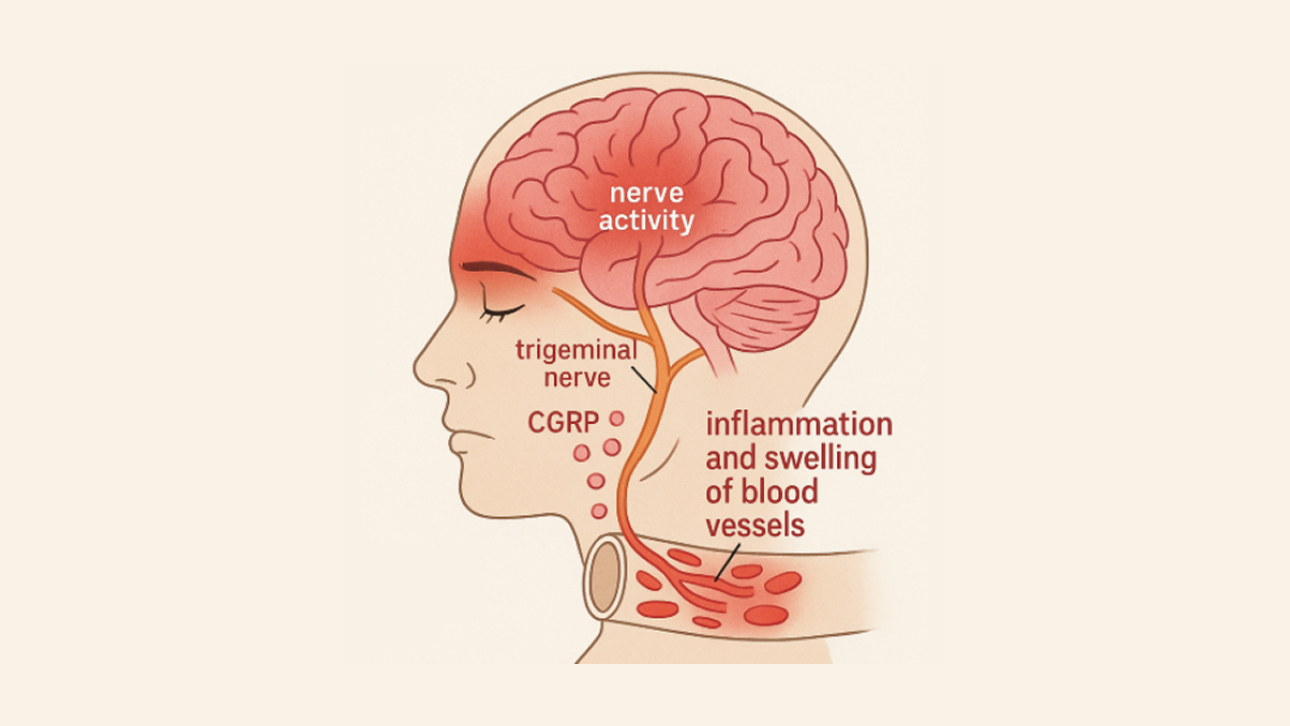
    At the center of migraine biology lies the trigeminovascular system, a network of pain-sensitive nerves surrounding the brain’s blood vessels and protective coverings (the meninges).

    When activated during a migraine, these nerves release pain-signaling chemicals such as calcitonin gene-related peptide (CGRP), substance P, and neurokinin A. These neuropeptides trigger blood vessel dilation and cause sterile neurogenic inflammation — a type of swelling that heightens pain signals without infection.

    This process amplifies pain messages traveling to the brain, creating the throbbing, pulsating headache migraine is famous for.

    Did you know? CGRP-targeting medications were developed specifically to block this pain pathway — a breakthrough that stemmed directly from this biological discovery.

    Cortical Spreading Depression and Aura

    For those who experience migraine aura, a phenomenon called cortical spreading depression (CSD) plays a key role.

    CSD is a slow wave of electrical activity that moves across the brain’s surface, followed by a temporary reduction in activity. The symptoms depend on where this wave travels:

    • Across the visual cortex → flashing lights or zigzag patterns
    • Through the sensory cortex → tingling or numbness
    • Over language areas → temporary speech problems

    Though harmless, this electrical storm explains the evolving neurological symptoms that can precede or accompany a migraine attack.

    Brainstem Involvement: The Migraine Control Center

    Modern brain imaging reveals that the brainstem — particularly areas like the dorsal pons and periaqueductal gray — shows abnormal activity during migraine attacks.

    These regions regulate pain and sensory processing, acting as “control hubs” for how the brain responds to incoming stimuli. When these centers misfire, symptoms such as neck stiffness, fatigue, nausea, and light sensitivity may appear — even before the headache starts.

    Why Migraine Symptoms Extend Beyond Pain

    Because migraine is a whole-brain disorder, symptoms affect multiple systems:

    • Nausea and vomiting: Triggered by activation of brainstem centers that control the gut.
    • Light and sound sensitivity: Caused by overactive visual and auditory pathways.
    • Cognitive fog: Linked to disrupted attention and memory circuits.
    • Fatigue and mood changes: Reflect altered energy and emotional regulation networks.

    These wide-ranging effects highlight that migraine is not just pain in the head — it’s a complex neurological event involving many parts of the brain.

    The Role of Genetics in Migraine Susceptibility

    Migraine often runs in families. Around 70% of people with migraine have a close relative with the condition.

    Research published in Cephalalgia and The Lancet Neurology has identified numerous genetic variants linked to migraine, many involving ion channels — proteins that help nerve cells communicate. These inherited differences create a “migraine-prone brain”, more easily tipped into attack mode by stress, hormones, dehydration, or lack of sleep.

    How Biology Shapes Modern Migraine Treatment

    A deeper understanding of migraine biology has revolutionized treatment options. Therapies now target specific pathways in the brain and nerves rather than simply masking pain:

    • CGRP-targeting therapies: Such as Aimovig, Ajovy, Emgality, and Vyepti, which block CGRP’s pain-signaling effects.
    • Triptans: Serotonin receptor agonists that reduce trigeminal nerve activation and inflammation.
    • Botox: Reduces neurotransmitter release in overactive pain circuits.
    • Neuromodulation devices: Use gentle electrical or magnetic stimulation to calm hyperactive brain regions.

    These therapies underscore how far migraine treatment has evolved — from treating blood vessels to directly targeting brain networks.

    Practical Steps for Patients

    Understanding migraine biology empowers patients to take more informed steps in managing their condition:

    • Track symptoms carefully: Record sensory, cognitive, and emotional symptoms — not just pain intensity.
    • Recognize triggers in context: Triggers like stress or sleep loss don’t cause migraine, but they can tip an already sensitive brain into attack.
    • Pay attention to aura and prodrome: These are neurological warning signs, not psychological weaknesses.
    • Stay informed about new therapies: Many of the latest treatments are based on cutting-edge neuroscience.

    Take-Home Message

    Migraine is a disorder of brain networks, not just blood vessels. Abnormal nerve signaling, cortical spreading depression, brainstem dysfunction, and neuropeptide release all contribute to the experience of an attack.

    By understanding the biology of migraine, both patients and clinicians can better appreciate why symptoms vary so widely — and why personalized, brain-focused treatments offer real hope for long-term relief.

    Explore More on Our Site

    If you found this guide helpful, explore these related posts to deepen your understanding of migraine and other headache disorders:

  • Headache vs Migraine: How to Tell the Difference

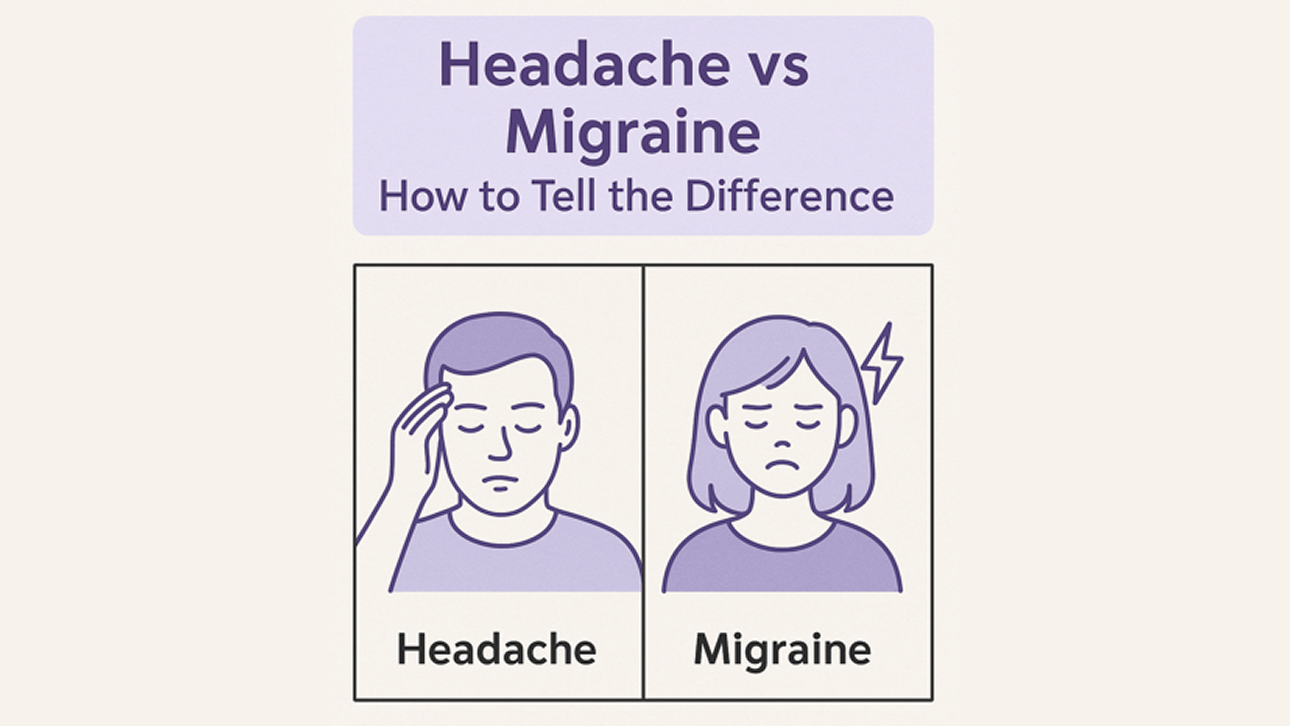
    Headache vs Migraine: How to Tell the Difference

    Headaches are one of the most common health complaints, but not all headaches are the same. While migraine is a well-known and often disabling neurological disorder, tension-type headache (TTH) and cluster headache also affect millions of people worldwide.

    Distinguishing between these primary headache types is essential because treatment and long-term management differ. Understanding their unique patterns can help you describe your symptoms more clearly and get the right diagnosis.

    Migraine: A Complex Neurological Condition

    Migraine is not “just a bad headache.” It’s a complex neurological condition characterized by recurrent attacks of moderate to severe head pain.

    Typical migraine features include:

    • Location: Usually one-sided, though sometimes both sides are affected.
    • Quality: Throbbing or pulsating pain.
    • Intensity: Moderate to severe, often disrupting daily activities.
    • Duration: 4–72 hours if untreated.
    • Associated symptoms: Nausea, vomiting, and sensitivity to light, sound, or even smells.

    Around 25–30% of people experience migraine aura, temporary neurological symptoms such as visual disturbances or tingling before the pain begins. Many also report prodrome (early warning signs) and postdrome (fatigue or brain fog after the attack).

    Tension-Type Headache: The Everyday Headache

    Tension-type headache (TTH) is the most common primary headache, often described as a “normal” or “stress” headache.

    Common features include:

    • Location: Usually both sides of the head.
    • Quality: Dull, tight, or pressure-like sensation, as if a band is squeezing the head.
    • Intensity: Mild to moderate, rarely severe enough to stop activity.
    • Duration: 30 minutes to several hours, occasionally up to a few days.
    • Associated symptoms: Typically none; mild light or sound sensitivity may occur but not both.

    TTH is often linked to stress, poor posture, or muscle tension, but newer studies in the Journal of Headache and Pain show it also involves complex interactions between muscle and brain pain pathways.

    While TTH is uncomfortable, it usually responds well to simple measures such as stress management, physical activity, proper sleep, and over-the-counter pain relievers.

    Cluster Headache: The “Suicide Headache”

    Cluster headache is the most severe and least common of the three. It affects less than 1% of people, often men between 20 and 40 years old.

    Distinctive features include:

    • Location: Always one-sided, centered around or behind one eye.
    • Quality: Intense, stabbing, or burning pain.
    • Intensity: Excruciating—many describe it as the worst pain imaginable.
    • Duration: 15–180 minutes per attack.
    • Frequency: Up to 8 attacks per day during a “cluster period.”
    • Associated symptoms: Red or watery eyes, nasal congestion, eyelid drooping, and restlessness.

    Cluster headaches occur in bouts (clusters) lasting weeks to months, followed by remission periods. Unlike migraine, they come on suddenly and demand urgent relief. Treatments such as high-flow oxygen and sumatriptan injections can provide rapid relief, while verapamil is often used as a preventive medication.

    Key Differences at a Glance

    FeatureMigraineTension-Type HeadacheCluster Headache
    LocationOften one-sidedBoth sides (band-like)Always one-sided, around one eye
    QualityThrobbing, pulsatingDull, tight, pressurePiercing, stabbing, burning
    IntensityModerate to severeMild to moderateExcruciating
    Duration4–72 hours30 minutes–several hours15–180 minutes
    Associated symptomsNausea, light/sound sensitivityUsually absentEye redness, tearing, nasal symptoms
    FrequencyVariableOften stress-relatedMultiple daily attacks during clusters

    Why Getting the Diagnosis Right Matters

    Each headache type has different treatments and triggers, so an accurate diagnosis can dramatically improve your quality of life.

    • Migraine: Managed with triptans, preventive medications, and lifestyle strategies like trigger avoidance.
    • Tension-type headache: Often responds to simple analgesics, relaxation techniques, and posture correction.
    • Cluster headache: Requires specific therapies like high-flow oxygen, sumatriptan injections, and preventive drugs such as verapamil.

    A misdiagnosis—especially mistaking cluster headaches for sinus or migraine pain—can delay access to life-changing treatments.

    Red Flags That Need Medical Attention

    While most headaches are harmless, certain symptoms can indicate a serious underlying cause. Seek immediate medical care if you experience:

    • A sudden, severe “thunderclap” headache.
    • New headaches after age 50.
    • Progressively worsening headaches.
    • Headaches with fever, neck stiffness, confusion, or seizures.
    • Headaches triggered by coughing, exertion, or sexual activity.

    These could signal conditions such as bleeding, infection, or structural brain problems.

    If you’re unsure about your headache type, a neurologist can provide a detailed assessment and help tailor your treatment plan.

    Practical Tips for Managing Headaches

    • Track your headaches: Keep a diary noting when attacks occur, how long they last, and what symptoms accompany them.
    • Describe symptoms clearly: Note the pain’s location, quality, and associated features when speaking with your doctor.
    • Avoid self-diagnosis: Online information can guide you, but only a qualified healthcare provider can confirm the diagnosis.
    • Seek specialized care: Particularly for cluster headaches, which may require neurologist-led management.

    Takeaway

    Migraine, tension-type headache, and cluster headache each have distinct characteristics that guide diagnosis and treatment.
    While migraine is the most disabling, tension-type headache is the most common, and cluster headache is the most severe.

    By learning to recognize these differences and working closely with your healthcare provider, you can receive the right diagnosis and access treatments that significantly improve your daily life.

    Explore More on Our Site

    If you found this guide helpful, explore these related posts to deepen your understanding of migraine and other headache disorders:

  • Common Triggers of Migraine and How to Identify Them

    Common Triggers of Migraine and How to Identify Them

    For many people living with migraine, attacks can feel random and disruptive. One day may be completely pain-free, and the next, a debilitating migraine hits seemingly out of nowhere. While migraine is a complex neurological disorder, certain factors—called migraine triggers—can increase the likelihood of an attack. Recognizing and managing these triggers is one of the most effective ways to reduce migraine frequency and improve quality of life.

    What Are Migraine Triggers?

    A migraine trigger is anything that increases the likelihood of an attack in someone predisposed to migraine. Triggers don’t cause the condition itself, but they can act like sparks that ignite symptoms in a sensitive brain.

    Not everyone reacts to the same triggers, and even within one person, the same trigger may not always lead to an attack. This is why tracking and pattern recognition are essential parts of migraine management.

    Common Migraine Triggers

    1. Sleep Disturbances

    Both too little and too much sleep can provoke migraine. Many people report attacks after sleeping in on weekends or changing time zones. Irregular sleep schedules, late nights, or night shifts can all destabilize the brain’s internal rhythms, increasing migraine risk. Maintaining consistent sleep patterns is key to prevention.

    2. Stress and Emotional Factors

    Stress is among the most frequently reported migraine triggers. Interestingly, attacks often strike after a stressful period rather than during it—a phenomenon known as the “weekend migraine.” Emotional fluctuations, anxiety, or depression can also heighten susceptibility to migraine.

    Incorporating relaxation techniques such as mindfulness meditation, deep breathing, or cognitive-behavioral therapy (CBT) can help reduce stress-related attacks. Studies published in Headache: The Journal of Head and Face Pain suggest that stress-management interventions significantly improve migraine frequency and severity.
    Read more in Headache Journal

    3. Hormonal Changes

    Fluctuating estrogen levels can strongly influence migraine, especially in women. Attacks commonly occur right before or during menstruation, and some women notice worsening during perimenopause. Tracking symptoms across the menstrual cycle can reveal a menstrual migraine pattern.

    If hormone-related migraine is suspected, discuss short-term preventive treatments or lifestyle adjustments with your doctor. The American Migraine Foundation offers excellent guidance on menstrual migraine management.

    4. Dietary Factors

    Certain foods and drinks can act as triggers, though reactions vary from person to person. Common dietary triggers include:

    • Aged cheeses
    • Processed meats containing nitrates
    • Red wine and other alcohol
    • Chocolate
    • Caffeinated drinks (both overuse and sudden withdrawal)

    Because food triggers are individual, it’s best to identify them through consistent tracking rather than restrictive elimination diets. Overly strict food avoidance can lead to unnecessary stress or nutritional deficiencies.

    5. Environmental Influences

    Bright or flickering lights, loud sounds, and strong smells (like perfume, cleaning products, or cigarette smoke) can all provoke migraine. Weather changes—especially drops in barometric pressure or sudden temperature swings—are also well-known triggers.

    If these factors are unavoidable, using sunglasses, noise-canceling headphones, or fragrance-free environments can help minimize exposure.

    6. Dehydration and Skipped Meals

    Skipping meals or not drinking enough fluids is a classic migraine trigger. Low blood sugar and dehydration can easily destabilize the brain’s energy balance. Aim for regular, balanced meals and drink water throughout the day. Keeping a water bottle and healthy snacks nearby is a simple but effective prevention strategy.

    7. Medication Overuse

    Ironically, some pain-relief medications can become triggers themselves when used too frequently—a condition known as medication overuse headache (MOH). This is especially common with triptans, combination analgesics, or opioids.

    If you’re relying on acute medication more than twice per week, it’s best to discuss preventive options with a healthcare provider to avoid rebound headaches.

    How to Identify Personal Migraine Triggers

    Because migraine triggers vary widely, self-monitoring is the most reliable way to identify them.

    Keep a Migraine Diary

    Document each attack, along with details like sleep, diet, stress level, menstrual cycle, weather, and medication use. Over time, recurring patterns can point to specific triggers.

    Use Migraine Tracking Apps

    Digital tools like Migraine Buddy or N1-Headache make it easier to record attacks and generate reports that help you and your doctor spot connections.

    Look for Consistency

    A true trigger will appear repeatedly before attacks, not just once. For example, if red wine precedes three or more migraine attacks, it’s likely a valid trigger.

    Avoid Over-Restriction

    Avoid cutting out multiple foods or activities at once unless you’re confident they’re consistent triggers. Over-restriction can lead to unnecessary stress and nutritional issues.

    Practical Strategies for Managing Triggers

    • Prioritize sleep hygiene: Keep consistent sleep and wake times, even on weekends. Aim for 7–9 hours of quality rest.
    • Stay hydrated and nourished: Don’t skip meals. Carry water and snacks if you’re on the go.
    • Manage stress: Incorporate daily relaxation practices like yoga, meditation, or gentle exercise.
    • Track hormonal changes: If menstrual migraine is suspected, speak to your doctor about preventive strategies.
    • Use caffeine mindfully: Moderate caffeine intake can be helpful, but avoid large fluctuations or sudden withdrawal.
    • Control environmental exposure: Sunglasses, earplugs, and fragrance-free settings can reduce sensory triggers.

    When to Seek Medical Guidance

    Trigger management is an important part of migraine care, but it should not replace professional evaluation. Talk to your healthcare provider if:

    • Headaches become more frequent or severe
    • Attacks interfere with work, school, or daily life
    • You need pain medication more than twice per week
    • You notice new or unusual neurological symptoms

    A doctor can confirm your diagnosis, rule out other causes, and create a comprehensive treatment plan that may include both preventive and acute medications.

    Takeaway

    Migraine triggers are highly individual and can range from sleep issues and stress to hormonal or dietary changes. Identifying personal triggers takes patience, but the payoff is significant—fewer attacks, greater predictability, and improved daily functioning. With consistent tracking and medical support, you can take control of your migraine journey and live with more confidence and comfort.Disclaimer

  • Migraine with Aura vs Migraine without Aura: Understand the Differences

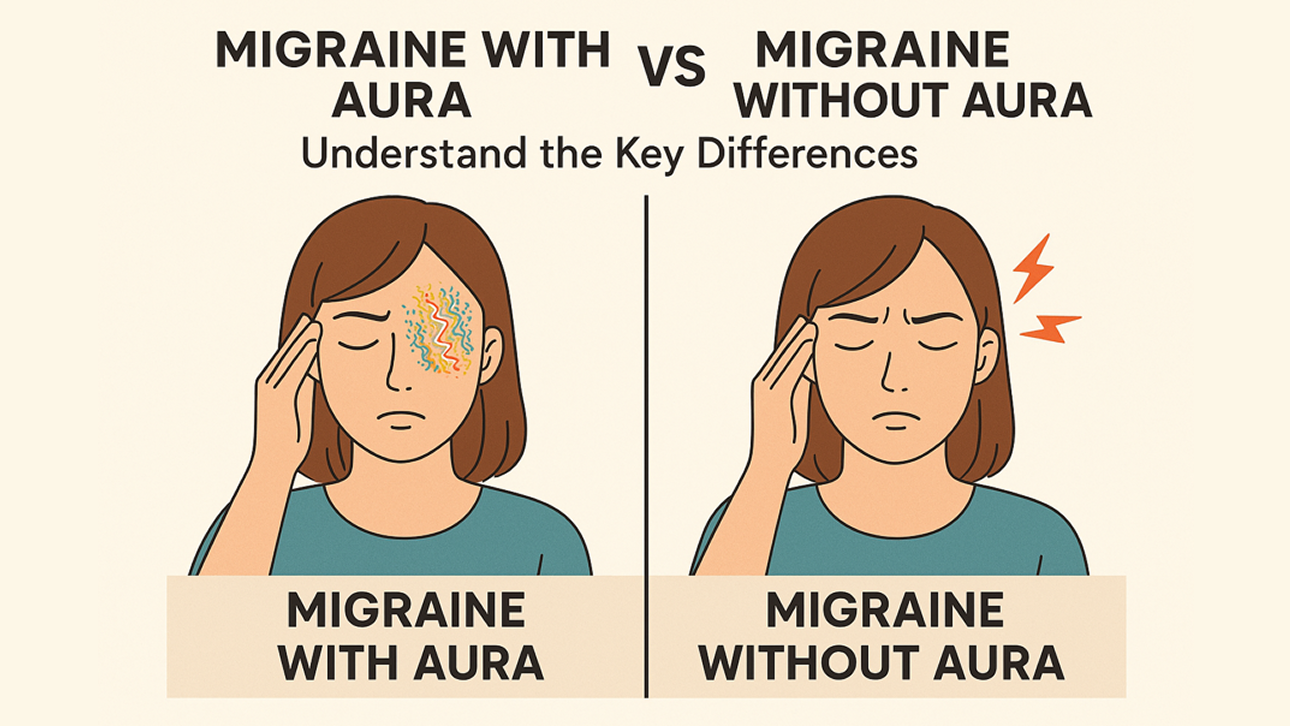
    Migraine with Aura vs Migraine without Aura: Understand the Differences

    Migraines are not a one-size-fits-all condition. While all types share hallmark symptoms like recurring head pain, nausea, and sensitivity to light or sound, there are important distinctions within the diagnosis. The two most common forms are migraine without aura (often called common migraine) and migraine with aura (sometimes referred to as classic migraine).

    Understanding the difference between these types is vital for accurate diagnosis, treatment planning, and patient reassurance.

    What Is Aura?

    An aura is a collection of temporary neurological symptoms that occur before or during a migraine attack. These symptoms are caused by brief, reversible changes in brain activity and blood flow. Auras typically develop gradually over 5–20 minutes and usually resolve within an hour.

    Common Types of Aura

    • Visual aura: The most frequent form. Patients may see flashing lights, shimmering shapes, zigzag lines, or blind spots. Some describe it as “looking through broken glass.”
    • Sensory aura: Numbness or tingling that often starts in one hand and moves up the arm or face.
    • Language aura: Temporary difficulty speaking or finding words.
    • Motor aura: Rare, but can cause weakness or paralysis on one side of the body (known as hemiplegic migraine).

    Not every aura is followed by head pain—some people experience aura without headache, also called acephalgic migraine. This can be confusing and may lead to unnecessary testing, especially when symptoms mimic stroke or seizure.

    According to The Lancet Neurology, aura symptoms stem from a phenomenon called cortical spreading depression, a wave of electrical activity across the brain’s surface that temporarily alters blood flow.

    Migraine without Aura

    Migraine without aura is the most common type, affecting about 70–75% of people with migraine.

    Typical symptoms include:

    • Throbbing or pulsating pain (usually on one side)
    • Pain aggravated by routine physical activity
    • Moderate to severe intensity
    • Nausea, vomiting, or sensitivity to light and sound

    Attacks usually last 4–72 hours if untreated and can be highly disabling. Despite lacking aura, this form is a true migraine and equally deserving of effective treatment and preventive care.

    Migraine with Aura

    Migraine with aura affects roughly 25–30% of migraine patients. The defining feature is the presence of reversible neurological symptoms that occur before or during the headache.

    A typical episode may unfold as follows:

    1. Aura phase: Gradual onset of visual changes or sensory disturbances lasting 5–60 minutes.
    2. Headache phase: The migraine pain follows, sharing the same characteristics as migraine without aura.
    3. Postdrome phase: After the pain subsides, patients may feel fatigued, foggy, or low in mood for a day or more.

    Research published in Cephalalgia: The Journal of Headache and Face Pain notes that migraine with aura may carry a slightly increased risk of ischemic stroke, particularly in women under 45 who smoke or use estrogen-containing contraceptives. For this reason, clinicians assess vascular risk factors carefully when prescribing birth control or preventive therapies

    Clinical Distinctions and Diagnosis

    While both forms share similar pain characteristics, the presence or absence of aura defines the diagnosis.

    Diagnostic Criteria

    • Migraine without aura: Diagnosed based on headache characteristics—one-sided, pulsating, moderate-to-severe intensity, aggravated by activity, and accompanied by nausea or sensitivity to light/sound.
    • Migraine with aura: Requires at least two attacks with aura symptoms that are fully reversible, develop gradually, and last less than 60 minutes, followed by headache within an hour.

    Other conditions such as stroke, seizure, or transient ischemic attack (TIA) can mimic aura. However, a key difference is that aura develops gradually, whereas stroke or seizure symptoms are sudden and maximal at onset.

    Doctors may recommend neuroimaging (MRI or CT) if aura symptoms are atypical, prolonged, or appear for the first time later in life, according to the American Headache Society.

    Why the Difference Matters for Patients

    Recognizing whether your migraine includes aura has practical implications for care and peace of mind.

    1. Treatment

    Most acute and preventive migraine treatments work for both types. However, documenting aura patterns helps clinicians avoid unnecessary investigations and tailor therapies more effectively.

    2. Stroke Risk

    Migraine with aura has a slightly higher vascular risk profile, especially in women who smoke or use hormonal contraceptives. Reducing smoking, managing blood pressure, and using non-estrogen contraceptive methods can lower risk.

    3. Patient Reassurance

    Aura symptoms can be alarming, but they are benign and reversible. Knowing that aura doesn’t mean “brain damage” helps reduce anxiety and empowers patients to respond appropriately during attacks.

    4. Monitoring Changes

    Patients should report any change in aura pattern—such as longer duration, new sensory features, or attacks without pain—to their healthcare provider.

    Practical Tips for Patients

    • Track your symptoms: Keep a migraine diary noting whether visual changes or tingling occur before the headache.
    • Recognize early warning signs: Aura can act as an early signal to take acute medication sooner, improving relief.
    • Avoid confusion with other issues: Not all visual changes are aura—eye strain, dehydration, or low blood sugar can mimic it.
    • Discuss contraception and lifestyle: If you experience migraine with aura, talk to your doctor about safe contraceptive options and managing vascular risks.
    • Stay reassured: Aura can be unsettling but is part of the migraine spectrum, not a sign of a stroke.

    You can read more about migraine triggers or preventive migraine treatments for additional guidance.

    Take-Home Message

    Migraine with aura and migraine without aura represent two points on the same neurological spectrum. The key difference lies in whether the patient experiences temporary neurological warning signs such as visual changes, tingling, or speech disturbances.

    Both forms are real, disabling, and deserve appropriate medical attention. Understanding your migraine type helps guide treatment, reduce anxiety, and empower you to manage symptoms more effectively.

  • What Is Migraine? Symptoms, Types, and Diagnosis

    What Is Migraine? Symptoms, Types, and Diagnosis

    Photo by Liza Summer

    Migraine is a common yet often misunderstood neurological disorder that affects millions worldwide. It’s far more than “just a headache.” Migraine involves complex interactions between the brain, nerves, and blood vessels, leading to a wide range of symptoms that can disrupt daily life. An estimated 12% of the global population experiences migraine, making it one of the most disabling neurological conditions according to the World Health Organization (WHO).

    Understanding what migraine is, how it presents, and how it’s diagnosed is the first step toward effective management and better quality of life.

    What Is a Migraine?

    A migraine is a recurrent headache disorder characterized by moderate to severe pain that typically lasts between 4 and 72 hours if left untreated. Unlike tension-type headaches, migraine pain is often one-sided, throbbing, and worsened by physical activity.

    Other common symptoms include:

    • Nausea and vomiting
    • Sensitivity to light (photophobia)
    • Sensitivity to sound (phonophobia)
    • Sometimes, sensitivity to smells or touch

    Doctors diagnose migraine based on the International Classification of Headache Disorders, 3rd edition (ICHD-3) criteria. A diagnosis usually requires:

    • At least one associated symptom such as nausea/vomiting or sensitivity to light and sound
    • At least five headache attacks meeting migraine features
    • Duration of 4–72 hours per attack
    • At least two of the following: one-sided pain, pulsating quality, moderate-to-severe intensity, or aggravation with movement

    Types of Migraine: With Aura and Without Aura

    Migraines are generally categorized into two main types:

    1. Migraine Without Aura

    This is the most frequent form, affecting about 70–75% of people with migraine. Symptoms include head pain and associated sensitivities—but no neurological warning signs before the attack.

    2. Migraine With Aura

    Roughly 25–30% of migraine patients experience an aura, which consists of temporary neurological symptoms that typically develop over 5–20 minutes and last less than an hour.

    Common aura symptoms include:

    • Visual disturbances (flashing lights, zigzag lines, or blind spots)
    • Sensory changes (tingling, numbness)
    • Speech or language difficulties
    • Temporary weakness on one side of the body (in rare cases)

    Some people experience aura without the headache phase, a condition known as “acephalgic migraine.”

    Other Types and Variants of Migraine

    Beyond the classic categories, several migraine subtypes exist:

    • Chronic migraine: 15 or more headache days per month for at least 3 months, with at least 8 showing migraine features.
    • Vestibular migraine: Involves dizziness or vertigo rather than prominent head pain.
    • Hemiplegic migraine: Rare, includes temporary weakness or paralysis on one side of the body.
    • Menstrual migraine: Triggered or worsened by hormonal fluctuations during the menstrual cycle.

    Each variant presents unique challenges and may require a tailored treatment approach.

    Migraine Symptoms Beyond Headache

    Migraine is best understood as a multi-phase neurological event, not just a headache. Symptoms can span several stages:

    1. Prodrome (Early Warning Signs)

    Occurs hours or days before pain starts. Symptoms may include:

    • Fatigue or mood changes
    • Neck stiffness
    • Food cravings
    • Yawning or irritability

    2. Headache Phase

    This is the hallmark migraine pain—often throbbing, one-sided, and worsened by activity. Nausea, vomiting, and sensory sensitivity are common.

    3. Postdrome (Migraine “Hangover”)

    After pain resolves, many patients feel drained, fatigued, or mentally foggy for up to 48 hours.

    Understanding these stages helps patients recognize patterns and seek treatment early, potentially preventing full-blown attacks.

    How Is Migraine Diagnosed?

    There’s no single test (like a blood test or scan) that definitively diagnoses migraine. Instead, the diagnosis is clinical, based on a thorough history and examination.

    Key Diagnostic Steps:

    • Detailed history: Describing attack frequency, duration, symptoms, and potential triggers.
    • Headache diary: Tracking attacks helps identify patterns and triggers.
    • Physical and neurological exam: Usually normal, but essential to rule out other conditions.
    • Imaging (MRI or CT): Ordered only if there are “red flags,” such as a sudden severe headache, neurological symptoms, or changes in headache pattern.

    According to the American Headache Society, early diagnosis is crucial because untreated migraine can progress to chronic migraine or lead to medication-overuse headaches.

    Further research in The Lancet Neurology has also shown that early recognition and preventive strategies can significantly reduce the burden of migraine on daily life.

    Why an Accurate Diagnosis Matters

    Many people live for years with undiagnosed or misdiagnosed migraine, often mistaking their symptoms for “sinus headaches” or stress-related pain. A correct diagnosis:

    • Confirms that symptoms are due to migraine
    • Enables access to evidence-based treatments
    • Helps prevent unnecessary tests or medications
    • Improves long-term outcomes and quality of life

    A review in Cephalalgia: The Journal of Headache and Face Pain emphasizes that proper migraine classification and early treatment improve outcomes and reduce progression to chronic migraine.

    To learn more about migraine triggers or migraine treatment options, explore our related articles for practical guidance.

    Practical Steps for Patients

    If you suspect migraine, here are steps to take:

    1. Track your symptoms: Keep a headache diary or use a migraine-tracking app.
    2. Identify triggers: Note sleep patterns, diet, stress levels, and hormonal cycles.
    3. Consult your doctor: Share your symptom history and diary to guide diagnosis.
    4. Watch for red flags: Seek immediate care for a sudden, severe headache, new neurological symptoms, or a change in pattern.

    The Takeaway

    Migraine is a complex neurological condition that extends well beyond a typical headache. Recognizing the full spectrum of symptoms, understanding the difference between migraine with and without aura, and pursuing proper diagnosis are critical first steps.

    With the right diagnosis and management plan, most patients can significantly reduce attack frequency, improve daily function, and regain control of their lives.

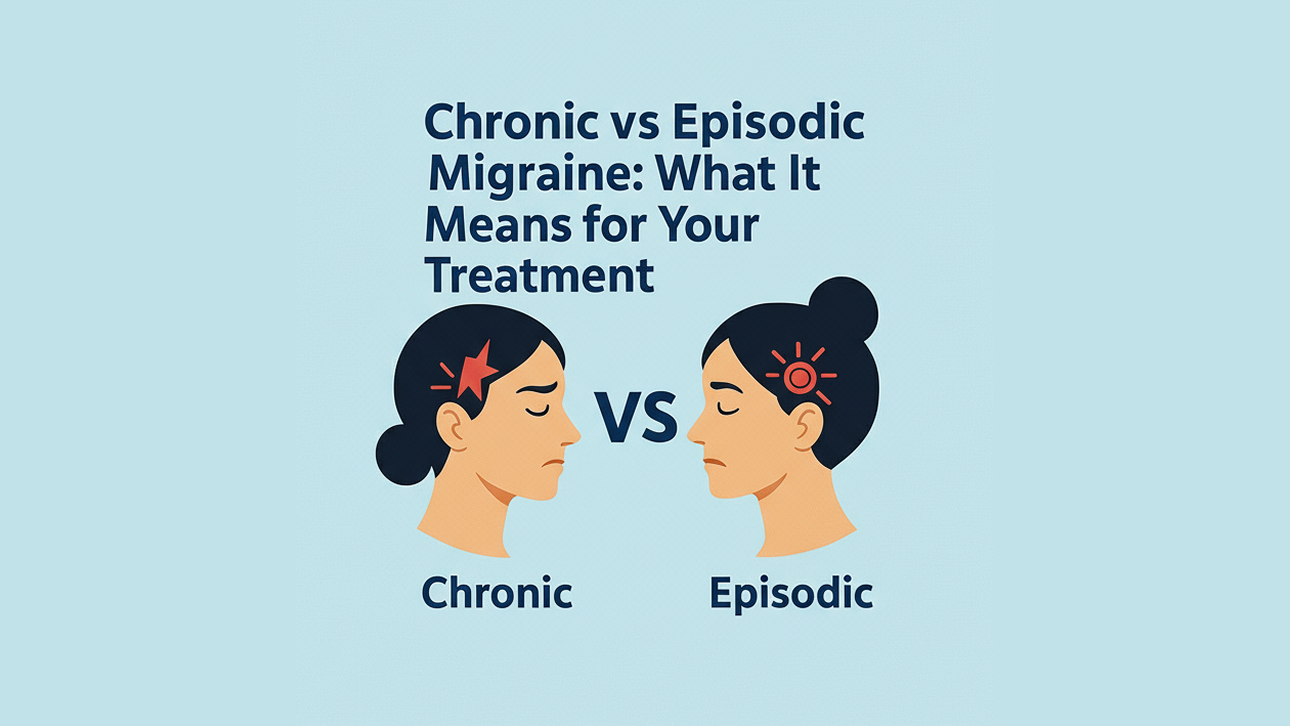
  • Chronic vs Episodic Migraine: What It Means for Your Treatment

    Chronic vs Episodic Migraine: What It Means for Your Treatment

    Understanding Chronic vs Episodic Migraine

    If you live with migraine, the words “chronic” and “episodic” aren’t just labels—they shape your treatment plan and even your insurance coverage. Understanding chronic vs episodic migraine helps you make informed choices and work with your doctor to find the most effective therapies.

    Definitions

    Doctors classify migraine based on how many days per month you experience headaches:

    • Episodic migraine: Fewer than 15 headache days per month.
    • Chronic migraine: 15 or more headache days per month, with at least 8 that meet migraine criteria.

    This distinction might sound small, but it can significantly affect what treatments you can access and how your healthcare team manages your condition.

    Why the Difference Matters

    Your migraine classification can determine whether certain treatments are covered or prescribed.

    • Botox is FDA-approved only for chronic migraine, not episodic migraine.
    • CGRP monoclonal antibodies (like Aimovig, Emgality, or Ajovy) and gepants (such as Nurtec or Ubrelvy) may also depend on your classification for insurance coverage.

    That’s why it’s crucial to track your headache days accurately—a small difference in your count can change your treatment eligibility.

    What You Can Do

    Before your next appointment, try keeping a headache diary or using a migraine tracking app for at least one to two months. Note each headache’s severity, duration, and migraine-like features (such as nausea, light sensitivity, or aura).

    • If your total headache days are close to the cutoff (14–16 days), it’s especially important to bring this record to your doctor.
    • If your headaches improve with treatment and drop into the episodic range, your doctor may adjust your plan—but you’ll likely still follow chronic migraine guidelines until improvement is stable for several months.

    🩺 For detailed advice on tracking and diagnosis, visit the National Headache Foundation or speak with your healthcare provider.

    When to Talk to Your Doctor About Chronic vs Episodic Migraine

    You should discuss classification and treatment with your doctor if:

    • You’re close to the 15-day cutoff each month.
    • Your headache pattern has changed recently.
    • You’re considering preventive therapy or notice medication overuse.

    Understanding whether you have chronic vs episodic migraine empowers you to make evidence-based decisions about your care.

    Final Thoughts

    Your migraine label isn’t just a medical term—it’s a roadmap to better management. By tracking your symptoms and partnering with your doctor, you can access more targeted treatments, reduce attack frequency, and improve your quality of life.Disclaimer