

Living with migraine can feel like walking on eggshells around your diet. Certain foods and habits can spark an attack. Others can soothe and protect. In this article, we dive into diet and migraine links. You’ll learn how to spot triggers, choose protective foods, and keep attacks at bay.
Why Diet and Migraine Are Connected
Migraine is a complex neurological disorder. It involves blood vessel changes, inflammation, and shifts in brain chemicals like serotonin. What you eat can feed or fight these pathways.
Blood Vessel Effects
Some foods dilate vessels in the brain. Others constrict them. When blood flow swings, migraine can strike.
Inflammation and Metabolic Stress
Processed foods and additives can fanning low-grade inflammation. Skipping meals leads to blood sugar dips. Low glucose can spark a headache attack within hours.
Common Dietary Triggers
Everyone has unique triggers. Yet some foods appear again and again in migraine diaries:
Aged Cheese and Tyramine
Aged cheddar, blue cheese, and Parmesan pack a natural chemical called tyramine. It can alter blood vessels and trigger pain in sensitive people.
Processed Meats
Cold cuts, bacon, and sausages often contain nitrates and nitrites. These preservatives can spark headaches
Alcohol: Red Wine and Beyond
Red wine is a top offender. Histamines and tannins may be to blame. Beer and spirits can also trigger attacks for some.
Chocolate and Cravings
Many blame chocolate. But evidence is mixed. Sometimes a craving is an early migraine symptom, not the cause. Note your pattern closely.
Caffeine’s Double-Edged Sword
Regular, moderate caffeine often helps prevent migraine. Yet sudden withdrawal and overuse can lead to rebound headaches.
Aspartame and MSG
Artificial sweeteners like aspartame and flavor enhancer MSG have been linked to headaches in sensitive individuals, especially when consumed in large amounts.
Protective Foods for Migraine Prevention
Focus on whole, nutrient-dense choices. These foods support brain health and calm inflammation.
Magnesium-Rich Foods
Magnesium helps relax blood vessels. Studies show supplements can cut migraine days by 40%. Find magnesium in nuts, seeds, beans, and leafy greens.
Riboflavin (Vitamin B2)
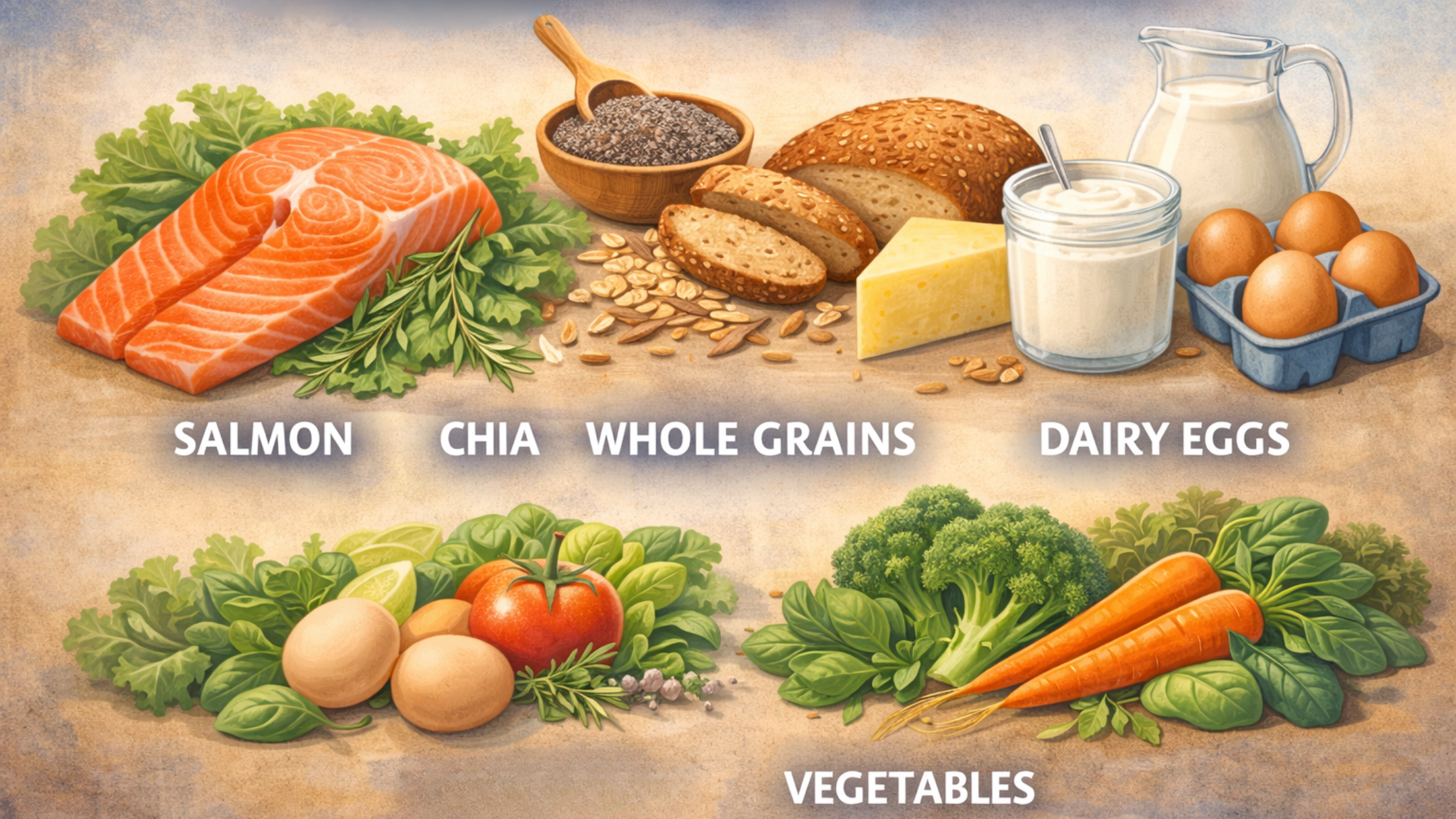
Riboflavin aids energy production in brain cells. Dairy, eggs, lean meats, and fortified cereals are good sources.
Coenzyme Q10
CoQ10 supports mitochondrial function. You’ll find it in fatty fish, whole grains, and organ meats. Supplements may help some patients.
Omega-3 Fatty Acids
Omega-3s reduce inflammation and support neural stability. Enjoy salmon, mackerel, chia, and flaxseeds regularly.
Hydration
Water is your simplest tool. Dehydration is a powerful migraine trigger. Aim for 6–8 glasses daily.
Meal Timing: The Forgotten Factor
Skipping meals is a top dietary trigger. Blood sugar swings can spark an attack quickly.
Balanced Meals Every 3–4 Hours
Include lean protein, whole grains, and vegetables. This steadies glucose and energy.
Smart Snacking
Carry portable snacks—nuts, fresh fruit, or a granola bar. A small bite can keep an attack at bay until your next meal.
Identifying Your Personal Triggers
A one-size-fits-all diet rarely works. Track your own triggers with a food and headache diary.
Keep a Diary
Record everything you eat and drink. Note portion sizes and meal times. Track headache onset, duration, and severity.
Look for Patterns
Triggers often interact. Red wine plus low sleep or stress can be worse than red wine alone.
Avoid Blanket Restrictions
Cutting out broad groups (e.g., all dairy or all alcohol) adds stress. Focus on specific foods you suspect most.
Trial Eliminations
Remove a suspected trigger for 2–4 weeks. Then reintroduce it. If migraine returns, you’ve found a culprit.
Special Considertions
Caffeine Balance
Aim for 1–2 cups of coffee per day. It can enhance acute migraine meds. Stay under 300 mg daily to avoid rebound headaches.
Alcohol Avoidance
If any alcohol sparks attacks, complete avoidance is simplest. Note that even small amounts can build an association in your brain.
Food Intolerances
Lactose or gluten sensitivity won’t cause migraine but can worsen general headache burden. Test and tailor your diet accordingly.
Practical Tips for Everyday Life
1.Plan Ahead
Schedule meals and snacks around your day. Set alarms if you tend to forget.
2.Cook at Home
Restaurants often use MSG, nitrates, and hidden additives. Cooking at home gives you control.
3.Read Labels
Watch for aspartame, MSG, nitrites/nitrates, and other triggers.
4.Stay Mindful
Stress, sleep, and hydration interact with food triggers. Keep your routine as balanced as possible.
Final Thoughts
Diet plays a powerful role in migraine management. Aged cheese, processed meats, red wine, and artificial sweeteners often trigger attacks.
Magnesium, riboflavin, CoQ10, omega-3s, and proper hydration can offer protection.
Skipping meals and dehydration often pose bigger risks than any single food.
Through tracking, balanced meals, and smart choices, you can reduce migraine frequency without an overly restrictive diet.





Leave a Reply