

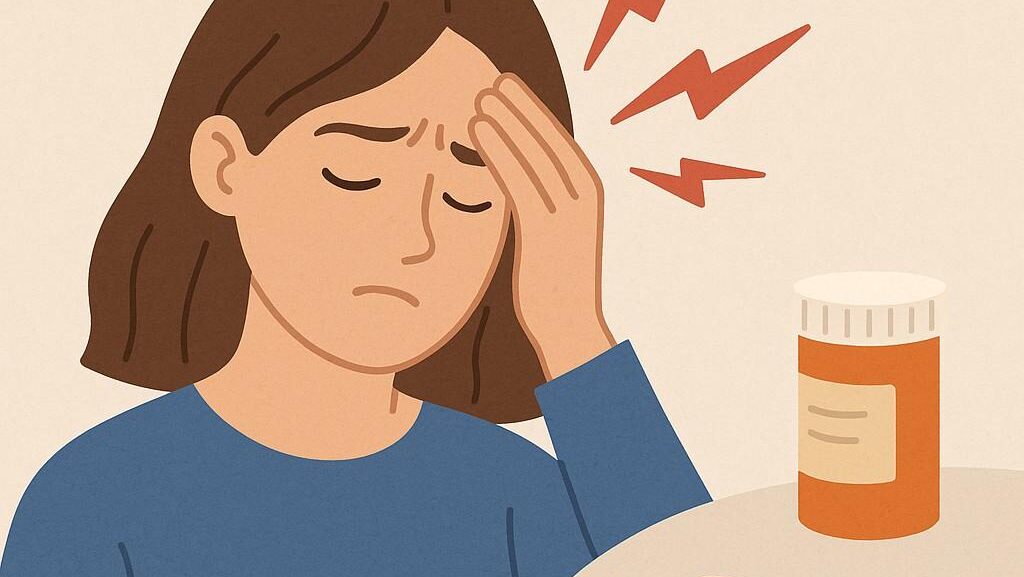
For many people living with migraine, acute medications like NSAIDs, triptans, or gepants work well enough to manage occasional attacks. But when migraines start happening more often—or become so disabling that treating attacks one by one no longer feels sustainable—it may be time to consider a different approach. This is where preventive therapy for migraine comes in.
Preventive treatments help reduce how often migraine strikes, how severe attacks feel, and how much they interrupt daily life. Knowing when to shift from “treating as needed” to “preventing regularly” can be a turning point in long-term migraine control.
What Is Preventive Therapy?
Preventive therapy involves taking medications or using treatments on a regular schedule—not just during an attack—to reduce the overall burden of migraine. These therapies help by:
- Lowering the total number of headache days per month
- Reducing the severity of individual attacks
- Making acute medications more effective
- Improving daily functioning and quality of life
Preventives don’t stop a migraine once it begins. Instead, they gradually change the brain’s baseline state, making attacks less frequent and less disruptive over time.
When to Consider Preventive Therapy for Migraine
Guidelines and clinical experience point to several situations when preventive therapy becomes a smart, proactive choice.
1. High Attack Frequency
You may benefit from prevention if you experience:
- More than 4–5 migraine days per month
- Chronic migraine (15 or more headache days per month, with at least 8 that meet migraine criteria)
Frequent attacks often lead to reduced productivity, missed events, emotional stress, and increased risk of medication overuse.
2. Severe Disability
Even if migraine attacks are infrequent, prevention may be appropriate when:
- Migraine significantly disrupts work, school, parenting, or social activities
- Recovery time after each attack is long or unpredictable
A single disabling migraine can have consequences that ripple through an entire week.
3. Poor Response to Acute Medications
Consider prevention if:
- Your acute medications don’t work consistently
- Side effects limit what you can take
- Attacks escalate too quickly to treat effectively
Preventive therapy can help stabilize your migraine pattern so acute medications work better when you need them.
4. Medication Overuse or Risk of Overuse
Using acute medications too frequently—especially for several months—can lead to medication overuse headache. Prevention lowers the need for frequent acute dosing and reduces the risk of this cycle developing.
5. Patient Preference
Some people with fewer migraine days still choose preventive therapy because:
- Their attacks are highly disabling
- Migraine triggers are unpredictable
- They prefer a stable, long-term strategy over frequent medication use
Personal goals matter just as much as clinical thresholds.
Types of Preventive Migraine Treatments
There is no single “best” preventive therapy—options are flexible and can be tailored to your needs, medical history, and preferences.
Oral Medications
Common first-line preventives include:
- Antiepileptics: topiramate
- Beta-blockers: propranolol, metoprolol
- Antidepressants: amitriptyline, venlafaxine
- Blood pressure medications: candesartan
These are widely available and often effective, though they may require dose adjustments over time.
Injectable Preventive Therapies
- CGRP monoclonal antibodies (erenumab, fremanezumab, galcanezumab, eptinezumab)
- Botox (onabotulinumtoxinA) for chronic migraine
These options are designed specifically for migraine or chronic headache disorders and are often well tolerated.
Nutraceuticals
- Magnesium
- Riboflavin (vitamin B2)
- Coenzyme Q10
These are commonly used as part of a layered prevention plan.
Non-Medication Options
- Neuromodulation devices
- Behavioral therapies such as CBT
- Lifestyle changes like improved sleep, consistent meals, exercise, and stress reduction
How Effective Are Preventives?
Preventive therapies don’t eliminate migraine entirely, but they can significantly reduce its impact.
- Topiramate often lowers monthly headache days by 2–3.
- Beta-blockers help improve migraine frequency in roughly 60% of patients.
- CGRP monoclonal antibodies can reduce monthly migraine days by 4–8 or more in clinical trials.
Around half of patients experience a 50% or greater reduction in migraine frequency with a well-matched preventive.
How Long Do Preventives Take to Work?
Preventive therapy requires patience. Most treatments take:
- 6–12 weeks to start showing benefits
- At least 3 months for a full assessment of effectiveness
Some medications need gradual dose increases to minimize side effects, which can also extend the timeline before benefits are fully felt.
Balancing Risks and Benefits
Every preventive medication comes with potential side effects:
- Topiramate: tingling, cognitive slowing, weight loss
- Beta-blockers: fatigue, low heart rate, dizziness
- Antidepressants: sedation, dry mouth, weight changes
- CGRP antibodies: constipation, injection site reactions
- Botox: neck pain, temporary muscle weakness
The key is finding a preventive that provides meaningful improvement with manageable side effects.
Practical Steps for Patients Considering Prevention
- Track your attacks: Record frequency, duration, severity, and triggers.
- Discuss disability openly: Explain how migraine affects your daily life.
- Explore your options: Ask about oral medications, injectables, and non-drug therapies.
- Give each treatment a fair trial: Don’t judge effectiveness too early.
- Combine with lifestyle support: Good sleep, hydration, stress management, and regular movement can enhance results.
Take-Home Message
Preventive therapy for migraine becomes an important option when attacks are frequent, disabling, difficult to treat, or leading to medication overuse. With choices ranging from oral medications and injectables to nutraceuticals and neuromodulation, most people can find a preventive that fits their needs. With the right plan—and a little patience—prevention can transform migraine from a constant burden into a more manageable, predictable part of life.





Leave a Reply